
Intro
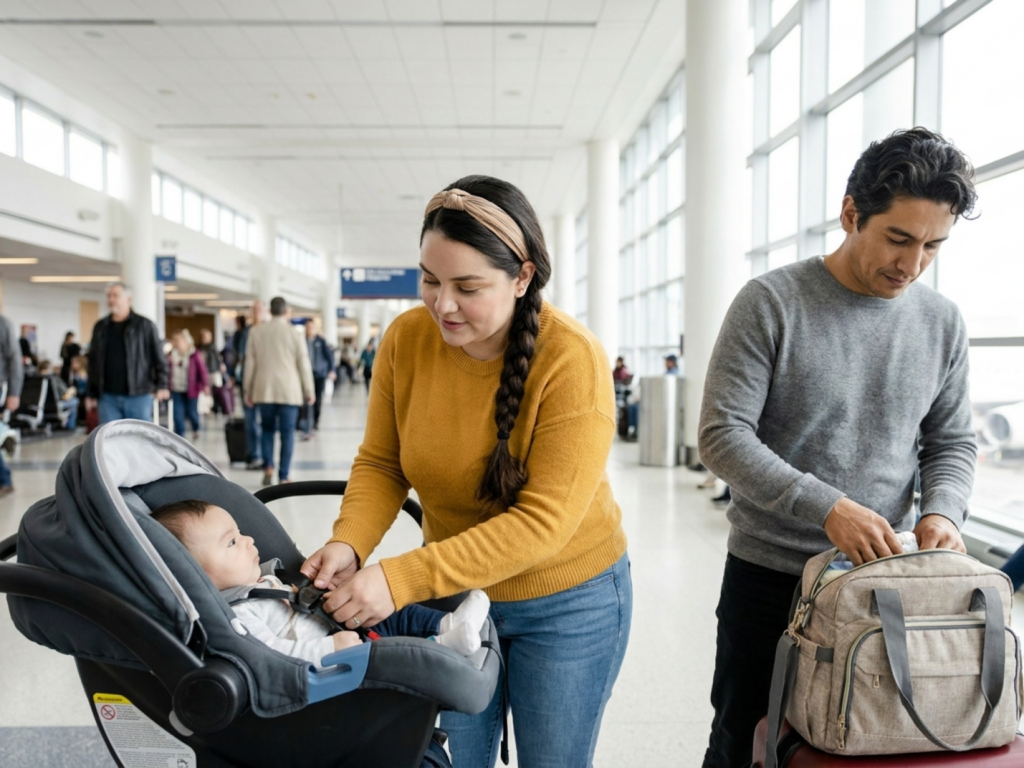
Traveling with a baby rarely goes exactly to plan. Feeding may take longer, naps may happen in unfamiliar places, and ordinary tasks can require more equipment than expected. A calmer trip does not depend on keeping your baby perfectly settled; it comes from reducing avoidable uncertainty, building in time, and preparing for your baby's developmental and medical needs.
This guide focuses on practical preparation, safe transport, feeding, sleep, infection prevention, and emotional flexibility. Because infants differ in age, birth history, medical status, and feeding method, discuss significant travel plans with your pediatrician or another qualified healthcare professional.
Highlights
A flexible itinerary with generous transition time is usually more realistic than trying to preserve every detail of the home routine.
Safe restraint, appropriate feeding supplies, and a clean sleep surface matter more than packing every comfort item.
Feeding or offering a pacifier during takeoff and landing may help some babies manage pressure changes.
Parents can reduce stress by dividing responsibilities, preparing backup supplies, and accepting that some crying is normal.
Travel may need additional medical planning for premature babies or infants with cardiopulmonary, neurologic, gastrointestinal, or other significant conditions.
Start with the right expectations
Stress-free travel with a baby is better understood as manageable travel. Infants have immature circadian rhythms, limited ability to self-regulate, and rapidly changing needs. A baby who sleeps well at home may cry in an airport because of noise, light, unfamiliar handling, hunger, fatigue, or sensory overload. This is not necessarily a sign that the trip is harming the baby or that you have failed.
Choose an itinerary that protects the essentials: feeding opportunities, safe sleep, diaper changes, and secure transport. When possible, schedule fewer activities on travel days and avoid stacking a flight, long ground transfer, and evening event into one exhausting sequence. A simple plan with one primary destination and a recovery period after arrival is often easier than a tightly timed multi-stop itinerary.
Use the baby’s usual cues as your guide rather than watching the clock rigidly. Early hunger cues, yawning, reduced eye contact, and irritability are easier to respond to than intense crying. Caregivers should also identify their own limits. Sharing feeding, carrying, navigation, and luggage tasks can prevent one adult from becoming solely responsible for every decision.
Check medical readiness before departure
The safest timing for travel depends on the baby’s age, gestational history, current health, destination, and mode of transport. A pre-travel pediatric visit can help clarify whether the infant is medically stable for the proposed journey, whether routine immunizations are current, and whether destination-specific precautions are needed. Infants born prematurely or those with respiratory, cardiac, immune, metabolic, or other complex conditions may require individualized advice before flying or traveling to high-altitude areas.
Ask the clinician what symptoms should prompt urgent assessment during the trip and how to access local care. Carry a concise medical summary when relevant, including diagnoses, allergies, current treatments, feeding instructions, immunization information, and healthcare contact details. Keep prescribed medicines in original labeled containers and pack them in carry-on luggage or another accessible bag. Do not give an infant a sedating medicine to make travel easier unless a qualified clinician has specifically advised it; sedation can impair protective responses and breathing.
Before international travel, verify entry requirements, health insurance arrangements, and the availability of pediatric care at the destination. Consider the timing of routine vaccines and any destination-related recommendations with a healthcare professional. Travel plans should be postponed or reviewed if the baby has a significant acute illness, breathing difficulty, persistent vomiting, unusual lethargy, or another concerning change.
Build a practical travel kit
Pack around the most likely needs, not every possible scenario. Keep a small, accessible diaper bag separate from the main luggage. It should contain more diapers and wipes than the journey normally requires, disposable bags, a change of clothes for the baby and caregiver, bibs, burp cloths, a light blanket, and a few familiar soothing items. Include a changing pad and hand sanitizer, while remembering that sanitizer does not replace handwashing when soap and water are available.
Keep essential supplies divided between bags when possible. A delayed suitcase is inconvenient; losing all feeding equipment, diapers, or medication is much harder. Bring a backup charging method for phones, digital and paper copies of important documents, and the address of the accommodation. If you use formula, understand the safe formula preparation during travel method recommended for your product and destination. Do not assume that unfamiliar water, refrigeration, or cleaning facilities will be adequate.
For air travel, check the airline’s current rules for infants, strollers, bassinets, car seats, breast milk, formula, and carry-on quantities before leaving home. Security procedures vary by location. MedlinePlus notes that breast milk, formula, and baby food may be carried through security, although screening procedures apply. Allow extra time for inspection and keep feeding supplies easy to reach rather than buried beneath clothing.
Make transportation safer and calmer
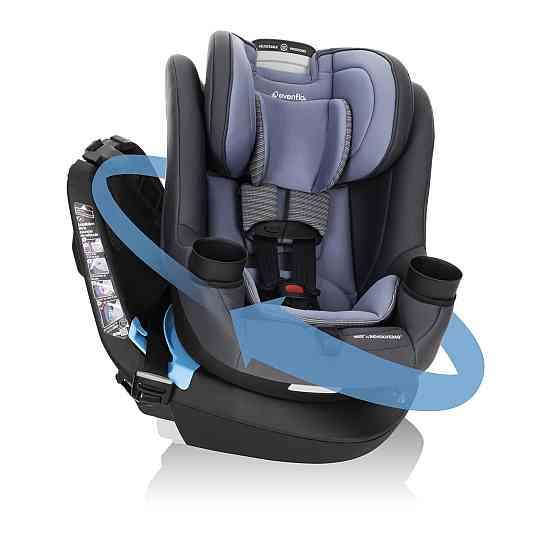
In a car, the baby should travel in a properly installed rear-facing car seat that is appropriate for the infant’s size and used according to both the vehicle and seat manufacturer’s instructions. The back seat is generally the safest location. Never hold a baby in your arms during travel, and never place a rear-facing seat in front of an active passenger air bag. Plan regular breaks on long drives so an adult can check the baby, feed them, and change them outside the vehicle.
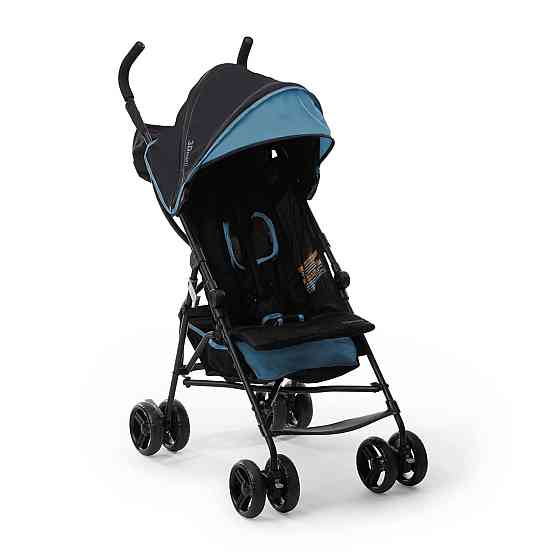
A car seat is designed for travel restraint, not routine sleep outside the vehicle. When you arrive, move the baby to a firm, flat, separate sleep surface as soon as reasonably possible. Avoid placing loose pillows, thick blankets, positioners, or soft toys around the infant. If you use a stroller, sling, or carrier, follow its age, weight, airway, and positioning requirements. The baby’s face should remain visible, the chin should not be pressed onto the chest, and breathing should be easy to observe.
On an airplane, ask the airline about using an approved child restraint system. During ascent and descent, sucking and swallowing can help some infants equalize middle-ear pressure. Feeding during takeoff and landing, nursing, or offering a pacifier may be useful if the baby is awake and feeding safely. Do not force a feed or delay it until the last minute if the baby is already hungry. A calm adult, familiar sounds, and a predictable pre-boarding routine may reduce distress more effectively than trying to prevent every cry.
Protect feeding, hydration, and hygiene
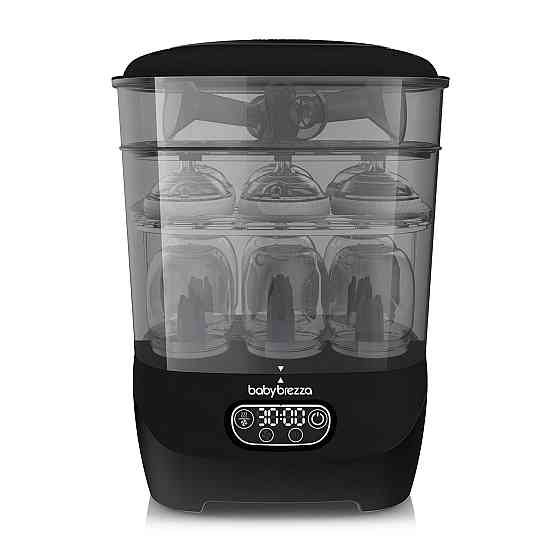
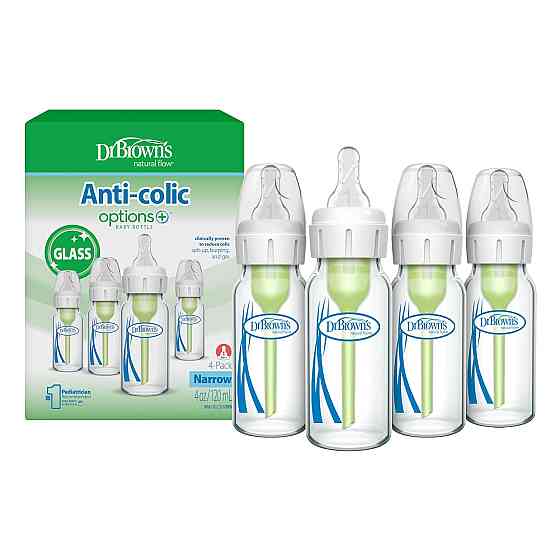
Keep feeding patterns as familiar as practical. Breastfeeding can continue during travel, and expressed milk should be stored and handled according to established food-safety guidance. For formula-fed infants, measure carefully, use safe water, and follow the product’s preparation instructions. If refrigeration or clean bottle-washing facilities are uncertain, discuss an appropriate travel strategy with a healthcare professional. Never dilute formula to make it last longer; incorrect concentration can contribute to inadequate nutrition or electrolyte problems.
Older infants who eat complementary foods should be offered foods with known ingredients and safe textures. Avoid foods that have been stored at unsafe temperatures or handled in questionable conditions. The CDC recommends attention to food and water safety, hand hygiene, and safe preparation when traveling with children. Adults should wash their hands before preparing feeds and after diaper changes, and caregivers should clean feeding equipment as reliably as circumstances allow.
Watch for possible dehydration, particularly during hot-weather travel, gastrointestinal illness, or prolonged delays. Warning signs can include markedly fewer wet diapers, a dry mouth, no tears when crying, unusual sleepiness, or difficulty feeding. These findings require prompt medical advice, especially in young infants. Seek urgent care for severe lethargy, breathing problems, repeated vomiting, bloody diarrhea, or any rapidly worsening condition.
Plan sleep and the destination environment
Sleep is often the most emotionally charged part of traveling with a baby. Aim for a safe sleep arrangement rather than a perfect nap schedule. Inspect any hotel crib, travel crib, or bassinet before use. It should have a firm, flat mattress that fits correctly, with a fitted sheet and no loose bedding, pillows, bumpers, or stuffed items. Do not improvise a sleep surface with a sofa, adult bed, cushioned chair, or luggage. Safe sleep during travel follows the same principles used at home: place the baby on their back, in their own uncluttered sleep space.
Bring one or two familiar, safe routine cues such as a sleep sack, white-noise device used appropriately, or a consistent short bedtime routine. Keep the room comfortably cool and check that the baby’s head and face are uncovered. Room-sharing may be practical, but bed-sharing and sleeping on an adult’s body or in a seated device can create hazards. If the accommodation cannot provide a suitable crib, arrange one before arrival or reconsider the sleeping plan.
At the destination, consider climate, altitude, sun exposure, air quality, insects, and local sanitation. Use shade and clothing appropriate for the conditions, and ask a healthcare professional about age-appropriate sun protection. For insect bite prevention for infants, prioritize physical barriers such as screens, netting, and covered clothing; use repellents only according to product labeling and professional advice. Avoid placing chemicals directly on a baby’s hands or near the mouth.
Use a calm response plan when things go wrong
Even with excellent preparation, a baby may cry through boarding, refuse a feed, wake repeatedly, or develop a different sleep pattern after arrival. Start with the basic sequence: check breathing and temperature, offer feeding if appropriate, change the diaper, reduce stimulation, and use a familiar holding or soothing method. Move to a quieter area when possible. One adult can care for the baby while the other handles staff communication, luggage, or navigation.
Build contingency time into every transition. Arrive early enough to feed and change the baby without rushing, and identify bathrooms, quiet spaces, pharmacies, and medical facilities at the destination. Keep the return journey less ambitious than the arrival day. If a delay occurs, protect the essentials first: safe restraint, hydration or feeding, temperature regulation, medication access, and a safe place to rest.
Caregiver distress also deserves attention. Put the baby in a safe sleep space and take a brief pause if frustration is escalating. Ask a partner, travel companion, airline employee, or healthcare professional for practical help. Never shake a baby or handle an infant roughly. The goal is not to eliminate every difficult moment; it is to respond safely, preserve essential routines, and leave enough flexibility for the family to recover.
When to seek medical help
- Seek urgent care for breathing difficulty, blue or gray coloration, a seizure, unresponsiveness, or severe lethargy.
- Contact a healthcare professional promptly for repeated vomiting, significant diarrhea, markedly fewer wet diapers, or difficulty feeding.
- Do not use sedating medicines for flight or road travel unless specifically directed by a qualified clinician.
- Do not leave a baby unattended in a vehicle, even briefly, and never use a car seat as a routine sleep space.
- Review travel plans before departure if the baby was premature or has a significant chronic medical condition.
Tools & Assistance
- Pre-travel pediatric appointment
- Airline and airport infant-travel policy pages
- Destination pediatric clinic and emergency department information
- Medication list and concise infant medical summary
- Car-seat installation check by a certified technician where available
FAQ
What is the best age to travel with a baby?
There is no single ideal age. Timing depends on the baby's medical stability, birth history, destination, and transport method. Discuss air or international travel with the baby's healthcare professional, particularly after premature birth or with cardiopulmonary disease.
How can I help my baby's ears during a flight?
Swallowing may help equalize pressure during ascent and descent. If the baby is awake and feeding safely, nursing, bottle-feeding, or offering a pacifier may help. Do not force a feed, and ask a clinician about persistent ear or respiratory concerns.
Can a baby sleep in a car seat at the hotel?
A car seat is intended for restraint during travel. Once you arrive, move the baby to a firm, flat, separate sleep surface as soon as reasonably possible and follow safe sleep practices.
How much extra should I pack?
Carry enough diapers, feeding supplies, and clothing for delays beyond the planned journey, plus essential medicines and documents. Keep critical supplies accessible and distribute them between bags when possible.
What should I do if my baby cries throughout the trip?
Check basic needs, reduce stimulation, use familiar soothing methods, and ask for practical assistance. Crying can occur despite careful planning. Seek medical advice if crying is accompanied by breathing difficulty, fever concerns, poor feeding, repeated vomiting, unusual lethargy, or other alarming changes.
Sources
- Mayo Clinic — Air travel with infant: Is it safe?
- MedlinePlus — Traveling with children: MedlinePlus Medical Encyclopedia
- Centers for Disease Control and Prevention — Traveling Safely with Infants and Children
Disclaimer
This article provides general educational information and does not diagnose, treat, or replace advice from a qualified healthcare professional. Consult your pediatrician before travel if your baby is premature, has a medical condition, or develops concerning symptoms.













Please log in to leave a comment.