
Intro
Preparing for emergencies with a baby can feel emotionally heavy: no parent wants to imagine a disaster, evacuation, power outage, severe weather event, or sudden medical concern. Yet preparation is one of the most reassuring forms of care. Babies depend completely on adults for feeding, temperature regulation, sanitation, transportation, and medical decision-making, so small disruptions can become clinically significant more quickly than they might for older children.
This guide is designed for medically literate caregivers who want a practical, infant-specific plan. It does not replace individualized advice from your pediatrician, lactation consultant, pharmacist, or local emergency authorities, but it can help you build a safer baseline before a crisis occurs.
Highlights
Infant emergency planning should prioritize feeding, hydration, warmth, sanitation, safe sleep, medications, and rapid access to medical information.
A baby’s emergency kit should be checked regularly because formula, medications, clothing sizes, diapers, and contact details change quickly in the first year.
Breastfeeding, expressed milk, formula feeding, and complementary feeding each need a specific backup plan for power, water, storage, and cleaning disruptions.
Written medical information can reduce delays when caregivers, emergency clinicians, or shelter staff are unfamiliar with your baby’s history.
Preparedness is not about expecting the worst; it is about lowering cognitive load when caregivers are tired, frightened, or displaced.
Why babies need a different emergency plan
Emergency preparedness for a baby is not simply an adult kit with smaller diapers added. Infants have distinct physiologic and practical vulnerabilities. They have limited thermoregulatory reserve, a higher surface-area-to-body-mass ratio, immature immune defenses, and a limited ability to communicate thirst, respiratory distress, pain, or overheating. They also rely on consistent feeding intervals, clean preparation equipment, safe sleep positioning, and appropriate restraint during transport.
Disasters disrupt routines that normally protect infants: electricity for refrigeration and pumping, safe municipal water, pharmacies, pediatric appointments, laundry, climate control, and transportation. A medically sound plan anticipates those disruptions and creates redundancy. For example, a family who uses powdered formula needs not only formula, but also safe water, clean bottles or feeding alternatives, measuring tools, hand hygiene supplies, and instructions for preparation. A breastfeeding parent may need hydration, nutrition, privacy, pump parts, safe milk storage options, and a plan for maintaining milk supply under stress.
Preparedness is also cognitive support. In emergencies, caregivers may be sleep-deprived, separated, or managing their own health needs. Written checklists, labeled supplies, and shared plans make it easier for another trusted adult to step in. If you have a medically fragile infant, a premature baby, or a baby with technology dependence, ask your pediatric specialist for a personalized written emergency plan that addresses oxygen, feeding tubes, monitors, medications, equipment batteries, and the nearest pediatric-capable facility.
Build a baby emergency kit for 72 hours and beyond
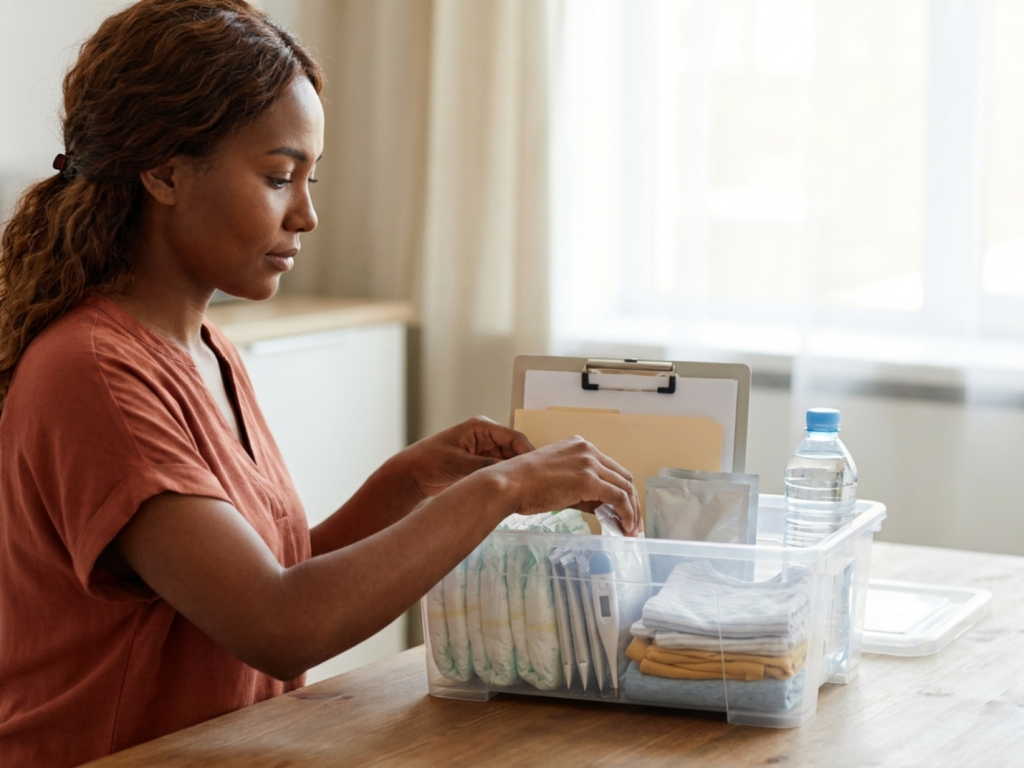
Many public health checklists recommend preparing enough essential supplies for at least several days. For babies, the kit should be divided into two forms: a home supply for sheltering in place and a portable evacuation bag. Keep items in waterproof containers or resealable bags, label expiration dates clearly, and review the kit monthly during infancy because sizes and feeding needs change fast.
Core infant supplies include:
- Diapers in the current size, wipes, diaper cream, disposable bags, and a changing pad.
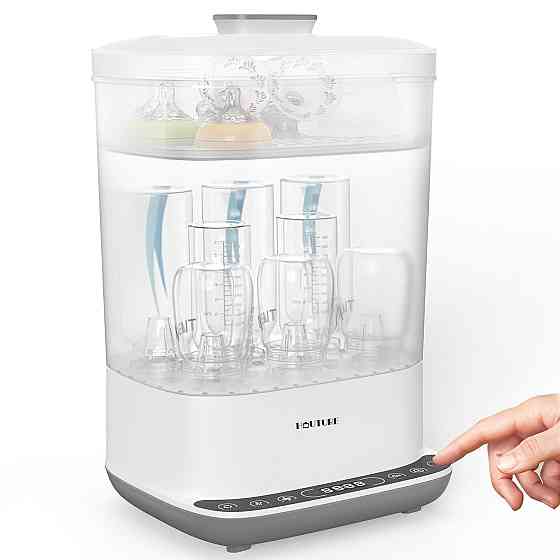
- Feeding supplies appropriate to your baby: ready-to-feed formula, powdered or concentrated formula if advised and feasible, bottles, nipples, cups if age-appropriate, breast pump supplies, milk storage bags, and feeding utensils.
- Safe water for formula preparation, cleaning, and caregiver hydration, following local emergency instructions.
- Hand sanitizer, soap, paper towels, disinfecting wipes, and a small basin or clean container for washing feeding equipment when running water is unavailable.
- Seasonally appropriate clothing, sleep sacks or wearable blankets, burp cloths, bibs, and lightweight blankets for warmth while awake and supervised.
- A thermometer, infant acetaminophen or other medications only if previously recommended by the baby’s clinician, oral rehydration solution if advised, and dosing syringes.
- Comfort objects such as pacifiers, a small toy, or a familiar blanket used safely outside the sleep space.
Avoid relying on memory for medication dosing or formula mixing instructions. Store original containers when possible, and keep a current written feeding and medication log in the kit. Add copies of insurance information, vaccination records, the pediatrician’s contact details, allergy information, and a short medical summary. If your baby attends daycare, ensure the caregiver has a compatible plan and knows where emergency supplies are stored.
Feeding and hydration when normal systems fail
Infant feeding is often the most time-sensitive part of preparedness. Babies can become clinically affected by inadequate intake, vomiting, diarrhea, fever, or heat exposure more quickly than adults. Watch for fewer wet diapers, lethargy, dry mucous membranes, sunken fontanelle, poor feeding, or persistent vomiting, and seek medical guidance urgently if you are concerned.
For breastfeeding families, continuing direct breastfeeding during an emergency is usually the simplest and safest option when possible because it reduces reliance on water, electricity, and bottle cleaning. Stress and disrupted routines may make feeding feel harder, but many parents can continue with frequent milk removal, hydration, calories, and support. If pumping is part of the routine, plan for manual expression, a manual pump, charged battery packs, pump part cleaning, and safe handling of expressed milk. If refrigeration is unavailable, consult current public health or clinician guidance on milk storage safety rather than guessing.
For formula-feeding families, ready-to-feed formula is often the most practical emergency option because it requires no mixing and reduces dependence on safe water. However, once opened, containers and bottles still require careful handling. If using powdered formula, use safe water according to public health instructions and the product label. In some circumstances, local authorities may issue boil-water advisories or provide bottled water guidance. Do not dilute formula to stretch supplies, as this can cause dangerous electrolyte imbalance and inadequate nutrition. If supplies run low, contact a pediatric clinician, local emergency services, WIC office, hospital, shelter, pharmacy, or public health agency for help.
Babies already eating solids need age-appropriate foods, spoons, bibs, and safe water. Prioritize familiar foods to reduce choking and gastrointestinal surprises. During emergencies, responsive feeding principles still matter: offer feeds based on cues, monitor wet diapers and alertness, and avoid forcing intake unless a clinician provides specific instructions.
Medical information, medications, and when to escalate
In a crisis, the most useful medical information is concise, current, and portable. Prepare a one-page baby medical summary that includes full name, date of birth, gestational age at birth if premature, birth complications if clinically relevant, chronic conditions, allergies, medications and doses, feeding method, baseline weight if recent, immunization status, pediatrician contact information, preferred pharmacy, and emergency contacts. Keep a paper copy in the evacuation bag and a secure digital copy accessible to more than one caregiver.
Medication planning needs special caution. Infants are vulnerable to dosing errors because many medications are weight-based and liquid concentrations vary. Keep medications in original packaging with dosing devices, and confirm doses with your child’s clinician or pharmacist before an emergency occurs. Do not start leftover antibiotics, adult medications, cough and cold products, herbal preparations, or sedating agents unless a qualified clinician specifically advises it for your baby.
Know When to call emergency services before you are under pressure. Call emergency services immediately for unresponsiveness, severe respiratory distress in infants, cyanosis, apnea, seizure activity that is prolonged or concerning, severe dehydration signs, suspected poisoning in an infant, major trauma, life-threatening bleeding in babies, or any situation where you believe your baby may be in immediate danger. If available, poison control, nurse advice lines, and pediatric after-hours services can help with urgent but less clearly life-threatening questions.
If evacuation is possible, identify the nearest pediatric-capable emergency department and an alternate route. For infants with complex medical needs, ask specialists whether the baby should have a letter describing baseline status and emergency management considerations. This can help clinicians distinguish chronic findings from acute deterioration without delaying assessment.
Safe sheltering, sleep, hygiene, and temperature control
Sheltering with a baby requires attention to infection control, safe sleep, and temperature. Hand hygiene is central, especially before feeding, after diaper changes, and after contact with floodwater, shared surfaces, or respiratory secretions. If clean running water is unavailable, use alcohol-based hand sanitizer when hands are not visibly soiled, and clean visibly dirty hands as well as possible with available safe water and soap.
Safe sleep can become difficult in shelters, cars, or crowded homes, but it remains protective. Babies should sleep on their back on a firm, flat infant sleep surface without pillows, loose blankets, soft bedding, or adult bedding. Car seats, swings, couches, and adult beds are not substitutes for routine sleep spaces. If your family may need to evacuate, consider whether a portable crib or bassinet can fit in the vehicle and whether you have a fitted sheet that matches it.
Temperature control matters because infants can overheat or become hypothermic with limited warning. Dress the baby in layers that can be adjusted, avoid covering the face, and check the chest or back rather than relying only on hands and feet. During heat events, prioritize shade, ventilation, breastfeeding or formula feeding on schedule, and medical advice if feeding decreases or wet diapers drop. During cold events, use dry layers, skin-to-skin contact when appropriate and safe, and avoid unsafe sleep practices created by loose blankets.
Diapering and waste disposal are also health measures. Store used diapers in sealed bags if trash pickup is interrupted. Keep diaper rash supplies available because prolonged dampness, diarrhea, or limited washing can irritate skin quickly. If floodwater or sewage contamination occurs, keep the baby away from affected areas and seek public health instructions for cleaning, laundry, and re-entry.
Evacuation, transportation, and care away from home
A baby-specific evacuation plan should answer four questions: where you would go, how you would get there, what you would carry, and who can care for the baby if the primary caregiver is unavailable. Practice placing the infant car seat correctly, and keep the vehicle fuel or charge level as high as reasonably possible during high-risk seasons. A rear-facing infant car seat should be used according to manufacturer instructions and local law, even during stressful evacuations.
Your portable bag should function like expanded baby outing diaper bag essentials: feeding supplies, diapers, wipes, clothes, medications, documents, sanitation items, and comfort objects. Add caregiver needs too, because an exhausted, dehydrated, or medically unwell caregiver cannot safely support an infant for long. Include snacks, water, necessary adult medications, phone chargers, cash, and a list of contacts.
Plan for Emergency situations during travel as well as local disasters. If you are visiting relatives, staying in a hotel, or traveling internationally, identify the local emergency number while traveling, nearby hospitals, and pharmacy access. Carry current medication containers rather than loose doses, and keep feeding supplies in hand luggage when flying or using public transportation.
Communication planning is often overlooked. Choose an out-of-area contact who can relay updates if local networks fail. Make sure all caregivers know daycare pickup rules, pediatrician details, and where the emergency kit is stored. If separated, written authorization for another trusted adult to seek care may be useful, depending on local regulations; discuss this with your pediatrician or legal advisor if custody or guardianship issues are complex.
Practice, update, and personalize the plan
Preparedness is most effective when it becomes a routine, not a one-time project. Set a monthly reminder to check diaper size, clothing size, formula expiration, medication expiration, battery charge, water supply, and contact information. Replace documents after immunizations or major medical visits. Review newborn emergency warning signs and age-specific concerns with your pediatrician during routine visits.
Run small drills that do not frighten the baby or caregivers. Practice leaving the home with the evacuation bag, installing the car seat, locating documents, and contacting your designated support person. If your baby has daycare, grandparents, babysitters, or shared custody arrangements, align the plan across homes. Inconsistent plans can create dangerous gaps during fast-moving events.
Personalization is essential. A healthy full-term 10-month-old eating solids has different needs from a 3-week-old newborn, a premature infant, or a baby with congenital heart disease, seizures, severe allergies, or feeding-tube dependence. Ask clinicians for condition-specific instructions, including thresholds for urgent evaluation, backup equipment needs, and medication replacement options if supplies are lost.
Finally, be gentle with yourself. No kit can remove every risk, and no caregiver can predict every scenario. The goal is to reduce preventable harm, speed up decision-making, and make it easier to accept help. Preparedness is an act of steadiness: you are building a bridge between ordinary routines and extraordinary circumstances.
Seek urgent help for these warning signs
- Call emergency services immediately if your baby is unresponsive, has apnea, blue or gray color, or severe respiratory distress.
- Seek urgent medical advice for signs of dehydration such as markedly fewer wet diapers, lethargy, poor feeding, or persistent vomiting.
- Do not dilute formula, improvise medication doses, or use adult medicines unless a qualified clinician specifically instructs you.
- Keep babies away from floodwater, sewage contamination, smoke, carbon monoxide risk, and unsafe generator use.
- Use a firm, flat infant sleep surface whenever possible; car seats, couches, and adult beds are not safe routine sleep spaces.
Tools & Assistance
- Create a one-page baby medical summary and keep paper and digital copies.
- Set a monthly phone reminder to rotate formula, diapers, medications, batteries, and clothing sizes.
- Ask your pediatrician or pharmacist to review emergency medication doses and storage requirements.
- Identify the nearest pediatric-capable emergency department and backup evacuation destination.
- Store local emergency numbers, poison control, pediatric after-hours care, and daycare contacts in multiple phones.
FAQ
How many days of baby supplies should I keep?
Aim for at least several days of essential supplies, including feeding, diapers, hygiene, medications, clothing, and documents. Families in disaster-prone areas or with medically complex infants may need a larger personalized supply.
Is ready-to-feed formula better for emergencies?
Ready-to-feed formula can be useful because it does not require mixing with water, but it still needs safe handling after opening. Ask your pediatrician if it is appropriate for your baby, especially for premature or medically fragile infants.
What medical documents should be in the emergency kit?
Include vaccination records, insurance details, pediatrician and pharmacy contacts, allergies, medications and doses, feeding method, chronic conditions, and emergency contacts.
Can my baby sleep in a car seat during evacuation?
A car seat is for transport safety, not routine sleep. Move the baby to a firm, flat sleep surface as soon as practical, and follow safe sleep guidance whenever possible.
How often should I update the kit?
Monthly checks are practical during infancy. Update diaper sizes, clothing, formula, medications, documents, and feeding supplies whenever your baby’s needs change.
Sources
- Centers for Disease Control and Prevention (CDC) — Emergency Kit Checklist: Pregnant Women, Infants, and Children
- Centers for Disease Control and Prevention (CDC) — Emergency List for Families With Infants and Young Children
- PubMed Central (PMC) — Emergency preparedness for those who care for infants and young children: A systematic review
Disclaimer
This article is for general educational purposes and does not diagnose, treat, or replace care from a qualified healthcare professional. For urgent concerns about your baby, contact emergency services or your pediatric clinician.














Please log in to leave a comment.