
Intro
When a child is not sleeping, families can feel worn down quickly. Bedtime stretches out, night waking becomes routine, and everyone starts the next day short on patience. In many children, the problem is less about one difficult night and more about a pattern that has become hard to break.
Sleep concerns can reflect development, routine mismatch, anxiety, environmental stimulation, or sometimes an underlying medical issue. The good news is that many sleep habits can improve with consistent, calm changes. If sleep loss is persistent, severe, or associated with snoring, breathing pauses, pain, fever, or marked daytime impairment from poor sleep, it is important to involve a pediatric clinician.
Highlights
Most childhood sleep problems improve when bedtime, wake time, and nighttime responses are steady and predictable.
Screen use before bed, irregular schedules, and long or late naps can all make sleep onset harder.
Repeated night waking is often maintained by what happens after the child wakes, so a calm and consistent response matters.
Loud snoring, breathing pauses, pain, fever, or major daytime impairment are reasons to seek medical review rather than only changing routine.
Start by looking for the pattern
Before changing anything, it helps to identify what is actually happening. Some children resist bedtime, some fall asleep but wake repeatedly, and others wake too early or cannot return to sleep. The pattern matters because the likely causes and the best responses are different.
A simple child sleep diary can be very helpful. For one to two weeks, note bedtime, how long it takes to fall asleep, night waking, naps, wake time, screen use, caffeine exposure, and anything unusual such as illness, travel, or stress. This gives a clearer picture than memory alone and can make it easier to speak with a clinician if needed.
It is also important to think about age. Younger children often need more help with self-settling, while school-age children may have fears, overstimulation, or schedule problems. A child who seems tired but resists sleep may be overtired, because fatigue can paradoxically make falling asleep harder. That does not mean the child is being difficult on purpose; it may simply mean the body clock and the bedtime plan are not aligned.
Build a predictable bedtime routine
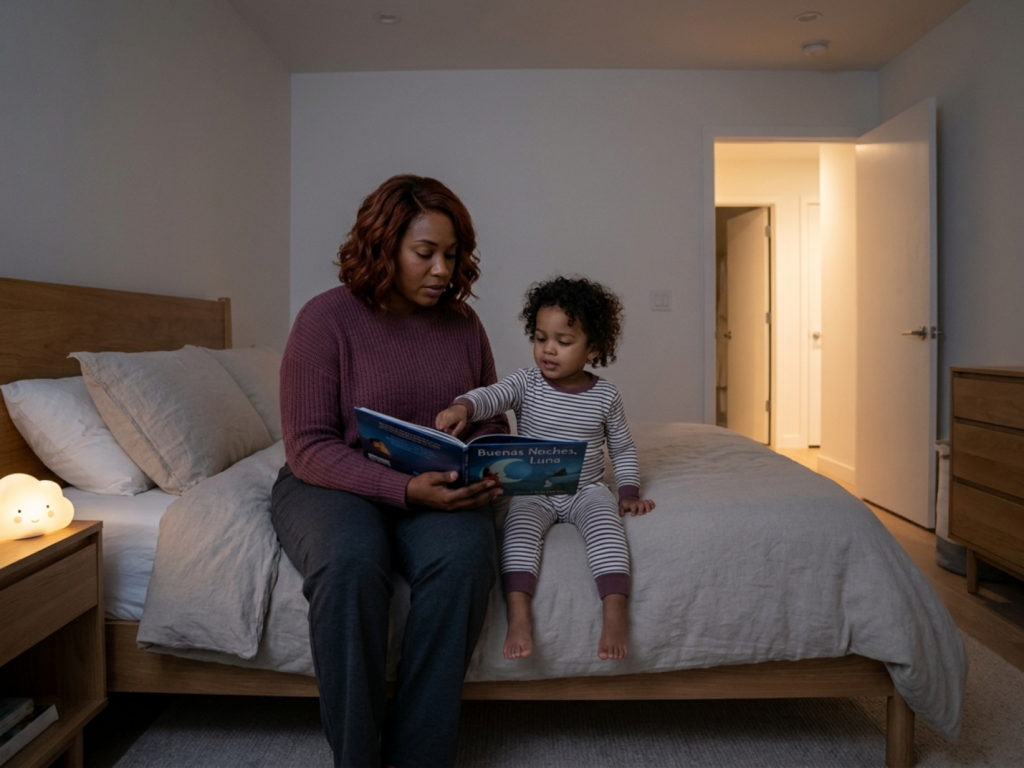
A stable routine is one of the strongest tools for improving sleep. The goal is to create a sequence that signals to the nervous system that the day is ending. For many children, a 20 to 45 minute routine works well: dim lights, wash up, pajamas, brushing teeth, a book or quiet song, then bed. The order should be the same most nights.
Try to keep the bedtime itself steady, even on weekends if possible. A schedule that shifts widely from night to night can disturb the circadian rhythm, the body’s internal timing system. If bedtime is currently much later than desired, move it earlier gradually rather than all at once.
Screen use before bed is a common obstacle. Bright light and stimulating content can delay sleep onset, so it is sensible to reduce screens in the hour before bedtime when possible. The bedroom should also be sleep-friendly: cool, quiet, and dim. For some children, a night light or comfort object is reasonable, especially if fear of the dark is part of the problem. The point is not perfection; it is consistency.
How to respond to bedtime resistance and night waking
When a child asks for one more story, one more drink, or one more trip to the bathroom, it can be tempting to negotiate endlessly. Unfortunately, repeated exceptions can teach the child that persistence pays off. A more effective approach is calm, brief, and predictable follow-through.
If the child gets up after being put to bed, return them to bed with minimal conversation. Keep the response boring and neutral. Long explanations, frustration, or large emotional reactions can accidentally reinforce the behavior. For younger children, a brief check-in every few minutes may help. For older children, a clear statement such as, “It is time for sleep now. I will check on you in a few minutes,” can be enough.
For repeated night waking, try to respond in a way that does not create a new sleep requirement, such as needing a parent present for the child to return to sleep every time. Some families use gradual withdrawal: first staying near the bed, then moving farther away over several nights as the child settles more independently. These approaches can be especially helpful when the main issue is sleep association, meaning the child has learned to link sleep with a specific parent action or object.
School-age children with night waking may also benefit from a brief reassurance plan that is the same every time. The key is consistency rather than intensity.
Look for sleep disruptors and medical clues
Not every sleep problem is behavioral. Pain, itching from eczema, reflux symptoms, constipation, asthma, allergic congestion, or a recent infection can all fragment sleep. If sleep difficulty began around illness symptoms, the cause may be temporary, but persistent symptoms deserve assessment. Children with restless legs syndrome or unusual leg discomfort may also have trouble settling.
Snoring deserves special attention. Occasional soft snoring in a congested child can happen, but loud habitual snoring, gasping, mouth breathing, or breathing pauses can suggest sleep-disordered breathing in children. That can interfere with restorative sleep and may lead to daytime impairment from poor sleep, including irritability, inattention, or morning headaches. This is a reason to seek medical review rather than only adjusting bedtime.
Other disruptors are easier to miss. Caffeine in soda, tea, energy drinks, or chocolate; long late naps; a highly stimulating evening; and inconsistent wake times can all make sleep harder. Anxiety can also show up at night, especially in children who worry about separation, darkness, school, or family stress. If a child is awake and distressed most nights, it may be useful to ask not only “How do we fix bedtime?” but also “What is the child trying to tell us?”
Make daytime habits support night sleep
Good sleep starts long before bedtime. Regular morning wake time, daytime physical activity, and exposure to natural light can help anchor the sleep-wake cycle. Meals should also be fairly regular, because hunger or late snacking can disrupt nighttime comfort. For younger children, naps need to be age-appropriate; a nap that is too long or too late in the day can reduce sleep pressure at night.
Some children have trouble because they are carrying too much arousal into the evening. In practical terms, that means the body is tired but the brain is still “on.” A calmer late afternoon and evening can help: less racing around, fewer stimulating screens, and a wind-down routine that begins before the child is overtired. If the child is anxious, brief daytime conversation about worries is often more useful than trying to solve them at bedtime.
Parents sometimes feel they need to make every night a battle-free experience. In reality, the goal is not a perfect bedtime but a repeatable one. The more the daytime and evening routines support sleep, the less likely the child is to rely on stress, negotiation, or parent presence to fall asleep.
When to seek professional help
Home strategies are reasonable first steps, but some situations need professional input. Contact a pediatric clinician if the problem lasts for several weeks despite a consistent routine, if the child is very sleepy during the day, if behavior or school performance is declining, or if the family is losing sleep to the point that safety or functioning is affected.
Seek assessment sooner if there is loud habitual snoring, breathing pauses, gasping, significant mouth breathing, pain, fever, weight loss, growth concerns, or unusual movements during sleep. Anxiety, depression, autism spectrum differences, ADHD, and other developmental or emotional concerns can also affect sleep, so the broader context matters. A clinician may ask about the child sleep diary, bedtime habits, daytime behavior, and symptoms that point toward a medical cause.
Sometimes the next step is reassurance and routine adjustment. Other times it is a referral to a sleep specialist, an ear-nose-throat clinician, or a mental health professional. That is not a sign of failure. It is simply a way to make sure the child gets the right help for the actual cause of the problem.
Seek medical review promptly if you notice
- Loud habitual snoring, gasping, or breathing pauses during sleep.
- Marked daytime sleepiness, irritability, or worsening school or behavior problems.
- Pain, fever, weight loss, growth concerns, or persistent illness symptoms.
- A child who is hard to wake, difficult to arouse, or unsafe because of extreme fatigue.
Tools & Assistance
- A one-to-two week child sleep diary
- A consistent bedtime routine chart
- A pediatrician or family doctor visit
- Referral to a pediatric sleep specialist if needed
- Support from a child mental health professional when anxiety is part of the pattern
FAQ
How long should I try home changes before asking for help?
If a steady routine and bedtime adjustments do not help after a few weeks, or if the child is getting worse, speak with a pediatric clinician.
Is a night light okay?
Yes, if darkness is part of the problem and the light is dim enough to avoid making sleep harder.
Should I stay with my child until they fall asleep?
Sometimes a gradual transition is helpful, but repeated dependence on a parent to fall asleep can maintain the problem. A clinician can help you plan a stepwise approach.
When is snoring a concern?
Loud habitual snoring, gasping, mouth breathing, or breathing pauses should be discussed with a clinician.
Sources
- Mayo Clinic — Child sleep: Put preschool bedtime problems to rest
- NHS — Sleep and young children
- MedlinePlus — Child sleep: why it matters and how to help
Disclaimer
This article is for general information only and does not replace individualized medical advice. If a child has persistent sleep problems or concerning symptoms, please consult a qualified healthcare professional.


















Please log in to leave a comment.