

Intro
Daily baby care involves a predictable cycle of feeding, diapering, sleeping, hygiene, clothing changes, soothing, and observation. The right supplies do not need to be elaborate. A compact, well-organized set of safe essentials can reduce unnecessary handling, support responsive care, and make routine tasks more manageable during the early months.
Every family will adapt its supplies to the baby's age, feeding method, climate, home layout, and advice from healthcare professionals. Newborns, premature infants, and babies with medical conditions may have additional requirements. Use this guide as a practical starting point rather than a substitute for individualized clinical guidance.
Highlights
The daily essentials are supplies for feeding, diapering, sleep, clothing, hygiene, and safe transport.
Choose simple, baby-safe products that are easy to clean and readily available during routine care.
Safe sleep equipment and correct positioning matter more than decorative nursery accessories.
A prepared changing and feeding station can make frequent care tasks less stressful for caregivers.
Contact a healthcare professional promptly when a baby has concerning feeding, breathing, temperature, hydration, or skin changes.
Start with the daily care cycle
Most baby supplies support a small number of recurring activities: feeding, diaper changes, sleep, dressing, cleaning, and comforting. Thinking in terms of these activities is more useful than purchasing every product marketed for newborns. A baby may need many diaper changes each day, frequent feeds, several burp cloths, and repeated clothing changes because of milk, urine, stool, or spit-up. Supplies should therefore be easy to reach, simple to wash, and available in more than one location if the home has multiple care areas.
Begin with a primary station near the baby’s usual sleeping area and add a smaller portable kit for other rooms or outings. Keep frequently used items at adult waist height or within easy reach, but never place the baby on an elevated surface unattended. A changing table, bed, sofa, or countertop can become dangerous within seconds if a baby rolls or pushes against a nearby object. Place one hand on the baby whenever the baby is on a raised surface, and move the baby to a safe floor-level location if you need to retrieve something.
Routine caregiving also provides opportunities to notice feeding cues, urine and stool patterns, skin condition, alertness, and comfort. A simple feeding and diaper log may be useful during the newborn period or when recommended by a clinician, but it should support observation rather than create anxiety. Ask the baby’s healthcare professional what patterns are expected for that individual baby, particularly after birth, during illness, or after changes in feeding.
Diapering and skin care supplies
A basic diapering kit includes diapers in the appropriate size, unscented wipes or clean water with soft cotton or cloth, disposable bags or a lidded diaper bin, and several absorbent changing pads. Some families use cloth diapers, which require a washing system and a reliable supply of clean inserts or covers. Regardless of diaper type, change the diaper promptly after stool and regularly when wet to help limit prolonged exposure to moisture and irritants.
A small supply of barrier cream containing an appropriate protective ingredient can be useful when the diaper area is exposed to moisture or friction. Apply products according to the label and recommendations from a healthcare professional. Avoid fragranced products if the baby’s skin is sensitive, and do not use medicated creams, powders, essential oils, or antiseptics on an infant’s skin unless a clinician has advised you to do so. Talcum powder is not recommended because inhaled particles can harm the lungs.
Keep clean diapers, wipes, a spare change of clothing, and a hand-cleaning option together. Wash your hands before and after diaper changes when possible, especially after contact with stool. Clean the changing surface regularly, and launder reusable cloths and towels with appropriate detergent. If the baby develops persistent erythema, erosions, blisters, bleeding, rapidly spreading redness, fever, or significant discomfort, seek medical advice rather than repeatedly changing products at home.
For newborns, soft, absorbent cloths are particularly valuable. Burp cloths can protect clothing during feeds, while washable towels can support ordinary cleaning and drying. Choose materials that can be washed frequently and avoid loose items around a sleeping baby.
Feeding and burping equipment
Feeding supplies depend on whether the baby receives breast milk, expressed milk, infant formula, or a combination. Breastfeeding may require nursing bras or tops, absorbent breast pads, burp cloths, and a breast pump if expressing milk is part of the feeding plan. Pumping supplies should include correctly sized breast shields, clean collection containers, and a method for labeling and storing milk according to current clinical or public-health guidance. A lactation professional can help with pain, latch concerns, milk transfer questions, or pumping difficulties.
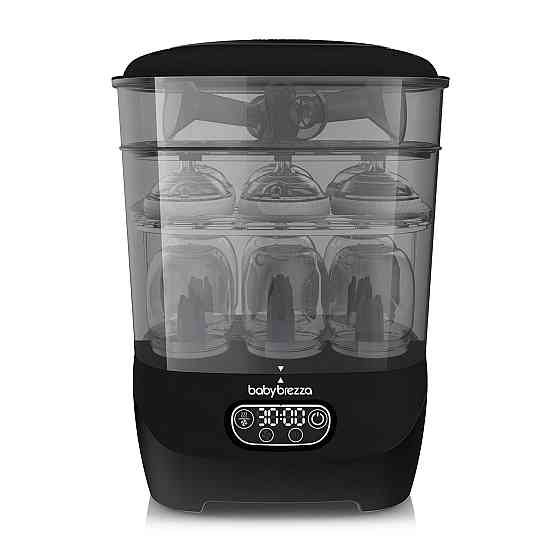
For expressed milk or formula feeding, useful items may include bottles, nipples with an age-appropriate flow, bottle-cleaning brushes, and a safe method for sterilizing equipment when recommended. Prepare formula exactly according to the product instructions and local healthcare guidance. Do not dilute formula, add cereal, or modify feeds without professional advice. Prepared feeds require careful handling, and leftover milk from a feed should not be saved casually because bacteria can multiply after contact with the baby’s mouth.
Keep a clean cloth or bib available for every feed, but avoid clothing or accessories that could obstruct breathing. Feeding should take place with the caregiver awake and able to observe the baby. Hold the baby in a supported position, watch for coughing or distress, and pause when the baby shows satiety cues. Never prop a bottle or leave a baby alone with a bottle. Breastfeeding, bottle feeding, and combination feeding can all require practical support, so discuss nutrition, growth, and hydration with the baby’s clinician.
A thermometer may be useful for monitoring temperature when illness is suspected, but parents should follow age-specific advice about measurement technique and when to seek care. Do not give water, supplements, or medication to a young infant unless directed by a healthcare professional.
Clothing, warmth, and personal hygiene
Newborn clothing should be soft, washable, and easy to open for diaper changes. Useful basics include short- or long-sleeved bodysuits, sleepsuits, socks or booties when appropriate, lightweight layers, and weather-appropriate outerwear for transport. Select several changes because spit-up and diaper leakage are common. Garments with snaps or wide openings can reduce the need to pull clothing over a newborn’s head.
Infants have limited thermoregulation, so caregivers need to balance protection from cold with prevention of overheating. In general, layers should be adjusted to the environment and the baby’s body temperature rather than relying on thick clothing. Check the baby’s chest or back rather than using cold hands or feet alone as a guide; hands and feet can feel cool even when the baby’s core temperature is adequate. Remove hats indoors unless a clinician has specifically recommended one, and do not use weighted sleepwear or loose blankets.
For bathing and ordinary hygiene, prepare a baby bathtub or another safe bathing setup, mild fragrance-free cleanser if needed, two or more soft washcloths, a hooded or regular towel, and clean clothes. Water should be comfortably warm, not hot, and the caregiver should test it before bathing. Keep all supplies within reach before placing the baby in the water. Never leave a baby alone in a bath, even briefly and even if a bath seat or another support is being used. A sponge bath may be appropriate before the umbilical cord area has healed, depending on local clinical advice.
Keep nail care tools designed for infants, such as a small file, available if needed. Avoid inserting cotton swabs or other objects into the ear canal or nose. Routine cleaning generally needs only gentle external care. Seek guidance for persistent eye discharge, unusual skin lesions, umbilical drainage, or concerns about wound healing.
Safe sleep and rest
Sleep equipment should be selected around safety rather than convenience or appearance. Prepare a firm, flat, separate sleep surface designed for infants, such as a crib, bassinet, or portable cot that meets applicable safety standards. The sleep area should have a fitted sheet only, with no pillows, quilts, bumpers, stuffed toys, positioners, or loose bedding. A wearable blanket or other appropriate sleep garment may reduce the need for loose covers, but it should fit correctly and allow free movement of the hips.
Place the baby on the back for every sleep unless a healthcare professional has given specific alternative instructions. Keep the sleep surface in the caregiver’s room when possible, while avoiding sleep on sofas, armchairs, or adult beds. Car seats, swings, and inclined products are not substitutes for a routine sleep surface. If the baby falls asleep in a sitting or inclined device, move the baby to a firm, flat sleep surface as soon as practical while maintaining safe handling.
Do not use products marketed to prevent sudden infant death, restrict movement, or elevate the mattress unless directed by a qualified clinician. Avoid overheating and exposure to tobacco smoke. If swaddling is used, it must allow hip movement, remain secure without covering the face, and stop when the baby shows signs of attempting to roll. Ask a pediatric healthcare professional about safe sleep practices for infants, particularly if the baby was premature or has respiratory, neurologic, or cardiac concerns.
The portable daily-care bag
A portable bag can contain a few diapers, unscented wipes or a small supply of clean water and cloths, a changing pad, barrier cream if routinely used, two spare outfits, burp cloths, a bib, and a lightweight blanket for holding or warmth during transport. Include feeding equipment that matches the baby’s feeding plan, such as expressed milk containers, bottles, or pumping supplies. Pack only what can be carried and cleaned reliably; an overfilled bag is harder to organize and increases the chance that clean and used items will mix.
For longer outings, add hand sanitizer for situations when soap and water are unavailable, while remembering that soap and water are preferred when hands are visibly dirty. Bring a small sealable bag for soiled clothing and a separate area for used feeding equipment. Keep emergency contact information and the baby’s healthcare details accessible, including allergies or diagnosed conditions if applicable. A caregiver may also need a phone charger, water, a snack, and personal medication, because safe infant care depends on the adult remaining hydrated, alert, and able to respond.
Transport equipment should be used according to the manufacturer’s instructions. A rear-facing infant car seat should be installed correctly before the first trip, and bulky coats should not be worn under the harness. For local advice about installation, contact an appropriately trained child passenger safety service. When using a stroller, carrier, or sling, keep the baby’s airway visible and unobstructed, maintain an appropriate position, and check the baby frequently.
Review the bag every few days. Replace outgrown diapers, restock wipes and clothing, remove expired or contaminated items, and wash reusable pieces. Organizing supplies around actual routines helps the kit remain useful as the baby grows and feeding, sleep, and mobility patterns change.
When to seek prompt medical advice
- Seek urgent care for breathing difficulty, blue or gray coloration, unresponsiveness, or a seizure.
- Contact a healthcare professional promptly about a young infant with a fever or an unexpectedly low temperature, using local age-specific guidance.
- Seek advice for markedly reduced feeding, repeated vomiting, signs of dehydration, or substantially fewer wet diapers than expected.
- Arrange medical assessment for rapidly spreading redness, swelling, pus, blisters, significant bleeding, or a painful diaper-area eruption.
- Never leave a baby alone on a raised surface, in a bath, or with a bottle.
Tools & Assistance
- Create one labeled diaper station and one small portable care kit.
- Keep a simple feeding and diaper log when recommended by the baby's healthcare professional.
- Use a thermometer according to the instructions and ask which measurement method is appropriate for the baby's age.
- Contact a pediatric clinician, midwife, lactation consultant, pharmacist, or child passenger safety service for specialized guidance.
- Review product recalls and manufacturer safety instructions for cribs, car seats, carriers, and feeding equipment.
FAQ
How many outfits should I have ready for daily baby care?
Keep several easy-to-change outfits available because newborns may need multiple changes from spit-up, stool, or urine. The exact number depends on laundry frequency, climate, and whether the baby has reflux or other care needs.
Do I need every product marketed as a newborn essential?
No. Start with supplies that support feeding, diapering, safe sleep, clothing, hygiene, and transport. Add products only when they solve a specific care need and can be used safely.
What should I use for a baby's sensitive skin?
Use gentle, fragrance-free products sparingly and stop any product that appears to irritate the skin. Persistent or severe irritation should be discussed with a healthcare professional before using medicated treatments.
Can a baby sleep in a car seat or swing at home?
These devices are intended for transport or supervised use, not as routine sleep surfaces. Move a sleeping baby to a firm, flat, separate infant sleep surface as soon as practical.
What feeding equipment is necessary for breastfeeding?
Many breastfeeding families need only burp cloths and convenient clothing at first. A pump, breast pads, milk-storage containers, or bottles may be useful depending on individual feeding goals and clinical circumstances.
Sources
- NHS — What to buy for your newborn baby - Best Start in Life
- MedlinePlus — Baby supplies you need: MedlinePlus Medical Encyclopedia
- MedlinePlus — Infant and Newborn Care
Disclaimer
This article provides general educational information and does not diagnose, treat, or replace advice from a qualified healthcare professional. Seek individualized guidance for your baby's feeding, sleep, skin, temperature, or medical needs.














Please log in to leave a comment.