
Intro
Travel can disrupt an infant's sleep through unfamiliar surroundings, altered feeding times, changes in light exposure, transportation noise, and missed naps. It is understandable to feel concerned when a baby who usually sleeps predictably suddenly wakes more often or naps in unusual places. A flexible plan can protect safety while allowing realistic adjustment.
The central principle is to separate sleep quality from sleep safety. Your baby may sleep less smoothly during a journey, but every sleep should still occur on a firm, flat, separate surface that is appropriate for the baby's age and development. The following guidance focuses on preparation, transportation, accommodation, routines, and knowing when to seek professional advice.
Highlights
A firm, flat, separate sleep surface is the priority for every nap and nighttime sleep.
Familiar bedtime cues can support settling even when the location, schedule, or time zone changes.
Car seats and other sitting devices are for travel, not routine sleep once you arrive.
Room-sharing can support observation while avoiding bed-sharing and soft-surface hazards.
A disrupted schedule is common during travel; safety and adequate feeding matter more than perfection.
Start with a safe sleep plan
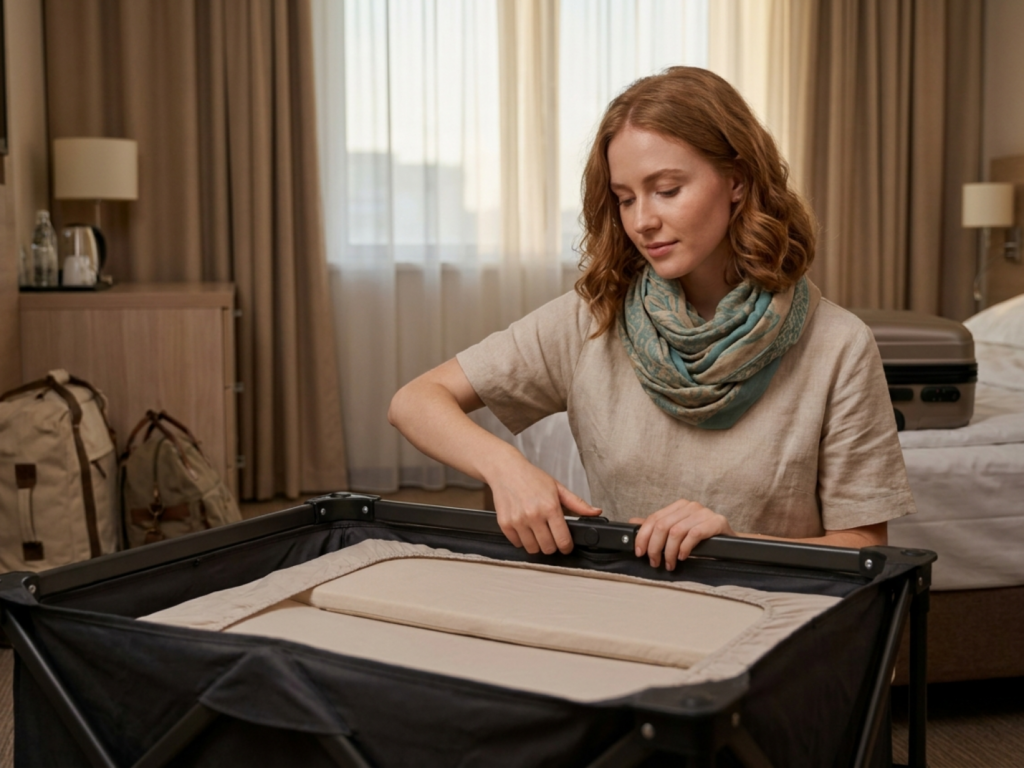
Before traveling, decide where your baby will sleep at each destination and during each overnight stop. The safest arrangement is a dedicated infant sleep space with a firm, flat mattress and a fitted sheet designed for that product. Keep the sleep area free of pillows, loose blankets, bumper pads, stuffed animals, wedges, and positioners. These items can obstruct breathing or contribute to overheating and entrapment.
Plan for room-sharing without bed-sharing whenever possible. Keeping the baby in the same room as a caregiver makes observation and nighttime feeding more practical, while a separate sleep surface reduces exposure to adult bedding, gaps, and accidental overlay. Do not assume that a sofa, armchair, adult bed, or improvised floor nest is an equivalent substitute.
Review the equipment instructions before departure. A portable crib or bassinet should be used only within its stated weight, developmental, and age limits. Pack the manufacturer’s mattress and fitted sheet rather than adding a thicker or softer mattress. If the product has folding sides, locks, or support bars, learn how to verify that each component is fully engaged.
It is also useful to identify a backup location before you travel. Delayed check-in, a damaged crib, or an unexpectedly crowded room can make tired caregivers more likely to improvise. A written plan helps both caregivers make the same safety decisions when everyone is sleep-deprived.
Prepare and inspect travel sleep equipment
Inspect sleep equipment at home several days before departure. Look for torn fabric, broken fasteners, missing parts, unstable legs, recalled products, and gaps between the mattress and the frame. Assemble the equipment exactly as directed and test its stability on a level surface. Portable cribs should not wobble, collapse, or remain partly folded during use.
Do not modify the sleep space with aftermarket accessories unless the manufacturer specifically states that they are compatible and safe. Hanging toys, crib tents, sleep positioners, and padded inserts may create hazards even when they appear convenient. A familiar sleep sack may be preferable to loose bedding, but it should fit correctly around the neck and arm openings and should not restrict hip movement.
At a hotel or rental property, ask in advance about hotel crib availability, the product type, and whether the crib will be placed in the room before arrival. On inspection, confirm that it is intact, clean, fully locked, and supplied with an appropriate firm mattress and fitted sheet. Hotel staff may not know the product’s history, so do not use it if it is damaged, recalled, missing parts, or visibly unstable.
Room temperature deserves attention because travel rooms may be unusually warm or cold. Dress the baby in light, appropriate layers and assess the chest or back rather than relying only on hands and feet, which can feel cool normally. Avoid hats indoors during sleep unless a clinician has given specific advice. Never use heating pads, hot-water bottles, electric blankets, or direct space-heater airflow near the sleep area.
Manage sleep during transportation
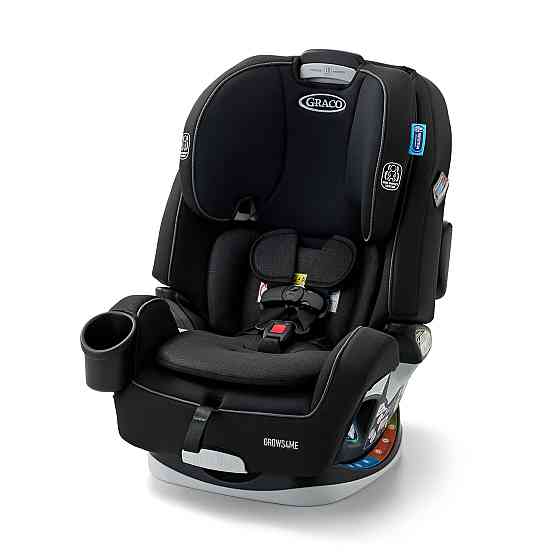
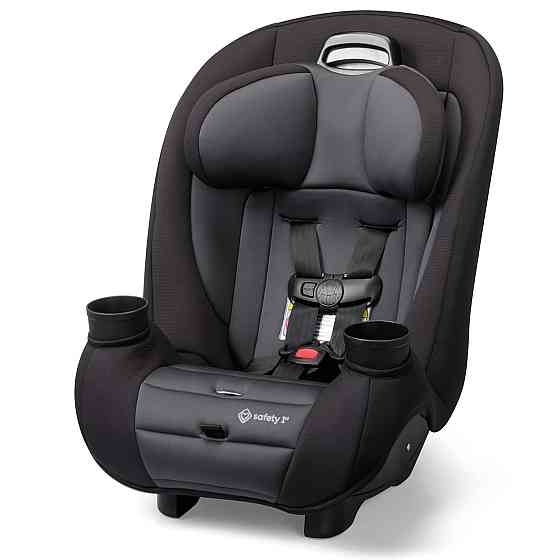
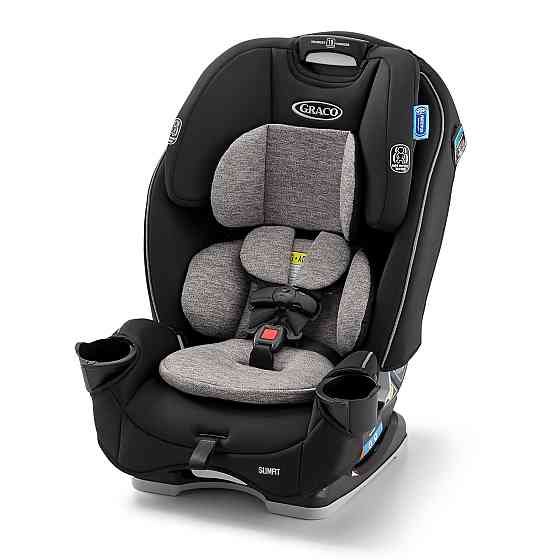
Transportation often requires compromise, particularly when a nap occurs in a car seat, stroller, or carrier. Use a correctly installed, rear-facing car seat for every car journey and follow the seat manufacturer’s instructions for harness positioning and recline. A car seat protects a baby during travel, but it is not intended to replace a crib or bassinet for routine sleep after reaching the destination.
When you arrive, move the baby to a firm, flat, separate sleep surface as soon as reasonably possible. Do not place the car seat on a bed, sofa, countertop, or other elevated surface. During long drives, plan regular stops so the caregiver can check the baby’s position, temperature, and breathing. An adult should monitor the baby rather than relying on a phone or consumer monitor.
For air or rail travel, identify where the baby can sleep safely during the journey and ask the carrier about current policies for bassinets or approved restraint systems. If the baby sleeps in your arms during a short portion of the trip, remain awake and attentive; do not settle into an armchair or bed while holding the baby if you might fall asleep. Feeding, burping, and diaper changes can be timed around boarding and stops, but rigid scheduling is rarely realistic.
Caregiver coordination is especially important in transit. State clearly who is responsible for checking the harness, who is watching the baby during a nap, and who will move the baby to the proper sleep space. Clear handoffs reduce the risk that everyone assumes someone else is monitoring the situation.
Protect familiar sleep cues
Infants often settle more easily when a few low-stimulation cues remain consistent. Bring a familiar sleep sack, use the same brief song or phrase, and repeat a simple sequence such as feeding, diapering, dimming lights, and placing the baby down. These cues do not need to reproduce the entire home routine. Their value is predictability, not perfection.
Try to begin a travel day with a reasonably rested baby when circumstances permit. Leaving after an age-appropriate nap or allowing extra recovery time before departure may reduce the effects of overtiredness. At the same time, do not postpone essential travel or keep a baby awake intentionally to force sleep later. Excessive wakefulness can make settling harder and can increase caregiver stress.
During naps, use ordinary environmental signals thoughtfully. Daylight and normal daytime activity can help distinguish day from night, while dim light and quiet voices may support nighttime settling. Avoid turning every wake-up into an extended stimulating interaction. If your baby needs feeding, comfort, or a diaper change, respond normally and return to the sleep routine when practical.
White noise may be useful for masking unfamiliar sounds if it is used safely, kept at a low volume, positioned away from the sleep space, and operated according to the device instructions. It should not be used to conceal breathing difficulty or replace supervision. Avoid loose sound machines, cords, or devices placed inside the crib.
Handle time zones and schedule disruption
Short trips may not require a major schedule adjustment. For longer journeys across time zones, shift bedtime and naps gradually when feasible, or adapt to local time after arrival. Babies vary in how quickly their circadian rhythm adjusts, and younger infants may have less predictable sleep-wake patterns. Focus on consistent safety practices rather than trying to control every sleep interval.
Morning light and daytime activity can provide useful circadian cues after arrival, while a darker, calmer environment can support nighttime sleep. Keep feeding and hydration needs central to the plan. A baby who is feeding less, vomiting, having diarrhea, or producing fewer wet diapers may need medical assessment rather than a sleep-schedule intervention.
Plan for a recovery period. A late bedtime, brief naps, and more frequent waking may occur for several nights. Offer additional opportunities for rest without resorting to unsafe sleep locations. Contact naps can be emotionally reassuring, but the caregiver must remain awake and attentive, and the baby should be transferred to a safe sleep surface if the adult becomes drowsy.
When caregivers disagree about an exhausted baby’s sleep location, use a prearranged safety rule: the baby sleeps only in the designated crib, bassinet, or other approved surface. A flexible routine can be rebuilt; an unsafe sleep environment should not be treated as an acceptable travel shortcut.
Make the unfamiliar room safer
Before bedtime, perform a short room safety scan at the baby’s eye level. Check the crib location, mattress fit, nearby cords, blind strings, lamps, small objects, plastic packaging, accessible medications, and furniture that could tip. Keep the sleep space away from windows, drapes, heaters, fans, and direct drafts. Never leave the baby unattended on an adult bed, changing table, or elevated luggage surface.
Keep the crib clear even if the baby normally sleeps with comfort objects at home. Remove hotel-provided blankets, decorative pillows, toys, and sleep aids from the crib. If a swaddled baby shows signs of rolling, stop swaddling and use an appropriate wearable layer instead. Weighted swaddles and weighted sleep products should not be used unless a qualified clinician has specifically addressed an individual medical situation.
Travel may expose a baby to smoke, vaping aerosols, strong fragrances, infectious illness, or extreme temperatures. Choose a smoke-free room and ask visitors to wash their hands before handling the baby. Caregivers who are impaired by alcohol, sedating medication, or severe sleep deprivation should not be the sole person responsible for the baby’s sleep or nighttime monitoring.
If the room cannot accommodate a safe sleep space, contact the accommodation provider or a healthcare professional for a safer plan. Do not rely on consumer breathing monitors to make an unsafe setup safe. These devices do not replace supervision, appropriate equipment, or emergency care.
Know when to seek medical help
Most travel-related sleep disruption is temporary, but sleep concerns should be considered alongside the baby’s overall condition. Seek urgent medical care for difficulty breathing, blue or gray coloration, unresponsiveness, a seizure, severe lethargy, or a baby who cannot be awakened normally. Follow local emergency procedures if any of these occur.
Contact a clinician promptly if the baby has persistent vomiting or diarrhea, signs of dehydration, markedly fewer wet diapers, poor feeding, fever in an age group for which fever requires assessment, unusual irritability, or a significant change in responsiveness. The exact fever threshold and urgency depend on age, medical history, and local guidance, so ask the baby’s clinician before travel what to do and where to seek care.
Families traveling with premature infants or babies with cardiopulmonary disease, neurologic conditions, airway problems, growth concerns, or prescribed medical equipment should obtain individualized advice before departure. Ask about transport restrictions, feeding intervals, medication timing, oxygen or monitoring needs, and the location of appropriate medical services at the destination.
Before leaving, carry a current medication list, relevant medical records, emergency contacts, insurance information, and the baby’s clinician’s advice. A practical plan reduces uncertainty and helps caregivers distinguish ordinary adjustment from a situation requiring assessment.
Safety reminders
- Never use an adult bed, sofa, armchair, or improvised nest as the baby's routine sleep surface.
- Move a sleeping baby from a car seat, stroller, or carrier to a firm, flat sleep surface when you arrive.
- Keep pillows, loose blankets, stuffed animals, bumpers, positioners, and cords out of the sleep area.
- Do not use damaged, unstable, recalled, or improperly assembled travel sleep equipment.
- Seek urgent care for breathing difficulty, blue or gray color, unresponsiveness, or severe lethargy.
Tools & Assistance
- Manufacturer instructions and product-recall database
- Accommodation provider or hotel front desk
- Baby's pediatrician or primary healthcare clinician
- Local emergency services and destination medical facility
- Written feeding, medication, and emergency-contact plan
FAQ
Can my baby sleep in a car seat after we arrive?
A car seat is designed for travel protection, not routine sleep. Once you arrive, move the baby to a firm, flat, separate sleep surface as soon as reasonably possible, following the seat and sleep-product instructions.
Should I bring a portable crib on every trip?
Bring or arrange an age-appropriate sleep space that you can verify as intact, stable, and correctly assembled. A portable crib can be practical, but it must be used with its original mattress and fitted sheet and within its stated limits.
How can I help my baby sleep in a new time zone?
Use daylight and daytime activity as circadian cues, keep nighttime conditions calm and dim, and repeat familiar bedtime steps. Allow several days for adjustment and prioritize feeding, hydration, and safe sleep over a precise schedule.
Is room-sharing safer than sleeping in a separate hotel room?
Room-sharing allows caregivers to remain close while the baby uses a separate sleep surface. It avoids the added hazards of bed-sharing and may make feeding and observation easier.
What if my baby only settles while being held?
Comfort the baby while staying awake and alert. If you become drowsy, place the baby in the designated safe sleep space. Persistent feeding, breathing, or responsiveness concerns warrant medical advice rather than a sleep-training adjustment.
Sources
- Overlake Medical Center & Clinics — Safe Sleep While Traveling with Your Baby
- Premier Health — 10 Tips For Baby's Safe Sleep On the Road
- Taking Cara Babies — My Top 5 Sleep Tips for Traveling With a Baby
Disclaimer
This article provides general educational information and does not diagnose, treat, or replace advice from your baby's healthcare professional. Seek individualized medical guidance for infants with medical conditions or concerning symptoms.











Please log in to leave a comment.