
Intro
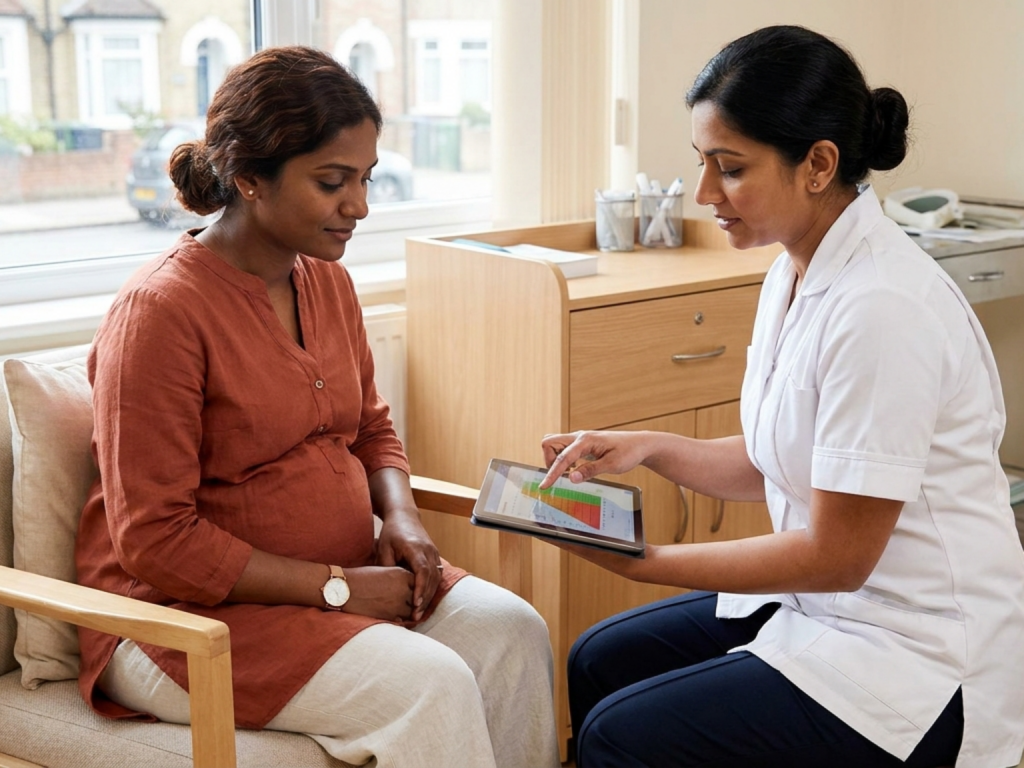
Pregnancy often comes with a flood of advice, and one of the most persistent messages is that rest is always required. The idea is usually well meant: people want to protect the pregnant person and the baby. But as a blanket rule, it can be misleading, and sometimes it can increase fear, guilt, or unnecessary inactivity.
Rest can be medically important in some situations, and recovery is a real physiologic need. At the same time, pregnancy is not automatically a state of fragility. For many people, the healthier goal is a thoughtful balance of movement, recovery, sleep, hydration, nutrition, work demands, and medical guidance.
Highlights
Rest is not the same as complete inactivity. Recovery may include sleep, reduced intensity, posture changes, hydration, or gentle movement when clinically appropriate.
Most uncomplicated pregnancies do not require default bed rest. Activity decisions should be individualized by a qualified maternity care professional.
The body adapts to physical effort through repair and recovery, but excessive sedentary time can also have downsides.
Warning symptoms, pregnancy complications, and specific medical diagnoses can change what level of rest is appropriate.
Why the myth persists
The myth that rest is always required in pregnancy persists because it contains a partial truth. Pregnancy is metabolically demanding. Blood volume expands, cardiac output rises, respiratory physiology changes, joints and connective tissues become more compliant, and sleep can be disrupted. Many pregnant people also experience nausea, pelvic discomfort, urinary frequency, anemia, back pain, or profound fatigue. In that context, being told to slow down may feel reasonable and compassionate.
The problem begins when rest is treated as a universal prescription rather than a response to a specific need. Pregnancy is not one uniform medical condition. A person with an uncomplicated singleton pregnancy, stable blood pressure, no bleeding, and good functional capacity is in a different situation from someone with severe preeclampsia, placenta previa with bleeding, cervical insufficiency, threatened preterm labor, significant cardiac disease, or another high-risk condition. The same advice cannot responsibly fit both people.
There is also a cultural layer. Pregnant people are often judged harshly in both directions: too active, too sedentary, too cautious, or not cautious enough. This can create a cycle of self-monitoring and guilt. A more medically useful question is not “Should I rest all the time?” but “What kind of recovery or activity modification fits my symptoms, my pregnancy, and my clinician’s assessment?”
Rest, recovery, and bed rest are different concepts
Rest is a broad word. It may mean sleeping, sitting with the feet elevated, taking microbreaks at work, reducing exercise intensity, avoiding heavy lifting, pausing after contractions, or stepping away from a stressful environment. Recovery is also an active physiologic process. After exertion, the body repairs tissue, restores energy stores, recalibrates the nervous system, and adapts to the physical load. That is not the same as doing nothing indefinitely.
Exercise science distinguishes between recovery and complete immobilization. Recovery can include passive rest, but it can also include active recovery, such as gentle walking, mobility work, or lower-intensity activity, depending on the person and the clinical situation. In pregnancy, that distinction matters. A person may need more frequent breaks or lower-impact prenatal alternatives without needing strict bed rest.
Strict bed rest is a much narrower intervention. It usually implies substantial restriction of normal movement, sometimes including staying in bed for most of the day. Because prolonged inactivity can affect muscle conditioning, circulation, mood, sleep quality, and independence, it should not be assumed casually. If a clinician recommends significant activity restriction, it is reasonable to ask what exact activities are restricted, what symptoms should trigger urgent care, how long the restriction is expected to last, and how risks from inactivity will be monitored.
Movement is usually part of a healthy pregnancy plan
For many pregnant people, regular physical activity supports cardiovascular fitness, glucose metabolism, musculoskeletal comfort, sleep, mood regulation, and functional stamina for labor and postpartum recovery. International public health guidance emphasizes that physical activity is beneficial for health and that sedentary behavior should be limited. Pregnancy-specific recommendations must be individualized, but the broader principle is clear: complete inactivity is not the default health goal.
This does not mean every workout is appropriate. Pregnancy changes balance, heat tolerance, joint stability, and abdominal wall mechanics. Some people need to avoid high-fall-risk workouts in pregnancy, contact sports, overheating, high-altitude exertion without acclimatization, or exercises that worsen pain, dizziness, bleeding, contractions, or shortness of breath. Others may need modification because of pelvic girdle pain, anemia, hyperemesis, hypertension, fetal growth concerns, or prior obstetric history.
A useful framework is “dose and response.” The dose includes intensity, duration, frequency, type of movement, environmental heat, hydration status, and recovery time. The response includes symptoms during and after activity: pain, bleeding, fluid leakage, contractions, dizziness, chest discomfort, headache, swelling, fetal movement pattern after viability, and overall fatigue. A well-matched activity plan should leave room for both movement and recovery, not force a person to choose between constant exertion and constant rest.
When rest may be medically appropriate
There are situations where reducing activity is medically sensible and sometimes urgent. Vaginal bleeding, suspected rupture of membranes, regular painful contractions before term, severe abdominal pain, chest pain, syncope, severe headache, visual symptoms, sudden swelling, markedly reduced fetal movement after the stage when movement monitoring is relevant, or symptoms concerning for hypertensive disease require prompt clinical advice. In these contexts, “rest” should not be used as a substitute for assessment.
Clinicians may also recommend activity modification for specific diagnoses or risk patterns. Examples can include certain placental problems, threatened preterm labor, significant cervical shortening, severe anemia, cardiopulmonary disease, uncontrolled hypertension, severe fetal growth restriction, or recovery after a procedure. The details matter. One person may be advised to avoid intercourse and heavy lifting; another may need reduced working hours; another may need hospital monitoring. These are not interchangeable.
It is important to separate medical caution from self-blame. If a complication occurs, it is rarely helpful or accurate to assume it happened because the pregnant person did not rest enough. Early miscarriage, for example, is commonly related to chromosomal abnormalities, and ordinary daily activities are not usually the cause. Fear-based advice can intensify pregnancy loss self-blame and anxiety. Medical guidance should clarify risk without implying that the pregnant person can control every outcome through perfect behavior.
Fatigue deserves attention, not automatic immobilization
Fatigue in pregnancy can be normal, especially in the first trimester and late third trimester, but it should still be taken seriously. The response should be proportionate. Sometimes the answer is more sleep, better meal timing, hydration, treatment of nausea, iron evaluation, thyroid testing when indicated, mental health support, or adjustments to work-life balance in pregnancy. Sometimes the answer is simply permission to reduce nonessential demands.
Fatigue is not always a sign that all activity is unsafe. Deconditioning can make ordinary tasks feel harder, which can then encourage more inactivity and more fatigue. Gentle, clinically appropriate movement may help some people maintain stamina. Others may need temporary reduction in activity until symptoms are assessed. The difference cannot be judged by a slogan.
A practical way to communicate fatigue to a clinician is to describe function rather than only intensity. For example: “I can work for three hours, then I feel shaky and need to lie down,” or “Walking up one flight of stairs now causes palpitations,” or “I am sleeping nine hours but still cannot stay awake while driving.” These details help distinguish expected pregnancy tiredness from anemia, sleep apnea, depression, infection, cardiopulmonary symptoms, or other conditions that need evaluation.
Work, daily tasks, and microbreaks
Many pregnant people continue employment, caregiving, study, commuting, and household responsibilities. The question is often not whether to rest all day, but how to distribute load across the day. Microbreaks at work can be meaningful: changing posture, elevating feet briefly, drinking water, eating a snack, stretching the calves, using the bathroom without delay, or sitting between standing tasks. These small adjustments may reduce symptom escalation without requiring total withdrawal from normal life.
Occupational factors deserve specific attention. Long standing, heavy lifting, night shifts, heat exposure, limited bathroom access, high physical strain, chemical exposures, and high-stress environments may require an occupational health assessment for pregnancy. The safest plan depends on gestational age, job tasks, medical history, and local workplace protections. A clinician can often provide documentation for modified duties when there is a medical reason.
Rest also includes mental recovery. Pregnancy can amplify emotional strain, especially when people feel watched or judged. Perinatal mental health support may be appropriate when anxiety, low mood, intrusive fears, panic symptoms, trauma responses, or insomnia interfere with daily functioning. Emotional distress does not mean someone is weak, and it does not mean they must stop all activity. It means their care plan should include the psychological as well as the physical workload.
How to decide what level of rest fits
The safest approach is individualized and dynamic. Activity that was comfortable at 18 weeks may not feel right at 32 weeks. A plan after a bleeding episode may differ from a plan after symptoms resolve and evaluation is reassuring. Rather than asking whether rest is “always” required, ask more precise questions:
- What activities are safe for my current pregnancy status?
- Are there any activities I should avoid completely, such as heavy lifting, high-impact exercise, travel, intercourse, or prolonged standing?
- Do I need pelvic rest, exercise modification, reduced work hours, or only symptom-guided breaks?
- What warning signs should prompt urgent evaluation rather than home rest?
- How can I prevent deconditioning if I need temporary activity restriction?
It is also reasonable to ask for a written plan when advice is vague. “Take it easy” can mean very different things to different people. Clear instructions reduce anxiety and help families, employers, and caregivers support the pregnant person appropriately.
Seek medical advice promptly
- Do not use rest at home as a substitute for evaluation if you have bleeding, fluid leakage, severe pain, fainting, chest pain, or regular contractions before term.
- Call your maternity care team urgently for severe headache, visual symptoms, sudden swelling, or symptoms concerning for high blood pressure.
- After fetal movement monitoring becomes relevant, report a marked reduction in fetal movement according to your clinician's instructions.
- Ask for specific activity guidance if you have placenta, cervix, blood pressure, heart, lung, or preterm labor concerns.
- Do not start or stop prescribed activity restriction without discussing it with your healthcare professional.
Tools & Assistance
- Pregnancy activity and symptom diary to track exertion, rest, and warning signs
- Prenatal clinician visit or telehealth appointment for individualized activity guidance
- Occupational health assessment for pregnancy if work tasks are physically demanding or hazardous
- Perinatal physiotherapy for pelvic, back, or exercise-modification concerns
- Perinatal mental health support if fear or guilt is driving avoidance of normal activity
FAQ
Does pregnancy mean I should rest more than usual?
Often, yes, in the sense that recovery, sleep, and breaks may need more priority. But that does not mean complete inactivity is automatically required.
Is bed rest the same as taking it easy?
No. Bed rest usually implies major restriction of movement, while taking it easy may mean reducing intensity, avoiding specific tasks, or adding breaks.
Can gentle exercise be safe in pregnancy?
For many uncomplicated pregnancies, appropriate movement can be beneficial. The safest type and intensity depend on your health, symptoms, gestational age, and clinician guidance.
What if my family insists I should stop working and stay in bed?
Family concern is understandable, but medical advice should be specific to your pregnancy. Ask your clinician to clarify what activities are safe and whether work modifications are needed.
Should I rest if I feel contractions after activity?
Pause activity, hydrate if appropriate, and follow your clinician's instructions. Regular, painful, persistent, or preterm contractions should be discussed promptly with your maternity care team.
Sources
- MedlinePlus — Recovery and Rest from Exercise
- World Health Organization — Get the facts: Exercise and physical activity
- PubMed Central / National Library of Medicine — Recovery and the body's response to exercise
Disclaimer
This article is for general medical information only and does not diagnose, prescribe, or replace care from a qualified healthcare professional. Always follow advice from your maternity care team for your own pregnancy.

















Please log in to leave a comment.