
Intro
Preparing for pregnancy does not require a perfect diet or a restrictive fertility plan. A balanced, nutrient-dense eating pattern can help establish adequate stores of key nutrients and support overall health before conception. The most useful approach is to build consistent meals around vegetables, fruits, whole grains, protein foods, dairy or fortified alternatives, and unsaturated fats.
Highlights
Prioritize dietary variety rather than relying on a single so-called fertility food.
Include folate, iron, choline, iodine, protein, calcium, and healthy fats through meals and a clinician-recommended prenatal supplement when appropriate.
Choose whole grains, colorful produce, beans, fish with lower mercury, eggs, dairy or fortified alternatives, nuts, seeds, and olive oil.
Food safety and medical review matter before conception, especially when chronic disease, dietary restrictions, medication use, or prior bariatric surgery is involved.
Build a balanced preconception eating pattern
The dietary pattern recommended before pregnancy is broadly similar to a healthy pattern for adults, but preconception is a useful time to identify nutritional gaps and address them deliberately. The U.S. Food and Drug Administration describes a balanced pattern that includes vegetables, fruits, low-fat dairy, protein foods, oils, and grains, with at least half of grain choices coming from whole grains. This framework is more reliable than searching for one food that supposedly improves fertility.
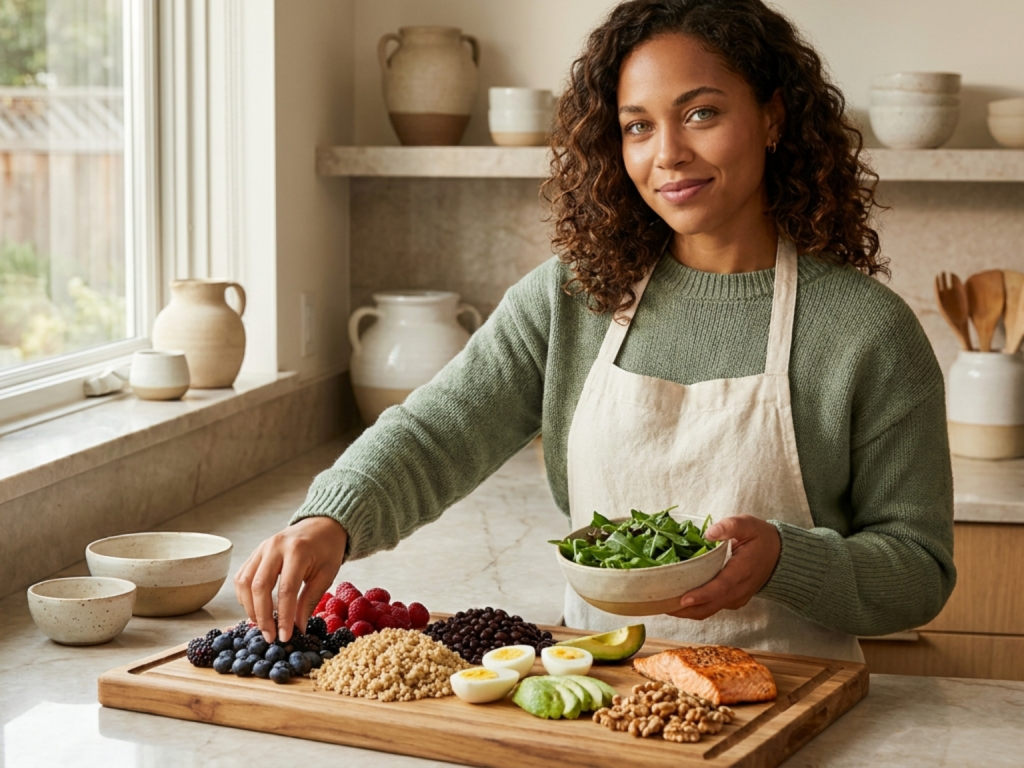
A practical plate can contain about half vegetables and fruit, one quarter protein foods, and one quarter whole grains or other carbohydrate-rich foods, with dairy or a fortified alternative as appropriate. The exact proportions can vary according to appetite, activity, culture, medical conditions, and dietary preferences. Meals do not need to be nutritionally perfect individually; consistency across days matters more.
Useful staples include leafy greens, broccoli, peppers, tomatoes, berries, citrus, oats, brown rice, whole-grain bread, quinoa, lentils, beans, tofu, eggs, poultry, lower-mercury seafood, yogurt, milk, calcium-fortified beverages, avocados, nuts, seeds, and olive oil. These foods provide a combination of fiber, vitamins, minerals, protein, and unsaturated fatty acids.
Prioritize folate and other essential micronutrients
Folate is central to preconception nutrition because it supports DNA synthesis and cell division during early development. Food sources include spinach and other leafy greens, asparagus, broccoli, beans, lentils, citrus fruit, avocado, and fortified grain products. Because dietary intake alone may not reliably provide all recommended nutrients, the USDA advises people trying to conceive to take a daily prenatal supplement. A healthcare professional can recommend an appropriate product and review its ingredients.
Iron supports hemoglobin production and oxygen transport. Good sources include lean meat, poultry, seafood, beans, lentils, tofu, iron-fortified cereals, spinach, and pumpkin seeds. Plant-based iron is non-heme iron and is absorbed less efficiently than heme iron from animal foods; consuming vitamin C-rich foods such as citrus, strawberries, tomatoes, or bell peppers with plant sources can support absorption. Iron supplements should not be started routinely without professional guidance, because the appropriate amount depends on dietary intake, laboratory findings, and medical history.
The USDA also highlights choline and iodine as important nutrients before and after pregnancy. Eggs are a particularly useful source of choline; other sources include meat, fish, dairy products, soy foods, beans, and some vegetables. Iodine can come from iodized salt, dairy, seafood, and eggs, although intake varies substantially by diet and region. Prenatal supplements differ in iodine and choline content, so label review with an obstetric clinician, primary-care professional, or pharmacist is worthwhile.
Calcium and vitamin D support skeletal health, while vitamin B12 is particularly important for people who avoid animal products. Reliable B12 sources for vegans generally include fortified foods or a supplement. These nutrients are not reasons to abandon a vegetarian or vegan pattern, but they do make individualized planning more important.
Choose protein foods and lower-mercury seafood
Protein contributes amino acids needed for tissue maintenance and supports satiety. Rotate among beans, lentils, peas, tofu, tempeh, eggs, poultry, lean meats, dairy products, nuts, seeds, and fish. Combining plant proteins over the course of the day can provide a broad amino-acid profile without requiring complicated meal planning.
Fish can provide protein and beneficial omega-3 fatty acids, but seafood selection should account for mercury exposure. Before conception and during pregnancy, choose seafood known to be lower in mercury and follow current guidance from a healthcare professional or local public-health authority. Avoid treating large predatory fish as routine staples, and ask for advice if you eat fish caught recreationally because local advisories may apply.
For a simple meal, try baked lower-mercury fish with roasted vegetables and brown rice. Plant-based alternatives include lentil soup with whole-grain bread, tofu with vegetables and quinoa, or a bean-and-avocado bowl. If you do not eat seafood, discuss alternative sources of omega-3 fatty acids and whether supplementation is appropriate for you.
Food safety should become part of the routine before conception rather than an afterthought. Wash produce, separate raw and ready-to-eat foods, cook animal products thoroughly, refrigerate perishable foods promptly, and choose pasteurized dairy products. These habits help reduce foodborne-illness risks that become particularly consequential once pregnancy occurs.
Include healthy fats and high-fiber carbohydrates
Dietary fat is necessary for cell membranes, absorption of fat-soluble vitamins, and overall energy balance. Favor unsaturated fats from olive or canola oil, avocado, nuts, seeds, and fish. These can replace, rather than simply add to, foods high in saturated fat. For example, use olive oil in place of butter for some cooking, add nuts to oatmeal, or use avocado in a sandwich.
Whole grains and legumes provide complex carbohydrates, fiber, magnesium, and other nutrients. Options include oats, barley, bulgur, whole-wheat pasta, brown rice, quinoa, beans, and lentils. Fiber can support bowel regularity and may help with meal satiety. Increase high-fiber foods gradually and drink fluids regularly, particularly if your current intake is low.
There is no need to eliminate carbohydrates to prepare for pregnancy. Very restrictive diets can make it harder to meet energy and micronutrient needs, and low energy availability may affect menstrual function in some people. If you have diabetes, insulin resistance, polycystic ovary syndrome, gastrointestinal disease, or another condition requiring a specific eating pattern, a registered dietitian can help adapt carbohydrate choices safely.
Healthy fats and carbohydrate-rich foods can also make meals more practical. A snack such as apple slices with peanut butter, plain yogurt with berries and seeds, or whole-grain crackers with hummus combines carbohydrate with protein or fat and may be more sustaining than a highly sweetened snack.
Make preconception meals realistic and culturally flexible
Nutrition advice works best when it fits your budget, schedule, cooking facilities, culture, and appetite. Frozen vegetables and fruit can be as practical as fresh options, and canned beans or fish can reduce preparation time. Choose lower-sodium canned foods when available, or rinse canned beans before use. Batch-cooking grains, beans, soups, or roasted vegetables can make balanced meals easier during busy weeks.
Breakfast could include fortified whole-grain cereal with milk or a fortified alternative and fruit, or eggs with whole-grain toast and tomatoes. Lunch might be a lentil salad, bean soup, or chicken-and-vegetable sandwich. Dinner can follow a simple formula: a protein food, two vegetables, and a whole-grain or starchy side. Snacks are optional and should reflect hunger rather than a requirement to eat continuously.
People following vegetarian or vegan diets can meet preconception nutrition goals, but should deliberately plan protein, iron, vitamin B12, iodine, calcium, vitamin D, zinc, and omega-3 sources. People with celiac disease, inflammatory bowel disease, food allergies, eating disorder history, or previous bariatric surgery may need additional monitoring. In these situations, nutrition before trying to conceive is best discussed with a clinician or registered dietitian rather than managed through internet advice alone.
Weight-related goals also deserve a compassionate, individualized approach. Weight optimization before pregnancy should not mean crash dieting, punitive exercise, or pursuing an arbitrary body size. If weight changes are being considered, ask a healthcare professional about a gradual plan that protects nutritional adequacy and mental health.
Review supplements, beverages, and foods to limit
A prenatal supplement can help cover nutrients that are difficult to obtain consistently from food. The USDA specifically recommends a daily prenatal supplement for people trying to conceive, while the appropriate formulation depends on medical history, diet, laboratory results, and local guidance. Do not assume that a product labeled “prenatal” contains adequate amounts of every nutrient, and avoid combining multiple supplements without checking for duplication or excessive intake.
Review all prescription medicines, over-the-counter products, herbal preparations, and high-dose vitamins during a preconception counseling appointment. “Natural” does not necessarily mean safe when conception is possible. A pharmacist or prescribing clinician can identify ingredients that should be stopped, changed, or monitored before pregnancy.
Limit foods and beverages that displace nutrient-dense choices, including heavily sweetened drinks and highly processed foods high in sodium or saturated fat. Caffeine and alcohol deserve particular attention: ask your healthcare professional for advice about caffeine limits and consider avoiding alcohol while trying to conceive, since early pregnancy may occur before recognition. Tobacco and recreational drugs should also be discussed with a clinician, with support offered for cessation when needed.
It is reasonable to learn about foods to avoid in pregnancy before trying, especially safe food handling, pasteurization, seafood mercury guidance, and thoroughly cooked animal products. However, do not create an unnecessarily narrow diet. A food-safety plan should reduce preventable risks while preserving adequate calories, protein, and variety.
When individualized guidance is especially important
Most people can begin with a balanced eating pattern and a routine preconception visit. More individualized planning is appropriate when you have diabetes, hypertension, kidney disease, thyroid disease, anemia, gastrointestinal malabsorption, phenylketonuria, an eating disorder, significant food allergies, or a history of bariatric surgery. Medication review is also important because some treatments require adjustment before conception, but changes should be made only with the prescribing professional.
Menstrual irregularity, substantial unintentional weight change, persistent fatigue, or concerns about restrictive eating are reasons to seek medical advice rather than attempting aggressive dietary changes. These findings have many possible explanations and cannot be assessed safely through food advice alone. A clinician may recommend examination, laboratory testing, or referral to a registered dietitian.
Nutrition can support general health and help correct deficiencies, but it cannot guarantee conception or prevent every pregnancy complication. The goal is a sustainable pattern that supports you now and can transition smoothly into pregnancy. Start with a few practical changes, monitor how you feel, and seek help when the plan becomes difficult to maintain.
Important safety reminders
- Do not begin high-dose vitamins, iron, iodine, or herbal products without professional advice.
- Ask a clinician to review prescription medicines, over-the-counter drugs, and supplements before conception.
- Choose pasteurized dairy and practice careful food handling to reduce foodborne-illness risk.
- Select lower-mercury seafood and follow current local seafood advisories.
- Seek individualized support for diabetes, malabsorption, bariatric surgery history, eating disorders, or restrictive diets.
Tools & Assistance
- Schedule a preconception visit with an obstetric clinician or primary-care professional.
- Ask a registered dietitian to review a vegetarian, vegan, allergy-restricted, or medically prescribed diet.
- Use a weekly meal template built around vegetables, fruit, whole grains, protein foods, and healthy fats.
- Bring every supplement and medication container to a clinician or pharmacist for review.
- Check local public-health seafood advisories before eating recreationally caught fish.
FAQ
What is the best food to eat before pregnancy?
There is no single best food. A varied pattern containing vegetables, fruits, whole grains, protein foods, dairy or fortified alternatives, and unsaturated fats is more useful than a single fertility-focused ingredient.
Should I take a prenatal vitamin before becoming pregnant?
The USDA advises people trying to conceive to take a daily prenatal supplement. Ask a healthcare professional which formulation and dose are appropriate for your diet, medical history, and laboratory results.
Can I follow a vegan diet before pregnancy?
Yes, but nutrients such as vitamin B12, iron, iodine, calcium, vitamin D, zinc, protein, and omega-3 fatty acids require deliberate planning. A registered dietitian can help assess fortified foods and supplements.
Should I stop eating fish before pregnancy?
Not usually. Fish can provide protein and omega-3 fatty acids. Choose lower-mercury options and follow current seafood guidance rather than eliminating fish automatically.
Do I need to lose weight before trying to conceive?
Not necessarily. Weight-related goals should be individualized and approached without crash dieting or nutritional deprivation. Discuss your circumstances with a healthcare professional, especially if you have PCOS, diabetes, or a history of disordered eating.
Sources
- U.S. Food and Drug Administration — Dietary Advice Before and During Pregnancy
- USDA Agricultural Research Service — Eating Right Before and After Pregnancy
- March of Dimes — Healthy eating before having a baby
Disclaimer
This article provides general educational information and is not a substitute for individualized medical advice, diagnosis, or treatment. Consult a qualified healthcare professional before changing supplements, medications, or your diet while planning pregnancy.













Please log in to leave a comment.