
Intro
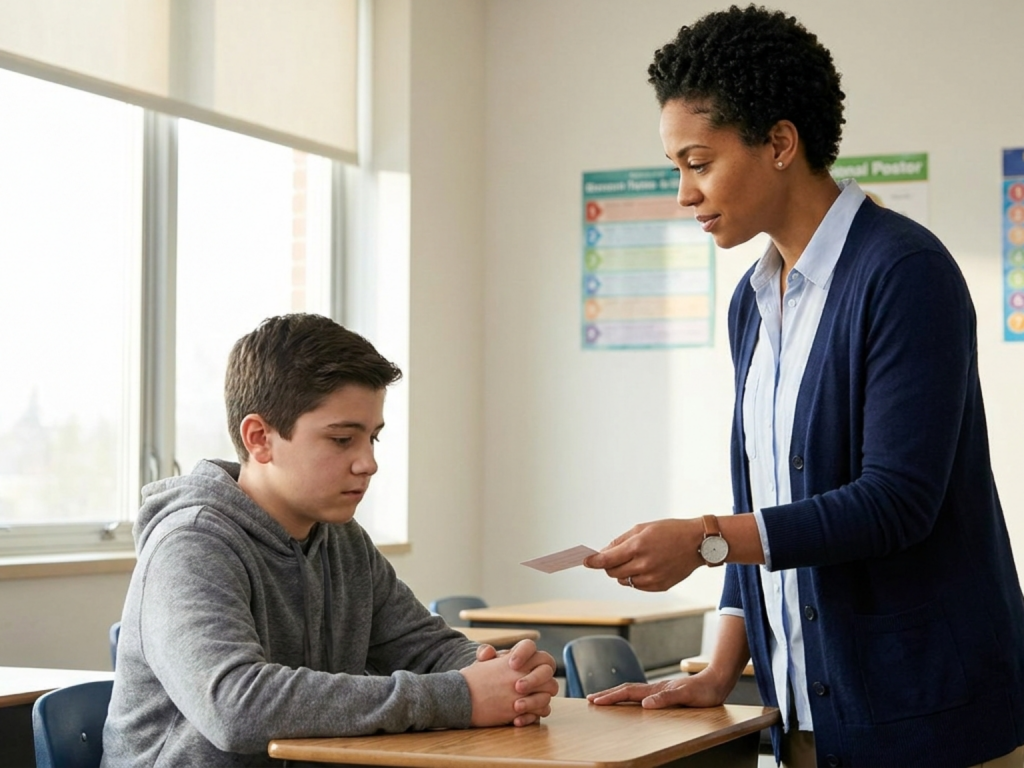
Many children and adolescents struggle at some point with the social and emotional demands of school. For some, the challenge is a new classroom, a different peer group, or a more demanding academic schedule. For others, anxiety about being judged, embarrassed, excluded, or separated from caregivers can make everyday school routines feel overwhelming.
Difficulty adjusting to school anxiety and social issues is not a sign of weakness or poor parenting. It is often a complex interaction among temperament, developmental stage, learning demands, peer relationships, family stress, school climate, and mental health. Early, compassionate support can reduce avoidance and help a child rebuild confidence without forcing them into situations they cannot yet manage.
Highlights
School anxiety can appear as stomachaches, irritability, withdrawal, crying at drop-off, perfectionism, or refusal to attend, not only as verbalized fear.
Social anxiety is strongly linked with school dissatisfaction, peer exclusion, absenteeism, and learning difficulties in adolescent research.
Support works best when adults reduce shame, coordinate home and school responses, and gradually build participation rather than demanding sudden confidence.
Persistent avoidance, bullying, self-harm talk, or major functional decline should prompt timely assessment by qualified healthcare or mental health professionals.
What school adjustment difficulty can look like
School adjustment is the child’s ability to participate in the academic, social, and routine demands of school with tolerable stress. Difficulty adjusting may appear during preschool entry, the move to primary school, transition to middle school, a family relocation, a change in teachers, a friendship rupture, or after illness or absence. It may also emerge gradually as social expectations become more complex.
A child may say, “I hate school,” but the underlying problem can be anxiety, loneliness, bullying, sensory overload, learning difficulties, depression, sleep deprivation, or a combination. Younger children often express distress somatically: abdominal pain, nausea, headaches, fatigue, or urgent bathroom needs before school. Older children may describe panic-like symptoms, fear of presentations, dread of lunch or recess, embarrassment about being called on, or worry that peers are watching them.
Behavior can be misleading. Some anxious children become quiet and compliant, masking distress until they collapse at home. Others become oppositional, angry, or avoidant because refusal feels safer than admitting fear. A medically literate approach considers function: attendance, learning, peer engagement, sleep, appetite, mood, and family routines. The question is not simply “Is the child going to school?” but “Can the child learn, connect, and recover from school stress?”
How anxiety and social issues interact
Social anxiety involves a persistent fear of negative evaluation, embarrassment, rejection, or scrutiny. In school, this can be triggered by speaking in class, joining a group, eating in front of others, changing for sports, asking for help, or walking into a crowded room. Children may use safety behaviors such as avoiding eye contact, rehearsing every sentence, sitting at the back, pretending not to know answers, or staying close to one familiar peer. These behaviors reduce short-term distress but can maintain anxiety by preventing corrective experiences.
Peer difficulties can intensify the cycle. A child who is already anxious may miss subtle social cues, speak very little, or decline invitations. Peers may misinterpret this as disinterest. The child then feels more excluded, which confirms the fear that social situations are unsafe. If bullying, teasing, online humiliation, or discrimination is present, the problem is not merely anxiety; it is a safety and school-climate issue requiring adult intervention.
Large adolescent studies support the link between social anxiety and school functioning. Research in Norwegian adolescents found that higher social anxiety symptoms were associated with more behavioral difficulties, school dissatisfaction, social exclusion, truancy, and learning difficulties. Another study found that social anxiety was negatively associated with school satisfaction, which indirectly related to absenteeism and lower extracurricular participation. These findings match what many families observe: emotional distress, social isolation, and school avoidance often reinforce one another.
Common triggers across developmental stages
Triggers vary by age and context. In early childhood, separation from caregivers, unfamiliar routines, toileting concerns, nap changes, sensory noise, and difficulty communicating needs can dominate. In primary school, children may worry about rule-following, teacher approval, playground dynamics, reading aloud, or being “in trouble.” In preteens and adolescents, peer status, body changes, romantic interest, academic ranking, presentations, group work, and digital social comparison become more salient.
School transitions in children can be particularly destabilizing because they change multiple variables at once: building layout, teacher expectations, peer group, timetable, transportation, and academic load. Even a child with strong coping skills may regress temporarily. For a child with anxious temperament, neurodevelopmental differences, previous bullying, learning disorders, chronic illness, or family stress, the same transition may exceed coping capacity.
It is helpful to map the exact pressure points rather than treating “school” as one global fear. Adults can ask: Is the hardest moment leaving home, entering the building, homeroom, lunch, recess, math, reading aloud, bathrooms, bus rides, group projects, or after-school activities? Precision reduces conflict and allows targeted support. For example, anxiety at drop-off may need a predictable separation plan, while anxiety at lunch may require a safe seating option and facilitated peer connection.
Warning signs that school anxiety is affecting function
Some nervousness before a test, performance, or new class is developmentally typical. Concern rises when distress is persistent, escalating, or associated with functional impairment. Functional impairment means the child is not simply uncomfortable; their attendance, learning, friendships, health, or family life is significantly disrupted.
- Frequent late arrivals, absences, nurse visits, or calls home during specific school periods.
- Repeated somatic complaints that cluster on school mornings or Sunday evenings.
- Marked withdrawal, tearfulness, irritability, panic-like episodes, or shutdowns related to school.
- Avoidance of presentations, group work, cafeteria, recess, sports, bathrooms, or extracurricular activities.
- Declining grades, incomplete assignments, or inability to ask for help despite adequate ability.
- Loss of appetite, sleep disturbance, nightmares, or exhaustion after school.
School refusal linked to anxiety can become entrenched quickly. The more days a child misses, the more they may fear academic backlog, peer questions, and adult disappointment. Families can feel trapped between compassion and the need for attendance. This is a situation where early collaboration with the school, pediatrician, and a child mental health professional can prevent a short-term crisis from becoming a chronic pattern.
A supportive home response
At home, the first therapeutic ingredient is validation without surrendering to avoidance. Validation sounds like: “I believe this feels really hard,” not “You never have to face it.” Children need adults to take distress seriously while also conveying confidence that skills can grow. Shaming statements such as “Everyone else can do it” or “Stop being dramatic” often increase secrecy and physiological arousal.
Caregivers can gather data calmly. Track sleep, meals, physical symptoms, school days missed, triggering classes, peer incidents, and recovery time after school. Patterns help clinicians and educators distinguish anxiety from sleep problems, learning differences, bullying, depression, attention difficulties, or medical conditions. If symptoms are physical, especially severe, new, or progressive, a pediatric evaluation is important rather than assuming all symptoms are anxiety.
Family emotional support matters. Research indicates that family support can moderate the relationship between adolescent social anxiety, school satisfaction, and absenteeism. Practically, this means a child with anxiety may cope better when home feels emotionally safe, predictable, and problem-solving oriented. Helpful routines include consistent wake times, a low-conflict morning plan, limited interrogation after school, scheduled decompression, and brief planning for the next day. Parents can also reduce excessive reassurance cycles by answering once with warmth and then redirecting to a coping step: breathing, packing the bag, texting a teacher-approved plan, or practicing a script.
School-based strategies that reduce social threat
Schools can reduce anxiety by lowering unnecessary social threat while still helping the child participate. This is not the same as removing all demands. A useful principle is scaffolding: break participation into manageable steps and increase challenge gradually. Teachers can offer predictable routines, advance notice for presentations, written instructions, and discreet ways to ask for help.
Evidence-informed classroom strategies include low-stakes check-ins, structured pair work before larger group discussion, sentence starters, role-play practice, and a “participation ladder.” A participation ladder might begin with listening, then contributing one written idea, then sharing with a partner, then reading a prepared sentence to a small group, and eventually speaking in class. Silent collaborative documents can allow anxious students to participate cognitively before speaking socially.
For social integration, adults should avoid simply telling a child to “go make friends.” More effective approaches are structured and specific: assigning kind peer partners, creating predictable lunch clubs, using cooperative tasks with defined roles, and monitoring unstructured spaces. If bullying during school transitions is suspected, schools need to assess safety, supervision, reporting pathways, and restorative or disciplinary responses. Anxiety treatment cannot succeed if the child is being repeatedly harmed.
Professional assessment and treatment options
When anxiety is persistent or impairing, assessment by a pediatrician, child psychologist, child psychiatrist, licensed therapist, or school mental health professional can clarify the picture. Clinicians may screen for anxiety disorders, depressive symptoms, trauma exposure, obsessive-compulsive symptoms, autism spectrum traits, ADHD, learning disorders, sleep problems, substance use in adolescents, and medical contributors such as migraines, gastrointestinal disease, endocrine conditions, or medication effects.
Psychological treatments often focus on psychoeducation, emotion regulation, cognitive restructuring, exposure-based practice, parent coaching, and school collaboration. Exposure does not mean forcing a child into overwhelming situations. It means planned, gradual, supported practice with anxiety-provoking tasks while reducing avoidance and safety behaviors. Cognitive behavioral therapy is commonly used for pediatric anxiety; however, the appropriate plan depends on the child’s age, symptoms, family context, and risk profile.
Medication may be considered in some cases by qualified prescribers, particularly when anxiety is moderate to severe, chronic, or not improving with psychosocial interventions alone. Families should discuss potential benefits, risks, side effects, monitoring, and alternatives with a pediatrician or child psychiatrist. No article can determine whether medication is appropriate for an individual child. The most effective care is usually coordinated: child, caregivers, school staff, and healthcare professionals sharing a clear plan with consent and respect for confidentiality.
Building resilience without minimizing distress
Recovery is rarely linear. A child may attend successfully for several days and then struggle again after a weekend, illness, conflict, exam, or social setback. This does not mean the plan has failed. It means the support system should review triggers, adjust steps, and reinforce progress. Small wins matter: entering the building, staying through first period, asking one question, eating in the cafeteria for five minutes, or attending one club meeting.
Children also need identity beyond anxiety. Strengths such as humor, art, coding, sport, animals, music, caregiving, or curiosity can become bridges to peer connection. Structured activities for preteen friendship can be especially useful because they reduce the ambiguity of “just socialize.” Shared tasks create natural conversation and repeated contact, which are important ingredients for belonging.
Adults should watch their own emotional tone. When caregivers are frightened, angry, or exhausted, children may perceive school as even more dangerous. Support for parents is not optional; it is part of the child’s treatment environment. A calm, coordinated, compassionate plan tells the child: “Your distress is real, you are not alone, and we will help you practice the next step.”
When to seek urgent or prompt help
- Any talk of self-harm, suicide, or not wanting to live requires immediate professional or emergency support.
- Suspected bullying, assault, exploitation, or unsafe school conditions should be escalated promptly to school leadership and safeguarding services.
- Severe panic-like episodes, fainting, chest pain, significant weight loss, or persistent vomiting need medical evaluation.
- Weeks of school refusal, marked functional decline, or family crisis around attendance warrants professional assessment.
- New anxiety with neurological symptoms, substance use, trauma exposure, or depressive symptoms should not be managed as routine adjustment stress.
Tools & Assistance
- Schedule a pediatric visit to review physical symptoms, sleep, appetite, and developmental concerns.
- Request a school meeting with the teacher, counselor, nurse, or pastoral support team to map triggers and accommodations.
- Use a brief daily tracking log for attendance, symptoms, triggers, coping steps, and recovery time.
- Ask a licensed child mental health professional about evidence-based anxiety treatment and parent coaching.
- Create a gradual re-entry or participation plan with clear steps, timelines, and review dates.
FAQ
Is school anxiety the same as normal shyness?
Not necessarily. Shyness may be a temperament style, while clinically significant anxiety causes distress or impairment, such as avoidance, absenteeism, social isolation, or inability to participate.
Should parents force a child to attend school despite anxiety?
A firm attendance goal can be appropriate, but force without assessment may worsen distress or miss bullying, learning problems, or medical issues. A gradual, supported plan is usually safer.
Can social anxiety affect grades?
Yes. A child may avoid asking questions, group work, presentations, or attendance, which can interfere with learning even when intellectual ability is strong.
How can teachers help without singling the child out?
Teachers can use discreet check-ins, predictable routines, written options for participation, structured peer roles, and gradual participation ladders that benefit the whole class.
When is therapy worth considering?
Therapy is worth considering when anxiety persists, causes avoidance or school refusal, affects sleep or mood, disrupts family life, or prevents normal social and academic participation.
Sources
- Frontiers in Psychology — School Functioning and Educational Aspirations in Adolescents With Social Anxiety
- PubMed Central (National Institutes of Health) — Adolescent Social Anxiety, School Satisfaction, Family Emotional Support, and School Absenteeism
- Edutopia — Easing Students' Social Anxiety With Research-Backed Strategies
Disclaimer
This article is for informational purposes only and does not diagnose or treat any condition. Consult a qualified healthcare or mental health professional for concerns about a child’s anxiety, school refusal, safety, or functioning.

















Please log in to leave a comment.