
Intro
Hearing that your baby is going to the neonatal intensive care unit, or NICU, right after birth can be unsettling, even when the team has explained the reason clearly. In most cases, NICU admission means the baby needs closer monitoring or short-term treatment during the transition from womb to independent life, not that something permanent is wrong.
This article explains why a newborn may be admitted, what the first hours usually involve, how care is delivered, and what parents can expect emotionally and practically. It is written for readers who want a medically accurate overview without losing sight of the human side of the experience.
Highlights
A NICU admission after birth is often about stabilization: breathing support, temperature control, glucose checks, or feeding help.
The first hours usually focus on monitoring and treating the specific issue that made the baby need higher-level care.
Parents are usually encouraged to visit, ask questions, and take part in care as soon as the baby is stable enough.
NICU hospitalization can be stressful for mothers and fathers alike, and that reaction is common rather than a sign of failure.
Discharge planning starts early and usually depends on feeding, breathing, and temperature stability.
Why a baby may be taken to the NICU after birth
A newborn may be moved to the NICU for many reasons, and the decision is usually based on immediate clinical needs rather than a single diagnosis. Common reasons include prematurity, low birth weight, breathing difficulty, low blood glucose, suspected infection, or concerns about how well the baby is adapting after delivery. Sometimes the transfer is brief and precautionary; sometimes it reflects a more complex medical problem that needs specialized care.
For families, the phrase temporary newborn separation can feel more significant than the medical explanation itself. That reaction is understandable. Even when the separation is short, it interrupts the expected first moments of holding, feeding, and settling in together. The NICU team is generally trying to reduce risk and support the baby through a vulnerable transition, especially in babies who need close observation right away.
In some hospitals, the baby may first undergo newborn stabilization before transfer if the delivery room team needs to make sure breathing, circulation, and temperature are secure before moving the infant to a higher-acuity unit. This step is part of routine neonatal safety when a baby needs more than standard postpartum care.
What the first hours in the NICU usually involve
The first hours are often devoted to assessment and stabilization. The team may measure oxygen saturation, heart rate, respiratory effort, temperature, and blood glucose, while also reviewing gestational age, delivery details, and any risk factors from pregnancy or labor. A baby who looks unwell may receive oxygen, CPAP, suctioning, or other respiratory support depending on the clinical picture.
For premature babies or infants who are not yet ready to feed well by mouth, the NICU may provide IV fluids, tube feeding, or both. This helps maintain hydration and energy while the digestive system matures or while the infant regains strength. Mayo Clinic describes these common NICU supports as part of intensive care for premature babies: close monitoring, fluid support, and feeding assistance are all normal components of care when a baby is not ready for full oral feeds.
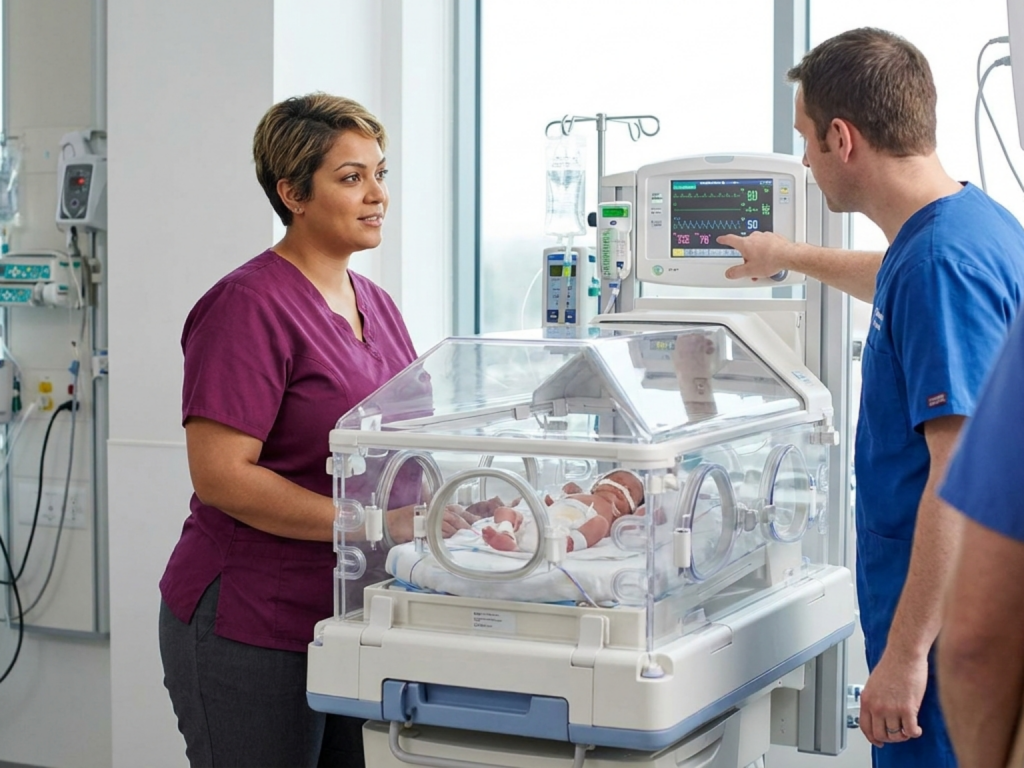
Equipment can look intimidating at first, but much of it is there to observe rather than to signal crisis. Monitors track vital signs continuously, and alarms may be set conservatively so staff can respond quickly if values drift. The goal is to catch changes early and adjust treatment promptly.
Common treatments and monitoring you may see
NICU care is highly individualized, but some elements appear often. A baby may have a warmer or incubator for temperature regulation, a pulse oximeter to monitor oxygen saturation, and adhesive leads for heart and breathing monitoring. Blood tests may be repeated to guide decisions about glucose, infection, bilirubin, electrolytes, or other concerns. Some babies need antibiotics while clinicians wait for cultures or evaluate for infection.
Feeding support is another major theme. Premature infants often need time before they can coordinate sucking, swallowing, and breathing efficiently. Until then, milk may be given by tube or through IV support. As the baby matures and becomes steadier, the team gradually advances oral feeding attempts and watches for stamina, coordination, and weight gain.
Parents sometimes expect the NICU to mean only severe illness, but it also includes careful supportive care for babies who simply need more time. The interventions are often small and repetitive rather than dramatic: temperature checks, feeding adjustments, observation, and reassessment. That rhythm is part of neonatal medicine.
How parents can stay involved
Even when a baby is in the NICU, parents are still central to care. MedlinePlus encourages families to visit regularly, ask questions, and participate in the baby’s care when possible. Depending on the baby’s condition and the unit’s policies, this may include touching, soothing, diaper changes, oral care, holding, or skin-to-skin contact.
It helps to ask the team what each monitor and line is for, what the day’s goals are, and what changes would matter most clinically. Many parents find it useful to hear a simple daily summary: what is better, what is still being watched, and what the next milestone is. That kind of communication can make the NICU feel more understandable and less alien.
Family-centered neonatal care is most effective when parents feel included rather than sidelined. If you are able to be present, even short visits can help you learn your baby’s cues and become more comfortable with the routine of care. If you cannot be there constantly, ask the unit how updates are shared and whether there are safe ways to contribute milk expression, pumping schedules, or comfort care from home.
The emotional impact on families
A NICU admission can trigger fear, grief, guilt, relief, and numbness, sometimes all in the same day. That mix is common. Families may feel relieved that the baby is receiving specialized care and distressed that the birth experience did not unfold as expected. Both responses can be true at once.
Research published in PubMed has shown that parenting stress can remain elevated after NICU hospitalization for both mothers and fathers. That does not mean every parent will develop a mental health disorder, but it does support a straightforward point: this experience is emotionally demanding, and the strain is real. Sleep deprivation, uncertainty, and the sensory intensity of the NICU can all contribute.
Practical coping often matters as much as emotional insight. Parents may need help with meals, transportation, child care for siblings, or simply having someone else field routine questions. A few minutes away from the bedside does not mean abandonment; it can be part of keeping yourself functional enough to stay engaged over time.
Going home and what happens next
NICU discharge is usually based on clear medical milestones rather than a fixed date. The baby generally needs to breathe steadily, maintain body temperature, and feed well enough to grow safely outside the hospital. Depending on the reason for admission, the team may also want to see stable weight gain, reassuring monitoring results, and a manageable home-care plan.
Before discharge, parents often receive teaching on feeding, medications if needed, safe sleep, follow-up appointments, and warning signs that require prompt medical attention. Some babies go home with special equipment or ongoing therapy; others need only routine pediatric follow-up. The details depend on the infant’s condition and the hospital’s plan.
The transition home can still feel fragile at first. A parent who has spent days or weeks watching numbers on monitors may need time to trust what a quieter household feels like. That adjustment is normal. The goal is not to forget the NICU experience, but to move from constant surveillance to a sustainable home routine with appropriate medical follow-up.
When to ask for urgent help
- Ask the team immediately if your baby looks blue, gray, unusually limp, or stops breathing normally.
- Report poor feeding, repeated vomiting, or a sudden change in alertness without delay.
- Tell staff if tubes, lines, or monitoring equipment come loose or appear displaced.
- Seek clarification right away if you do not understand a treatment change or transfer plan.
- Do not rely on monitor numbers alone; ask the bedside nurse what they mean in context.
Tools & Assistance
- Ask the NICU bedside nurse for a daily update and a plain-language explanation of the care plan.
- Use the hospital social worker or parent support service for lodging, transport, meal, or family support resources.
- Keep a written list of questions, medications, feeding volumes, and progress milestones.
- Request lactation support if milk expression or pumping is part of the plan.
- Ask whether the unit offers family meetings with the neonatologist or charge nurse.
FAQ
Does NICU admission always mean my baby is critically ill?
No. Some babies need only short-term monitoring or support while they transition after birth, especially if they are premature or having trouble feeding or breathing.
Can parents visit the NICU right away?
Usually yes, though timing and access depend on the unit and the baby’s stability. The care team can explain when and how to visit safely.
What if my baby needs to be transferred to another hospital?
That can happen when the birth hospital cannot provide the needed level of care. The team should explain the reason, destination, and transfer process.
Is it normal to feel overwhelmed or guilty?
Yes. NICU hospitalization is stressful for many parents, and those feelings are common. Support from the care team, family, or counseling can help.
How do I know when my baby is ready to go home?
The team usually looks for stable breathing, feeding, temperature control, and a safe follow-up plan. The exact discharge criteria depend on the baby’s condition.
Sources
- MedlinePlus — Visiting your baby in the NICU
- Mayo Clinic — Intensive care for your premature baby
- PubMed — Parenting Stress Following a Neonatal Intensive Care Unit Hospitalization: A Longitudinal Study of Mothers and Fathers
Disclaimer
This article is for general educational purposes only and does not replace advice from your baby’s neonatologist, pediatrician, or NICU team. If you are worried about your baby’s condition, contact a qualified clinician promptly.


















Please log in to leave a comment.