
Intro
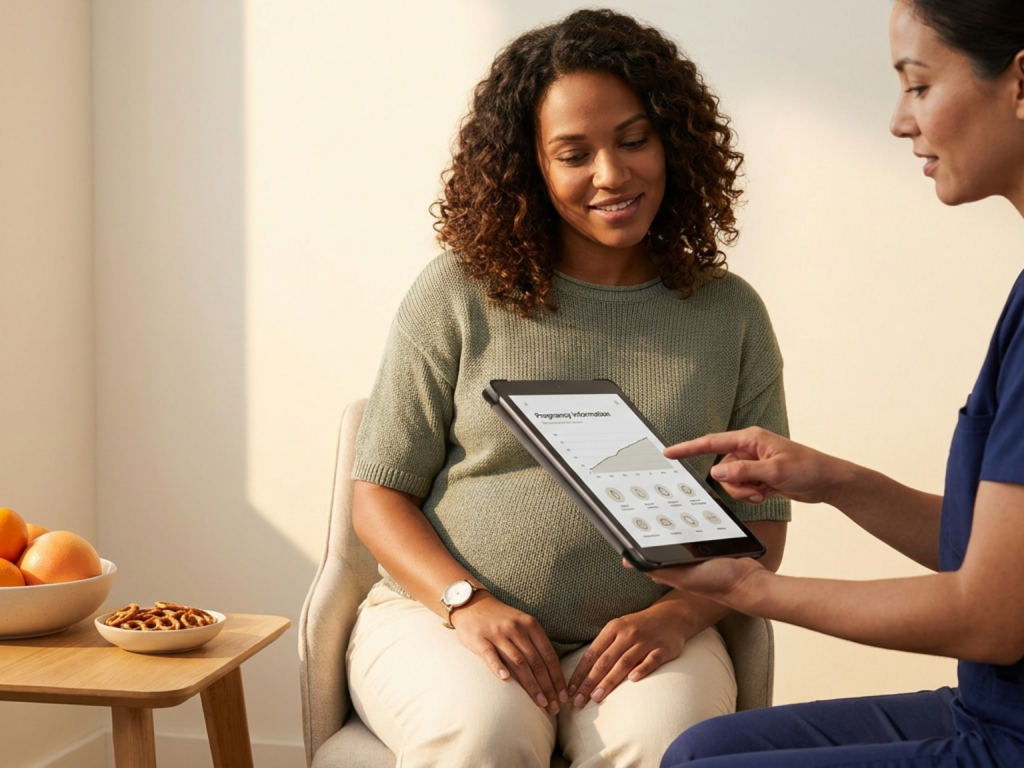
Pregnancy cravings can feel vivid, urgent, and surprisingly specific. If you suddenly want citrus, pickles, chocolate, red meat, or salty chips, it is understandable to wonder whether your body is revealing something about the baby.
The short answer is reassuringly simple: cravings do not reliably predict baby gender. They may reflect hormonal shifts, sensory changes, nausea patterns, cultural expectations, emotional associations, or nutritional needs, but they are not a medically valid method for determining fetal sex.
Highlights
Scientific evidence does not support using sweet, salty, sour, or meat cravings to predict whether a baby is a boy or a girl.
Pregnancy cravings are common and can be influenced by nausea, smell sensitivity, appetite regulation, emotions, and food availability.
Reliable ways to learn fetal sex before birth include genetic testing and, later in pregnancy, ultrasound when visualization is adequate.
Cravings are usually harmless, but non-food cravings, very restrictive eating, or symptoms of deficiency deserve medical attention.
The short answer: cravings are not a gender test
Cravings are one of the most memorable parts of pregnancy, but they are not a reliable predictor of baby gender. A craving for sweets is often said to mean a girl, while salty or protein-heavy foods are said to mean a boy. Other versions of the myth link citrus, dairy, spicy foods, or pickles to one sex or the other. These ideas are culturally persistent, but they do not have a solid biological or statistical basis.
In medical terms, what people often call “baby gender” during pregnancy usually refers to fetal sex, typically categorized by chromosomal, gonadal, and anatomic development. Gender is broader and includes identity and social factors, which cannot be determined by cravings, ultrasound, or prenatal genetic screening. Because everyday pregnancy conversations often use “gender” casually, this article uses the phrase while focusing on fetal sex prediction.
The key point is that cravings are subjective, variable, and influenced by many overlapping factors. They can change from week to week, differ between pregnancies in the same person, and be shaped by nausea, smell sensitivity, food aversions, stress, sleep, family stories, and what foods are easy to access. A symptom with that much variability cannot function as a dependable sex-prediction tool.
What the evidence says about cravings and fetal sex
The strongest available evidence does not show a statistically significant association between pregnancy food cravings and the sex of the baby. A scientific study examining pregnancy cravings and related factors found no meaningful link between the type of foods craved and whether the fetus was male or female. This aligns with the broader medical view: cravings may be real and intense, but they are not diagnostic.
Why does that matter? A true predictive sign should perform better than chance when tested in a systematic way. If a craving pattern were genuinely linked to fetal sex, researchers would expect to see consistent differences across pregnant people, such as a reproducible excess of sweet cravings in pregnancies with female fetuses or salty cravings in pregnancies with male fetuses. That pattern has not been established.
Popular claims are also vulnerable to confirmation bias. If someone craves chocolate and later has a girl, the story is memorable and may be retold as evidence. If the same craving occurs and the baby is a boy, people may forget it, reinterpret it, or switch to another sign. Over time, selective memory makes the myth feel more accurate than it is.
It is completely fine to enjoy guessing games if they feel fun and low-pressure. Many families use cravings, belly shape, mood, dreams, or morning sickness as lighthearted traditions. The problem arises only when these signs are treated as medical information, used to make decisions, or allowed to create anxiety when they conflict with test results.
Why cravings happen in pregnancy
Pregnancy cravings are probably multifactorial rather than caused by a single mechanism. Hormonal changes, including shifts in estrogen, progesterone, human chorionic gonadotropin, insulin sensitivity, leptin, ghrelin, and other appetite-related pathways, may influence hunger, satiety, nausea, and food reward. These changes can alter what sounds tolerable or satisfying at different points in pregnancy.
Sensory changes are also common. Many pregnant people notice heightened smell sensitivity, altered taste perception, or a sudden disgust response to foods they previously enjoyed. These sensory shifts can make bland carbohydrates feel safer during nausea, make coffee or meat smell intolerable, or make sour and cold foods feel refreshing. Pregnancy food aversions may be just as powerful as cravings and often shape eating patterns more than desire alone.
Cravings may also interact with physiology. Some people crave salty foods when nausea, vomiting, or increased fluid needs affect hydration patterns. Others want quick carbohydrates because they are fatigued, hungry, or having long gaps between meals. Cravings for ice can sometimes be associated with iron deficiency, especially when persistent or compulsive, although only a clinician can evaluate the cause with appropriate history and laboratory testing.
Psychological and cultural factors matter too. Food can be comfort, routine, memory, identity, and relief. If a food has emotional meaning or is commonly described as a pregnancy craving in your community, you may notice it more. None of this makes cravings “imaginary.” It simply means they are complex body-brain experiences, not coded messages about fetal sex.
Sweet, salty, sour, and spicy: what cravings can and cannot tell you
A craving category may tell you something about appetite and tolerance, but not about baby gender. Sweet cravings may reflect a desire for rapid energy, familiar comfort foods, or changes in taste reward. Salty cravings may relate to flavor preference, nausea management, hydration habits, or simply the appeal of crunchy snack foods. Sour cravings, such as citrus or pickles, may feel helpful when the mouth tastes metallic or nausea is present. Spicy cravings may reflect pre-pregnancy preference or a desire for stronger flavors when taste feels muted.
These interpretations are possibilities, not diagnoses. For example, craving meat does not prove iron deficiency, craving dairy does not prove calcium deficiency, and craving sweets does not predict gestational diabetes. Nutritional status is assessed through the whole clinical picture: diet history, symptoms, medical conditions, medications, weight trajectory, and, when indicated, laboratory testing.
It is also worth noting that food cravings and aversions often occur together. Someone might crave lemonade because water tastes unpleasant, or want toast because protein smells intolerable. In early pregnancy especially, nausea-triggered food avoidance can narrow the diet temporarily. Clinicians generally focus less on the symbolism of a craving and more on whether the pregnant person is staying hydrated, getting enough energy, taking prenatal vitamins as tolerated, and maintaining a safe pattern of gestational weight gain.
If cravings are manageable, they can usually be accommodated within a balanced diet. Pairing a craved food with protein, fiber, or healthy fats may improve satiety. For example, fruit with yogurt, crackers with cheese, or a small portion of chips alongside a nutrient-dense meal may satisfy the craving without making eating feel chaotic. The goal is not perfection; it is nourishment and flexibility.
Reliable ways to learn fetal sex before birth
If you want to know fetal sex before delivery, medical methods are far more reliable than cravings. One common option is cell-free DNA fetal sex testing, often performed as part of noninvasive prenatal screening. This blood test analyzes placental DNA fragments circulating in the pregnant person’s bloodstream. Depending on the test and clinical context, it can screen for certain chromosomal conditions and may report fetal sex with high accuracy after an appropriate gestational age. It is still a screening test unless used in a diagnostic pathway advised by a clinician.
Diagnostic genetic tests, such as chorionic villus sampling or amniocentesis, can determine chromosomal sex, but they are typically offered for specific medical indications because they are invasive and carry procedural considerations. These tests should be discussed carefully with an obstetric clinician, maternal-fetal medicine specialist, or genetic counselor.
Another common route is the mid-pregnancy anatomy ultrasound, often performed around 18 to 22 weeks. If fetal position, gestational age, image quality, and anatomy allow, the sonographer may be able to identify external genital appearance. Ultrasound accuracy is generally good in the right conditions, but it is not the same as chromosomal testing, and occasionally visualization is limited or later information differs.
It can feel disappointing if cravings, family predictions, or old wives’ tales point one way and medical testing says another. That emotional response is common and does not mean you are ungrateful. If sex-related expectations bring up anxiety, grief, pressure, or family conflict, it is reasonable to talk with a trusted clinician, counselor, or support person.
When cravings deserve medical attention
Most cravings are benign, but some patterns deserve a clinical conversation. The most important is pica, which means craving or eating non-food substances such as clay, soil, laundry starch, chalk, paper, or large amounts of ice. Pica can be associated with micronutrient deficiencies, including iron deficiency anemia, and can also expose the pregnant person and fetus to toxins, infection, gastrointestinal injury, or other risks.
You should also seek advice if cravings or aversions make it hard to maintain hydration, keep food down, or take prenatal supplements. Persistent vomiting, dizziness, reduced urination, palpitations, fainting, rapid weight loss, or inability to function may indicate a more significant nausea and vomiting disorder, such as hyperemesis gravidarum, which needs individualized care.
Cravings can be emotionally distressing when they feel uncontrollable, trigger shame, or interact with a history of eating disorder, diabetes, gastrointestinal disease, bariatric surgery, food insecurity, or medically restricted diets. In these situations, personalized guidance from an obstetric clinician and, when available, a registered dietitian can help protect nutrition without creating unnecessary guilt.
A practical approach is to ask: Is this craving safe? Is it food? Is it crowding out essential nutrition? Is it causing distress or medical symptoms? If the answer raises concern, professional support is appropriate. If the craving is simply unusual but safe, enjoying it in a balanced way is usually not a problem.
How to respond to gender-prediction comments with confidence
Pregnancy often invites opinions from relatives, friends, coworkers, and strangers. Comments about cravings can be affectionate, but they may also feel intrusive. You are allowed to keep conversations light, set boundaries, or correct misinformation depending on what feels comfortable.
Helpful responses might include: “It is fun to guess, but cravings are not accurate,” “We are waiting for the ultrasound,” “We are not focusing on predictions,” or “My clinician says cravings are about pregnancy changes, not fetal sex.” These responses protect your autonomy without turning every comment into a debate.
If you enjoy the game, you can treat cravings as a playful family ritual rather than evidence. Guessing the baby’s sex from food preferences can be harmless when everyone understands it is chance, not science. If it begins to create pressure, disappointment, or repeated commentary about your body or eating, it is reasonable to step back.
Above all, cravings do not say anything about your competence, your baby’s health, or the kind of parent you will be. Pregnancy can be physically intense and emotionally layered. Whether you are craving strawberries, noodles, olives, cereal, or nothing at all, your experience is valid, and reliable medical information is available when you want answers.
When to call your healthcare professional
- You crave or eat non-food substances such as clay, soil, chalk, paper, or laundry starch.
- You have persistent vomiting, dehydration symptoms, fainting, or rapid weight loss.
- Cravings or aversions prevent you from eating enough or taking prescribed prenatal supplements.
- You have diabetes, a history of eating disorder, bariatric surgery, anemia, or another condition affecting nutrition.
- You feel significant anxiety, shame, or distress about food, fetal sex expectations, or pregnancy changes.
Tools & Assistance
- Discuss persistent or unusual cravings at your next prenatal appointment.
- Ask your clinician about appropriate fetal sex determination options, including screening tests and ultrasound timing.
- Track cravings, aversions, nausea, hydration, and weight changes if patterns are worrying.
- Consult a registered dietitian with pregnancy expertise for individualized nutrition support.
- Seek urgent care if vomiting, dizziness, or dehydration symptoms become severe.
FAQ
Do sweet cravings mean I am having a girl?
No. Sweet cravings are common in pregnancy, but they do not reliably predict fetal sex.
Do salty or meat cravings mean I am having a boy?
No. Salty, savory, or protein-heavy cravings can happen in any pregnancy and are not a valid sex-prediction method.
What is the most reliable way to know fetal sex before birth?
Genetic testing can identify chromosomal sex, and ultrasound may identify external genital anatomy when visualization is adequate. Ask your clinician which option fits your situation.
Are pregnancy cravings ever medically important?
Yes. Non-food cravings, severe dietary restriction, persistent ice craving, vomiting, dehydration, or distress around eating should be discussed with a healthcare professional.
Is it okay to enjoy gender-prediction myths for fun?
Yes, as long as they are treated as entertainment rather than medical information and do not create pressure or anxiety.
Sources
- PubMed Central — Exploring associations between pregnancy cravings and related factors
- AlphaBiolabs USA — Can Pregnancy Cravings be Used to Predict Baby Gender?
- Healthline — How to Tell If You're Having a Baby Boy with These Signs
Disclaimer
This article is for informational purposes only and does not replace medical advice, diagnosis, or treatment. Always consult your obstetric clinician or qualified healthcare professional about pregnancy symptoms, testing, and nutrition concerns.













Please log in to leave a comment.