

Intro
Children are naturally curious, fast-learning, and often quicker than adults expect. What is dangerous for a child changes with neurodevelopment, mobility, judgment, body size, and exposure: a newborn’s main risks are very different from a teenager’s.
Highlights
The highest-risk hazard is often the one that matches the child’s newest skill, such as rolling, crawling, climbing, driving, or seeking independence.
Children between 6 months and 3 years are especially vulnerable to choking and ingestion injuries from small objects, button batteries, magnets, and toy parts.
Water, vehicles, electricity, medicines, cleaners, and wheeled recreation deserve age-specific rules rather than one-size-fits-all supervision.
Safety planning works best when it is calm and practical, not fear-based: the goal is to protect exploration, not stop it.
Why danger changes with age
Children are not simply smaller adults. Their anatomy, physiology, coordination, and risk perception change rapidly. Infants have large heads relative to their bodies and limited airway reserve, so positioning, suffocation hazards, and respiratory compromise matter greatly. Toddlers explore with their mouths, have immature impulse control, and can move faster than they understand. School-age children gain strength and range but may still misjudge speed, water depth, traffic, and peer pressure. Adolescents often have adult-sized bodies with still-developing executive function, making risk-taking, vehicles, substances, and digital harms more prominent.
A helpful prevention question is: “What can my child do this week that they could not do last month?” Rolling, crawling, opening drawers, climbing stools, riding a scooter, swimming farther, or staying home alone all change the risk map. Developmental readiness is also uneven. A cautious 10-year-old and an impulsive 10-year-old may need different supervision. Medical conditions, neurodevelopmental differences, sleep deprivation, medications, and stress can further affect safety.
Safety is not about eliminating all challenge. Children need movement, play, problem-solving, and age-appropriate activities for children. The aim is to remove high-consequence hazards, use protective equipment, supervise transitions, and teach repeatable rules before independence expands.
Newborns and young infants: birth to 6 months
For newborns and young infants, the most serious dangers usually involve breathing, sleep environment, temperature, feeding, falls, and infection. Babies this age cannot reliably move away from a blocked airway, reposition themselves when trapped, or communicate distress early. Soft bedding, pillows, loose blankets, cushions, and sleeping on couches or adult beds can increase the risk of suffocation or sleep-related injury. Caregivers should follow safe sleep guidance from their child’s clinician and avoid any product or position that compromises the airway.
Falls are common because adults underestimate infant movement. A baby who has not rolled before may roll for the first time on a changing table, couch, or bed. Keep one hand on the infant during changes, use the floor when needed, and secure straps on strollers and carriers. Hot liquids are another major risk: an infant on a lap can be scalded by coffee, tea, soup, or bathwater within seconds.
Feeding risks are age-specific. Infants should not receive unsafe food textures, small hard foods, or inappropriate liquids. Caregivers with questions about safe food textures for infants, choking prevention, reflux, swallowing difficulty, or poor weight gain should speak with a pediatric clinician. Young infants also have limited physiologic reserve during illness. Fever, poor feeding, lethargy, abnormal breathing, dehydration signs, or color change should be discussed promptly with a healthcare professional, especially in very young babies.
Older babies and toddlers: 6 months to 3 years
This is one of the most hazardous periods because mobility rises before judgment. Children from 6 months to 3 years are at particular risk for choking or swallowing foreign objects, including button batteries, high-powered magnets, coins, beads, small toy parts, and objects from older siblings’ toys. Button batteries can cause severe tissue injury if lodged in the esophagus, and multiple magnets can attract across bowel walls, causing obstruction or perforation. Any suspected ingestion of a button battery, magnet, medication, chemical, or sharp object warrants urgent professional guidance.
Toddlers also open cabinets, climb furniture, pull cords, and test outlets. Medicines, vitamins, cannabis products where legally present, cleaners, laundry pods, dish pods, pesticides, and personal-care products should be locked away, not merely placed “up high.” Laundry and dish pods can look like candy and can cause caustic or systemic toxicity. Store appliance cords above reach to reduce pulling, strangulation, burn, and electrical risks.
Key home hazards in this age group include:
- Small objects that fit inside the mouth or airway
- Button batteries and magnets in remotes, cards, toys, lights, and gadgets
- Electrical outlets, loose cords, and damaged chargers
- Unsecured furniture, televisions, and appliances that can tip
- Toilets, buckets, bathtubs, pools, and any standing water
- Medicines, cleaners, pods, alcohol, nicotine, and cosmetics
Supervision matters most during transitions: cooking dinner, answering the door, bathing another child, or cleaning up after visitors. These are the moments when a toddler can find a dropped pill, a sibling’s toy, or an open bathroom door.
Preschool children: 3 to 5 years
Preschoolers have imagination, speed, and growing independence, but limited danger appraisal. They may imitate adults by using tools, opening doors, climbing counters, turning knobs, or “helping” with appliances. Their injuries often involve falls, burns, poisoning, drowning, pedestrian incidents, and unsafe play equipment.
At home, continue locked storage for medicines and chemicals. Do not rely on child-resistant packaging; it slows children down but does not make products child-proof. Outdated or unprotected electrical outlets remain a concern because small openings invite experimentation with keys, hairpins, toy parts, or metal objects. Tamper-resistant outlets or appropriate outlet covers can reduce risk. Cords for lamps, irons, hair tools, and kitchen appliances should be placed where a child cannot pull them down.
Water deserves special caution. A preschool child can drown quickly and quietly, even in shallow water. Bathtubs, pools, ponds, toilets, buckets, and inflatable water features all require active adult supervision. “Active” means close enough to intervene immediately, not watching from another room or relying on an older child. Swimming lessons may improve skills, but they do not make a young child drown-proof.
Preschoolers also begin group play, making toy safety important. Avoid toys with small detachable components for younger siblings, check battery compartments, and keep magnets away. Helmets should become routine for bikes, scooters, and similar play, but helmets do not substitute for supervision near streets, driveways, or stairs.
School-age children: 6 to 12 years
School-age children often appear capable, and many are, but risk shifts toward traffic, sports, water, falls from heights, peer influence, and unsupervised decisions. They may ride bikes farther, cross streets, visit friends’ homes, use devices, cook simple foods, and participate in organized sports. These are healthy steps toward independence, but each needs a clear safety framework.
Transportation safety remains central. Children age 12 and under are generally safer riding in the back seat, where seating and restraints provide better protection for their size and developmental stage. Use the appropriate car seat, booster, or seat belt based on height, weight, and local law, and ask a certified passenger-safety technician or clinician if unsure.
Unsupervised water play is a major risk for children under 12. Even competent swimmers can panic, become fatigued, get trapped, misjudge currents, or be injured. Pools should have barriers where applicable, and children should understand rules about diving, drains, flotation devices, and swimming only when a responsible adult is present.
Sports and recreation injuries become more common in this age range. Protective gear, gradual conditioning, hydration, concussion awareness, and rest days all matter. A child with head trauma, repeated vomiting, worsening headache, confusion, neck pain, breathing difficulty, severe abdominal pain, or suspected fracture should be evaluated according to pediatric emergency warning signs and local emergency guidance.
Preteens and teenagers: 13 to 18 years
Adolescents face a different safety landscape. They are developing autonomy, identity, social belonging, and abstract reasoning, while impulse control and risk-benefit analysis continue to mature. Common dangers include motor vehicle crashes, e-scooters, ATVs, sports injuries, substance exposure, violence, self-harm, unsafe online interactions, and sleep-related impairment.
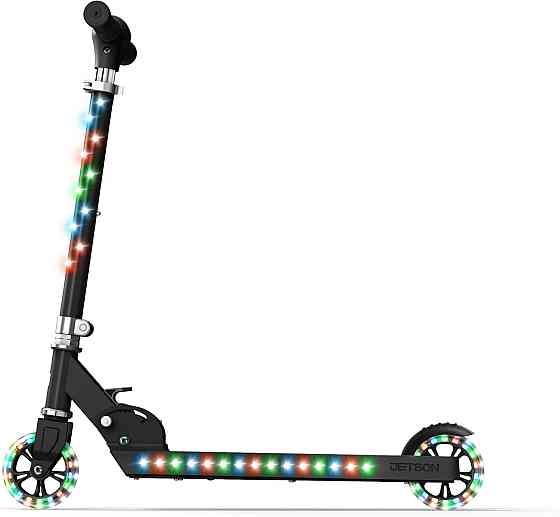
Some activities are hazardous because they demand adult-level judgment and physical control. Children under 16 should not operate ATVs or e-scooters, as younger adolescents may lack the necessary cognitive maturity, strength, coordination, and traffic judgment. If older teens use bikes, scooters, or similar devices where permitted, helmets, visibility, speed limits, road rules, and sober riding are essential.
Driving and riding with peers deserve direct conversation. Seat belts, no impaired driving, no distracted driving, and limits on passengers and nighttime driving are not “overprotective”; they are evidence-informed boundaries during a high-risk developmental period. Teens also need confidential access to healthcare professionals for mental health, substance use, sexual health, and safety concerns.
Digital danger is real but should be approached without panic. Online exploitation, coercion, bullying, sleep disruption, and dangerous challenges can affect adolescents’ physical and psychological health. Families can set device expectations, privacy rules, and crisis plans while keeping communication open. If a teen expresses suicidal thoughts, severe hopelessness, threats, intoxication, or unsafe behavior, seek urgent professional help immediately.
Home hazards that cut across ages
Some dangers remain relevant throughout childhood but require different controls as children grow. Medicines and toxic substances should be stored in locked locations, ideally in original containers. This includes prescription medications, over-the-counter drugs, vitamins, supplements, cleaning products, laundry and dish pods, alcohol, nicotine products, and chemicals used for hobbies or maintenance. For suspected poisoning in a child, contact poison control or emergency services as appropriate, and do not induce vomiting unless instructed by a professional.
Electrical safety also spans ages. Upgrade old outlets when possible, use tamper-resistant outlets or covers, repair damaged cords, and keep chargers away from water and bedding. Small children may insert objects into outlets, while older children may overload power strips, use damaged chargers, or charge devices on soft surfaces that trap heat.
Choking hazards change form but persist. Babies and toddlers choke on small objects and unsuitable foods; older children may choke during running, laughing, or playing with food, pen caps, balloons, or small objects. Button batteries and magnets deserve a special household inventory because they may be hidden in remotes, key fobs, flameless candles, thermometers, greeting cards, toys, and small electronics.
Finally, injuries often happen when routines are disrupted: holidays, visitors, moving homes, travel, illness, fatigue, and multitasking. Before these moments, do a quick scan at child height: floors, low shelves, bags, countertops, bathrooms, cords, pools, and vehicles.
When to escalate from home care to urgent help
Caregivers do not need to diagnose every injury or exposure at home. The safer approach is to recognize high-risk situations and ask for professional guidance early. Seek urgent help for significant breathing difficulty, blue or gray color, loss of consciousness, seizure, severe allergic reaction, major bleeding, suspected poisoning, possible button battery or magnet ingestion, near-drowning, serious burns, high-impact head injury, signs of spinal injury, or a child who is unusually difficult to wake.
Also escalate when the story and the child’s appearance do not match your comfort level. A child who looks very ill, is persistently inconsolable, has worsening pain, has repeated vomiting after injury, cannot bear weight after trauma, or has dehydration signs may need prompt evaluation. Fever can be concerning depending on age and associated symptoms, particularly in young infants or when accompanied by breathing difficulty, non-blanching rash, stiff neck, lethargy, or poor perfusion.
It is understandable to feel embarrassed if an accident happened during a momentary lapse. Pediatric clinicians and poison specialists would rather be called early than late. Keep emergency numbers visible, know your local poison control contact, and teach babysitters or relatives what to do. Calm preparation reduces delay when minutes matter.
Seek urgent help now if
- A child may have swallowed a button battery, magnet, medication, chemical, or sharp object.
- There is breathing difficulty, blue or gray color, loss of consciousness, seizure, or near-drowning.
- A head injury is followed by repeated vomiting, confusion, worsening headache, or unusual sleepiness.
- A burn is large, deep, involves the face, hands, genitals, airway, or was caused by electricity or chemicals.
- A teen expresses suicidal thoughts, severe intoxication, threats, or loss of control.
Tools & Assistance
- Store local emergency numbers and poison control contacts in every caregiver’s phone.
- Use locked cabinets for medicines, cleaners, pods, nicotine, alcohol, and chemicals.
- Install tamper-resistant outlets or appropriate outlet covers and secure loose cords.
- Do a weekly floor-level scan for batteries, magnets, small toy parts, and dropped pills.
- Ask a pediatrician, pharmacist, or certified safety technician about age-specific questions.
FAQ
What age is most dangerous for choking on objects?
Children from about 6 months to 3 years are especially vulnerable because they explore with their mouths and can access small objects as mobility increases.
Are child-resistant caps enough for medicines?
No. Child-resistant packaging is not child-proof. Medicines, vitamins, and toxic products should be locked away and kept in original containers.
Can an older sibling supervise a younger child in water?
An older child should not replace active adult supervision. Young children can drown quickly and quietly, even in shallow water.
When can kids safely use ATVs or e-scooters?
Children under 16 should not operate ATVs or e-scooters because they may lack the physical and cognitive maturity needed for safe control.
Should I call for help if I am not sure a swallowed object is dangerous?
Yes. Call poison control, emergency services, or a healthcare professional promptly if there is any chance of a button battery, magnet, medication, chemical, or sharp-object ingestion.
Sources
- Mayo Clinic Health System — You swallowed what? Parents' guide to keeping kids safe at home
- Scripps Health — 4 Risky Things Your Kids Should Never Do
- Barnett Electrical — The 4 Most Dangerous Things For Children in Your Home
Disclaimer
This article is for informational purposes only and does not replace medical advice, diagnosis, or emergency care. Consult a qualified healthcare professional or emergency service for concerns about a child’s injury, illness, ingestion, or safety risk.















Please log in to leave a comment.