
Intro
If you are trying to understand why conception is taking time, egg quality can feel like an opaque and emotionally loaded phrase. Clinically, it refers to whether an oocyte can mature normally, be fertilized, and support early embryo development. That makes it a biologic concept, not a moral judgment or a measure of effort.
Many factors can influence egg quality, including age, metabolic health, oxidative stress, smoking, certain medical conditions, and treatment-related variables. Some of these are modifiable; others are not. The goal of this article is to explain the main influences in clear, medically grounded terms while keeping the focus on what can be discussed with a healthcare professional.
Highlights
Chronological age is the strongest known predictor of poorer egg quality because ovarian aging increases meiotic errors and chromosomal irregularity.
Metabolic conditions such as obesity and diabetes can change the follicular environment in which eggs mature.
Smoking, alcohol, environmental toxins, and oxidative stress can damage the cellular structures that support the oocyte.
Some contributors are modifiable, but many are only partly controllable, so individualized medical guidance matters.
Age and ovarian biology
Chronological age is the most established factor affecting oocyte quality. As ovarian aging progresses, the chance of meiotic errors rises, which means the egg is more likely to carry an abnormal number of chromosomes. That matters because chromosomal abnormalities in eggs are a major reason embryos fail to implant or miscarry early. Age also affects mitochondrial function, the system that supplies energy to the egg during fertilization and early embryo development. Even when ovulation still happens regularly, the developmental competence of eggs can fall over time. This is why some people have reassuring cycle patterns but still face more difficulty conceiving or carrying a pregnancy as they get older.
It is important to remember that age shifts probabilities, not destiny. Many people conceive later in the reproductive years, while others experience egg-quality concerns earlier because of genetics, medical history, or ovarian injury. If you are trying to interpret your own timeline, a fertility specialist can help place age in context rather than treating it as a stand-alone answer.
Metabolic health and hormones
Metabolic health shapes the environment in which follicles mature. Obesity and diabetes have been associated with poorer egg quality, likely through overlapping pathways such as inflammation, insulin resistance, and altered hormone signaling. In practical terms, the follicle fluid that surrounds the developing oocyte can be affected by the broader metabolic state of the body. This does not mean that a single lab result defines egg quality, but it does mean that glucose control, weight-related physiology, and endocrine balance can influence outcomes.
Conditions such as polycystic ovary syndrome and endometriosis are also relevant because they can alter ovarian function, ovulation patterns, inflammation, or treatment response. People often ask whether normal periods mean normal eggs. The answer is not always straightforward. Ovulation can be regular while the biology of the oocyte is still affected by insulin resistance or other metabolic factors. A clinician may consider tests such as HbA1c, thyroid studies, or other targeted evaluations when the history suggests they would be useful.
Oxidative stress and exposures
Oxidative stress is one of the central mechanisms discussed in egg biology. It refers to an imbalance between reactive oxygen species and the body’s antioxidant defenses. In moderate amounts, these molecules are part of normal cell signaling; in excess, they can damage lipids, proteins, and mitochondrial DNA inside the oocyte. That is one reason environmental toxins, smoking, heavy alcohol use, and some occupational exposures are repeatedly discussed in relation to egg health. These exposures do not affect everyone equally, and the dose, duration, and timing matter.
Chemotherapy and radiation are especially important because they can directly injure ovarian tissue and accelerate ovarian aging. For people with a cancer history or a planned treatment course, fertility preservation discussions may be time-sensitive and should happen before therapy when possible. The key point is not to assign blame, but to recognize that eggs develop in a real-world environment. The cumulative exposure pattern over months or years can matter more than any single event.
Nutrition, sleep, and chronic stress
Nutrition does not create perfect eggs, but it helps support the cellular machinery that eggs depend on. Adequate protein, essential fatty acids, micronutrients, and overall caloric sufficiency support follicular growth and hormone production. On the other hand, restrictive eating patterns or specific nutrient deficiencies can compromise reproductive function. Because eggs rely so heavily on energy metabolism, some clinicians pay attention to dietary quality when counseling people trying to conceive, especially if there are signs of undernutrition or irregular eating.
Chronic stress is also relevant, although it is easy to overstate its role. Stress does not cause all fertility problems, and people should never be made to feel responsible for their diagnosis. Still, prolonged stress can interact with sleep, appetite, inflammation, and hormone regulation in ways that may not help reproductive health. The same is true for recovery and rest: regular sleep and sustainable routines support the body’s ability to maintain hormonal balance. When a person is under intense emotional load, the most useful step is often to address the full picture with a supportive clinician rather than trying to fix egg quality through pressure or guilt.
Medical conditions and fertility treatment
Some factors affect egg quality indirectly by changing how the ovary develops or how eggs are handled in clinical care. Controlled ovarian hyperstimulation protocols, for example, are part of IVF care and can influence the lab environment in which eggs mature and are retrieved. That is not the same as saying treatment damages eggs; rather, protocol choice may shape measured outcomes, especially in research settings. This is one reason fertility treatment should be individualized instead of treated as a one-size-fits-all process.
Other medical conditions may contribute through inflammation, hormonal disruption, or ovarian injury. PCOS can involve a high number of follicles but variable oocyte maturation. Endometriosis can be associated with inflammatory changes in the pelvis and ovary. Prior ovarian surgery, autoimmune disease, and some chronic illnesses may also matter depending on the clinical picture. If egg quality is a concern, the goal is usually to map the whole reproductive context: ovulation, ovarian reserve, partner factors, prior treatments, and any medical conditions that may be changing the odds.
What this means in real life
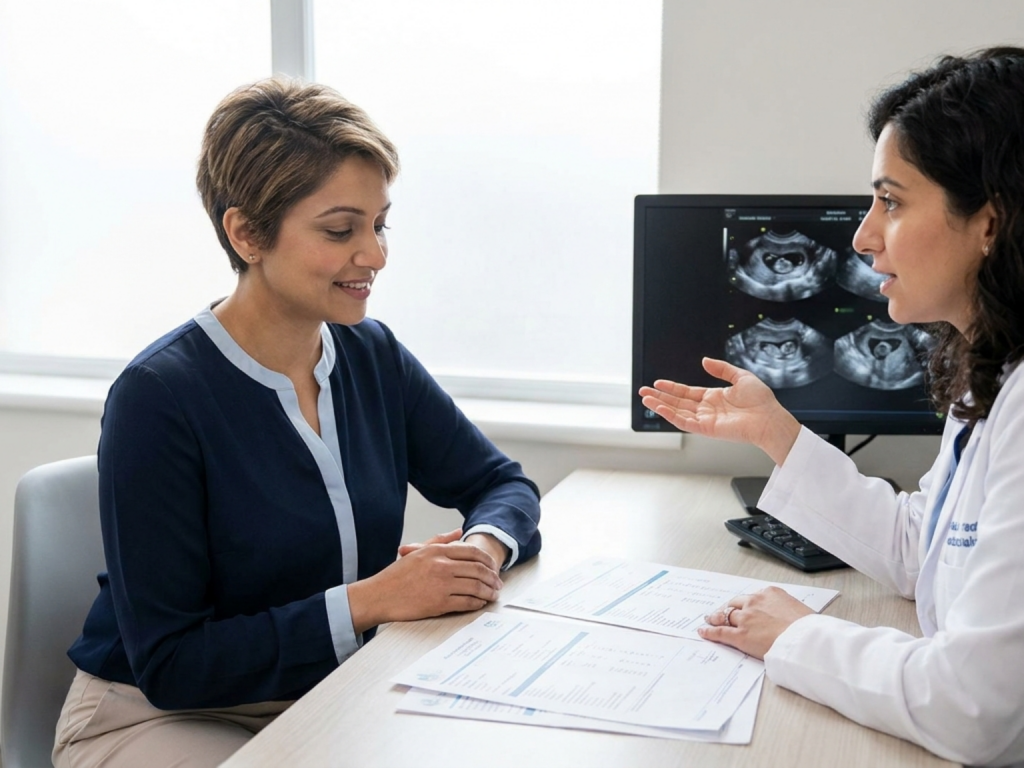
Egg quality and fertility are closely linked, but they are not the same thing. A person can have good ovulation and still face chromosomal issues in eggs; another may have lower ovarian reserve yet still produce viable eggs. That is why symptoms alone cannot reliably tell you what is happening at the oocyte level. If you are worried, a reproductive endocrinologist can help interpret age, ovarian reserve testing, medical history, and treatment goals together.
From a practical standpoint, the most useful approach is usually to focus on modifiable factors while accepting what cannot be changed. Stopping smoking, reducing exposure to known toxins, improving metabolic control, and addressing chronic disease may all support better reproductive health. At the same time, no article can tell you what your own eggs are doing. If you have been trying to conceive for a while, are planning IVF, or have a history of miscarriage or cancer treatment, a personalized consultation is more informative than self-diagnosis.
When to get professional advice
- Egg quality cannot be determined from symptoms, cycle length, or a home fertility test.
- Do not start or stop supplements, hormones, or medications without clinician input.
- Smoking, heavy alcohol use, and toxin exposure can worsen reproductive health.
- If you are on cancer treatment or have severe pelvic pain, seek timely specialist advice.
- Age cannot be reversed, but the overall fertility plan can still be individualized.
Tools & Assistance
- Preconception visit with an obstetrician-gynecologist or reproductive endocrinologist
- Metabolic screening when indicated, including HbA1c and thyroid testing
- Smoking cessation support and counseling
- Nutrition review with a registered dietitian familiar with fertility care
- Fertility clinic consultation if you are planning pregnancy or IVF
FAQ
Can egg quality be tested directly?
Not in a simple, routine way. Clinicians infer egg quality from age, ovarian response, embryo development, and the overall fertility history rather than from one stand-alone test.
Is age the only factor that matters?
No. Age is the strongest known factor, but metabolic health, smoking, environmental exposures, chronic disease, and some fertility treatment variables can also matter.
Can lifestyle changes improve egg quality quickly?
Some changes may support reproductive health over time, but egg development takes months and not every factor is modifiable. A clinician can help set realistic expectations.
Do PCOS or endometriosis always mean poor egg quality?
No. They can affect the ovarian environment or treatment response, but the impact varies widely from person to person.
Sources
- PubMed Central — The quality of human eggs and its pre-IVF incubation
- Mass Eye and Ear / FACE program, Harvard Medical School — What Affects Egg Quality
- IVI Fertility — Egg quality: Why is it important?
Disclaimer
This article is for educational purposes only and does not replace individualized medical advice, diagnosis, or treatment. If you have fertility concerns, pregnancy loss, or questions about egg quality, speak with an obstetrician-gynecologist or reproductive specialist.















Please log in to leave a comment.