

Intro
Baby development is shaped by a dynamic interaction between biology, health, relationships, and the environment. Growth begins before conception and continues through pregnancy, birth, infancy, and early childhood. Although developmental milestones provide useful reference points, babies do not all acquire skills on an identical timetable.
Understanding the factors that influence development can help caregivers provide supportive conditions and recognize when professional advice is appropriate. A variation in timing is often normal, while loss of previously acquired skills or a pattern of significant delay deserves prompt discussion with a healthcare professional.
Highlights
Development begins before birth and is influenced by genetics, maternal health, nutrition, hormones, and placental function.
Responsive relationships, safe movement, nutrition, sleep, and opportunities for exploration support learning after birth.
Prematurity, illness, hearing or vision differences, and environmental stressors can alter developmental trajectories without determining a child's outcome.
Milestones are reference points rather than rigid deadlines; developmental screening helps place a baby's progress in context.
Prenatal biology and fetal growth
Development is affected by conditions that exist before a baby is born. Genetic factors contribute to physical characteristics, metabolism, neurological maturation, and susceptibility to some medical conditions, but genes do not operate in isolation. Fetal growth reflects interactions among maternal size, nutrient availability, endocrine signals, growth factors, and placental function.
The placenta is an active biological interface rather than a simple passive filter. It supplies oxygen and nutrients, removes waste products, and produces hormones that help regulate pregnancy. Impaired placental perfusion or placental disease can restrict fetal growth and may increase the need for closer obstetric monitoring. These findings require individualized assessment; fetal size alone does not establish a diagnosis or predict a child’s complete developmental future.
Maternal medical conditions can also influence the intrauterine environment. Hypertension, diabetes, thyroid disease, severe anemia, infections, and other conditions may affect oxygen delivery, nutrient metabolism, or fetal growth. Appropriate prenatal care allows clinicians to identify and manage these risks. Medication decisions during pregnancy should be reviewed with the prescribing clinician or obstetric team, because abruptly stopping treatment can also create risk.
Nutrition, substances, and pregnancy care
Nutrition supplies the substrates needed for tissue formation, organ maturation, and brain development. A balanced dietary pattern that provides adequate energy, protein, iron, iodine, folate, calcium, vitamin D, and other nutrients is important, while the appropriate supplementation plan depends on individual circumstances. Food insecurity, persistent vomiting, malabsorption, restrictive diets, and eating disorders can make nutritional assessment especially important.
Alcohol exposure during pregnancy can affect fetal brain development, and tobacco smoke reduces oxygen delivery and is associated with adverse pregnancy and infant outcomes. Avoiding alcohol, smoking, vaping, and non-prescribed drugs is an important risk-reduction measure. Exposure to recreational drugs, some medications, and environmental toxins should be discussed confidentially with a healthcare professional so that the actual risk and available support can be assessed without judgment.
Routine prenatal visits provide opportunities to monitor maternal health, fetal growth, blood pressure, laboratory findings, and signs of infection. Vaccination and infection-prevention advice may also protect the pregnant person and baby. Prenatal care cannot eliminate every developmental risk, but it can identify treatable problems and support timely decisions when additional monitoring is needed.
Genetics, prematurity, and medical conditions
Some babies are born with genetic or chromosomal conditions that affect tone, feeding, hearing, vision, motor skills, language, or cognitive development. Other influences include congenital anomalies, neonatal infections, respiratory disease, seizures, significant jaundice, and prolonged hospitalization. These factors vary widely in severity and do not allow a reliable prediction from one observation alone. A developmental assessment considers the whole child, medical history, examination, and pattern of progress.
Prematurity is particularly important when interpreting milestones. Babies born before term may need time to develop skills relative to their chronological age. Clinicians often use corrected age for preterm babies during early developmental follow-up, although the period and method of correction can vary by local practice and degree of prematurity. A preterm baby may therefore be progressing appropriately even when skills are compared incorrectly with those of a full-term infant.
Early follow-up is valuable for babies with medical risk factors. Hearing and vision assessment, feeding review, physical examination, and standardized developmental screening can identify support needs. Early intervention services for infants may include physical, occupational, speech-language, or developmental therapy, depending on the child’s profile and local services. Referral is supportive, not a label of failure or a prediction that difficulties will be permanent.
Feeding, sleep, and physical health after birth
After birth, adequate nutrition supports somatic growth and neurological development. Breast milk, commercial infant formula, or a combination may all be appropriate depending on the family and medical situation. Effective feeding involves more than volume: clinicians may assess latch or bottle technique, coordination of sucking and swallowing, fatigue, growth trajectory, hydration, and signs of aspiration. Persistent feeding difficulty, repeated vomiting, poor urine output, or inadequate weight gain warrants medical evaluation rather than home experimentation.
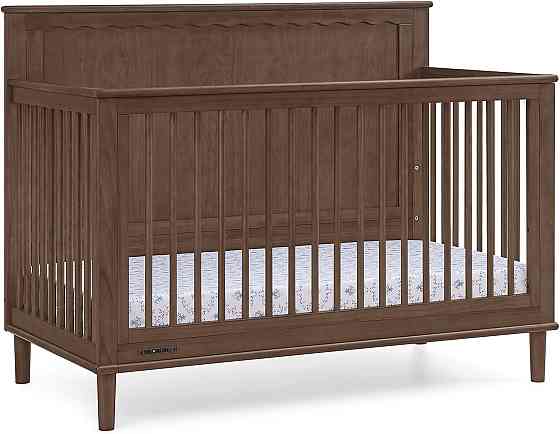
Sleep supports memory consolidation, emotional regulation, and recovery, but infant sleep patterns are immature and variable. Caregivers should follow safe sleep practices for infants, including placing the baby supine for sleep on a firm, flat surface without loose bedding or soft objects, in accordance with current local guidance. Safe sleep does not mean every baby will sleep for long periods, and frequent waking can be developmentally normal.
Physical development in babies is influenced by health, muscle tone, opportunities to move, and sensory input. Awake, supervised floor play and supervised tummy time while awake help babies practice head control and postural adjustments. Equipment that restricts movement for long periods should not replace opportunities for free movement. The baby’s comfort, airway safety, and medical needs should guide all activity.
Relationships, language, and the learning environment
Babies learn through repeated interactions with responsive caregivers. Responsive caregiving for babies means noticing cues, responding consistently, and adapting stimulation to the baby’s state. Eye contact, vocal turn-taking, cuddling, feeding interactions, singing, reading, and ordinary conversation provide rich social and linguistic input without requiring expensive toys or formal lessons.
Secure, predictable relationships help regulate stress and support attention. This does not require perfect availability or constant entertainment. A caregiver who pauses, observes, and responds to a baby’s signals is supporting early self-regulation and social-emotional development in infancy. If a baby turns away, becomes fussy, yawns, or appears overwhelmed, reducing stimulation and offering a calm pause may be more helpful than adding another activity.
The home environment also matters. Safe spaces for movement, varied age-appropriate sensory experiences, and opportunities to hear language support exploration. Conversely, chronic exposure to violence, severe caregiver stress, neglect, or unstable housing can place strain on development. These are public-health and social circumstances, not individual moral failures. Families facing them should be offered practical support, mental-health care, social services, and safeguarding assistance when needed.
Milestones, monitoring, and individual variation
Development spans several domains: gross and fine motor skills, communication, cognition, social interaction, and adaptive abilities. Progress may be uneven. A baby can be advanced in social engagement while slower in a motor skill, or may temporarily focus on one area while another appears quieter. Cultural practices, temperament, opportunities for practice, and corrected age all influence how a milestone appears.
Milestone checklists are useful for conversations, but they are not diagnostic tests. Clinicians interpret them alongside growth measurements, neurological examination, hearing and vision status, feeding, sleep, and family observations. Developmental screening questionnaires can make concerns easier to identify, particularly when completed at recommended health visits. Caregivers should share videos or specific examples when a behavior is difficult to describe.
Contact a healthcare professional if a baby loses a previously acquired skill, has a persistent asymmetry, seems unusually stiff or floppy, does not respond to sound or visual interaction, has ongoing feeding or breathing difficulties, or shows a pattern of not progressing. Developmental regression in babies is especially important to report promptly. Seeking assessment does not mean that a serious condition is present; it creates an opportunity to clarify expectations and arrange help early when it is indicated.
When to seek medical advice
- Loss of a skill the baby previously used consistently
- Persistent difficulty feeding, swallowing, breathing, or gaining weight
- Marked stiffness, floppiness, weakness, or use of one side of the body
- Limited response to sound, faces, light, or social interaction
- Concerns about seizures, unusual movements, or a sudden change in behavior
- Any caregiver concern that feels persistent or significant
Tools & Assistance
- Bring milestone observations and feeding or sleep questions to routine well-baby visits.
- Use locally recommended developmental screening and hearing and vision assessments.
- Ask a pediatrician, family physician, midwife, or public health nurse about early intervention referral pathways.
- Seek lactation, feeding, nutrition, physiotherapy, occupational therapy, or speech-language support when clinically indicated.
- Use reputable public-health guidance for prenatal care, immunization, and safe sleep.
FAQ
Does a delayed milestone always mean a developmental disorder?
No. Developmental timing varies, and prematurity, temperament, opportunity, illness, and corrected age can affect performance. A clinician should assess a persistent pattern or loss of skills rather than relying on one milestone.
Can everyday activities support baby development?
Yes. Talking, reading, singing, responsive play, safe floor time, and ordinary caregiving interactions provide meaningful sensory, motor, language, and social experiences.
How does prematurity affect developmental expectations?
A preterm baby may be evaluated using corrected age for a period of early development. Ask the baby's healthcare team which age framework and follow-up schedule are appropriate.
What should I do if my baby stops doing a skill?
Contact a healthcare professional promptly, especially if the change is clear or accompanied by feeding, breathing, movement, or responsiveness concerns. Regression should be assessed rather than watched indefinitely.
Sources
- PubMed — Determinants of fetal growth
- MedlinePlus — Infant and Newborn Development
- MedlinePlus — Fetal Health and Development
Disclaimer
This article is for general educational purposes and does not diagnose, treat, or replace advice from a qualified healthcare professional. Seek prompt medical care for urgent concerns or sudden changes in a baby's condition.
















Please log in to leave a comment.