

Intro
Supporting a baby’s development at home does not require expensive equipment, formal lessons, or a perfect routine. In the first year, the most powerful developmental “interventions” are usually consistent, responsive caregiving: holding your baby safely, talking and reading, following their cues, offering supervised movement, protecting sleep, and seeking help early when something feels off.
Baby development is neurobiological and relational at the same time. A baby’s brain is building sensory, motor, language, emotional, and social networks through repeated everyday experiences. Your voice, face, touch, predictable care, and calm response to distress help organize those networks. The goal is not to accelerate milestones, but to create a safe, responsive environment where your baby can grow at their own pace while health professionals monitor for concerns.
Highlights
Responsive caregiving supports early brain architecture by linking comfort, communication, and safety.
Simple daily activities such as talking, singing, reading, cuddling, and supervised tummy time can support infant development.
Babies need protection from overstimulation, unsafe sleep environments, choking hazards, smoke exposure, and rough handling.
Development varies, but loss of skills, poor feeding, very low responsiveness, or delayed motor progress should be discussed with a healthcare professional.
Start with responsive caregiving
For a baby, development begins in relationship. When you notice hunger cues, tired signs, discomfort, or a need for closeness and respond consistently, you help your baby learn that the world is predictable. This supports attachment, stress regulation, and early social communication. It does not mean you must prevent every cry instantly or never feel frustrated. It means you repeatedly return to your baby with warmth, safety, and attention.
In practical terms, responsive caregiving looks like pausing to observe before acting, then matching your response to the baby’s signal. A rooting newborn may need feeding. A baby turning away, arching, or fussing during play may need a quieter environment. A baby who becomes alert when hearing your voice may be ready for a few minutes of face-to-face interaction. These small cycles of cue and response are foundational for infant development.
Skin-to-skin contact, cuddling, gentle rocking, and eye contact are especially useful in the newborn period. They can support bonding, temperature regulation, feeding routines, and physiologic calming. If your baby was born preterm, has medical complexity, or has feeding challenges, ask your pediatric clinician how to adapt holding and interaction to your baby’s needs.
Talk, sing, read, and listen back
Early language development begins long before a baby says words. Babies learn the rhythm, tone, and emotional meaning of language through repeated exposure to responsive human speech. You can narrate ordinary care: “I’m changing your diaper,” “You heard the dog,” or “Now we are washing your hands.” The content matters less than the warmth, repetition, and turn-taking.
Try short “conversations” even with a very young baby. When your baby coos, kicks, widens their eyes, or looks toward you, answer as if they have contributed to the conversation. This serve-and-return pattern supports attention, auditory processing, social engagement, and later communication. Singing and nursery rhymes add rhythm and repetition, which many babies find calming.
Reading can start in the first weeks. Use sturdy books, high-contrast images, or simply describe pictures. A newborn may only attend briefly, and that is normal. Reading at this age is less about comprehension and more about shared attention, hearing language, and forming a predictable routine. If your household uses more than one language, speaking naturally in those languages is usually beneficial; babies can learn from rich, consistent language exposure.
Support movement through safe floor time
Babies build strength and coordination through gradual, supervised movement. Safe floor time for infants gives them room to stretch, turn, kick, look around, and explore gravity. A firm blanket or play mat on the floor is usually safer and more developmentally useful than prolonged time in seats, swings, or carriers when the baby is awake.
Supervised tummy time is one of the most important early movement activities. It helps strengthen the neck, shoulders, trunk, and upper body, and it gives babies practice lifting and turning the head. Start with very short sessions, even one to three minutes, several times a day when your baby is awake and calm. You can place your baby on your chest, across your lap, or on a firm surface while you stay close. Gradually increase duration as your baby tolerates it.
Because newborn head control milestones develop over time, always use newborn head and neck support when lifting, carrying, or transferring a young baby. Avoid leaving a baby unattended on a couch, bed, changing table, or any elevated surface, even before they can roll reliably. Motor skills can emerge suddenly, and falls can happen quickly.
Movement should be inviting, not forced. Place a toy or your face slightly to one side to encourage turning. Let your baby kick freely during diaper-free or loosely clothed time if the room is warm enough. If your baby strongly dislikes tummy time, spits up frequently, seems unusually stiff or floppy, or consistently turns the head to only one side, discuss this with your clinician.
Create a calm sensory environment
Babies learn through sensory input, but their nervous systems are immature. Too much noise, light, handling, or activity can lead to overstimulation. Signs may include turning away, yawning, hiccuping, finger splaying, arching, grimacing, fussing, or becoming difficult to soothe. These signs do not mean you did something wrong; they are communication.
A supportive home environment alternates brief, warm interaction with rest. For a newborn, a few minutes of eye contact, talking, or tummy time may be plenty before they need a break. As babies mature, they often tolerate longer play and become more socially engaged. Follow your baby’s cues rather than a rigid schedule.
Limit screen exposure for babies. Human interaction is more developmentally meaningful than passive screen viewing, and screens can displace sleep, movement, and caregiver-child communication. If screens are present in the home, try to keep them from dominating feeding, play, and bedtime routines. Background television can also reduce the amount of direct speech a baby hears.
Simple toys are enough: a caregiver’s face, a soft voice, a rattle, a high-contrast card, a safe mirror, or a textured cloth can be engaging. Rotate one or two items rather than surrounding the baby with many stimuli. The best “toy” is often an attentive adult who notices what the baby is looking at and responds.
Protect sleep, feeding, and safety
Development is closely linked with basic physiology: sleep, nutrition, oxygenation, and safety. Use safe sleep habits for newborns and infants: place your baby on their back for every sleep, on a firm, flat sleep surface, without loose blankets, pillows, soft toys, or bumpers. Room-sharing without bed-sharing is commonly recommended for young infants. If your baby has a medical condition that affects sleep positioning, follow individualized medical guidance.
Feeding is also developmental. Whether breastfed, formula-fed, or combination-fed, babies learn regulation through feeding cues, pacing, and caregiver responsiveness. Watch for early hunger signs such as rooting, hand-to-mouth movements, and increased alertness rather than waiting only for crying. If feeding is painful, prolonged, associated with poor weight gain, coughing, color change, or significant fatigue, seek professional evaluation.
Safety guidance is part of developmental support because preventable injury can disrupt growth and neurologic health. Never shake a baby. If crying feels overwhelming, place the baby on their back in a safe sleep space and step away briefly while you call a trusted adult, nurse line, or emergency service if needed. Also reduce choking risk by keeping small objects, button batteries, magnets, coins, and unsafe foods away from the baby’s environment.
A smoke-free environment matters. Tobacco smoke, vaping aerosols, and other indoor pollutants can affect respiratory health and increase risk for illness. Ask visitors and caregivers to wash hands before handling the baby, especially in the newborn period or during respiratory virus season.
Use routines without becoming rigid
Babies benefit from predictable patterns, but they do not need strict schedules early in life. A simple rhythm might include feeding, diapering, a few minutes of interaction, supervised movement, and sleep. Repetition helps babies anticipate what comes next and helps caregivers notice changes in behavior.
Routines are especially helpful around sleep and calming. A short bedtime pattern, such as dim lights, feeding, a quiet song, and placing the baby in a safe sleep space, can become a cue for rest. During the day, opening curtains, talking normally, and offering active floor time can help distinguish day from night over time.
Developmental play can be integrated into care rather than added as another pressure. During diaper changes, make eye contact and talk. During bathing, describe the water and body parts. During feeding, notice when your baby needs a pause. During walks, describe sounds and light. These ordinary moments are neurologically rich when they are safe and responsive.
Know when to seek professional guidance
Every baby develops at an individual pace, and milestone charts are screening tools rather than diagnostic labels. Still, early support is valuable when concerns arise. Contact your pediatrician, health visitor, or another qualified professional if your baby is not feeding well, has poor weight gain, seems persistently very sleepy or difficult to wake for feeds, does not respond to loud sounds, has very limited eye contact over time, or shows persistent stiffness, floppiness, or asymmetry.
Developmental regression in babies, meaning loss of a previously acquired skill, deserves prompt medical advice. Also seek care urgently for fever in a young infant according to your local medical guidance, breathing difficulty, blue or gray color, seizures, repeated forceful vomiting, signs of dehydration, or any situation where your baby seems seriously unwell.
If your baby was born prematurely, ask about corrected age for preterm babies when discussing milestones. Corrected age can give a more accurate developmental frame during infancy. If you feel anxious, low, detached, or overwhelmed, your wellbeing matters too. Parent mental health affects the caregiving environment, and support is available through healthcare teams, community services, and crisis resources.
Safety and medical caution
- Always place babies on their back for sleep unless a clinician gives different medical instructions.
- Never shake a baby; if you feel overwhelmed, place the baby safely down and get help.
- Seek urgent care for breathing difficulty, blue color, seizures, severe lethargy, or concerning fever in a young infant.
- Discuss feeding difficulty, poor weight gain, loss of skills, persistent stiffness, or marked floppiness with a healthcare professional.
- Keep small objects, button batteries, magnets, smoke, and unsafe sleep items away from the baby.
Tools & Assistance
- Use a simple daily rhythm of feeding, sleep, talking, cuddling, and supervised tummy time.
- Keep a brief note of feeding, sleep, and developmental concerns to discuss at well-baby visits.
- Ask your pediatrician about developmental screening and corrected age if your baby was premature.
- Contact a lactation consultant, infant feeding specialist, or pediatric clinician if feeding is painful or inefficient.
- Call local urgent care, emergency services, or a nurse advice line if your baby appears seriously unwell.
FAQ
How much tummy time does a newborn need?
Start with very short supervised sessions, even one to three minutes at a time, when the baby is awake and calm. Increase gradually as tolerated, and ask your clinician for advice if your baby seems distressed, very stiff, very floppy, or strongly favors one side.
Can I spoil my baby by holding them too much?
Young babies do not manipulate caregivers in the adult sense. Responsive holding and comforting support attachment, physiologic regulation, and emotional security. Caregivers also need breaks, so safe handoffs and support from trusted adults are important.
Do babies need special developmental toys?
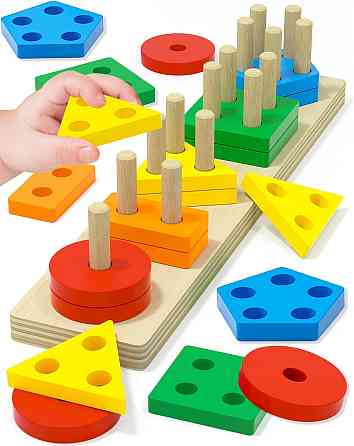
Usually no. A caregiver’s voice, face, safe floor space, simple books, rattles, and high-contrast objects are enough for many developmental activities. Interaction and safety matter more than expensive equipment.
When should I worry about milestones?
Milestones vary, but concerns such as poor feeding, lack of response to sound, persistent low responsiveness, loss of skills, or unusual stiffness or floppiness should be discussed with a healthcare professional. Screening does not diagnose by itself, but it helps identify babies who may benefit from evaluation.
Should babies watch educational videos?
For infants, direct human interaction is more valuable than passive screen time. Talking, singing, reading, movement, and sleep are better foundations for early development.
Sources
- Centers for Disease Control and Prevention (CDC) — Positive Parenting Tips: Infants (0–1 years)
- Mayo Clinic — Infant development: Birth to 3 months
- Raising Children Network — Baby development at 1 month - Newborns
Disclaimer
This article is for general educational purposes and does not diagnose, treat, or replace medical care. Always consult a qualified healthcare professional for concerns about your baby’s health, feeding, sleep, or development.

















Please log in to leave a comment.