

Intro
Breastfeeding can be nourishing, protective, and deeply meaningful, but it is also a learned physiologic skill for both parent and baby. Pain, engorgement, latch difficulty, uncertain milk supply, and inflammatory breast symptoms are common enough that needing help should be considered normal, not a personal failure.
This article reviews frequent breastfeeding problems and practical, medically cautious solutions. It is written for a medically literate reader, so terms such as milk transfer, ductal narrowing, mastitis, and infant output are used with brief explanations. The goal is to help you recognize patterns, use safe first steps, and know when to involve a lactation consultant, midwife, pediatrician, obstetrician, or other qualified clinician.
Highlights
Most early breastfeeding problems improve with skilled assessment of latch, positioning, feeding frequency, and infant milk transfer.
Protecting milk removal is central: if direct feeding is too painful or ineffective, hand expression or pumping can help maintain supply while support is arranged.
Breast pain with fever, spreading redness, or systemic illness needs prompt medical advice because mastitis or abscess may require clinical treatment.
Infant hydration and weight trends matter as much as parental symptoms; poor output, lethargy, or ongoing weight loss should not be watched passively.
Painful latch and sore nipples
Nipple tenderness in the first days can happen, but persistent sharp pain, pinching, blanching, bleeding, fissures, or pain that lasts through the feed usually signals a problem worth assessing. The most common driver is shallow latch: the baby compresses the nipple rather than drawing a larger portion of breast tissue into the mouth. This can reduce milk transfer and create a cycle of pain, longer feeds, and inadequate breast drainage.
Practical steps often begin with positioning. Bring the baby close, chest-to-chest, with the nose near the nipple before latch. Wait for a wide gape, then bring the baby onto the breast rather than leaning the breast into the baby. Signs of more effective latch include rhythmic suck-swallow pauses, rounded cheeks, a comfortable pulling sensation rather than biting pain, and a nipple that is not flattened or creased after feeding.
If nipples are cracked or bleeding, breastfeeding is not automatically unsafe, but pain control and correcting the underlying latch matter. Express a little milk to soften the areola if it is firm, vary positions to reduce repeated pressure on the same area, and seek hands-on help early. If feeding directly is too painful, expressing milk temporarily can protect supply while the latch problem is evaluated. Nipple shields, if used, should ideally be fitted and monitored by a lactation professional because they can help some dyads but may worsen transfer if used incorrectly.
Engorgement and breast fullness
Engorgement is vascular congestion and milk accumulation that makes the breast swollen, tight, warm, and sometimes painful. It often appears when transitional milk increases in volume, after longer gaps between feeds, or when infant transfer is inefficient. Severe engorgement can flatten the nipple-areolar complex, making latch harder and worsening the cycle.
Frequent milk removal is usually the foundation. Feed responsively and often, ensuring effective latch and audible swallowing. If the baby cannot latch because the areola is too firm, gentle hand expression or brief pumping before feeding may soften the tissue enough to allow attachment. Warmth just before feeding may help milk flow for some parents, while cold packs after feeding can reduce swelling and discomfort.
Avoid aggressive deep massage, which can injure inflamed tissue. Gentle lymphatic-style stroking toward the armpit or collarbone may be more comfortable when swelling is prominent. If engorgement is associated with fever, worsening redness, or flu-like symptoms, contact a clinician rather than assuming it is simple fullness.
Low milk supply concerns
Many parents worry about supply, especially during cluster feeding, evening fussiness, or growth spurts. These patterns can be normal and do not always mean low production. More objective markers include infant weight trajectory, urine and stool output, swallowing during feeds, and whether the baby seems persistently sleepy, frantic, or unsatisfied despite frequent feeding.
Early milk supply establishment depends heavily on frequent and effective milk removal. In the first weeks, long scheduled gaps, shallow latch, delayed feeding because the baby is sleepy, significant postpartum hemorrhage, retained placental tissue, some endocrine conditions, breast surgery, and certain medications can all affect supply or transfer. When supply is a concern, a weighted feed, latch assessment, and review of feeding frequency can be more informative than pumping volume alone.
Common protective measures include feeding at early cues, offering both breasts when appropriate, using breast compressions during sleepy feeding, and expressing milk if the baby is not transferring well. If supplementation is medically indicated, it can be done in a way that supports breastfeeding goals, such as pumping or hand expressing whenever a feed is replaced. Parents should not feel blamed if supplementation is needed; the priority is a safely fed baby and a sustainable plan.
Oversupply, leaking, and fast let-down
Oversupply can sound like a welcome problem, but it may be uncomfortable and destabilizing. The baby may cough, pull off, gulp, clamp, become gassy, or have frothy stools when flow is very forceful. The parent may experience recurrent engorgement, leaking, or blocked-duct symptoms because production exceeds removal needs.
Helpful strategies depend on severity. Laid-back positioning can allow gravity to slow flow. Letting the first forceful spray release into a cloth before latching may help some babies. Feeding from one breast per feed may be useful in select situations, but prolonged block feeding can reduce supply too much and should be discussed with a lactation professional if symptoms are significant.
Avoid routinely pumping large extra volumes unless there is a clear reason, because extra removal may signal the breast to produce more. If oversupply coexists with poor infant growth, blood in stools, persistent distress, or parental breast inflammation, professional assessment is important to avoid missing other causes.
Blocked-duct symptoms and mastitis concerns
Many clinicians now describe so-called plugged ducts as localized areas of inflammatory narrowing rather than a single solid plug. Symptoms may include a tender lump, focal swelling, and discomfort during let-down. Mastitis refers to breast inflammation that may be inflammatory or infectious; it can include fever, chills, body aches, redness, and increasing pain.
Initial supportive care often includes continuing milk removal at a comfortable frequency, avoiding overstimulation, using cold packs, resting, hydrating, and using clinician-approved pain relief if appropriate for the individual. Gentle handling is preferred; forceful massage, vibration, or trying to “dig out” a lump can worsen tissue edema.
Prompt medical advice is important if fever, systemic illness, rapidly spreading redness, severe pain, or symptoms that do not improve occur. A breast abscess is uncommon but possible and may present as a persistent painful swelling, sometimes with fluctuance or ongoing fever. Antibiotics, imaging, or drainage should only be decided by a qualified healthcare professional after assessment.
Thrush, vasospasm, and other nipple pain mimics
Not all nipple pain is a latch problem. Burning nipple pain, shiny or flaky skin, or pain between feeds is sometimes attributed to yeast, but symptoms can overlap with dermatitis, bacterial infection, trauma, pump injury, or vasospasm. Vasospasm may cause nipple blanching followed by color changes and burning or throbbing pain, often triggered by cold or compression.
Because treatments differ, avoid self-diagnosing persistent nipple pain. Review latch, pump flange fit, cleaning routines, topical products, and any infant oral symptoms with a clinician. If medication is needed for parent or baby, it should be recommended by an appropriate healthcare professional, especially when symptoms recur or do not respond as expected.
In the meantime, reducing mechanical trauma is reasonable: optimize latch, ensure pump suction is not excessive, check flange size, keep nipples dry between feeds if moisture worsens irritation, and avoid unnecessary soaps or fragranced products on the nipple area.
Sleepy babies, jaundice, and inadequate transfer
Some newborns are sleepy in the early days, particularly if premature, jaundiced, recovering from a difficult birth, or affected by medications. A baby who sleeps through feeds may seem easy, but ineffective feeding can reduce milk removal and delay intake. Tracking diapers and weight checks is therefore essential, especially during the first weeks.
Try feeding at early cues, but do not rely only on crying, which is a late cue. Skin-to-skin contact, gentle waking, breast compressions, and offering expressed colostrum or milk may help when a newborn is too sleepy to sustain feeds. If the baby has excessive sleepiness, poor tone, weak suck, fewer wet diapers than expected, dark urine, persistent jaundice, or continued weight loss, seek prompt pediatric guidance.
Parents often benefit from a written plan that covers direct breastfeeding attempts, expressed milk volumes if needed, pumping frequency, and timing of weight reassessment. This kind of plan can reduce anxiety because it protects both infant intake and the parent’s milk production while the cause of poor transfer is addressed.
Pumping, expression, and mixed feeding without guilt
Pumping and hand expression are tools, not signs of failure. They can relieve engorgement, collect colostrum when latch is ineffective, maintain supply during separation, and provide milk when direct breastfeeding is temporarily too painful. Hand expression can be especially useful in the first days because colostrum is thick and produced in small volumes that may be easier to collect by hand than by pump.
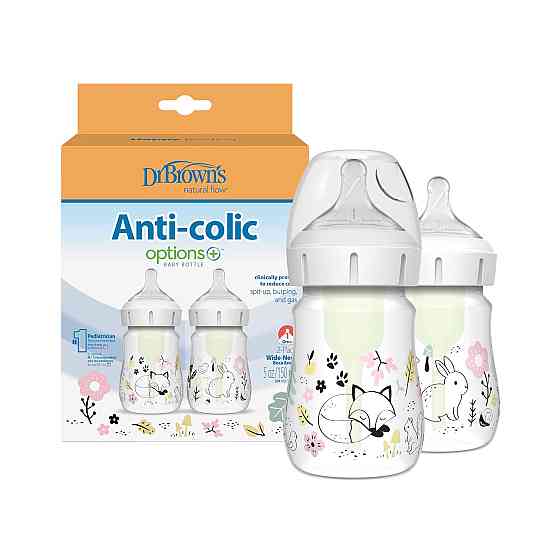
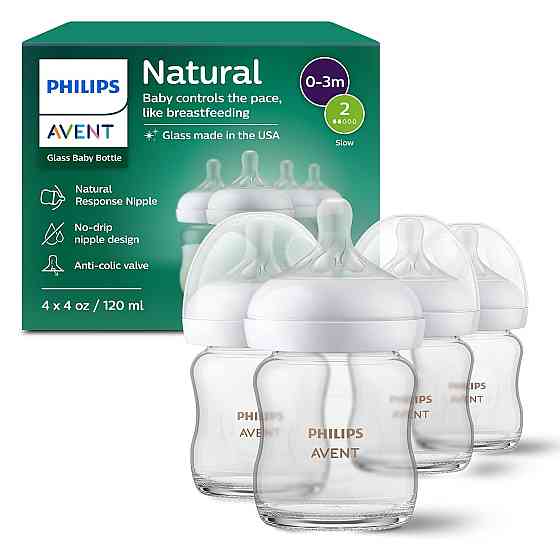
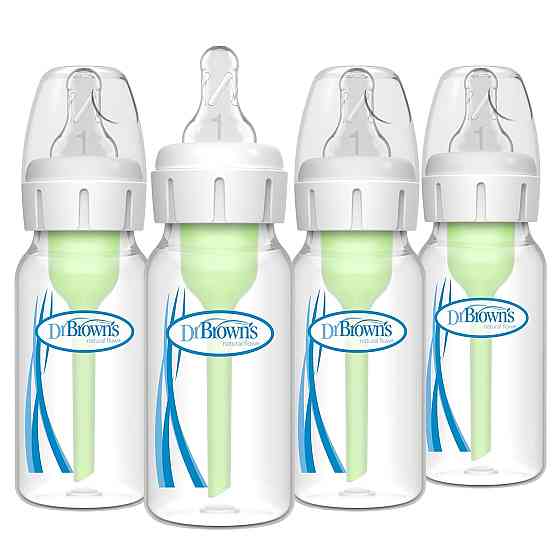
If pumping replaces a feed, milk removal around the same time helps maintain supply signals. Pump comfort matters: suction should not be maximized if it causes pain, and flange fit should be checked if nipples rub, swell excessively, or blanch. Cleaning newborn feeding equipment carefully is important when expressed milk or bottles are used.
Some families use expressed milk, donor milk where available, or infant formula as part of a medically appropriate plan. Formula feeding a newborn can be a safe bridge or long-term choice when needed. A compassionate feeding plan should protect the baby’s hydration and growth, support parental recovery, and respect the family’s goals.
When to seek urgent advice
- Fever, chills, flu-like illness, rapidly spreading breast redness, or severe breast pain.
- A painful breast lump that persists, worsens, or is associated with ongoing fever.
- Newborn dehydration signs such as very few wet diapers, dark urine, dry mouth, lethargy, or poor feeding.
- Excessive sleepiness, weak suck, persistent jaundice, or continued weight loss in a newborn.
- Nipple wounds with increasing redness, swelling, pus, or severe pain.
Tools & Assistance
- Book an observed feed with an International Board Certified Lactation Consultant or trained breastfeeding specialist.
- Contact the baby’s pediatric clinician for weight checks, diaper output concerns, jaundice, or feeding lethargy.
- Contact the birthing parent’s obstetric, midwifery, or primary care clinician for fever, mastitis symptoms, or severe nipple injury.
- Use a simple feeding and diaper log for several days when milk transfer or hydration is uncertain.
- Ask for an individualized plan before using nipple shields, block feeding, or supplementation strategies.
FAQ
Is breastfeeding supposed to hurt at the beginning?
Mild transient tenderness can occur, but toe-curling pain, cracked nipples, bleeding, or pain throughout a feed is not something to simply endure. It usually warrants latch, positioning, and milk-transfer assessment.
How do I know if my baby is getting enough milk?
Useful signs include appropriate weight trend, expected wet and stool diapers for age, audible swallowing, relaxed hands and body after feeds, and alert periods. If output is low or weight is concerning, contact the baby’s clinician promptly.
Should I stop breastfeeding if I have mastitis symptoms?
Do not stop abruptly unless a clinician specifically advises it, because sudden milk stasis may worsen symptoms. Continue comfortable milk removal and seek medical advice, especially with fever or systemic illness.
Can pumping reduce my supply?
Pumping can maintain or increase supply when it replaces ineffective feeds, but excessive pumping can contribute to oversupply. The effect depends on timing, frequency, comfort, and how much milk is removed.
When is supplementation appropriate?
Supplementation may be appropriate for dehydration risk, excessive weight loss, hypoglycemia risk, significant jaundice, poor transfer, or parental medical reasons. A clinician can help decide what, how much, and how to protect breastfeeding if that is the goal.
Sources
- American College of Obstetricians and Gynecologists — Breastfeeding Challenges
- NHS — Common breastfeeding problems
- MedlinePlus — Overcoming breastfeeding problems
Disclaimer
This article is for general medical education and does not diagnose, prescribe, or replace individualized care. For breast infection symptoms, infant feeding concerns, dehydration, jaundice, or severe pain, consult a qualified healthcare professional promptly.















Please log in to leave a comment.