
Intro
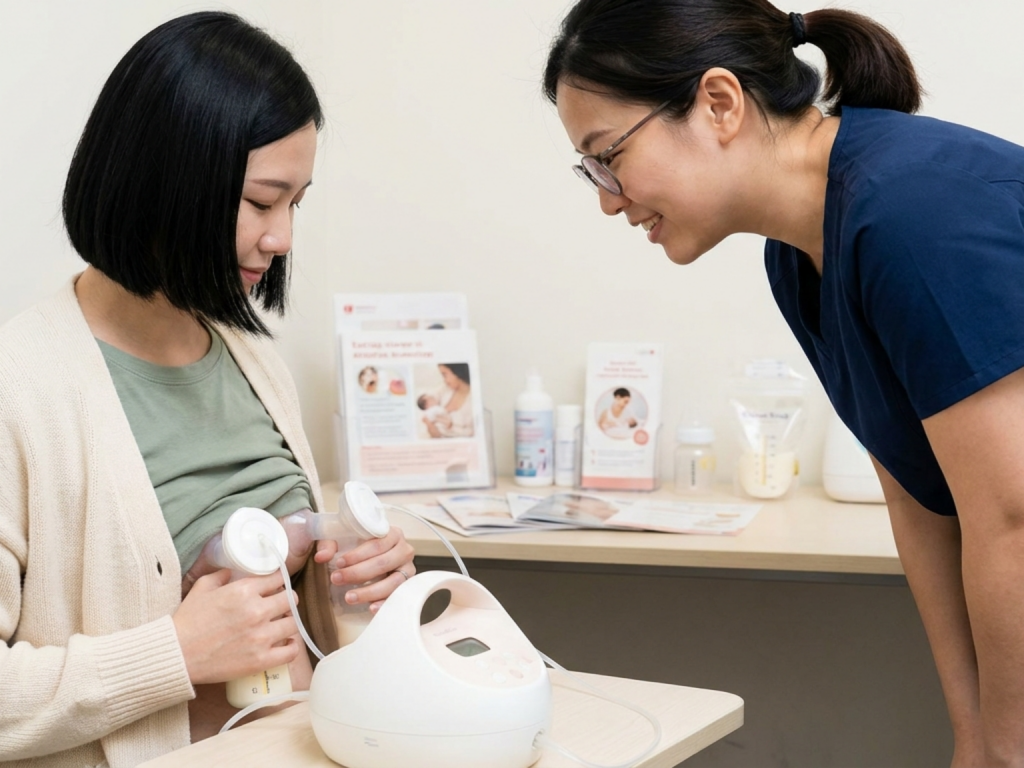
Pumping is a form of milk removal, and milk removal is one of the main signals that regulates human milk production. When milk is removed regularly and effectively, the breasts generally receive a stronger physiologic stimulus to continue producing milk. When removal is infrequent, incomplete, or unexpectedly interrupted, production may gradually decline. The effect is not determined by a single pumping session but by the pattern over time.
Pumping can support many feeding plans, including temporary supplementation, separation from an infant, return to work, building a stored supply, or exclusive expression. It can also create pressure, discomfort, or uncertainty, particularly when the amount collected does not seem to reflect what the baby needs. Understanding the physiology can help you interpret pumping output without treating one measurement as a diagnosis.
Highlights
Frequent, effective milk removal generally supports milk production because it reinforces the hormonal and local signals that regulate supply.
Pumping soon after birth and pumping regularly may help establish production, especially when direct feeding is difficult or milk transfer is limited.
The volume collected during one session does not necessarily represent total milk supply or the amount a baby can obtain at the breast.
Exclusive pumping can provide human milk, but it requires a sustainable schedule and careful attention to equipment, comfort, and milk storage.
Pain, persistent low output, or concerns about infant intake warrant individualized assessment from a qualified healthcare professional.
The physiology of milk production
Milk production is regulated by endocrine and autocrine mechanisms. During pregnancy and after placental delivery, hormonal changes, including a fall in progesterone and continued prolactin activity, enable lactogenesis, the process of establishing milk secretion. Once lactation is underway, repeated milk removal becomes a major determinant of ongoing production.
When an infant nurses or a pump removes milk, sensory stimulation at the nipple and areola contributes to prolactin release, which supports milk synthesis, and oxytocin release, which causes contraction of myoepithelial cells around the alveoli. This contraction produces the milk ejection reflex, sometimes called let-down. Milk removal also reduces local feedback signals associated with a fuller breast, allowing the breast to continue making milk.
The relationship is usually described as supply and demand, but it is not an instantaneous switch. A missed session may not cause an immediate measurable decrease, while repeated missed or ineffective removals can reduce production over days. Conversely, adding stimulation may increase production gradually rather than immediately. Individual variation is substantial, and breast capacity, postpartum stage, infant factors, illness, medications, and prior breast surgery can all influence the response.
Why frequency matters, especially early on
In the first days and weeks after birth, frequent milk removal helps establish the pattern that will regulate later production. A quality-improvement project found that pumping within the first hour after birth and pumping frequently were associated with earlier lactogenesis and higher milk volumes in the population studied. Early pumping patterns also showed potential value in predicting longer-term supply, although observational findings do not guarantee the same outcome for every parent.
Clinical guidance commonly describes approximately 8 to 10 effective milk removals in 24 hours during the period when supply is being established. This number is a general reference rather than a prescription. Some removals may be direct feeds, while others may be pump sessions. The most important factors are that milk is removed regularly and that the approach is feasible enough to continue.
Overnight removal can matter because long intervals without milk removal may reduce stimulation during a time when prolactin levels are relatively active. However, sleep and recovery are also medically important. A healthcare professional or lactation specialist can help balance overnight pumping with the parent’s health, the infant’s intake, and the clinical situation rather than applying a rigid schedule to everyone.
Pumping versus direct breastfeeding
Both pumping and direct breastfeeding can remove milk, but they are not physiologically identical. A healthy, effectively feeding infant may stimulate the breast in a highly coordinated way and can sometimes remove milk more efficiently than a pump. Infant suckling also changes in rhythm during a feed and may respond to breast compression, swallowing, and the milk ejection reflex in ways that a pump does not fully reproduce.
A pump can nevertheless be highly effective, particularly when flange fit, suction, cycle settings, and timing are appropriate. Double pumping may reduce total session time and can provide stronger overall stimulation for some parents. Comfort matters: very high suction is not automatically more effective and may cause nipple trauma, swelling, or pain that interferes with milk ejection.
Pumping can support direct breastfeeding when a baby is sleepy, premature, temporarily separated, or unable to transfer milk effectively. It can also maintain stimulation while a feeding problem is being assessed. At the same time, a United States study reported that exclusive pumping was associated with shorter milk-feeding duration and earlier formula introduction than feeding at the breast, with or without pumping. This association may reflect the additional workload and the circumstances that led families to pump; it should not be interpreted as a judgment about exclusive pumping or parental commitment.
How pumping patterns can raise or lower supply
Supply tends to respond to the cumulative pattern of milk removal. Pumping after a direct feed may provide additional stimulation when the goal is to increase production, although the amount collected may be small because the infant has already removed much of the available milk. A session that follows an incomplete feed can also help protect production while the cause of limited transfer is evaluated.
When replacing a breastfeed with a bottle, pumping at roughly the same time can help preserve the usual frequency of milk removal. If several feeds are routinely replaced without expression, the body may gradually receive a lower demand signal. In contrast, adding frequent sessions or brief stimulation periods may increase production for some people, but excessive pumping can contribute to engorgement, plugged areas, nipple injury, or an oversupply pattern.
Output naturally fluctuates by time of day, breast, equipment, hydration status, stress, and the interval since the last removal. A low-volume session does not prove low supply, and a large volume does not guarantee that an infant is transferring milk effectively. Trends, infant growth, diaper patterns, swallowing, and clinical assessment provide more useful context than a single pump measurement.
Protecting supply during separation or exclusive pumping
When separated from an infant, a practical goal is to approximate the infant’s usual feeding frequency, especially during the early postpartum period. Work, travel, illness, and caregiving demands may make exact timing impossible. A consistent pattern that can be maintained is often more useful than an idealized schedule that leads to exhaustion and repeated missed sessions.
For exclusive pumping, the schedule should account for the infant’s age, current intake, growth, and the parent’s production pattern. Early on, many parents need frequent sessions to establish supply. Later, some can consolidate sessions without a major change, while others need continued frequent removal. Changes are best made gradually and with professional guidance when there is a history of low supply, prematurity, poor infant growth, or medically complex feeding.
Equipment also affects effective removal. Check that the breast shield fits comfortably, replace worn pump parts according to manufacturer guidance, and use settings that produce rhythmic, comfortable milk removal. Cleaning and safe milk storage are essential, particularly for milk given to young or medically vulnerable infants. A reliable routine may include labeled containers, access to refrigeration or a cooler, and a plan for transporting expressed milk.
Interpreting output and recognizing when to seek help
Pump volume should be interpreted alongside the infant’s clinical picture. Signs that may be reassuring include audible swallowing during feeds, progressive breast softening after removal, age-appropriate diaper output, and expected weight gain. Conversely, persistent difficulty latching, prolonged feeds with little swallowing, significant nipple pain, or concerns about weight require assessment rather than simply increasing pump intensity.
For parents who pump, record trends rather than judging individual sessions. Note approximate frequency, total daily volume, discomfort, and whether output changes after equipment or schedule adjustments. Measurements can be useful to a lactation consultant or clinician, but they cannot independently determine whether an infant is receiving enough milk.
Support is particularly important when supply appears to fall suddenly, pumping causes bleeding or severe pain, there is fever or a worsening localized breast problem, or the infant is unusually sleepy, has markedly reduced urine output, or is not gaining weight as expected. These findings can have multiple causes. A lactation consultant assessment, pediatric evaluation, or medical review may be appropriate depending on the concern. Do not use pumping data alone to diagnose low supply, dehydration, infection, or another condition.
When to obtain prompt professional advice
- Your infant is difficult to wake for feeds, has markedly reduced wet diapers, or is not gaining weight as expected.
- You have persistent or severe nipple pain, bleeding, skin injury, or pain that worsens with pumping.
- You develop fever, a rapidly worsening localized breast problem, or feel acutely unwell.
- Milk output falls suddenly or remains persistently low despite regular, comfortable milk removal.
- You are considering major schedule changes, supplements, medications, or herbal products and need individualized guidance.
Tools & Assistance
- A simple 24-hour log for pumping frequency, approximate total volume, comfort, and infant feeds
- A correctly sized breast shield and manufacturer-approved replacement pump parts
- A pediatric clinician or lactation consultant for assessment of milk transfer, growth, and pumping technique
- A written plan for refrigeration, transport, labeling, and safe milk storage
- Newborn diaper output tracking paired with scheduled weight checks when clinically indicated
FAQ
Does pumping always increase milk supply?
No. Pumping can increase stimulation and milk removal, but the response varies. Effectiveness depends on frequency, breast drainage, equipment fit, postpartum stage, health, and other factors. Persistent concerns deserve individualized assessment.
How often should I pump to maintain supply?
During early establishment, guidance often refers to about 8 to 10 effective milk removals in 24 hours, including direct feeds when applicable. The appropriate pattern depends on the infant and parent, so a clinician or lactation professional can help tailor it.
Why do I pump less milk than my baby seems to drink?
A baby may remove milk more efficiently than a pump, and pump output varies with timing, stress, equipment, and the milk ejection reflex. One session is not a reliable measure of total supply.
Can exclusive pumping provide enough milk for a baby?
Exclusive pumping can provide human milk for some families, but it requires regular expression, careful equipment management, and attention to infant intake and growth. Professional support can help develop a sustainable plan.
Should I pump overnight?
Overnight milk removal may be relevant when establishing supply or protecting production after a missed feed, but sleep and recovery also matter. Discuss the balance with a healthcare professional, particularly if you or your infant have medical concerns.
Sources
- PubMed Central — Pump Early, Pump Often: A Continuous Quality Improvement Project
- PubMed Central — Pumping Milk Without Ever Feeding at the Breast in the United States
- University Hospitals Sussex NHS Foundation Trust — Helping your breastfed baby to get all they need
Disclaimer
This article is for general educational purposes and does not diagnose, treat, or replace individualized medical advice. Consult a qualified healthcare professional or lactation specialist about your health or your baby's feeding, growth, and milk intake.














Please log in to leave a comment.