
Intro
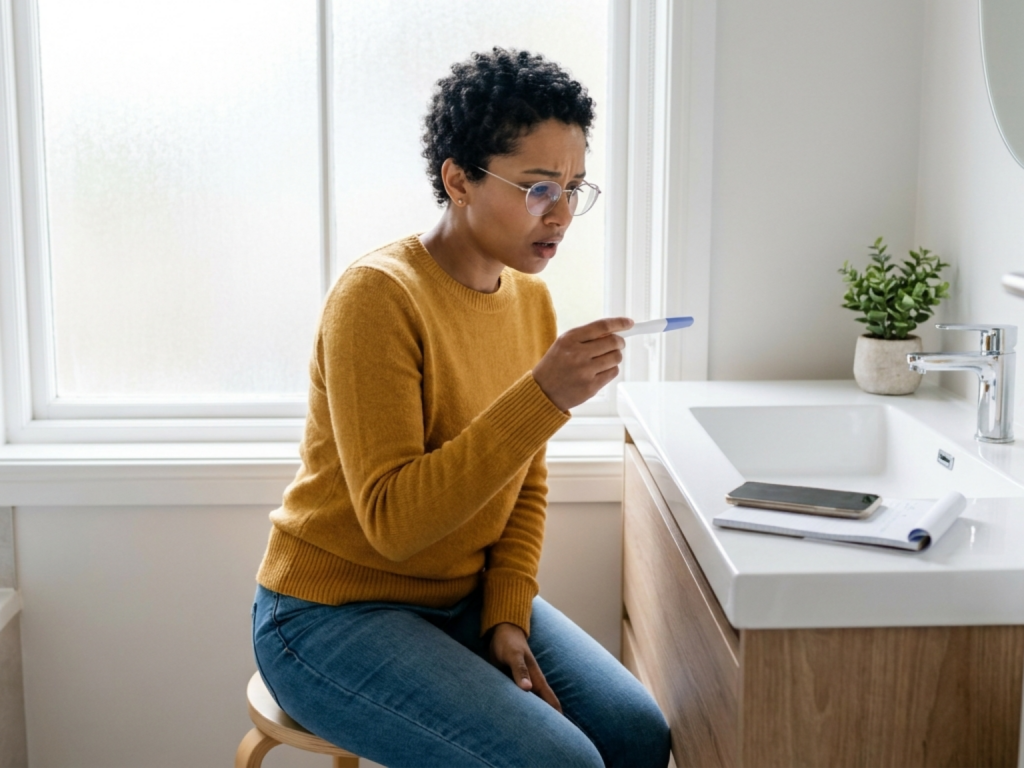
Finding out that a pregnancy is unplanned can stop time. A positive home pregnancy test may bring shock first, then a rush of emotions that seem to conflict with one another: fear and relief, numbness and tears, anger and hope, or even a surprising sense of calm.
Those reactions are common and human. They do not mean you are ungrateful, irresponsible, or already making the wrong decision. In the first hours and days, your nervous system may be reacting to a major life event, and it is normal if clear thinking takes longer than you expected.
Highlights
Shock after a positive test is often an acute stress response, not a sign that you are doing anything wrong.
Unplanned pregnancy can bring grief, fear, relief, anger, confusion, or numbness, sometimes all in the same day.
Strong stress around an unplanned pregnancy can affect sleep, appetite, concentration, and emotional regulation.
Early support matters because distress can deepen if you stay isolated or feel forced to make decisions too quickly.
Why a positive test can feel unreal
For many people, the first reaction to a positive home pregnancy test is not emotion at all, but disbelief. The brain may need time to process new information, especially if the pregnancy was not planned, timing feels impossible, or the result does not fit your life right now.
Shock can feel like mental fog, a racing pulse, or a sense that the moment is not fully real. Some people check the test repeatedly, search for explanations, or feel oddly detached from their own body. This is a common stress reaction. Your mind is trying to organize a lot of meaning at once: biology, relationships, finances, work, family expectations, health risks, and future plans.
It can also be complicated when the pregnancy is not unwanted in a simple sense. You may care about the pregnancy and still feel panic about the timing. You may have wanted a child someday and still feel overwhelmed today. That mixed response is valid.
The range of emotions that may appear
Unplanned pregnancy emotions rarely arrive in a neat order. They can change hour by hour, or even minute by minute, as the reality settles in. Some people feel a burst of fear or grief; others feel relief that they are not imagining the result. Some feel anger at themselves, at a partner, or at the situation. Others feel frozen and unable to think.
Common responses include:
- Shock or disbelief, especially immediately after the test.
- Anxiety about health, money, relationships, or work.
- Grief over the life you expected to keep.
- Loss of control, confusion, hopelessness, or feeling overwhelmed.
- Isolation, especially if you think nobody will understand.
None of these feelings are rare. They do not predict your character or your future. They reflect the fact that pregnancy is not only a medical event; it is also a major psychological and social transition.
If conception happened after contraceptive failure, in a strained relationship, or in a situation of coercion, the emotional load can be especially heavy. In that context, fear may be a signal that you need support and safety, not a sign that you are overreacting.
What acute stress can do to the body and mind
When something unexpected happens, the body can shift into a fight, flight, or freeze state. Stress hormones such as cortisol and adrenaline rise, which may create a pounding heartbeat, shaky hands, nausea, chest tightness, muscle tension, or difficulty sleeping. Some people lose their appetite; others eat more than usual. Concentration can become patchy, and even simple tasks may feel hard.
Psychologically, acute stress can narrow attention. You may find yourself looping on the same question: What now? That looping is understandable, but it can make decisions feel more urgent than they truly are. A short pause does not equal denial. It may simply be your nervous system trying to recover enough bandwidth for clear thought.
Research also suggests that stressful life events around an unplanned pregnancy can matter later on. In one study, women who experienced more stress around the time of an unplanned pregnancy had a higher risk of postpartum depressive symptoms later. That does not mean distress in early pregnancy causes depression, and it does not mean depression is inevitable. It does suggest that emotional strain deserves attention early, not only after it becomes severe.
If the emotional response is intense, persistent, or worsening, that can overlap with pregnancy-related anxiety or other perinatal mood and anxiety symptoms. Early recognition can make support easier to access.
What to do in the first 24 to 72 hours
In the first few days, the goal is not to solve your whole future. The goal is to get through the immediate shock safely and collect enough information to make the next step feel less chaotic.
Helpful first steps can include:
- Pause before making major decisions if you safely can. Urgency and clarity are not the same thing.
- Write down the date of the last menstrual period, any medications or supplements you take, and any symptoms such as pain or bleeding.
- Arrange an unplanned pregnancy early care visit with a healthcare professional or clinic that can confirm dating, discuss next steps, and answer questions.
- Ask for a pregnancy medication and supplement review, especially if you use prescription medicine, over-the-counter products, or herbal supplements.
- Seek urgent care if you have heavy bleeding, severe one-sided pain, fainting, or shoulder pain, which can be warning signs of ectopic pregnancy or another urgent problem.
Simple stabilization also matters. Drink water, eat something light if you can, and sleep if your body allows it. If you need to repeat the test for peace of mind, that is understandable, but a clinician can help confirm the result and timing more reliably than repeated self-testing alone.
Talking with a partner, family member, or friend
You do not need to tell everyone at once. In fact, protecting your privacy can be an important part of emotional safety. Choose one person who is likely to be calm, respectful, and able to listen without pushing their own agenda. If that person is a partner, you may want to think about whether partner support in pregnancy is actually available in practice, not just promised in words.
It can help to use a simple script: I just found out I am pregnant, I am shocked, and I need support while I figure out my next step. You do not have to explain every feeling immediately. If someone responds with pressure, judgment, or denial, you are allowed to end the conversation and come back to it later.
If you are worried about confidentiality, a clinic, counselor, or social worker may offer confidential pregnancy counseling. That can be especially important if you are young, financially dependent, facing family pressure, or concerned about safety. If there is any coercion, threats, or control around the pregnancy, prioritize safety and talk to a professional who can help you think through options privately.
When emotional distress needs extra support
Many people feel better once the first shock passes and they have time to gather information. But if distress stays intense, support should not wait. Reach out to a healthcare professional or mental health professional if you have panic that does not settle, cannot sleep for days, cannot eat, feel persistently hopeless, or cannot function at work or home.
Seek help promptly if you notice any of the following:
- Thoughts of self-harm or feeling that life is not worth living.
- Feeling detached from reality or unable to tell whether you are safe.
- Recurrent panic, shaking, or breathlessness that keeps returning.
- Use of alcohol or drugs to get through the day.
- Ongoing sadness, numbness, or fear that does not improve after the initial shock.
These can be signs that perinatal mood and anxiety symptoms are emerging, or that a preexisting mental health condition is being stressed by the pregnancy. Early treatment and support are often more effective than waiting until the situation becomes overwhelming. If you already work with a therapist or psychiatrist, let them know quickly that your circumstances have changed.
Finding a path forward without rushing yourself
After the first wave of shock, most people need two things at the same time: emotional support and accurate information. Those are not the same as pressure. You may need time to think about your values, your health, your finances, your relationships, and what kind of support would make pregnancy possible or not possible for you.
Depending on your situation, the next step may be a first prenatal appointment, pregnancy options counseling, or both. A trained professional can explain what is medically time-sensitive, what is not, and what choices exist where you live. The goal is not to push you toward one answer. The goal is to help you make a decision that is informed, safe, and consistent with your circumstances.
If you feel guilty for not reacting with instant joy, try to remember that emotional realism is not a failure. Many people move from shock to steadier footing only after several conversations and a little time. You do not need to have every answer today to deserve care, respect, and support.
Get urgent help now if you notice any of these
- Heavy vaginal bleeding or severe abdominal pain.
- Fainting, shoulder pain, or one-sided pelvic pain.
- Thoughts of self-harm or feeling unable to stay safe.
- Severe panic, confusion, or inability to function.
- Threats, coercion, or violence related to the pregnancy.
Tools & Assistance
- A trusted healthcare professional for confirmation, dating, and early pregnancy questions.
- A clinic or counselor that offers confidential pregnancy counseling.
- A crisis line or emergency service if you have thoughts of self-harm or feel unsafe.
- A written list of medications, supplements, symptoms, and questions for your visit.
FAQ
Is it normal to feel numb after a positive test?
Yes. Numbness, disbelief, and emotional shutdown are common early stress responses, especially when the pregnancy was not planned.
What if I feel both relieved and terrified?
Mixed emotions are very common. Relief and fear can exist together when the result changes your future but is not fully processed yet.
Should I make a decision right away?
Not usually. If there is no urgent medical issue, many people benefit from taking a short pause to gather information and support before deciding.
When should I seek medical help urgently?
Get urgent care for heavy bleeding, severe pain, fainting, or other warning signs that could suggest an ectopic pregnancy or another emergency.
Sources
- PubMed Central (PMC) — Stressful life events around the time of unplanned pregnancy and risk of postpartum depression in Japanese women
- PANDA — Unplanned pregnancy and mental health
- Psych Central — Dealing with Unplanned Pregnancy: 7 Tips to Cope
Disclaimer
This article is for general information only and does not replace individualized medical or mental health advice. If you have heavy bleeding, severe pain, thoughts of self-harm, or feel unsafe, seek urgent professional care.

















Please log in to leave a comment.