
Intro
Feeling more aware of your breathing can be one of the more surprising physical experiences of pregnancy. Some people notice it early, before there is much visible abdominal growth; others feel it most in the third trimester when climbing stairs, lying flat, talking while walking, or carrying groceries. Mild breathlessness is common in pregnancy and is often part of normal cardiopulmonary adaptation rather than a sign that anything is wrong.
At the same time, breathlessness deserves respect. Pregnancy changes oxygen demand, blood volume, clotting tendency, and the workload on the heart and lungs. Most breathing changes are benign, but sudden, severe, or associated symptoms can point to conditions that need urgent medical review. This article explains what is usually expected, what may help, and when to contact a clinician promptly.
Highlights
Mild shortness of breath is common in pregnancy and may begin early because progesterone increases respiratory drive.
In later pregnancy, the enlarging uterus can limit diaphragmatic excursion, making deep breaths feel harder, especially when lying flat or exerting yourself.
Seek urgent care for breathlessness with chest pain, fainting, blue lips, coughing blood, rapid worsening, or symptoms of a blood clot.
Asthma, anemia, infection, pulmonary embolism, and heart disease can also cause breathlessness in pregnancy and require medical assessment.
Position changes, pacing activities, gentle conditioning, and attention to posture may help, but persistent or concerning symptoms should be discussed with a healthcare professional.
Why breathing can feel different in pregnancy
Pregnancy places new demands on the respiratory and cardiovascular systems. Oxygen consumption rises to support maternal metabolism, the placenta, and fetal growth. To meet that demand, ventilation increases, largely through deeper breathing rather than a dramatically faster respiratory rate. Many pregnant people therefore feel more aware of each breath, even when oxygen levels are normal.
Progesterone is a major driver. This hormone increases sensitivity to carbon dioxide in the brain’s respiratory centers, encouraging you to breathe a little more deeply. The result can be a sensation of needing more air, sometimes described as air hunger, sighing more often, or noticing breathing while speaking. This may occur in the first or second trimester, before the uterus is large enough to physically crowd the diaphragm.
Later in pregnancy, mechanics matter more. As the uterus enlarges, it elevates the diaphragm and can reduce the space available for full lung expansion. Lung function usually adapts well, but the subjective effort of breathing may increase. Some people feel this most when lying flat, bending forward, after meals, or during exertion. The experience can overlap with other pregnancy discomforts such as heartburn, bloating, and rib pressure.
What is usually considered normal
Typical pregnancy-related breathlessness is generally mild to moderate, gradual in onset, and most noticeable with activity. You might find that stairs require more pauses, that brisk walking feels harder, or that you prefer sleeping propped up. Many people can still speak in full sentences, recover with rest, and do not have chest pain, fever, wheezing, fainting, or bluish discoloration.
Normal breathing changes may fluctuate from day to day. They can be more noticeable when you are tired, anxious, congested, constipated, or experiencing reflux. A full stomach can push upward and make diaphragmatic movement feel restricted, particularly in the third trimester. For related digestive contributors, heartburn and acid reflux in pregnancy can sometimes intensify the sensation of chest tightness or breath discomfort.
Some people experience improvement near the end of pregnancy when the baby’s head settles lower in the pelvis, often called lightening. This can reduce pressure under the ribs and make breathing feel easier, though bladder pressure may increase at the same time.
Early pregnancy versus late pregnancy breathlessness
In early pregnancy, breathlessness is more often hormonal and circulatory than mechanical. Blood volume begins to expand, the heart pumps more blood per minute, and progesterone alters respiratory drive. The sensation may be subtle: you may feel unusually winded during a workout that previously felt easy, or you may notice deeper breathing at rest.
In the second trimester, the body often continues adapting. Some people feel better as nausea and fatigue improve; others notice breathlessness more as blood volume and cardiac output rise. Dizziness and lightheadedness in pregnancy can also occur in this period, and when present alongside breathlessness should be discussed with a clinician, especially if episodes are recurrent or severe.
In the third trimester, the expanding uterus becomes a prominent factor. The diaphragm is pushed upward, rib cage dimensions shift, and posture changes. Breathlessness may be more obvious when lying on your back, carrying weight, climbing stairs, or talking while walking. It is still important not to assume every new breathing symptom is normal solely because pregnancy is advanced.
Practical ways to ease mild breathlessness
If breathlessness is mild, gradual, and not accompanied by warning signs, small adjustments may help you feel more comfortable. These strategies are supportive rather than curative, and they should not replace assessment if symptoms are new, worsening, or worrying.
- Change position. Sit upright, lift the chest, and avoid slumping. When resting, try side-lying or propping your upper body with pillows.
- Pace activities. Break tasks into smaller steps, pause on stairs, and avoid rushing while carrying loads.
- Use gentle breathing techniques. Slow nasal inhalation and relaxed exhalation may reduce the panic that can accompany air hunger. Do not force deep breathing if it makes you dizzy.
- Stay active within your clinician’s guidance. Regular, moderate movement can support cardiovascular conditioning, but intensity should be individualized.
- Address contributing discomforts. Smaller meals, reflux management advice from a clinician, constipation prevention, and avoiding tight waistbands may reduce upward pressure and chest discomfort.
- Rest when needed. Fatigue can make breathlessness feel more intense. A lower threshold for rest is not a failure; it is often an appropriate response to increased physiologic demand.
If you have asthma, heart disease, a history of blood clots, severe anemia, high blood pressure disorders, or a multiple pregnancy, ask your maternity team what level of breathlessness is expected for you and what action plan to follow if symptoms change.
Medical causes that can resemble normal pregnancy breathlessness
Because breathlessness is common, it can be tempting to dismiss it. However, several treatable or urgent conditions can present with shortness of breath in pregnancy. A clinician may consider the pattern of onset, oxygen saturation, heart rate, blood pressure, lung exam, medical history, and associated symptoms.
Anemia is a frequent contributor. When hemoglobin is low, oxygen delivery is reduced, and exertion may cause disproportionate breathlessness, fatigue, palpitations, dizziness, or pallor. Testing and treatment decisions should be made by a healthcare professional.
Asthma can worsen, improve, or remain unchanged during pregnancy. Wheezing, chest tightness, coughing at night, or needing a reliever inhaler more often should prompt medical review. Good asthma control is important for both maternal and fetal oxygenation.
Respiratory infections, including viral illnesses and pneumonia, may cause fever, cough, chest discomfort, or rapid breathing. Pregnancy can increase the impact of some infections, so it is reasonable to seek advice early if symptoms are significant.
Venous thromboembolism and pulmonary embolism are uncommon but serious. Pregnancy increases clotting tendency. Sudden breathlessness, pleuritic chest pain, coughing blood, fainting, or one-sided leg swelling or calf pain requires urgent assessment.
Cardiac conditions can also appear or become more noticeable in pregnancy because cardiac output rises. Breathlessness at rest, inability to lie flat, waking gasping for air, chest pain, marked palpitations, or swelling that is sudden or severe should not be ignored.
Breathlessness, anxiety, and the mind-body loop
Breathlessness can be frightening, and fear can amplify the sensation. Pregnancy is also a time when many people become more vigilant about bodily signals. Anxiety may cause chest tightness, tingling, rapid breathing, or a feeling that you cannot get a satisfying breath. These sensations are real, not imagined.
Still, anxiety should be considered only after safety has been addressed. New or significant breathlessness deserves medical attention before assuming it is stress-related. If a clinician has ruled out urgent causes and anxiety is contributing, support can include grounding techniques, paced breathing, counseling, and treatment options that are appropriate for pregnancy. Mood swings and emotional changes in pregnancy may coexist with physical symptoms and are valid reasons to seek support.
What to expect at a clinical assessment
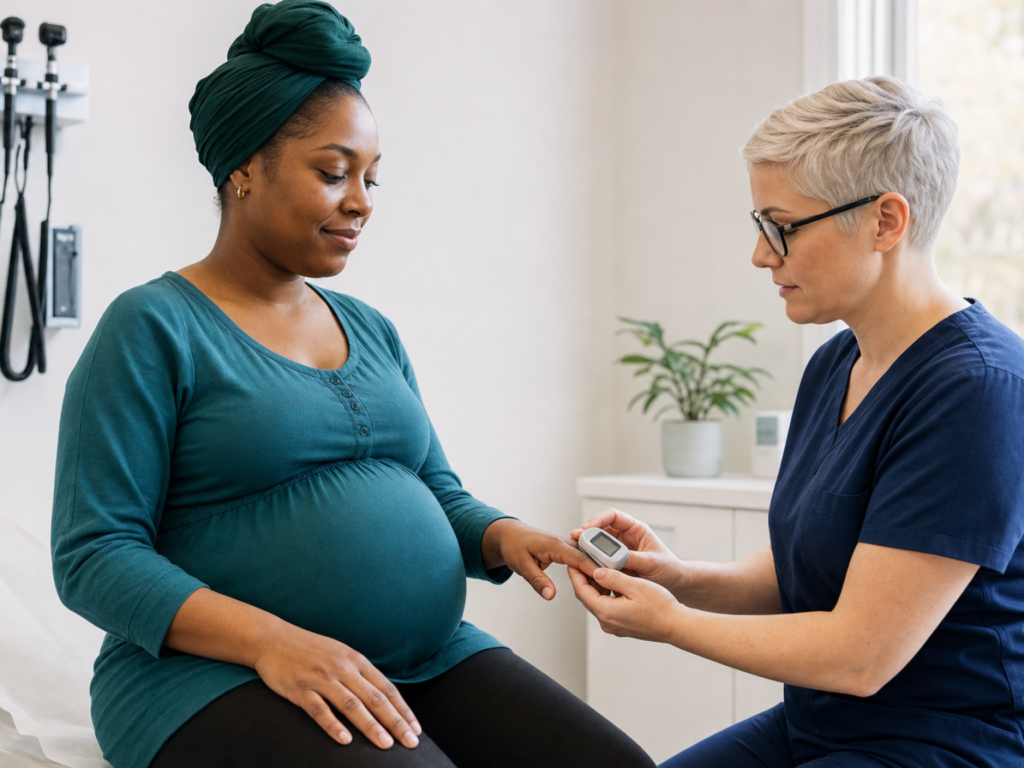
If you report shortness of breath, your healthcare professional may ask when it started, whether it is worsening, what triggers it, and whether you have chest pain, wheeze, cough, fever, palpitations, dizziness, fainting, leg symptoms, or reduced fetal movements later in pregnancy. They may check oxygen saturation, pulse, blood pressure, temperature, respiratory rate, and listen to your heart and lungs.
Depending on the situation, tests may include a blood count for anemia or infection, asthma assessment, electrocardiogram, chest imaging, or evaluation for blood clots. Not everyone needs testing; the goal is to distinguish expected pregnancy adaptation from conditions that require treatment. If you feel your breathing is not right, it is appropriate to say so clearly and to ask what warning signs should lead you to seek urgent care.
Seek urgent medical help if
- Shortness of breath is sudden, severe, rapidly worsening, or occurs at rest.
- You have chest pain, pressure, fainting, blue lips, confusion, or coughing blood.
- You notice one-sided calf pain, leg swelling, redness, or warmth.
- Breathlessness occurs with fever, persistent cough, wheezing, or oxygen levels below your advised range.
- You cannot speak in full sentences, feel your heart racing persistently, or wake up gasping for air.
- You have reduced fetal movements later in pregnancy along with feeling unwell or breathless.
Tools & Assistance
- Call your maternity triage unit, obstetric clinician, midwife, or local urgent care service for new or worsening breathlessness.
- Use emergency services immediately for severe breathlessness, chest pain, fainting, blue lips, or suspected blood clot symptoms.
- Keep an updated list of medical conditions, medications, inhalers, allergies, and pregnancy gestation to share during assessment.
- Track triggers, onset, associated symptoms, pulse if advised, and how quickly you recover after rest.
- Ask your clinician for an individualized plan if you have asthma, anemia, heart disease, previous clots, or a high-risk pregnancy.
FAQ
Is shortness of breath an early sign of pregnancy?
It can occur early because progesterone increases respiratory drive and the cardiovascular system begins adapting. However, breathlessness is not specific to pregnancy and should not be used to diagnose pregnancy or to dismiss other causes.
Can my baby be harmed if I feel mildly breathless?
Mild, gradual breathlessness with normal activity is common and usually reflects normal maternal adaptation. If breathlessness is severe, sudden, associated with chest pain or fainting, or you feel very unwell, seek medical care promptly.
Why is breathing harder when I lie down?
In later pregnancy, the uterus can press upward toward the diaphragm, and lying flat may make this more noticeable. Propping the upper body or lying on the side may help, but sudden inability to lie flat or waking gasping for air needs medical review.
Should I stop exercising if I get winded?
Do not push through significant breathlessness. Many people can continue moderate activity with pacing, but exercise advice should be individualized, especially if you have asthma, anemia, heart disease, high blood pressure, or other risk factors.
How can I tell normal breathlessness from something serious?
Normal pregnancy breathlessness is usually gradual, mild, and improves with rest. Sudden onset, worsening at rest, chest pain, fainting, blue lips, coughing blood, fever, wheezing, or one-sided leg swelling should prompt urgent assessment.
Sources
- WebMD — Getting Short of Breath During Pregnancy
- National Health Service (NHS) — Breathlessness in pregnancy
- Mayo Clinic — Shortness of breath in pregnancy: when to worry
Disclaimer
This article is for general medical information and does not replace individualized care. If you are pregnant and have new, worsening, or severe breathing symptoms, contact a qualified healthcare professional or emergency service.
















Please log in to leave a comment.