
Intro
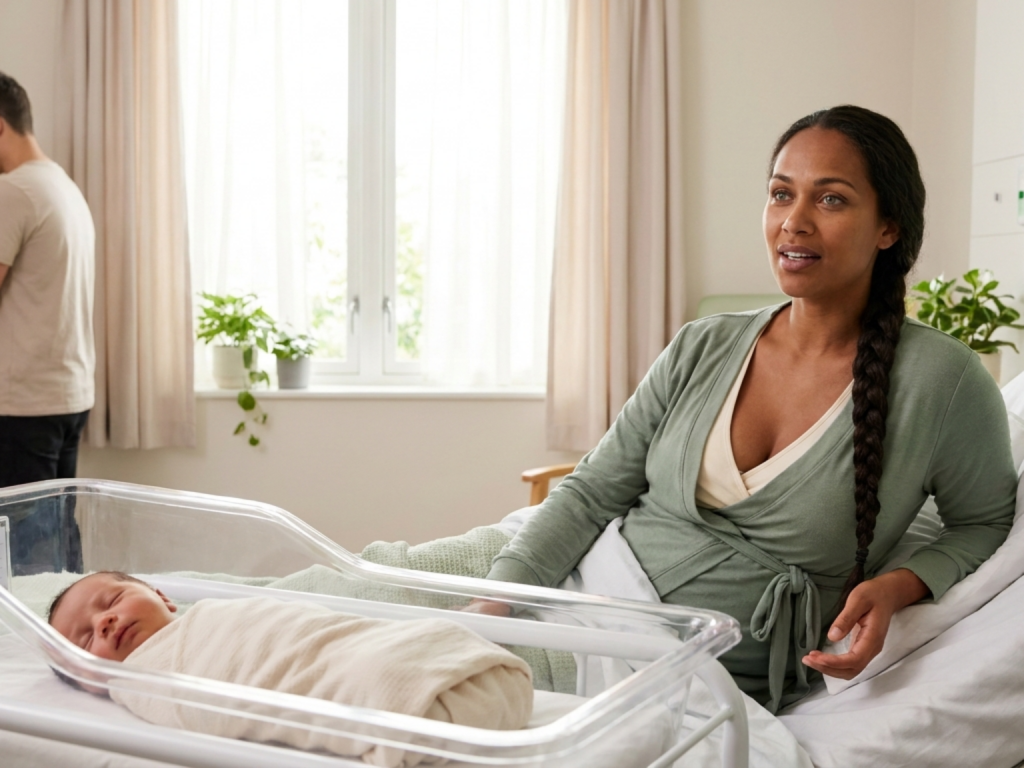
Deciding when visitors should meet a newborn is a balance between infection prevention, the baby's medical needs, and the parents' physical and emotional recovery. There is no single calendar date that applies to every family. A healthy full-term newborn, a premature infant, and a baby with a medical condition may have very different levels of vulnerability.
Many clinicians recommend extra caution during the first two to three months, when an infant's immune defenses are still developing. However, the safest plan depends on local respiratory-virus activity, the health of the baby and visitors, vaccination status, the setting, and what feels manageable for the parents. This article explains how to make a thoughtful, flexible plan without treating a general guideline as a rigid rule.
Highlights
There is no universal waiting period for newborn visitors; parents and the baby's healthcare team should decide what is appropriate.
The first two to three months often warrant heightened precautions because serious infections can progress quickly in young infants.
Visitors should be healthy, wash their hands, follow current vaccination recommendations, and avoid kissing the baby.
Premature or medically fragile newborns may need stricter visitor limits and individualized guidance.
A visit is appropriate only when the recovering parent genuinely has the capacity and wants company.
Why Timing Matters in the First Months
Newborns have developing immune function and limited physiologic reserve. Their immune responses are immature, and they have not yet completed routine infant immunizations. As a result, infections that may be mild in an adult can become clinically significant in a young infant. Respiratory syncytial virus, influenza, COVID-19, pertussis, and other respiratory infections can cause feeding difficulty, dehydration, apnea, hypoxemia, or pneumonia.
The highest level of caution is often reasonable during the first several weeks and remains important throughout the first three months. Johns Hopkins Medicine discusses limiting close contact and considering a wait of two to three months before extended family and friends have visits. This is a protective window rather than a universal mandate. A brief visit by a healthy, vaccinated grandparent may carry a different level of risk than a large indoor gathering involving many people who travel frequently.
Timing should also account for the birth parent’s recovery. Postpartum bleeding, pain, sleep deprivation, lactation challenges, cesarean recovery, and mood symptoms can make visitors feel burdensome even when they are loving and well intentioned. The best time is therefore not simply the day when infection risk seems acceptable; it is a time when the baby is medically stable and the household can accommodate contact safely.
There Is No Single Rule for Every Newborn
The American Academy of Pediatrics does not establish one fixed waiting period for all newborn visitors. Scripps Health emphasizes that parents should make the decision according to their circumstances, including the infant’s health, the family’s support needs, current infections in the community, and the parents’ comfort. This individualized approach is clinically sensible because risk is not determined by age alone.
Before setting a schedule, consider:
- Whether the infant was born at term or prematurely and whether the baby required neonatal intensive care
- Any congenital, pulmonary, cardiac, neurologic, or immune-related condition that could increase the consequences of infection
- Whether the baby is feeding effectively, gaining weight, and medically stable after discharge
- Seasonal circulation of influenza, COVID-19, RSV, pertussis, or other respiratory pathogens
- Whether a proposed visitor has frequent exposure to schools, healthcare settings, travel, or crowded workplaces
- Whether the parent wants social contact or primarily needs practical help and quiet recovery time
Families should ask the baby’s pediatrician or other qualified healthcare professional for individualized recommendations when there is prematurity, chronic illness, an immunologic concern, or uncertainty about a specific exposure. A first pediatrician visit after birth can also provide an opportunity to review visitor precautions, feeding, weight, jaundice monitoring, and follow-up needs.
Health and Vaccination Requirements for Visitors
Anyone with fever, cough, sore throat, runny nose, vomiting, diarrhea, conjunctivitis, an unexplained rash, or a recent known exposure to a contagious illness should postpone the visit. Visitors should not rely on the absence of fever alone; some respiratory viruses are transmissible before or without prominent symptoms. A person who has recently recovered may still need to follow public-health or clinician guidance before close contact.
Baystate Health recommends that visitors be up to date on influenza, COVID-19, and pertussis vaccination and avoid visiting when sick or recently exposed. Parents can ask close contacts to discuss vaccination status in advance. Pertussis is particularly concerning because infants are vulnerable to severe disease before they complete their own primary vaccine series. The timing and need for particular vaccines may vary by country, season, pregnancy status, and individual medical history, so visitors should consult their own healthcare professionals.
Hand hygiene is a basic but important barrier. Visitors should wash their hands with soap and water before touching the baby, after using the bathroom, after coughing or blowing their nose, and after handling phones, bags, pets, or food. Alcohol-based hand sanitizer may be useful when soap and water are not immediately available, provided hands are not visibly soiled. Visitors should avoid kissing the newborn, especially on the face, hands, and mouth, because saliva and respiratory secretions can transmit infection.
These measures are part of broader newborn infection prevention. They reduce risk but cannot eliminate it, which is why visitor numbers, visit duration, and setting still matter.
How to Plan a Safer First Visit
For many families, the safest first meeting is short, scheduled, and invitation-only. A parent can choose a time when the baby is usually settled, limit the number of people present, and keep the visit in a well-ventilated room. When weather and local conditions permit, meeting outdoors can reduce indoor respiratory exposure, although the baby still needs protection from temperature extremes, direct sun, and unsafe handling.
Parents may wish to establish a simple visitor protocol:
- Confirm that the visitor is symptom-free and has not had a recent relevant exposure.
- Ask the visitor to wash hands on arrival and before holding the baby.
- Keep the visit brief enough that feeding, diapering, and parental rest remain priorities.
- Do not pass the baby from person to person or allow unsupervised holding.
- Keep food, drinks, phones, handbags, and outdoor clothing away from the baby’s immediate care area when practical.
- Ask visitors to follow the household’s rules about masks, vaccination, pets, smoking, and other exposures.
A visitor who wants to help can prepare a meal, wash dishes, collect groceries, or sit quietly while the parent showers. Holding the baby is not the only meaningful way to meet or support a new family. Parents can also use video calls when illness, distance, or high community transmission makes an in-person visit unwise.
Prematurity and Medical Vulnerability Change the Plan
Premature newborns, particularly those born very preterm, may have increased respiratory vulnerability and may spend time in neonatal intensive care. A baby with chronic lung disease, congenital heart disease, an immune deficiency, or another significant medical condition may also require stricter precautions. In these situations, the care team may recommend delaying nonessential visitors, limiting contact to a small group of healthy caregivers, requiring masks, or using additional screening procedures.
There is no reliable way to convert gestational age or a diagnosis into a universal visitor schedule. The relevant questions include the infant’s current respiratory status, oxygen requirement, feeding ability, immunization timing, recent hospitalizations, and the medical team’s assessment of infection risk. Parents should ask specifically which visitors are permitted, whether siblings may visit, how long visits should last, and what to do after a known exposure.
Visitors should respect these limits without pressuring parents to make exceptions. A medically necessary restriction is not a judgment about a person’s affection or cleanliness. It is a temporary risk-management decision that may change as the infant grows and becomes medically more resilient.
Boundaries, Consent, and the Parent's Recovery
Parents are allowed to postpone visitors for any reason, including fatigue, pain, anxiety, breastfeeding privacy, household disorganization, or a need for uninterrupted bonding. Consent should be ongoing: agreeing to a visit next week does not obligate a parent to host today, and welcoming one person does not require welcoming several others.
Clear language can reduce negotiation. A family might say, “We are waiting until the pediatrician is comfortable with visits,” “Please reschedule if you have any symptoms,” or “We are accepting help but not holding visits yet.” One designated communicator can update relatives and friends so that the recovering parent does not have to repeat the same explanation.
Visitors should not arrive unannounced, bring additional guests, smoke before holding the baby, or become offended by handwashing and no-kissing rules. They should return the baby promptly when the parent asks and avoid criticizing feeding, sleep, clothing, or household choices. Respectful behavior protects both infection control and postpartum mental health.
If a parent feels persistently overwhelmed, panicked, hopeless, detached, or unable to function, they should contact a healthcare professional. Visitor boundaries can help recovery, but they are not a substitute for assessment and support when postpartum mental health symptoms are concerning.
When to Reconsider or Seek Medical Advice
Visitor plans should be reassessed when the baby develops illness, has a known exposure, is admitted to hospital, or is struggling with feeding or breathing. Parents should follow the pediatrician’s instructions rather than relying on a visitor policy created before the change in circumstances. During periods of substantial respiratory-virus transmission, clinicians may recommend reducing indoor contact further.
For a young infant, urgent medical assessment is warranted for signs such as difficulty breathing, pauses in breathing, bluish or gray coloration, marked lethargy, poor feeding, significantly fewer wet diapers, or a measured fever. Fever thresholds and emergency instructions can depend on the infant’s exact age and clinical history. Parents should contact the baby’s healthcare professional promptly for guidance rather than attempting to diagnose the cause at home.
A visitor who becomes ill after spending time with the baby should notify the parents promptly and disclose relevant symptoms or exposures. The parents can then ask the pediatrician whether observation, testing, or another action is appropriate. Timely communication is more useful than blame and may help the family respond quickly if illness develops.
Reasons to Postpone a Visit
- The visitor has respiratory, gastrointestinal, or other contagious symptoms.
- The visitor has had a recent significant exposure and has not completed recommended precautions.
- The newborn is premature, medically fragile, or recovering from an illness and the care team has limited contact.
- The visit would be crowded, prolonged, poorly ventilated, or difficult for the parent to end.
- The parent is physically or emotionally unable to host visitors.
- The baby has breathing difficulty, poor feeding, unusual lethargy, or a fever and needs medical advice.
Tools & Assistance
- A written visitor policy shared by text before delivery
- A household handwashing station with soap, water, and clean towels
- A visitor symptom and exposure check before each visit
- Video calling for relatives who cannot safely visit in person
- The pediatrician's office or postpartum care team for individualized guidance
FAQ
Should family wait two or three months to meet a newborn?
Some medical guidance recommends limiting close contact and considering a two- to three-month wait for extended family and friends, but there is no universal rule. The baby's health, local infection activity, visitor health, vaccination status, and parental preference should shape the plan.
Can a vaccinated grandparent visit a newborn earlier?
Possibly, if the baby is medically stable and the parents and healthcare team are comfortable. Vaccination lowers risk but does not eliminate transmission, so the visitor must also be symptom-free, practice hand hygiene, avoid kissing, and follow the household's precautions.
Can visitors hold a newborn?
Healthy visitors may be able to hold the baby after washing their hands and following the parents' instructions. Parents should supervise holding, avoid passing the infant around, and ask visitors to return the baby whenever feeding, sleep, or comfort requires it.
What if a visitor feels well but was recently exposed to COVID-19 or another infection?
The visit should usually be postponed while the visitor follows current public-health or clinician guidance. The parents should ask the baby's healthcare professional how the specific exposure affects the newborn.
Is it unreasonable to have no visitors at first?
No. Delaying visitors can be a reasonable choice for infection prevention, postpartum recovery, privacy, or emotional well-being. Parents do not need to justify a boundary beyond explaining that it is their current plan.
Sources
- Johns Hopkins Medicine — New Parents and Newborns: Are Visitors OK?
- Scripps Health — Newborn Visitor Guidelines: What Parents Should Know
- Baystate Health — Visiting a Newborn: What Parents and Guests Should Know
Disclaimer
This article provides general educational information and is not a diagnosis or a substitute for medical advice. Consult your baby's pediatrician or another qualified healthcare professional for individualized guidance, especially after premature birth, medical complications, or a possible infection exposure.















Please log in to leave a comment.