
Intro
The minutes, hours, and weeks after birth are a major transition for both the birthing parent and the newborn. Even when birth has been uncomplicated, the body is shifting rapidly from pregnancy and labor physiology into postpartum recovery, while the baby adapts to breathing, feeding, temperature regulation, and life outside the uterus.
Highlights
The first hour after birth often prioritizes safety checks, warmth, bonding, and early feeding, while clinicians continue to monitor bleeding and uterine tone.
Newborn care typically includes drying, Apgar assessment, identification, weight and measurements, vitamin K discussion, and screening or immunizations depending on local policy.
Postpartum recovery continues well beyond discharge, with expected bleeding, uterine involution, breast changes, perineal or incision healing, and emotional adjustment.
Urgent symptoms such as heavy bleeding, chest pain, severe headache, fever, or thoughts of self-harm should be discussed with emergency or maternity services immediately.
1. The first minutes: breathing, warmth, and initial safety checks
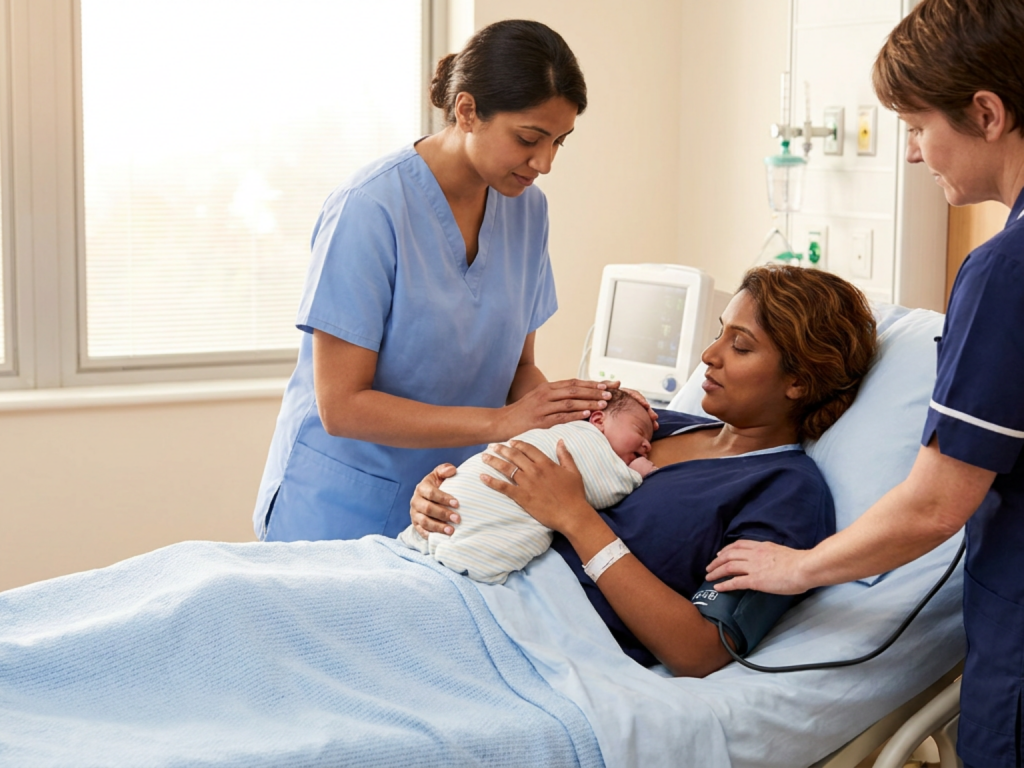
Immediately after birth, the care team’s first priorities are straightforward but critical: confirm that the baby is breathing or crying, keep the baby warm, assess tone and color, and make sure the birthing parent is clinically stable. If the baby is vigorous, many teams dry the baby and place them directly on the parent’s bare chest for newborn skin-to-skin care. A warm towel or blanket is usually placed over the baby, and the head may be covered because newborns lose heat quickly.
The baby’s condition is commonly assessed using the Apgar score at one and five minutes after birth. This score looks at heart rate, breathing effort, muscle tone, reflex response, and color. It is not a prediction of long-term health; it is a rapid clinical snapshot that helps staff decide whether the baby needs extra support. Some babies need airway positioning, stimulation, oxygen, or neonatal resuscitation. If that happens, separation from the parent may be brief or longer, depending on the baby’s needs.
At the same time, the birthing parent is still being monitored closely. Clinicians observe level of consciousness, blood pressure, pulse, pain, bleeding, and the firmness of the uterus. After a cesarean birth, the surgical team also monitors anesthesia recovery, incision status, urinary catheter function, and blood loss. This early period can feel emotionally intense; it is normal for parents to feel relief, shaking, crying, joy, exhaustion, or a mix of all of these.
2. Cord clamping, delivery of the placenta, and bleeding control
After the baby is born, the umbilical cord is clamped and cut. Many settings offer delayed cord clamping when clinically appropriate, allowing extra blood to transfer from the placenta to the baby. The exact timing depends on the baby’s condition, the parent’s bleeding, gestational age, and local practice. If urgent neonatal or maternal care is needed, cord clamping may happen sooner.
Birth is not complete until delivery of the placenta occurs. During the third stage of labor, the placenta separates from the uterine wall and is delivered through the vagina after a vaginal birth or removed through the uterine incision during cesarean birth. The uterus must then contract firmly to compress blood vessels at the placental site. Clinicians often feel the abdomen to assess uterine tone after delivery and may massage the uterus if it is soft or boggy.
Many maternity units use active management of the third stage, which can include a uterotonic medication after birth, usually oxytocin, to reduce bleeding. The placenta and membranes are inspected to check whether they appear complete. Retained placental tissue can increase bleeding risk and may require further evaluation or treatment by the medical team.
Postpartum hemorrhage risk is taken seriously because bleeding can become significant quickly. Staff monitor the amount of blood loss, the parent’s vital signs, uterine tone, and symptoms such as dizziness, faintness, pallor, or a racing pulse. Some bleeding is expected, but soaking pads rapidly, passing very large clots, or feeling acutely unwell should be treated as urgent.
3. Repair, pain relief, and immediate physical recovery
Once the placenta has delivered and bleeding is controlled, attention turns to the birth canal, perineum, and overall comfort. After a vaginal birth, the clinician examines the perineum, vagina, and sometimes the cervix for tears. Minor tears may need no sutures; deeper tears or an episiotomy usually require repair with dissolvable stitches. Local anesthetic, regional anesthesia, or other pain relief may be used depending on the situation.
Common early physical sensations include uterine cramping, perineal stinging, hemorrhoid discomfort, muscle soreness, trembling, sweating, and fatigue. Cramping can intensify during breastfeeding or pumping because oxytocin helps the uterus contract. These “afterpains” are often more noticeable after a second or later birth. Ice packs, prescribed or recommended pain medicines, positioning support, and gentle hygiene measures can help, but medication choices should be confirmed with a clinician, especially when breastfeeding or after surgery.
After cesarean birth, recovery after cesarean birth includes monitoring in a post-anesthesia or maternity recovery area. Staff assess pain control, bleeding, uterine firmness, sensation and movement in the legs if regional anesthesia was used, nausea, fluid intake, and incision dressing. Early movement is encouraged when safe, but the first time standing should usually be supervised because dizziness and low blood pressure can occur.
Urination is another early milestone. A full bladder can interfere with uterine contraction and worsen bleeding, so staff may ask about the first void after birth. If a catheter was used, it is usually removed when appropriate. Bowel function may take longer to normalize, particularly after surgery or opioid pain medication.
4. Newborn assessments, preventive care, and feeding support
During the first hours, the newborn is observed for temperature stability, breathing pattern, heart rate, color, tone, and feeding readiness. Routine measurements usually include weight, length, and head circumference. Identification bands are applied according to hospital policy. Some assessments are done while the baby remains skin-to-skin, while others require brief transfer to a warmer or examination area.
Preventive newborn care varies by country and clinical circumstance, but commonly includes discussion of vitamin K to reduce the risk of vitamin K deficiency bleeding. Some babies may also be offered hepatitis B vaccination soon after birth, particularly where universal newborn vaccination is standard or when maternal infection risk indicates it. Eye prophylaxis, blood glucose monitoring, or additional observation may be recommended for certain infants, such as those born preterm, small or large for gestational age, exposed to maternal diabetes, or showing feeding or temperature concerns.
Feeding support begins early. If breastfeeding or chestfeeding is planned, the baby may show rooting, hand-to-mouth movements, or licking before latching. Colostrum is produced in small amounts and is highly concentrated; frequent attempts are normal. If formula feeding is planned or medically needed, staff can help with safe preparation, paced feeding, and recognizing hunger and fullness cues. Parents should be supported without judgment, because feeding plans may be influenced by medical history, medications, prior feeding experiences, infant condition, and personal preference.
Before discharge, many systems also plan newborn screening tests, jaundice assessment, hearing screening, and follow-up arrangements. The timing varies, so parents should ask which tests were completed and which still need to occur after going home.
5. The first 24 hours: observation, bonding, mobility, and discharge planning
The first 24 hours are a period of close observation. For the birthing parent, staff typically monitor bleeding, uterine firmness, pain, temperature, blood pressure, pulse, ability to pass urine, and mobility. For the baby, they monitor feeding, temperature, urine and stool output, alertness, breathing, and signs of jaundice or low blood sugar when risk factors are present.
Bonding is not a single moment that must happen perfectly. The so-called golden hour can be meaningful, but parents who had an emergency birth, anesthesia, neonatal admission, severe pain, or emotional overwhelm have not “missed” their chance. Bonding develops through repeated care: holding, feeding, responding to cues, speaking softly, changing diapers, and resting near the baby.
Early ambulation after delivery reduces some risks associated with immobility, but it should be gradual. After a vaginal birth, many people can stand within hours if they feel stable. After cesarean birth, movement starts more slowly and may begin with sitting up, dangling the legs, standing with help, then short walks. Heavy lifting, sudden twisting, and intense abdominal strain are generally avoided in early recovery, especially after surgery.
Discharge planning includes warning signs, pain control, wound or perineal care, feeding support, contraception discussion if appropriate, follow-up visits, and emergency contacts. Some families go home within a day; others stay longer due to cesarean recovery, maternal complications, feeding difficulties, jaundice monitoring, prematurity, infection concerns, or social support needs. Criteria-based discharge is safer than focusing only on the clock.
6. Days 2 to 14: bleeding, uterine involution, breasts, and wound care
In the first two weeks, the uterus continues involution, meaning it contracts and gradually returns toward its pre-pregnancy size. Vaginal bleeding, called lochia, usually changes from red to pink or brown and then yellow-white over time. Flow may increase briefly with activity or breastfeeding. Parents should use pads rather than tampons or menstrual cups until a clinician confirms it is safe, because the cervix and uterus are still healing.
Perineal care may include rinsing with warm water after urination, patting dry, changing pads often, using cold packs early, and sitting on supportive cushions if recommended. Stitches can feel tight or itchy as they heal. Increasing pain, foul-smelling discharge, wound opening, fever, or pus should prompt medical review.
For cesarean recovery, incision care is central. Parents are usually advised to keep the incision clean and dry, watch for redness, swelling, drainage, separation, or worsening pain, and avoid heavy lifting for several weeks unless their clinician gives different instructions. Supporting the abdomen with a pillow when coughing, laughing, or changing position can reduce discomfort.
Breast or chest changes are common whether or not a parent breastfeeds. Milk often “comes in” around days two to five, causing fullness, warmth, and tenderness. Frequent feeding or milk removal may help if lactating. If not lactating, a supportive bra, avoiding nipple stimulation, and clinician-approved comfort measures may reduce engorgement. Fever, flu-like symptoms, a painful red area, or persistent breast pain should be discussed promptly because mastitis or other complications may need care.
7. Weeks 2 to 8: gradual recovery and emotional adjustment
Postpartum recovery is commonly described as six to eight weeks, but healing can take longer, especially after severe tears, cesarean birth, hemorrhage, infection, hypertensive disorders, anemia, pelvic floor injury, or neonatal intensive care experiences. Physical activity should increase gradually. Walking is often a good starting point. Pelvic floor exercises, such as Kegel exercises, may be recommended when comfortable, but pain, heaviness, urinary leakage, fecal leakage, or pelvic pressure warrants assessment by a clinician or pelvic health physiotherapist.
Sleep disruption, night sweats, appetite changes, constipation, hair shedding later in postpartum, and fluctuating mood can occur as hormones shift and caregiving demands rise. Nutrition and hydration matter: regular meals, iron-rich foods when appropriate, fiber, fluids, and help with household tasks support recovery. People who had significant blood loss or anemia should follow their clinician’s plan for testing and supplementation.
Emotional recovery deserves the same respect as physical healing. Tearfulness and mood swings can occur in the early days, but persistent sadness, anxiety, panic, intrusive thoughts, inability to sleep even when the baby sleeps, loss of interest, or thoughts of harm require professional support. Postpartum depression, anxiety, post-traumatic stress symptoms, and postpartum psychosis are medical conditions, not personal failures.
Follow-up care may include blood pressure checks, wound review, mental health screening, feeding support, contraception counseling, pelvic floor concerns, diabetes follow-up after gestational diabetes, and planning for future pregnancies if relevant. Parents should not wait for a routine appointment if something feels unsafe or rapidly worsening.
Seek urgent medical help for these warning signs
- Heavy bleeding that soaks a pad quickly, very large clots, fainting, or symptoms of shock.
- Chest pain, shortness of breath, coughing blood, or one-sided leg swelling or pain.
- Severe headache, vision changes, right upper abdominal pain, or very high blood pressure if measured.
- Fever, worsening abdominal or incision pain, foul-smelling discharge, or a red swollen wound.
- Thoughts of self-harm, harming the baby, hallucinations, extreme agitation, or feeling unsafe.
Tools & Assistance
- Save the maternity unit, midwife, obstetric clinic, pediatric clinic, and emergency numbers in your phone.
- Use a simple feeding, diaper, medication, and temperature log during the first days if it reduces stress.
- Prepare pads, peri bottle, comfortable underwear, water bottle, high-fiber snacks, and prescribed discharge medicines before coming home.
- Arrange practical support for meals, laundry, older children, transportation, and nighttime rest where possible.
- Schedule postpartum and newborn follow-up appointments before or soon after discharge.
FAQ
How long does the immediate after-birth process take?
The most intensive monitoring usually occurs in the first one to two hours, but observation continues through the first 24 hours and recovery continues for weeks.
Is skin-to-skin contact always possible right away?
Often yes if parent and baby are stable, but urgent maternal or newborn care may delay it. Bonding can still develop well later.
How much postpartum bleeding is normal?
Lochia is expected and gradually lightens. Rapidly soaking pads, very large clots, dizziness, or worsening bleeding needs urgent medical advice.
When can exercise restart after birth?
Gentle walking may begin when you feel stable, but higher-intensity exercise should wait until your clinician confirms it is safe, especially after cesarean birth or complications.
What if I do not feel emotionally connected to my baby immediately?
This can happen, especially after exhaustion, pain, complications, or stress. Ask for support, and seek prompt care if low mood, anxiety, or distress persists or worsens.
Sources
- NHS — What happens straight after the birth?
- Cleveland Clinic — Postpartum: Stages, Symptoms & Recovery Time
- Government of Canada — Your Guide to Postpartum Health and Caring for Your Baby
Disclaimer
This article is for general medical education and does not replace individualized care. Always consult your midwife, obstetrician, pediatrician, or emergency services for symptoms, complications, or treatment decisions.















Please log in to leave a comment.