
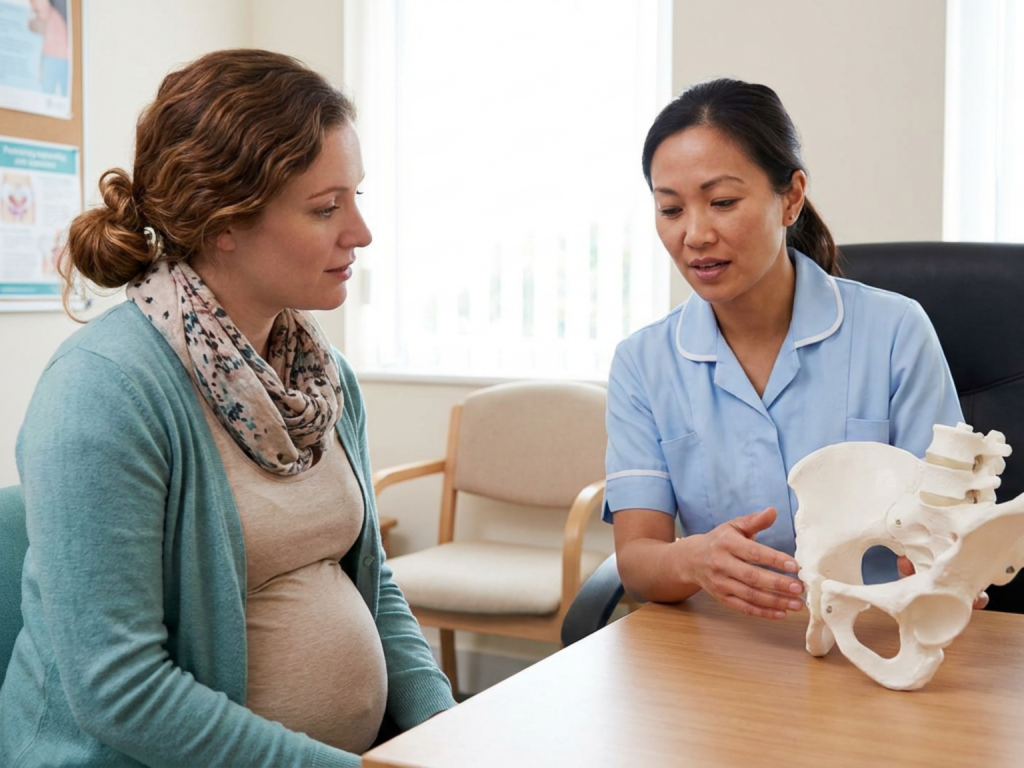
Intro
Perineal tearing is one of the most common physical injuries associated with vaginal birth, and it can understandably bring up fear, vulnerability, or frustration. The perineum is the tissue between the vaginal opening and the anus; during birth, it stretches substantially as the baby’s head and body pass through the vaginal outlet.
Highlights
Perineal tears range from small skin injuries to deeper lacerations involving the anal sphincter and rectal mucosa.
Most first- and second-degree tears heal well with appropriate repair, hygiene, pain relief, and follow-up.
Third- and fourth-degree tears are less common but clinically important because they involve the anal sphincter complex and may affect bowel control.
Many risk factors are not fully controllable, so tearing should never be framed as a personal failure.
Prompt assessment after birth and compassionate postpartum care are central to recovery.
What perineal tearing means
A perineal tear is a spontaneous laceration of the tissue around the vaginal opening that occurs during vaginal birth. Although people often use the phrase “vaginal tear,” many tears involve the perineum, the labia, the vaginal wall, or a combination of these structures. The injury happens when the tissues stretch beyond their capacity as the presenting part of the baby, usually the head, crowns and is delivered.
Perineal tearing is common, especially in a first vaginal birth. This does not mean the body has failed. Birth requires a major mechanical stretch of soft tissue over a short period of time, and the degree of stretching depends on maternal anatomy, tissue elasticity, fetal position, fetal size, labor dynamics, and obstetric interventions. Some tears are superficial and need little or no suturing. Others extend into deeper muscle layers and require careful repair.
A perineal tear is different from an episiotomy. An episiotomy is a surgical incision made by a clinician to enlarge the vaginal opening, usually when there is a specific obstetric reason. Modern practice generally favors selective rather than routine episiotomy, because an incision can itself extend or contribute to more severe perineal trauma. Whether a spontaneous tear or an episiotomy occurs, the tissue should be examined after birth under adequate lighting and with appropriate pain control.
The anatomy involved
The perineum is not just skin. It includes superficial tissue, connective tissue, and muscles that contribute to pelvic floor support. Behind the vaginal opening lies the perineal body, an important fibromuscular structure that helps anchor pelvic floor muscles. Deeper and posteriorly are the external and internal anal sphincters, which help maintain continence. The rectal mucosa is the inner lining of the rectum.
This anatomy explains why clinicians classify tears by depth. A small tear at the vaginal entrance is very different from an obstetric anal sphincter injury, where the laceration involves the anal sphincter complex. Correct identification matters because repair technique, antibiotics, bowel regimen, follow-up, and pelvic floor rehabilitation needs can differ significantly.
After the baby and placenta are delivered, the clinician usually inspects the vagina, perineum, cervix when indicated, and rectal area. A rectal examination may be performed if a deeper tear is suspected, especially to check whether the anal sphincter or rectal mucosa has been affected. This examination may feel emotionally and physically sensitive, but its purpose is to avoid missing an injury that could affect healing or bowel function later.
Degrees of perineal tears
Perineal tears are commonly described in four degrees. This grading system is used because it communicates how deep the injury is and which structures are involved.
- First-degree tear: This involves the vaginal mucosa and/or perineal skin only. It may be small and sometimes does not require stitches if the edges are well aligned and bleeding is minimal.
- Second-degree tear: This extends into the perineal muscles but does not involve the anal sphincter. Many second-degree tears are repaired with absorbable sutures and usually heal over several weeks.
- Third-degree tear: This reaches the anal sphincter complex. Third-degree tears are further subdivided depending on how much of the external anal sphincter and whether the internal anal sphincter are involved.
- Fourth-degree tear: This extends through the anal sphincter and into the rectal mucosa. It is the deepest category and needs meticulous repair by an appropriately trained clinician.
First- and second-degree tears are more common than third- and fourth-degree injuries. Severe tears are clinically important because they may increase the risk of anal incontinence, bowel urgency after severe tear, pain with intercourse, wound complications, and psychological distress. Many people still recover well, but they deserve careful counseling, structured follow-up, and referral when symptoms persist.
Why tearing happens
Tearing usually occurs during the second stage of labor, especially as the fetal head crowns. At this moment the perineal tissues are under maximal stretch. If the stretch happens quickly, if the head presents at a larger diameter, or if the tissues have less time to accommodate, the chance of tearing can increase.
Several factors are associated with a higher risk of perineal trauma after birth. These include first vaginal birth, larger birth weight, operative vaginal delivery with forceps or vacuum, prolonged second stage, shoulder dystocia, occiput posterior or other malposition, midline episiotomy, and a history of previous severe tear. Some factors, such as the baby’s position or the need for urgent assisted delivery, may only become clear during labor.
It is important to hold risk information gently. A person can do everything “right” and still tear. Another person may have several risk factors and have only a small tear. The goal of understanding risk is not blame; it is preparation, informed discussion, and appropriate postpartum care.
Can tearing be reduced?
No strategy can guarantee prevention, but some approaches may reduce the likelihood or severity of tearing in certain settings. Prenatal perineal massage in the final weeks of pregnancy may help some first-time vaginal birth parents become familiar with perineal stretching and may modestly reduce some perineal trauma outcomes. It should be discussed with a maternity care professional, especially if there are infections, bleeding, placenta concerns, or other complications.
During birth, controlled delivery of the head, warm compresses to the perineum, and supportive communication during pushing may help tissues stretch more gradually. Some clinicians use hands-on perineal support; others use a hands-poised approach, depending on training, patient preference, and the clinical situation. Position changes may improve comfort and mechanics, but no single position eliminates tearing risk.
Episiotomy is not routinely recommended solely to prevent natural tearing. When used selectively, it may be considered for specific circumstances, such as urgent need to expedite birth or to facilitate an operative vaginal delivery. The decision should be explained whenever possible, although emergencies may limit the time available for discussion. People who strongly want to avoid episiotomy can include this preference in a birth plan while also acknowledging that clinical circumstances may change.
Repair immediately after birth
If a tear needs repair, the clinician will usually use absorbable sutures. Local anesthetic, existing epidural anesthesia, or additional analgesia may be used so the repair is as tolerable as possible. First-degree tears may require minimal repair. Second-degree tears usually need layered closure of muscle and mucosa. Third- and fourth-degree tears require more specialized repair of the anal sphincter and, in fourth-degree injuries, the rectal mucosa.
For severe tears, repair may take place in an operating room or procedure room to allow better lighting, positioning, anesthesia, and surgical assistance. This can feel alarming after the intensity of birth, but it is often done to optimize precision and comfort. Clinicians may recommend antibiotics, stool softeners or laxatives, and specific follow-up after an obstetric anal sphincter injury. Patients should ask what degree of tear occurred, what structures were repaired, what pain and bowel plan is advised, and when review is needed.
Documentation is also important. Knowing the tear degree and repair details can guide future pregnancy counseling, pelvic floor physiotherapy after birth, and decisions about mode of birth in a later pregnancy if symptoms remain significant.
What recovery may feel like
Recovery varies with tear degree, repair complexity, swelling, bruising, fatigue, feeding demands, sleep deprivation, and emotional experience of the birth. Soreness, stinging with urination, swelling, and discomfort while sitting are common in the first days. Cold packs, peri bottles with warm water during urination, appropriate pain relief recommended by a clinician, and changing pads frequently may help comfort and hygiene.
Passing stool can be frightening after a tear, especially after a severe injury. Many clinicians recommend hydration, fiber, and stool-softening medication when appropriate so bowel movements are easier and less painful. Straining should be avoided where possible. If a bowel plan was prescribed, follow the individualized instructions and ask for clarification if the plan is unclear.
Perineal wound healing after delivery usually progresses over weeks, but deeper tissue recovery and pelvic floor rehabilitation can take longer. Sexual activity should resume only when the person feels physically and emotionally ready and after any clinician guidance, especially if pain, infection, or severe tearing occurred. Persistent pain, heaviness, urinary leakage, fecal urgency, or fear of bowel leakage is not something to simply endure. These symptoms deserve assessment and may improve with targeted treatment.
Emotional impact and future births
Perineal tearing can affect more than the body. Some people feel shocked, embarrassed, angry, or disconnected from the birth experience. Others feel relieved that the baby is safe but later become distressed when pain, stitches, or bowel concerns interfere with daily life. These reactions are valid. A tear occurs in an intimate area at a highly vulnerable time, and compassionate follow-up matters.
Before a future birth, people with a history of severe tearing should be offered individualized counseling. Discussion may include the degree of previous tear, current continence symptoms, findings from pelvic floor or anal sphincter assessment when available, fetal size estimates, and personal preferences. Some may plan another vaginal birth; others may consider cesarean birth if symptoms or anatomy raise concern. This is a shared decision with an obstetric clinician, not a one-size-fits-all rule.
If you are pregnant and anxious about tearing, it is reasonable to bring it up early. Ask your care team how they assess tears, their approach to selective episiotomy during birth, whether warm compresses or perineal support are used, and what postpartum follow-up is available. Feeling informed may not remove every fear, but it can make the experience feel less mysterious and more supported.
Seek medical advice urgently if
- Pain is worsening rather than gradually improving, especially with fever or chills.
- There is foul-smelling discharge, increasing redness, pus, or wound separation.
- You have new loss of bowel control, inability to pass stool or gas, or severe rectal pain.
- Bleeding is heavy, persistent, or associated with dizziness or fainting.
- You feel unsafe, overwhelmed, or unable to cope emotionally after the birth.
Tools & Assistance
- Ask your maternity team to document and explain the exact degree of tear before discharge.
- Arrange a postpartum wound check if pain, odor, swelling, or bleeding concerns develop.
- Request referral to pelvic floor physiotherapy after birth if pain, leakage, heaviness, or bowel urgency persists.
- Use a peri bottle, clean pads, and clinician-approved pain relief measures for early comfort.
- Discuss future birth planning with an obstetric clinician after any third- or fourth-degree tear.
FAQ
Is perineal tearing always preventable?
No. Some strategies may reduce risk, but tissue stretch, fetal position, birth speed, and clinical circumstances all contribute. Tearing should not be viewed as personal failure.
Do all perineal tears need stitches?
Not always. Small first-degree tears may heal without sutures if bleeding is minimal and the tissue edges align well. Deeper tears usually require repair.
How long does healing take?
Superficial healing often improves over days to weeks, while deeper muscle and pelvic floor recovery may take longer. Persistent pain, leakage, or bowel symptoms should be assessed.
Can I have another vaginal birth after a severe tear?
Many people can, but counseling should be individualized based on symptoms, prior tear details, sphincter function, and personal preferences.
Sources
- Mayo Clinic — Vaginal tears in childbirth
- StatPearls, NCBI Bookshelf — Perineal Lacerations
- Cleveland Clinic — Vaginal Tears During Childbirth: Causes & Degrees
Disclaimer
This article is for general medical information and does not replace care from a qualified clinician. Seek individualized advice from your obstetric, midwifery, or postpartum care team.















Please log in to leave a comment.