
Intro
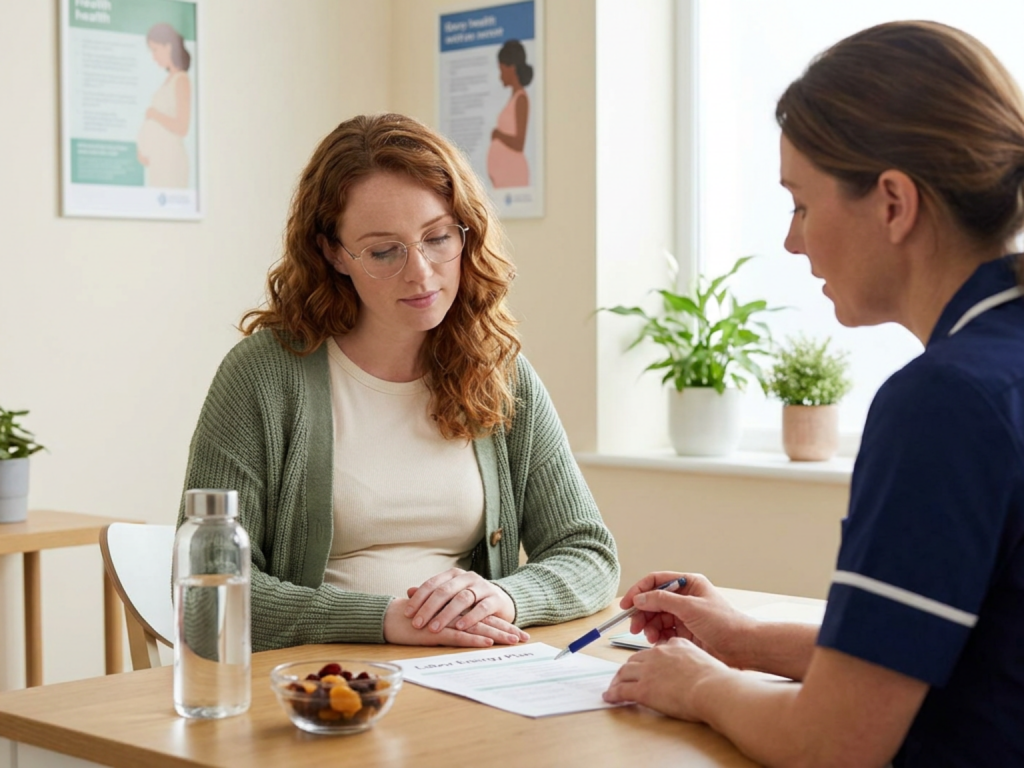
Labor is often described in emotional terms, but it is also a sustained physiologic effort. Uterine contractions, maternal movement, pain coping, endocrine activation, and the work of pushing all require energy. Preparing that energy is not about trying to control every variable; it is about entering labor as rested, nourished, hydrated, and supported as your circumstances allow.
Highlights
Labor uses measurable energy over many hours, so rest, nutrition, hydration, and pacing matter.
Energy preparation should be individualized, especially for people with diabetes, hypertensive disorders, hyperemesis, anemia, cardiac disease, or planned induction or cesarean birth.
Simple, digestible foods and fluids are often more useful than heavy meals in the hours before labor or induction.
Emotional energy is part of physiologic preparation; reducing decision fatigue and practicing coping skills can protect stamina.
Why labor is an energy event
Labor is metabolically active work. The uterus is a large smooth-muscle organ that contracts repeatedly, cervical remodeling requires inflammatory and hormonal coordination, and the maternal cardiovascular and respiratory systems adapt to pain, position changes, exertion, and emotional arousal. During the second stage, voluntary skeletal muscle effort may add substantially to energy demand, especially when pushing is prolonged.
An observational study of 37 women quantified childbirth energy requirements at an average of 368.82 kJ per hour over an average labor duration of 10.59 hours. Individual needs vary widely, but the finding is clinically useful: labor is not a brief sprint for many people. It can resemble an endurance event with intermittent high-intensity intervals.
Energy preparation therefore has several components: maintaining glycogen availability through appropriate nutrition, preventing avoidable dehydration, minimizing sleep debt when possible, reducing unnecessary muscular tension, and using support to make coping more efficient. This does not mean you can prevent fatigue completely. Fatigue is common and sometimes unavoidable, particularly with induction, long latent labor, malposition, back labor, anemia, or limited sleep before contractions begin.
Start by conserving energy before labor begins
In the final days or weeks of pregnancy, many people feel pressure to stay busy: finishing tasks, walking to encourage labor, preparing the home, or trying multiple popular methods to bring contractions on. Some gentle activity may feel good, and walking can support circulation and comfort. However, it is wise to avoid turning late pregnancy into an exhaustion project. Tommy’s notes that many supposed natural methods for bringing on labor have limited or little evidence and advises saving some energy for labor.
Conservation is especially important if you have had prodromal contractions, insomnia, pelvic girdle pain, nausea, or emotional stress. Fatigue and body changes before labor can make it harder to judge whether you need activity, rest, food, fluids, reassurance, or assessment. A practical approach is to alternate light movement with genuine recovery. For example, a short walk may be followed by a meal and a nap rather than more errands.
Late-pregnancy energy conservation may include:
- Prioritizing sleep opportunities, even if sleep comes in short blocks.
- Delegating household tasks that are physically repetitive or emotionally draining.
- Preparing simple foods in advance so early labor does not become a cooking project.
- Keeping appointments and hospital logistics organized to reduce decision fatigue.
- Avoiding intense exercise or long outings if they leave you depleted for the next day.
Nutrition before spontaneous labor or induction
Food choices before labor should support available energy without creating gastrointestinal discomfort. Carbohydrates provide readily accessible fuel; protein can improve satiety and help prevent feeling shaky or hungry soon afterward. Lower-fat, easy-to-digest meals are often better tolerated than heavy, fried, or very rich foods, particularly if nausea develops or pain intensifies.
If you are scheduled for induction, ask your maternity unit what you may eat and drink before arrival and during the induction process. Policies differ depending on cervical ripening methods, oxytocin use, epidural likelihood, aspiration-risk assessment, diabetes management, and the possibility of cesarean birth. Do not assume online advice applies to your situation.
For many low-risk situations, examples of pre-labor foods might include oatmeal with fruit, toast with eggs, yogurt with granola, rice with lean protein, soup with bread, a smoothie, bananas, applesauce, crackers, or a small sandwich. During early labor, some people prefer small snacks rather than full meals. The goal is not perfection; it is steady, tolerable nourishment.
People with gestational diabetes or preexisting diabetes need a more specific plan for carbohydrate timing, glucose monitoring, and medication adjustments. Those with hyperemesis, bariatric surgery history, severe reflux, eating disorders, renal disease, or food insecurity may also need individualized support from an obstetric clinician, midwife, dietitian, or diabetes educator.
Hydration and electrolytes without overdoing it
Hydration supports plasma volume, thermoregulation, uteroplacental perfusion, and general comfort. Dehydration may contribute to headache, dizziness, nausea, tachycardia, and reduced coping capacity. It can also make intravenous access more difficult if IV fluids or medication become necessary.
At the same time, labor is not a reason to force excessive fluid intake. Drinking far beyond thirst can cause discomfort and, rarely, electrolyte disturbance. A reasonable strategy is to sip regularly, especially after contractions, vomiting, shower use, or sweating. Water may be enough; oral rehydration solutions or electrolyte drinks may be useful if intake is limited, vomiting occurs, or labor is long, but people with hypertension, renal disease, or fluid restrictions should ask their clinician first.
If you are in hospital or a birth center, your care team may recommend oral fluids, IV fluids, or both depending on fetal monitoring, epidural use, medication, vomiting, fever, or operative risk. The most energy-protective hydration plan is the one that fits your medical context and keeps you comfortable.
Rest, breathing, and efficient movement
Energy preparation is not only about calories. Much of labor stamina comes from using effort selectively. Tension in the jaw, shoulders, hands, pelvic floor, and thighs can consume energy without helping cervical change. Practicing relaxation between contractions can make the contraction-rest cycle more sustainable.
Breathing techniques for natural birth can help organize attention, reduce panic spirals, and encourage oxygenation. They are not a test of discipline; they are tools to return to when sensations intensify. In early labor, slow breathing and rest may be more useful than constant activity. In active labor, patterned breathing, vocalization, hydrotherapy, counterpressure, and position changes can help reduce unnecessary muscular guarding.
Movement should be purposeful, not endless. Upright positions may help some people feel more comfortable or use gravity, while side-lying may protect energy during a long labor or after an epidural. A birthing ball, hands-and-knees position, supported squat, or slow pelvic rocking can be useful when they improve comfort. If movement increases exhaustion, nausea, dizziness, or fetal monitoring concerns, rest is a valid intervention.
Preparing for the energy demands of pushing
The second stage of labor can feel very different from dilation. Some people experience an involuntary bearing-down reflex; others need coaching, time, position changes, or assistance because of epidural effects, fetal position, fatigue, or anxiety. Pushing may last minutes or several hours, depending on parity, fetal station and position, analgesia, and maternal and fetal status.
Energy-efficient pushing often means working with the contraction rather than straining continuously. Some settings use directed pushing; others support spontaneous or open-glottis pushing when appropriate. The safest approach depends on maternal condition, fetal heart rate patterns, epidural status, and the clinician’s assessment.
Before labor, ask your team how they usually support pushing positions, rest between contractions, hydration, bladder emptying, and changes in strategy if pushing is prolonged. If you are hoping for physiologic vaginal birth, a low-intervention plan can still include flexibility for assisted vaginal birth, cesarean birth, or medical treatment if safety requires it. Good preparation makes room for both stamina and adaptation.
Emotional energy and reducing decision fatigue
Labor requires cognitive and emotional energy as well as physical fuel. Pain, uncertainty, clinical decisions, and changes in plan can rapidly drain coping capacity. Supportive communication, informed consent, and a calm environment can reduce the energy spent on fear and confusion.
Consider making a short, realistic birth preferences document rather than an exhaustive script. Natural birth checklist and planning tools can help you identify what matters most: mobility, hydration, pain relief options, delayed cord clamping, support people, newborn care preferences, and what you want to know before interventions. The purpose is not to control labor, but to reduce avoidable decisions while preserving informed choice.
Discuss roles before labor begins. A partner, doula, or trusted support person can offer drinks, snacks if allowed, reminders to urinate, counterpressure, encouragement, and communication support. Good labor coping strategies often look simple from the outside, but they conserve energy because the birthing person does not have to manage every detail alone.
Medical situations that need individualized planning
Some pregnancies need more specific energy preparation. If you have anemia, poor oral intake, diabetes, hypertensive disease, cardiac disease, kidney disease, fetal growth restriction, multiple pregnancy, prior cesarean birth, planned induction, or a high likelihood of operative delivery, ask your care team for tailored instructions. The safest plan may include specific timing for meals, glucose monitoring, IV fluids, medication adjustments, or fasting guidance.
Hospital policies about eating and drinking in labor vary. These policies often reflect local anesthesia practices, risk assessment, and emergency preparedness. If restrictions concern you, raise the question during prenatal care rather than waiting until admission. Many teams can explain what is flexible, what is not, and why.
Finally, call your maternity unit or clinician promptly for decreased fetal movement, heavy bleeding, severe headache, visual symptoms, chest pain, shortness of breath, fever, severe abdominal pain, suspected ruptured membranes, or regular contractions before term. Energy preparation should never delay urgent assessment.
When to get medical guidance
- Ask your clinician before using nipple stimulation or other methods intended to start labor.
- Seek urgent advice for decreased fetal movement, heavy bleeding, severe headache, visual symptoms, fever, or severe abdominal pain.
- Follow individualized fasting, eating, and medication instructions before induction or planned cesarean birth.
- People with diabetes should not change carbohydrate intake, insulin, or glucose targets without professional guidance.
- Do not push through dizziness, chest pain, shortness of breath, or fainting; request assessment.
Tools & Assistance
- A simple late-pregnancy meal and snack plan approved by your care team
- A water bottle and electrolyte option if appropriate for your medical situation
- A written birth preferences sheet focused on energy, comfort, and communication
- A support-person checklist for snacks, fluids, rest reminders, and hospital logistics
- A prenatal discussion with your midwife, obstetrician, or diabetes educator if you have medical complexity
FAQ
Should I eat a big meal when contractions start?
Not necessarily. Many people tolerate small, easy-to-digest meals or snacks better than a large, heavy meal. Follow your maternity unit’s guidance, especially if induction, epidural, or cesarean birth is possible.
Can walking help me prepare energy for labor?
Gentle walking may improve comfort and circulation, but excessive walking can leave you depleted. Balance movement with rest, food, and hydration.
Are dates, spicy foods, or other natural methods reliable for starting labor?
Evidence is limited for many popular methods, and some are not appropriate for everyone. Discuss any labor-starting strategy with your healthcare professional.
What if I cannot eat during active labor?
This is common. Sips of fluid, ice chips if allowed, oral carbohydrate options if permitted, or IV fluids may be used depending on your setting and medical needs.
Does needing medical pain relief mean I failed at energy preparation?
No. Pain relief, including epidural analgesia, can be an appropriate way to preserve energy and support safe birth. Energy preparation is about support and flexibility, not proving endurance.
Sources
- PubMed Central (National Institutes of Health) — Status of energy management during childbirth: an observational study
- Tommy's — Can anything bring labour on?
- Happiest Baby — Foods to Eat Before Labor Induction
Disclaimer
This article is for general educational purposes and is not a substitute for individualized medical advice. Always follow the guidance of your obstetrician, midwife, anesthesiology team, or maternity unit.














Please log in to leave a comment.