

Intro
Sudden infant death syndrome, or SIDS, is the sudden, unexplained death of an infant younger than 1 year that remains unexplained after a thorough investigation. It is part of the broader category of sudden unexpected infant death, or SUID, which also includes accidental suffocation, strangulation in bed, and deaths from unknown causes. For parents and caregivers, even reading about SIDS can feel frightening. The goal of prevention guidance is not to assign blame, but to give families practical, evidence-based ways to make every sleep period safer.
The most consistent recommendations from pediatric and public health authorities focus on the infant sleep environment: supine positioning, a firm and flat infant sleep surface, no soft objects or loose bedding, room-sharing without bed-sharing, smoke avoidance, and careful attention to overheating and feeding practices. These steps cannot eliminate every risk, but they substantially reduce the likelihood of sleep-related infant death.
Highlights
Place babies on their backs for every sleep, including naps and nighttime sleep, unless a clinician gives a specific medical reason not to.
Use a safety-approved crib, bassinet, portable crib, or play yard with a firm, flat mattress and a fitted sheet only.
Room-sharing without bed-sharing is recommended, especially during the first 6 months, because it keeps the baby close while preserving a separate safe sleep space.
Avoid soft bedding, pillows, blankets, bumper pads, inclined sleepers, couches, armchairs, tobacco smoke exposure, and overheating during infant sleep.
Understanding SIDS and SUID
SIDS is a diagnosis of exclusion: it is used when an infant death remains unexplained after investigation, including review of the circumstances, autopsy when performed, and clinical history. SUID is the broader public health term for sudden unexpected deaths in infancy, whether ultimately explained or unexplained. Many prevention recommendations address SIDS and other sleep-related causes together because the same sleep environment factors can influence risk.
The current model of SIDS risk is often described as multifactorial. A vulnerable infant, a critical developmental period, and an external stressor may overlap. External stressors can include prone sleeping, soft bedding, overheating, or impaired arousal in an unsafe sleep environment. Families cannot control every biological factor, but they can reduce environmental stressors consistently.
SIDS is most common between 1 and 4 months of age, but safe sleep guidance applies throughout the first year. Premature infants and infants with prenatal or postnatal smoke exposure have higher baseline risk, which makes careful adherence to safe sleep practices especially important.
Back sleeping for every sleep
The single most important sleep-position recommendation is to place the baby fully on the back, also called the supine position, for every sleep. This includes daytime naps, nighttime sleep, and sleep at childcare or a relative’s home. Side sleeping is not considered safe because babies can roll from the side to the stomach.
Some caregivers worry that back sleeping increases choking risk, especially in babies with gastroesophageal reflux. For most infants, including those with uncomplicated reflux, pediatric guidance still supports supine sleep because airway anatomy and protective reflexes make back sleeping safer than prone sleep. If a baby has a complex airway disorder, neuromuscular condition, or other medical issue, the family should follow individualized guidance from the baby’s healthcare professional.
When babies are awake and supervised, tummy time is encouraged. It supports motor development, helps reduce positional flattening of the skull, and gives babies practice lifting and turning the head. Tummy time is different from sleep positioning: awake, observed, and on a safe surface.
Choose a firm, flat infant sleep surface
A safe sleep space should be a crib, bassinet, portable crib, or play yard that meets applicable safety standards. The mattress should be firm, flat, and covered only by a fitted sheet designed for that product. The surface should not be inclined. Products marketed for convenience, soothing, or lounging are not necessarily safe for unsupervised or routine sleep.
A firm, flat infant sleep surface reduces the risk that the baby’s face will sink into bedding or that the body will shift into a position that compromises breathing. Soft mattresses, adult beds, waterbeds, memory foam toppers, pillows, beanbags, and cushions are not appropriate infant sleep surfaces.
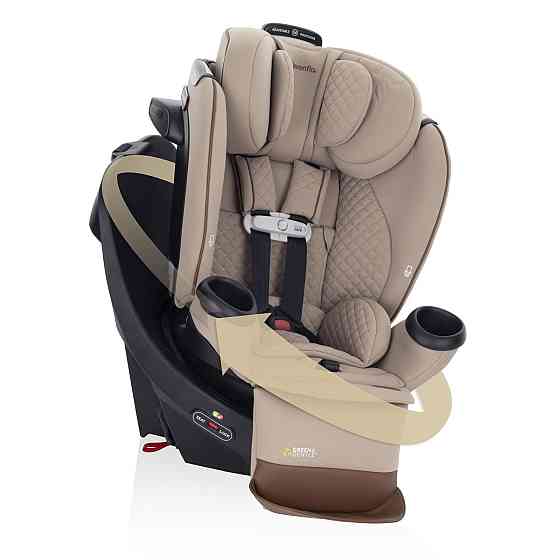
If a baby falls asleep in a car seat, stroller, swing, carrier, or sling, move the baby to a safe sleep surface as soon as practical once travel or the immediate activity ends. Sitting devices can allow the head to flex forward, especially in young infants, which may narrow the airway. Car seats are essential for vehicle safety, but they are not intended as routine sleep spaces outside the car.
Keep the sleep area empty
The safest infant sleep space is intentionally simple: baby, fitted sheet, and an appropriate sleep garment. Keep pillows, blankets, quilts, comforters, stuffed toys, loose sheets, positioners, wedges, bumper pads, and nonmedical devices out of the crib or bassinet. Even products that look breathable or are marketed as reducing risk should not replace established safe sleep practices unless specifically recommended by a qualified clinician for a medical indication.
Loose bedding alternatives include wearable blankets or sleep sacks that fit correctly around the neck and arms and do not cover the face. If swaddling is used for a young infant, it should allow hip flexion and should not be tight across the chest. Stop swaddling as soon as the baby shows signs of attempting to roll, because a swaddled baby who rolls onto the stomach may have limited ability to reposition.
Parents often feel pressure to make the sleep space cozy. For infants, cozy is not the same as safe. A clear, firm, flat sleep space is protective precisely because it removes objects that can obstruct the airway or trap exhaled air near the face.
Room-sharing without bed-sharing
Room-sharing without bed-sharing means placing the baby’s crib, bassinet, portable crib, or play yard in the caregiver’s room, close to the bed but on a separate surface. This arrangement makes feeding, comforting, and monitoring easier while avoiding the hazards of an adult sleep surface. Pediatric guidance recommends this especially for the first 6 months, when SIDS risk is highest.
Bed-sharing increases risk in several circumstances, including when the baby is younger than 4 months, was born preterm or with low birth weight, or when any bed partner smokes, has used alcohol, cannabis, sedating medications, opioids, or other substances that reduce arousal. Soft mattresses, pillows, blankets, and the possibility of entrapment between a mattress and wall or headboard add further risk.
Couches and armchairs are particularly dangerous places to fall asleep with a baby. If you feel you might fall asleep while feeding or soothing your baby, it is safer to plan ahead: remove pillows and loose bedding from the area, ask another adult for help if available, and return the baby to the separate sleep space as soon as you wake. Caregiver sleep deprivation is real, and prevention plans should be compassionate and practical rather than perfectionistic.
Feeding, pacifiers, and routine care
Breastfeeding is associated with a reduced risk of SIDS, and exclusive breastfeeding appears to provide additional protection when possible. Any amount of human milk may be beneficial, but feeding choices are personal and can be medically complex. Families using formula, combination feeding, expressed milk, or donor milk can still follow all other SIDS prevention guidelines effectively.
Offering a pacifier at naps and bedtime is associated with lower SIDS risk. If breastfeeding is being established, families may choose to wait until feeding is going well before introducing a pacifier, unless a healthcare professional advises otherwise. Do not attach pacifiers to strings, cords, clips, or stuffed animals during sleep, as these can create strangulation or suffocation hazards.
Routine immunizations are not a SIDS risk; they are associated with overall infant health protection. Regular well-child visits also give clinicians the chance to review growth, feeding, reflux concerns, prematurity-related needs, and safe sleep challenges in a nonjudgmental way.
Smoke, alcohol, substances, and overheating
A smoke-free newborn sleep environment begins before birth and continues after delivery. Avoid nicotine exposure during pregnancy and keep the baby’s home and car smoke-free. Secondhand smoke and residual smoke particles on clothing or surfaces can affect infant respiratory health and are associated with increased SIDS risk.
Alcohol, cannabis, opioids, sedatives, and other substances that impair caregiver alertness increase the danger of unsafe sleep situations, especially bed-sharing or falling asleep while holding a baby. If a caregiver is using any medication that causes drowsiness, they should discuss infant care planning with a healthcare professional and arrange support for nighttime care when needed.
Overheating during infant sleep is another modifiable risk factor. Dress the baby in seasonally appropriate layers, generally no more than one layer more than an adult would wear in the same room. Signs of overheating can include sweating, flushed skin, damp hair, or a chest that feels hot. Hats are not recommended for routine indoor sleep after the immediate newborn period unless specifically advised by a clinician.
Special situations: reflux, prematurity, travel, and childcare
Families are often told informally to elevate the mattress for reflux, but inclined sleep is not recommended for SIDS prevention and can create positioning risks. Most infants with reflux should still sleep flat on the back. If vomiting, poor weight gain, apnea-like events, cyanosis, or feeding distress occurs, the baby should be evaluated by a healthcare professional rather than managed by sleep-position changes at home.
Premature and low-birth-weight infants should be placed on their backs for sleep as soon as they are medically stable, including before hospital discharge when appropriate. Because these infants have increased vulnerability, consistent safe sleep practices across home, hospital transition, and childcare are especially important.
When traveling, bring or request a safety-approved portable crib or bassinet. Hotel beds, couches, adult mattresses, and improvised padded spaces are not safe infant sleep environments. For childcare, grandparents, babysitters, and visitors, write down the sleep rules and repeat them kindly but firmly: back to sleep, separate firm flat surface, no soft items, no smoke exposure, and no sleeping on couches or chairs with the baby.
When to seek urgent help or extra guidance
- Call emergency services if a baby is unresponsive, blue, not breathing normally, or difficult to wake.
- Seek prompt medical care for apnea-like episodes, cyanosis, choking with color change, or recurrent breathing pauses.
- Ask your pediatric clinician before changing sleep position for reflux, airway, cardiac, neurologic, or prematurity-related concerns.
- Do not use wedges, positioners, weighted sleep products, or inclined sleepers as a substitute for medical assessment.
- If exhaustion makes safe sleep difficult, contact your healthcare team, postpartum support services, or trusted caregivers for a practical safety plan.
Tools & Assistance
- A safety-approved crib, bassinet, portable crib, or play yard with a firm, flat mattress
- A correctly fitted sheet and appropriately sized wearable blanket or sleep sack
- A written safe sleep plan for grandparents, babysitters, childcare, and travel
- A smoke-free home and car policy for all caregivers and visitors
- Regular well-child visits to discuss feeding, reflux, prematurity, medications, and caregiver fatigue
FAQ
Can my baby sleep on the side if they spit up often?
Side sleeping is not recommended because babies can roll onto the stomach. Most infants with reflux should still sleep flat on the back, but persistent or severe symptoms should be discussed with a healthcare professional.
Is a sleep sack safer than a blanket?
Yes, a properly fitted wearable blanket or sleep sack is a safer loose bedding alternative because it keeps the sleep area free of blankets that could cover the baby’s face.
When should I stop swaddling?
Stop swaddling as soon as the baby shows signs of trying to roll. A swaddled infant who rolls to the stomach may have difficulty using the arms to reposition.
Do baby monitors prevent SIDS?
Consumer monitors have not been shown to prevent SIDS and should not replace safe sleep practices. Use medical monitors only when prescribed or recommended for a specific medical reason.
What if my baby rolls onto their stomach during sleep?
Continue placing the baby on the back at the start of every sleep. Once a baby can roll both ways independently, ask your pediatric clinician about individual guidance, and keep the sleep space clear and unswaddled.
Sources
- American Academy of Pediatrics — Sleep-Related Infant Deaths: Updated 2022 Recommendations for Reducing Infant Deaths in the Sleep Environment
- Centers for Disease Control and Prevention — Providing Care for Babies to Sleep Safely | SUID and SIDS
- American Academy of Pediatrics — Safe Sleep - AAP
Disclaimer
This article is for general educational purposes and is not a substitute for individualized medical advice. Always consult your baby’s healthcare professional about sleep safety concerns, medical conditions, or urgent symptoms.
















Please log in to leave a comment.