
Intro
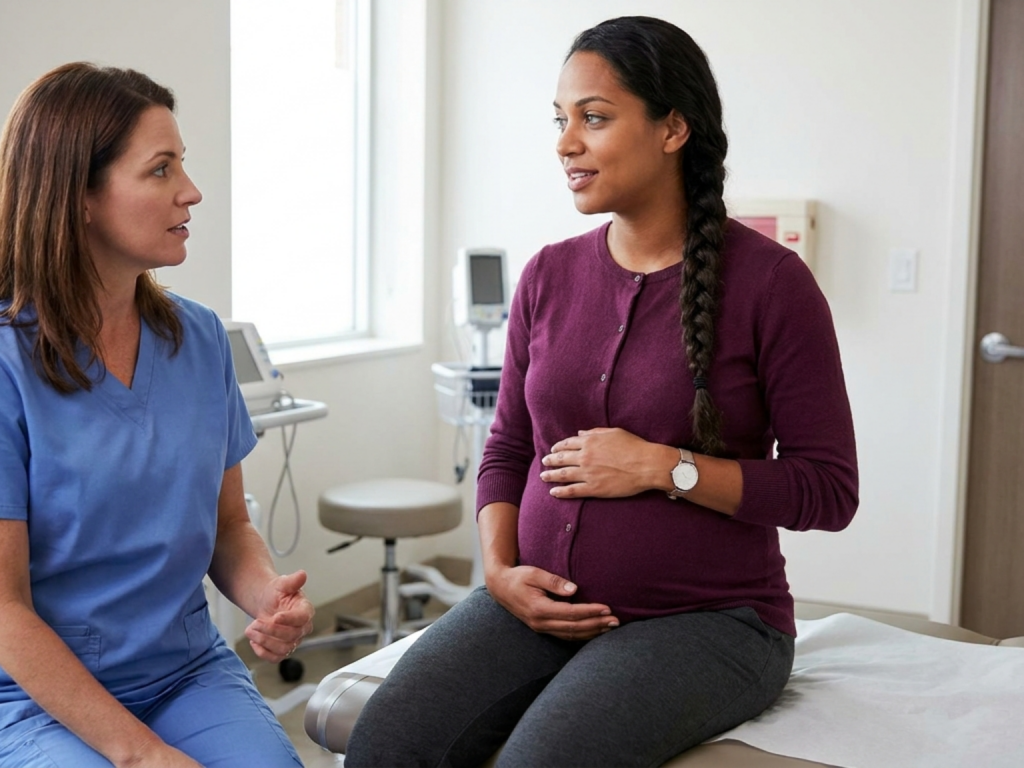
Pain in pregnancy can be unnerving, especially when it is severe or comes with other symptoms. Some cramping, stretching, pelvic pressure, or back discomfort can be part of a normal pregnancy, but severe pain deserves a different level of attention.
If the pain is sudden, persistent, one-sided, worsening, or paired with bleeding, fluid leakage, fever, dizziness, or reduced fetal movement, it is safest to seek professional advice promptly rather than trying to decide at home what it means.
Highlights
Severe pain is not the same as ordinary pregnancy discomfort. Pain that is intense, persistent, or escalating should be assessed, especially if it lasts more than 30 minutes.
Bleeding, fluid leakage, fever, dizziness, reduced fetal movement, chest pain, or shortness of breath can turn a painful episode into an emergency.
The location of pain matters. One-sided pelvic pain, upper abdominal pain, or severe back pain may need urgent review.
When in doubt, call your obstetric team, maternity triage line, or emergency services rather than waiting for the next appointment.
What counts as severe pain in pregnancy
In pregnancy, some cramping, stretching, or pelvic pressure can be expected, especially as the uterus grows, ligaments loosen, and the bowel slows. Severe pain is different. It is usually intense enough to interrupt conversation, change posture, limit walking, or make you feel that something is not right. It may begin suddenly, build over minutes, or stay constant without easing. Pain lasting more than 30 minutes, or pain that keeps returning and does not settle, deserves prompt evaluation.
Another useful distinction is whether the pain feels familiar. Mild round ligament pulling, transient gas pain, or an occasional tightening may be annoying but brief. Severe pain is more likely to be accompanied by bleeding, nausea, vomiting, fever, urinary symptoms, dizziness, fluid leakage, or a change in fetal movement. When those features appear together, the goal is not to guess the cause at home; it is to get assessed quickly.
Pain patterns and locations that deserve closer attention
The location of pain matters because pregnancy complications and non-obstetric causes can overlap. Lower abdominal or pelvic pain can come from uterine stretching, but severe one-sided pelvic pain is more concerning, particularly if it is sharp, sudden, or associated with faintness. Pain high in the abdomen, under the ribs, or in the right upper quadrant can be significant when it is severe or comes with headache, swelling, nausea, or vomiting. Cramping with pelvic pain with vaginal bleeding is also more alarming than isolated discomfort.
Back pain is common in pregnancy, yet severe or localized back pain should not be brushed off. Lower back discomfort in pregnancy that is new, one-sided, or accompanied by fever or urinary burning may need same-day review. Pain that is clearly musculoskeletal often worsens with movement or position changes, but even that pattern does not rule out a more urgent problem. If the pain is unusual for you, worsening, or accompanied by other warning signs, it is safer to call early.
- Sharp pain on one side deserves a lower threshold for urgent assessment.
- Deep pelvic pressure that feels different from normal pelvic heaviness should be discussed promptly.
- Burning urination, flank pain, or fever changes the picture and should not be ignored.
Red flags that mean urgent or emergency care
These are urgent symptoms in pregnancy, and they warrant immediate contact with your maternity team, labor unit, urgent care service, or emergency department depending on how severe they are:
- Severe abdominal pain that lasts more than 30 minutes, especially if it is getting worse.
- Any vaginal bleeding, including spotting if it occurs with pain or cramping.
- Fluid leaking from the vagina, because rupture of membranes can change the urgency of evaluation.
- Reduced fetal movement in the second half of pregnancy, particularly when it is new or clearly below your baby’s usual pattern.
- Fever, chills, vomiting, or urinary symptoms along with pain.
- Shortness of breath, chest pain, fainting, or a rapid sense of becoming unwell.
- One-sided abdominal pain with dizziness or a feeling that you may pass out.
- New severe headache in pregnancy, especially when paired with vision changes, swelling, or blood pressure concerns.
Symptoms can evolve quickly. A pain episode that starts as discomfort and then becomes intense, constant, or associated with bleeding should be treated as urgent even if it began after activity or after a normal day. If you are not sure whether the symptom qualifies, the safest answer is still to call.
How clinicians assess severe pain in pregnancy
When you contact a clinician, precise details help them judge urgency. Be ready to describe when the pain started, where it is, whether it is constant or episodic, how severe it feels on a 0-to-10 scale, and whether anything makes it better or worse. Mention bleeding, discharge, fluid loss, contractions, reduced movement, fever, urinary symptoms, nausea, vomiting, dizziness, headache, chest symptoms, and any recent falls, exertion, or intercourse if relevant.
Depending on your gestational age and symptom pattern, the assessment may include blood pressure measurement, abdominal or pelvic examination, urine testing, blood tests, ultrasound, and fetal monitoring. If you are in later pregnancy, fetal heart rate assessment and contraction monitoring may be used to see whether the uterus is irritated or labor has started. Early pregnancy may require a different workup. The important point is that pain is not taken in isolation; clinicians look at the whole pattern.
If you have already been told to use a specific maternity triage line or go to a particular hospital for pregnancy concerns, follow that plan. Calling first is often the fastest way to get directed to the right place.
What you can do while waiting for advice
While waiting for instructions, stop the activity you are doing and avoid trying to carry on as if nothing is happening. Sit or lie in the position that feels least uncomfortable, and keep water nearby if nausea is not severe. If someone is available, ask them to stay with you, especially if you feel dizzy or the pain is escalating. Make a quick note of timing, movement, bleeding, leakage, temperature, and fetal movement so you do not have to remember it later when you are stressed.
Do not take extra medicines, herbal products, or supplements on your own unless a clinician has already said they are safe for you. If you are told to go in, do not drive yourself if you feel faint, short of breath, or distracted by pain. If the pain is severe and you cannot reach your usual maternity contact, use emergency services rather than waiting for a callback.
Pain that may be common, but still deserves context
Not all painful pregnancy complaints are emergencies, and that distinction matters. Constipation, gas, round ligament stretching, or uncomplicated musculoskeletal strain can be uncomfortable and still not dangerous. The challenge is that severe pain is not the right time to assume the most benign explanation. If a symptom is intense, new, one-sided, persistent, or combined with bleeding, fluid loss, fever, urinary symptoms, or reduced fetal movement, it needs professional review.
This is especially true for recurring lower back discomfort in pregnancy or symptoms that resemble pelvic girdle pain in pregnancy. Those problems can be common and very real, but they should be diagnosed after urgent causes have been excluded. Think of the rule as simple: the more severe, sudden, or atypical the pain, the lower the threshold to seek help. Trust your instinct when your body feels different from your usual pregnancy discomfort. If you are unsure, call now rather than trying to outwait the symptom.
Seek help now if you have any of these
- Severe pain with bleeding, fluid leakage, reduced fetal movement, fever, chest pain, or shortness of breath
- One-sided pain with dizziness, faintness, or shoulder pain
- Pain lasting more than 30 minutes or worsening quickly
- Pain so intense that you cannot stand, walk, or speak comfortably
- Any symptom combination that feels unusual or frightening to you
Tools & Assistance
- Your obstetrician, midwife, or maternity triage line
- Emergency department or labor and delivery unit if symptoms are severe
- Emergency medical services if you have chest pain, severe shortness of breath, fainting, or cannot travel safely
- A phone note with the pain start time, location, intensity, bleeding, leakage, temperature, and fetal movement
- Your prenatal records and medication list
FAQ
Is any pain in pregnancy normal?
Mild, brief aches and stretching sensations can be normal, but severe, persistent, localized, or worsening pain should not be ignored.
When should I go in right away?
Go in urgently if pain is severe or lasts more than 30 minutes, or if it comes with bleeding, fluid leakage, reduced fetal movement, fever, dizziness, chest pain, or shortness of breath.
What if I am not sure whether the pain is serious?
If you are unsure, call your maternity team or emergency service for same-day advice. It is better to be checked than to wait through a developing emergency.
Can I just watch and wait at home?
Only if the pain is mild, improving, and not paired with warning signs. Severe or unusual pain should be assessed rather than observed.
Sources
- Cleveland Clinic — Abdominal or Belly Pain & Cramps During Pregnancy
- healthdirect Australia — Warning signs during pregnancy
- Centers for Disease Control and Prevention — Urgent Maternal Warning Signs and Symptoms
Disclaimer
This article is for educational purposes only and does not replace individual medical advice. Severe or unusual pain in pregnancy should be assessed promptly by a qualified clinician.

















Please log in to leave a comment.