
Intro
The first day and first week after birth are a medically important transition, not simply a time to "bounce back." Your uterus is contracting, blood volume and fluid balance are shifting, perineal or abdominal tissues may be healing, lactation hormones are rising, and sleep is often fragmented. Even after an uncomplicated birth, close observation and practical support matter.
Highlights
The first 24 hours focus on monitoring bleeding, uterine tone, vital signs, pain, urination, mobility, feeding, and emotional steadiness.
The first week is usually when soreness, fatigue, breast fullness, lochia changes, bowel function, and mood shifts become more noticeable at home.
Recovery differs after vaginal birth, assisted birth, severe perineal injury, cesarean birth, hemorrhage, hypertensive disease, infection, or neonatal complications.
Early movement and rehabilitation principles can support recovery when clinically appropriate, but activity should be individualized by the care team.
The first two hours: stabilization and transition
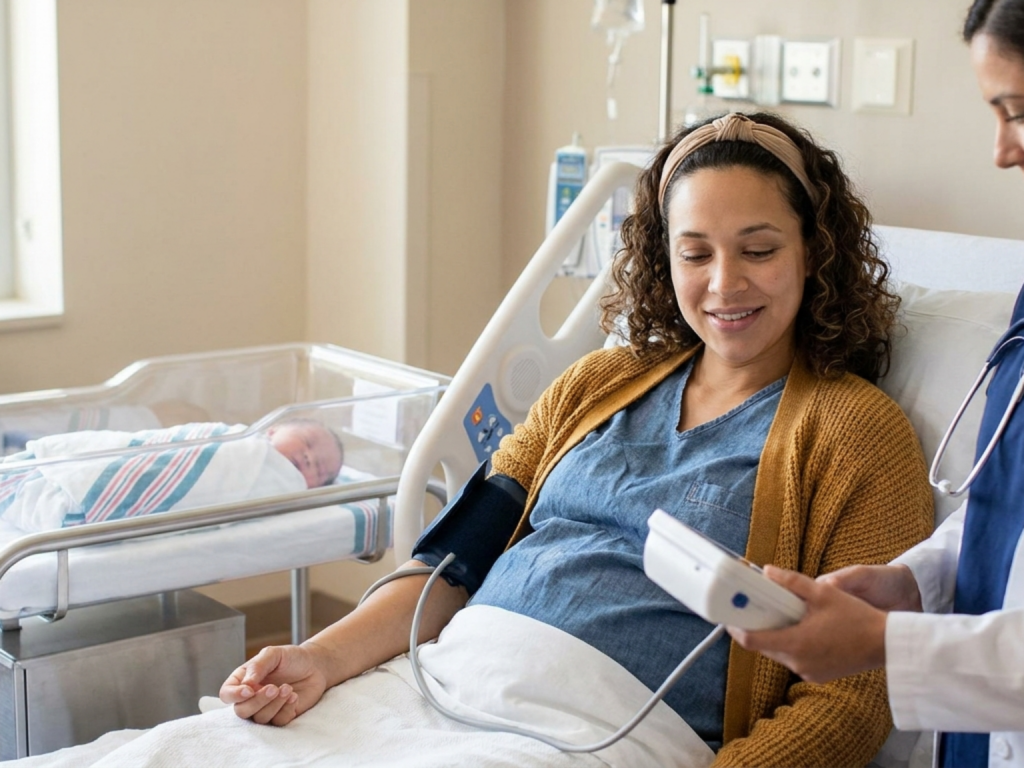
The first two hours after birth are often the most closely observed part of immediate postpartum recovery. Clinicians monitor blood pressure, pulse, temperature, uterine tone after delivery, vaginal bleeding, pain level, and level of alertness. The uterus should feel firm as it contracts to compress blood vessels where the placenta was attached. If it becomes soft or bleeding is heavier than expected, the team may massage the uterus, assess for retained tissue or lacerations, and use medications according to clinical protocols.
For the birthing parent, common sensations include shaking, intense fatigue, thirst, cramping, perineal pressure, nausea, or relief mixed with emotional intensity. After epidural, spinal, or general anesthesia, monitoring also includes motor strength, sensation, respiratory status, and the ability to move safely. After cesarean birth, the first hours include observation of the incision dressing, uterine bleeding, urine output through a catheter, and medication effects.
When parent and baby are stable, skin-to-skin contact after birth and early feeding support are usually encouraged. At the same time, routine newborn procedures and maternal assessments may occur in parallel. This is not a performance test. Needing help to hold the baby, latch, change position, or understand what is happening is expected.
Hours 2 to 24: bleeding, pain, bladder function, and first mobility
During the rest of the first 24 hours, the main priorities are continuing surveillance and beginning gentle function. Lochia, the postpartum vaginal discharge of blood, mucus, and uterine tissue, is usually red and can be heavier with standing, breastfeeding, or uterine massage. Small clots can occur, but soaking pads rapidly, passing large clots, feeling faint, or having a racing heart deserves immediate attention because postpartum hemorrhage risk is highest early.
Pain control after birth is usually multimodal and depends on the delivery method and complications. Vaginal birth may cause cramping, perineal burning, hemorrhoid discomfort, or pelvic floor heaviness. Cesarean birth adds incisional pain, gas pain, and difficulty changing position. Adults recovering from other operations, such as tonsillectomy, often report substantial symptoms and analgesic needs during the first 24 hours and first week; postpartum recovery is similarly legitimate medical recovery, even when a newborn also needs care.
Urination matters because bladder overdistension can interfere with uterine contraction and increase discomfort. Some people have temporary numbness, swelling, or hesitancy after epidural anesthesia or perineal trauma. Nurses may measure urine output, help with the first bathroom trip, or use a catheter if clinically needed. Early walking, when cleared, supports circulation, bowel function, and confidence. Research in other acute recovery settings, including stroke rehabilitation, shows that carefully timed early rehabilitation can begin within 24 to 48 hours when medically appropriate; postpartum movement follows the same principle of gentle, supervised progression rather than forced exertion.
Day 1 to day 3: discharge planning and the shift home
By the end of the first day, some families are preparing for discharge, while others remain in hospital for cesarean recovery, blood pressure monitoring, infection treatment, neonatal observation, feeding support, or social reasons. Discharge timing should reflect clinical stability, not a universal ideal. The care team usually reviews bleeding expectations, medications, incision or perineal care, activity limits, feeding plans, contraception, follow-up appointments, and warning signs.
From day 1 to day 3, afterpains may intensify during breastfeeding or pumping because oxytocin stimulates uterine contraction. Lochia often remains red but should gradually trend lighter. Perineal swelling may peak, especially after a long pushing phase, assisted vaginal birth, episiotomy, or laceration repair. Ice packs, positioning, hygiene, and prescribed or recommended medications may be part of the plan, but persistent worsening pain should be discussed with a clinician.
Breast changes can accelerate during this period. Colostrum may transition toward more copious milk, breasts may feel warm and full, and nipples can become tender while feeding technique is still being learned. Feeding assessment is both a newborn issue and a recovery issue: pain, exhaustion, blood loss, cesarean anesthesia, and separation can affect supply, latch, and confidence. Asking for lactation or feeding help early is a practical medical step, not a sign of failure.
Days 3 to 7: the first-week pattern at home
The first week often feels less monitored but more physically revealing. Sleep debt accumulates, visitors may increase, and adrenaline from birth may fade. Lochia may change from bright red toward pink or brown, although temporary increases can happen after activity. A useful rule is that bleeding should not repeatedly surge with normal rest. If bleeding becomes heavy again, activity may need to be reduced and the care team contacted.
Bowel function can be slow because of dehydration, opioids, iron therapy, pelvic floor tenderness, abdominal surgery, and fear of pain. Stool softeners, fluids, fiber, and movement may be recommended by clinicians, especially after a significant tear or cesarean birth. Straining is worth avoiding because it can worsen hemorrhoids and pelvic pressure. Gas pain after cesarean can be surprisingly intense and may radiate to the shoulder or upper abdomen, but severe or persistent abdominal pain should not be assumed to be normal.
Emotionally, days 3 to 5 can bring a sharp hormonal drop. Tearfulness, sensitivity, anxiety, and feeling overwhelmed can occur in the so-called baby blues, especially with sleep deprivation. However, intrusive thoughts, inability to sleep even when the baby sleeps, panic, hopelessness, thoughts of self-harm, or fear of harming the baby require prompt professional support. Postpartum emotional recovery deserves the same seriousness as blood pressure or wound healing.
How delivery method changes the recovery timeline
After an uncomplicated vaginal birth, many people can walk, eat, shower, and care for the baby within the first day, but pelvic tissues are still healing. Burning with urination, perineal pressure, uterine cramps, and fatigue can be significant. With second-degree or more severe tears, episiotomy, forceps, vacuum birth, or shoulder dystocia, pain and mobility limitations may be more pronounced. Follow-up is especially important if there is wound separation, fecal urgency, loss of bowel control, or increasing pelvic pain.
Recovery after cesarean birth includes postpartum physiology plus abdominal surgery. The first 24 hours often involve catheter removal, transition from neuraxial or intravenous medication to oral pain control, first walking attempts, and monitoring for bleeding, infection, and thrombosis risk. During the first week, getting in and out of bed, coughing, laughing, stairs, and lifting may be difficult. Incisional redness spreading outward, drainage, fever, worsening unilateral leg swelling, chest pain, or shortness of breath requires urgent medical assessment.
Medical conditions can also reshape the timeline. Hypertensive disorders may worsen after delivery, sometimes after discharge. Gestational diabetes, anemia, hemorrhage, infection, thyroid disease, clotting disorders, and mental health history all change what “normal” recovery looks like. The safest plan is individualized: ask what symptoms should trigger a phone call, what symptoms require emergency care, and when follow-up should occur.
Building a realistic first-week support plan
A realistic first-week plan protects recovery while acknowledging newborn care. The birthing parent should have help with meals, hydration, medications, laundry, older children, transportation, and nighttime logistics whenever possible. The goal is not bed rest for everyone; it is controlled activity with enough rest to prevent bleeding surges, uncontrolled pain, falls, or emotional depletion.
Keep essential supplies within reach: pads, a peri bottle, prescribed medications, a water bottle, snacks, feeding supplies, thermometer, blood pressure cuff if recommended, and emergency contact numbers. Track medication timing if multiple pain medicines are being used, especially after cesarean birth or severe perineal injury. Avoid adding over-the-counter medicines, supplements, or herbal products without checking compatibility with your medical history and feeding plan.
The first week is also the time to schedule or confirm follow-up. Some people need early blood pressure review, wound assessment, lactation care, mental health support, anemia monitoring, or pelvic floor referral. New symptoms should be evaluated in context rather than dismissed as ordinary postpartum discomfort. Recovery is expected to be uneven, but the overall direction should be toward safer mobility, manageable pain, stable bleeding, and increasing confidence with support.
Get urgent help for these signs
- Soaking a pad in an hour, passing large clots, fainting, or feeling a racing heartbeat.
- Chest pain, shortness of breath, coughing blood, or one-sided leg swelling or pain.
- Severe headache, vision changes, right upper abdominal pain, or very high blood pressure if monitoring at home.
- Fever, worsening abdominal or pelvic pain, foul-smelling lochia, or spreading incision redness.
- Thoughts of self-harm, fear of harming the baby, hallucinations, or feeling unable to stay safe.
Tools & Assistance
- Postpartum discharge instructions and emergency contact numbers
- Blood pressure monitoring plan if recommended by your clinician
- Lactation consultant or feeding support service
- Postpartum mental health crisis line or local urgent care pathway
- Pelvic floor physical therapy referral when symptoms suggest benefit
FAQ
Is it normal to bleed more when I stand up?
A small gush after lying down can happen because blood pools in the vagina. Heavy ongoing bleeding, large clots, dizziness, or soaking pads quickly needs urgent medical advice.
When should walking start after birth?
Many people begin gentle walking within the first day when cleared by the care team. Timing depends on anesthesia, blood loss, blood pressure, pain, surgery, and overall stability.
Why do cramps get worse during feeding?
Feeding can release oxytocin, which helps the uterus contract. These afterpains can be stronger after subsequent births, but severe or one-sided pain should be discussed with a clinician.
Should I expect to feel emotionally steady in the first week?
Not necessarily. Tearfulness and overwhelm can occur, but panic, hopelessness, intrusive thoughts, or any safety concern should prompt immediate professional support.
Sources
- Mayo Clinic — Stroke rehabilitation: What to expect as you recover
- PubMed — Early physical rehabilitation therapy between 24 and 48 h following acute ischemic stroke onset: a randomized controlled trial
- PubMed — Recovery after tonsillectomy in adults: a three-week follow-up study
Disclaimer
This article is for informational purposes only and does not replace individualized medical care. Contact your obstetric, midwifery, emergency, or mental health team for symptoms, medication questions, or urgent concerns.

















Please log in to leave a comment.