
Intro
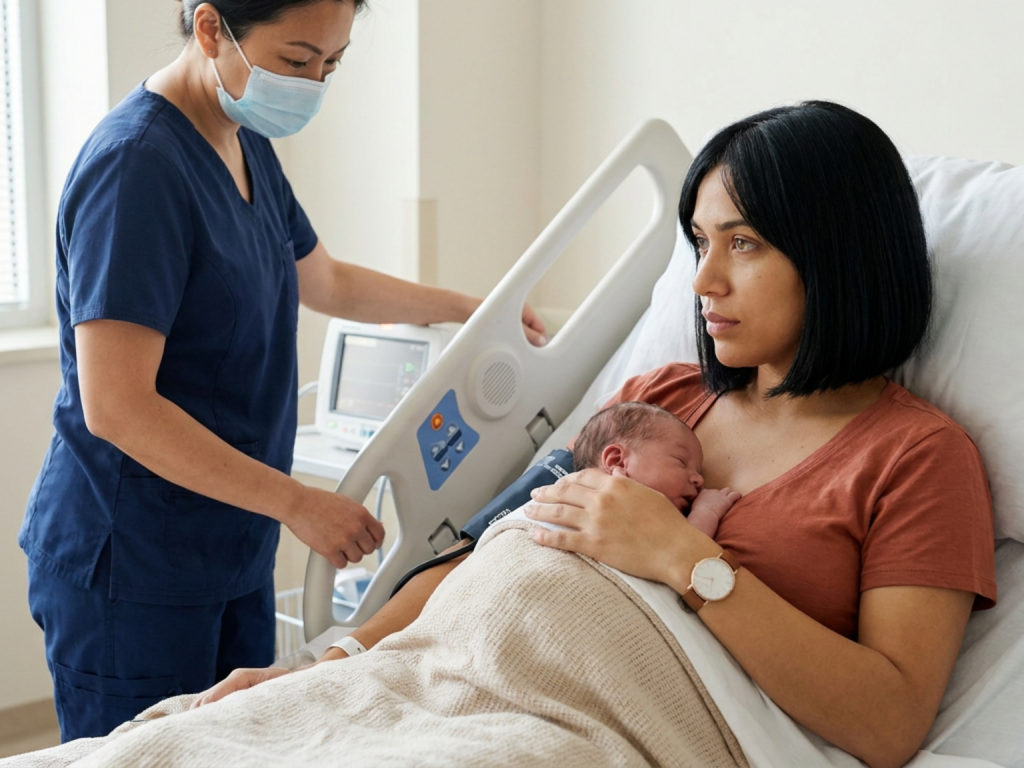
The first hours after birth are a time of intense physiologic transition. Your uterus is contracting, hormones are shifting rapidly, blood pressure and bleeding are being watched closely, and your baby is adapting to breathing, feeding, temperature regulation, and life outside the womb.
Highlights
Close observation in the first hours after birth is normal and protective, especially for bleeding, blood pressure, pain, temperature, and level of alertness.
Recovery looks different after vaginal birth, assisted birth, and cesarean birth, but the priorities are similar: stability, comfort, safe movement, hydration, nutrition, and bonding.
Skin-to-skin contact and early feeding support can often begin soon after birth, while urgent medical needs always take priority.
Do not minimize severe pain, heavy bleeding, faintness, shortness of breath, chest pain, severe headache, or visual changes; these need prompt clinical review.
The first minutes: stabilization, observation, and orientation
Immediately after birth, the clinical focus is simple but deeply important: confirm that you and your baby are stable, reduce preventable complications, and support the first moments of connection. In a hospital or birth center, nurses, midwives, obstetric clinicians, anesthetists, and pediatric or neonatal staff may all be involved depending on the birth circumstances.
For the birthing parent, early monitoring usually includes blood pressure, pulse, oxygen level when indicated, temperature, uterine tone, vaginal bleeding, pain level, bladder status, and level of alertness. The uterus should become firm as it contracts down after the placenta is delivered. A soft or boggy uterus can contribute to postpartum hemorrhage, so fundal checks may feel uncomfortable but are clinically important.
If you had a cesarean birth or required significant anesthesia, you may spend time in a post-anesthesia recovery area or a closely monitored birth recovery room. This mirrors broader postoperative care principles: airway, breathing, circulation, pain control, nausea prevention, wound assessment, and gradual return to drinking, eating, and moving. The first 24 hours after surgery are recognized as a vulnerable window when good coordination among the surgical, anesthesia, and nursing teams can improve comfort and recovery.
Emotionally, these minutes can be clear and joyful, foggy and surreal, frightening, or all of these at once. Shaking, tears, nausea, itching after neuraxial opioids, or feeling detached can happen. Tell your team what you are experiencing. Supportive care is not only about vital signs; it includes explaining what is happening, protecting your dignity, and helping you feel oriented after an intense medical and personal event.
Bleeding, uterus checks, and perineal or incision care
Postpartum bleeding, called lochia, begins immediately after birth. In the first hours it is usually bright red and may include small clots, but it should not soak pads rapidly or be accompanied by dizziness, pallor, racing heart, or fainting. Staff will assess bleeding frequently because postpartum hemorrhage can develop quickly, even after an uncomplicated labor.
Uterine massage or fundal assessment may be performed to confirm that the uterus remains firm. You may be given uterotonic medication, such as oxytocin, according to local protocols and your clinical situation. These measures are intended to reduce excessive bleeding, not to replace individualized evaluation if bleeding seems abnormal.
After a vaginal birth, clinicians may examine the perineum, vagina, and cervix for tears. If sutures are needed, local anesthesia or existing epidural anesthesia may be used when appropriate. Ice packs, absorbent pads, positioning support, and anti-inflammatory pain relief may be discussed by your care team. After an assisted vaginal birth with forceps or vacuum, swelling, bruising, and soreness may be more pronounced, so reporting escalating pressure or severe rectal pain matters.
After a cesarean birth, the incision dressing, uterine tone, vaginal bleeding, catheter output, and anesthesia recovery are observed. You may still have vaginal bleeding because the placental site inside the uterus must heal. Incision pain should be treated seriously, but sudden worsening pain, expanding abdominal tenderness, heavy bleeding, fever, or feeling acutely unwell should be assessed promptly.
Pain control, nausea, fluids, and first food
Good pain control is not a luxury; it supports breathing, movement, feeding, sleep, and emotional coping. Clinicians may use a multimodal approach, combining different categories of pain relief when safe for you. The exact plan depends on your birth type, allergies, bleeding risk, kidney or liver conditions, anesthesia used, breastfeeding considerations, and local protocols.
After vaginal birth, pain may come from uterine cramps, perineal tears, hemorrhoids, muscle fatigue, or pelvic pressure. After cesarean birth, pain includes uterine cramping plus abdominal wall and incision pain. Afterpains can be stronger during breastfeeding because oxytocin release helps the uterus contract. This can be normal, but severe, one-sided, or rapidly worsening pain deserves review.
Nausea and vomiting can occur after labor, opioid medications, anesthesia, blood loss, or surgery. In some postoperative recovery settings, people are first offered ice chips or clear liquids, then progress as nausea settles and alertness improves. After birth, especially after cesarean birth, your team may similarly guide when to drink and eat. Enhanced recovery principles often encourage earlier nutrition and mobilization when clinically safe, but this should be individualized.
Hydration is also assessed practically: thirst, urine output, blood pressure, dizziness, and whether you can tolerate fluids. If you had an epidural, spinal, cesarean birth, fever, hemorrhage, or prolonged labor, you may have intravenous fluids for a period of time. Ask what each medication is for and when your pain plan will be reassessed. You deserve enough relief to breathe deeply, hold your baby safely, and begin moving without feeling dismissed.
Movement, bladder function, and safety after anesthesia
Early movement is usually encouraged once it is safe. It lowers the risk of complications such as blood clots, supports bowel function, and helps you regain confidence in your body. However, the first time you stand should often be assisted, particularly if you had an epidural, spinal anesthetic, significant blood loss, magnesium sulfate, sedating medication, or a cesarean birth.
Your legs may feel heavy, numb, weak, or unreliable while neuraxial anesthesia wears off. Even if you feel mentally alert, blood pressure can drop when you first sit or stand. Move gradually: sit up, dangle your legs, breathe, then stand with help. Report dizziness, ringing in the ears, visual dimming, shortness of breath, chest pain, or a sense that you may faint.
Bladder function is a major focus in the first hours. A full bladder can prevent the uterus from contracting well and may increase bleeding. After vaginal birth, swelling, pain, epidural effects, or fear of stinging can make urination difficult. After cesarean birth, a urinary catheter may remain in place for a period of time. Once it is removed, staff may track your first void and sometimes measure urine output.
If you received sedating medicines or anesthesia, safety instructions may resemble other immediate postoperative guidance: avoid driving, alcohol, signing major documents, or being the only responsible adult for a newborn until your clinician says it is safe. The details differ depending on the medication and birth setting, but the principle is consistent: alertness, balance, judgment, and reaction time may be temporarily impaired.
Skin-to-skin, feeding, and newborn checks
When you and your baby are stable, skin-to-skin contact is often encouraged soon after birth. A warm, dry baby placed on your chest can help regulate temperature, breathing, heart rate, glucose stability, and early feeding behaviors. It can also support oxytocin release, which may assist uterine contraction and bonding. If immediate skin-to-skin is not possible, it can often begin later; delayed contact is not a failure.
Newborn assessment may happen partly on your chest and partly at a warmer, depending on the baby’s condition and local practice. Staff commonly assess breathing, color, tone, heart rate, temperature, weight, and signs of transition. Some babies need suctioning, oxygen support, glucose monitoring, or neonatal observation. If your baby needs extra care, ask for clear updates and whether your partner or support person can accompany the baby.
Early feeding support depends on your feeding plan and your baby’s readiness. For breastfeeding, the first hour may include crawling, rooting, licking, and attempts to latch. Colostrum is produced in small volumes and is biologically concentrated. For formula feeding, staff can help with safe preparation, paced feeding, and recognizing hunger and fullness cues. If you plan to pump or hand express, ask for practical help early, especially if your baby is premature, sleepy, or separated for medical care.
Bonding is not a single moment that must happen perfectly. Pain, exhaustion, surgery, hemorrhage, trauma, or neonatal complications can interrupt the imagined first hour. Connection can be rebuilt through touch, voice, eye contact, feeding, caregiving, and rest. The goal is not performance; it is supported recovery for both of you.
Emotional recovery and communication with your care team
The first hours after birth can bring relief, euphoria, grief, numbness, anxiety, or intrusive replaying of events. These reactions may be intensified by emergency interventions, unplanned cesarean birth, severe pain, feeling unheard, neonatal separation, or previous trauma. A medically stable birth can still feel emotionally difficult, and a complicated birth can still include moments of joy.
Ask for a brief debrief if you are confused about what happened. Useful questions include: why was an intervention recommended, how much blood was lost, were there tears or surgical complications, what medications did I receive, what symptoms should I report, and what is the plan for the next few hours? Clear information can reduce fear and help you participate in recovery.
Your support person can help track instructions, bring water, assist with positioning, advocate for pain relief, and notice changes in your condition. If you are alone, tell staff what support you need. It is reasonable to ask for help lifting the baby, walking to the bathroom, changing pads, or understanding feeding cues.
If your birth followed a long first stage of labor, a difficult second stage, or urgent maternal warning signs before delivery, the first hours may feel especially loaded. Try not to judge your recovery by someone else’s timeline. The safest approach is to communicate early and specifically: name the symptom, when it started, whether it is worsening, and what makes it better or worse. Clinicians can then decide what assessment is needed.
Preparing for the next 24 hours
Before transfer to a postpartum room or discharge from a birth setting, the team usually wants evidence that immediate recovery is progressing safely. This may include stable vital signs, controlled bleeding, adequate pain relief, improving mobility, appropriate urine output, and a feeding or newborn care plan. After cesarean birth, additional goals may include incision assessment, return of sensation after anesthesia, nausea control, and a plan for thrombosis prevention when indicated.
The next 24 hours are not passive waiting. They are a structured transition from intensive observation toward self-care with support. You may learn how often to change pads, how to assess bleeding, how to care for stitches or an incision, how to request pain medicine before pain becomes severe, and when to call for help. If you are going home early, make sure you know who to contact day or night.
Rest is medical care in this window. Limit visitors if they interfere with feeding, sleep, privacy, or clinical checks. Eat and drink as advised, accept help getting up, and avoid comparing your alertness or mobility with another parent’s. Recovery after birth is influenced by labor duration, blood loss, anesthesia, surgery, infection risk, sleep deprivation, chronic conditions, and emotional stress.
Most people do well with attentive support, but postpartum complications can evolve quickly. Heavy vaginal bleeding after birth, severe headache with visual changes, chest pain, shortness of breath, seizure, fever, fainting, one-sided leg swelling, or thoughts of harming yourself or the baby should be treated as urgent. When in doubt, call maternity triage, your clinician, or emergency services according to local guidance.
Seek urgent help
- Heavy vaginal bleeding after birth, soaking pads rapidly, or passing large clots
- Chest pain, shortness of breath, fainting, seizure, or sudden severe weakness
- Severe headache with visual changes, confusion, or very high blood pressure if known
- Fever, worsening abdominal pain, foul-smelling discharge, or feeling acutely unwell
- Thoughts of self-harm, harming the baby, or feeling unable to stay safe
Tools & Assistance
- Use the call bell or maternity triage number early rather than waiting for symptoms to worsen
- Keep a written note of medications, bleeding changes, urine output, and questions
- Ask for lactation, anesthesia, physiotherapy, or mental health support when needed
- Arrange a responsible adult to help with transport, stairs, meals, and newborn care after discharge
FAQ
How much bleeding is normal in the first hours after birth?
Some bright red bleeding is expected, but soaking pads quickly, passing large clots, dizziness, or a racing heartbeat should be reported immediately.
When can I eat after giving birth?
It depends on nausea, anesthesia, surgery, and your clinical status. Some people start with clear fluids and progress gradually, especially after cesarean birth.
Is shaking after birth normal?
Shaking can occur from hormonal shifts, exertion, temperature changes, medications, or anesthesia, but tell your team so they can assess you in context.
What if I cannot feel bonded right away?
That can happen, especially after pain, exhaustion, surgery, or stress. Bonding can develop over hours and days through supported care, touch, feeding, and rest.
Should I walk soon after birth?
Movement is often encouraged when safe, but your first time standing should be guided if you had anesthesia, significant blood loss, sedating medication, or dizziness.
Sources
- PubMed Central — The first 24 hours after surgery: how an anesthetist, a surgeon and a nurse cope with an intriguing paradox
- UCLA Health — What to expect immediately after surgery
- Allina Health — Right after surgery
Disclaimer
This article is for general medical education and does not replace individualized care. Seek urgent medical advice for concerning postpartum symptoms or if you are unsure what is safe for you.


















Please log in to leave a comment.