
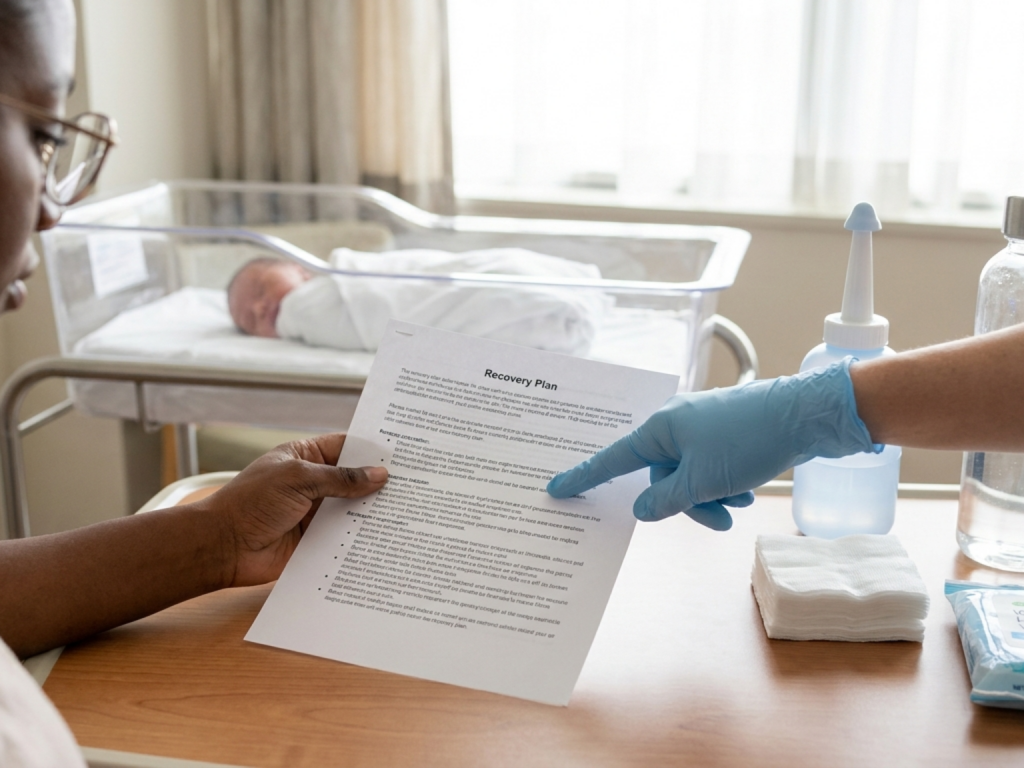
Intro
Recovery after labor interventions can feel medically complex and emotionally layered. An induction, epidural, episiotomy, forceps or vacuum birth, manual procedures, uterotonic medication, or cesarean delivery may all leave different physical traces, even when the intervention was necessary and well performed.
This article explains what recovery can involve, what tends to be expected, and which symptoms deserve prompt clinical review. It is written for readers who are comfortable with medical terminology but still deserve reassurance, clarity, and individualized care.
Highlights
Recovery depends on the type of intervention, the extent of tissue injury, blood loss, anesthesia, infection risk, and the emotional experience of the birth.
Perineal pain, bowel hesitation, urinary leakage, lochia, afterpains, fatigue, and mood shifts can be common, but worsening or severe symptoms should be reviewed.
Evidence supports practical measures such as perineal education and carefully timed cold application for some people with perineal trauma.
Postpartum care should be an ongoing process, with early contact and a comprehensive postpartum visit rather than a single delayed checkup.
Start with what the intervention changed
Labor interventions are not a measure of whether birth went well or badly. They are clinical tools used to reduce risk, shorten a dangerous delay, manage pain, prevent hemorrhage, or deliver the baby when spontaneous labor is no longer the safest path. Recovery begins by identifying what body systems were most affected: cervix and uterus after induction or augmentation, pelvic floor and perineum after operative vaginal birth, bladder after catheterization or neuraxial anesthesia, and abdominal wall and uterus after cesarean surgery.
Recovery differences between delivery types become most obvious in the first two weeks. A person recovering from an uncomplicated induction with no major tear may mainly notice uterine cramping, lochia, fatigue, and pelvic floor heaviness. Someone who had forceps, vacuum extraction, episiotomy, a third- or fourth-degree tear, hemorrhage, or cesarean birth may need more structured pain control, wound surveillance, bowel support, and activity modification. The goal is not to compare recoveries, but to match care to the actual physiologic load of the birth.
Perineal trauma and assisted birth
Perineal trauma includes spontaneous lacerations, episiotomy, edema, bruising, hematoma, and repaired wounds involving the vagina, perineal body, or anal sphincter complex. Recovery after assisted vaginal delivery may involve more swelling, deeper pressure pain, urinary symptoms, and concern about the newborn’s scalp or facial marks, especially after forceps or vacuum use. Obstetric anal sphincter injuries require particularly careful follow-up because bowel urgency, flatal incontinence, fecal leakage, or severe anal pain are not symptoms to minimize.
Common comfort measures include rinsing the perineum with warm water during urination, using pads rather than tampons, keeping stools soft with hydration and dietary fiber, and avoiding activities that sharply increase perineal pressure until cleared by a clinician. Cold application may help perineal pain after the first postpartum day, while education about hygiene, nutrition, pelvic floor exercises, and infection warning signs appears to support faster healing in people with perineal trauma. These strategies should be individualized, especially when stitches, extensive edema, wound separation, or suspected infection are present.
- Ask what degree of tear occurred and whether the anal sphincter was involved.
- Clarify when to restart pelvic floor muscle training and when pelvic floor physical therapy is appropriate.
- Seek review for worsening pain, foul discharge, fever, expanding swelling, or inability to pass urine or stool.
Cesarean and surgical recovery
For recovery after c-section, the body is healing from pregnancy, placental separation, uterine involution, and abdominal surgery at the same time. Pain may come from the skin incision, fascial layer, uterus, gas distension, and muscle guarding during movement. A person may also have labored before surgery, so perineal soreness and pelvic floor symptoms can coexist with an abdominal incision.
Early priorities usually include incision observation, gentle mobility, adequate hydration, bowel function, bleeding awareness, and safe lifting limits provided by the surgical team. Rolling to the side before sitting up can reduce abdominal strain, and splinting the incision with a pillow during coughing, laughing, or position changes may make movement more tolerable. Incisional redness, increasing warmth, drainage, wound separation, fever, or worsening abdominal pain should be discussed urgently with a healthcare professional. Because surgery, pregnancy, reduced mobility, and postpartum physiology can increase venous thromboembolism risk, leg swelling on one side, chest pain, shortness of breath, or fainting needs emergency assessment.
Epidural, catheter, and mobility effects
Neuraxial anesthesia, including epidural or spinal anesthesia, can leave temporary leg heaviness, numbness, itching, shivering, low blood pressure episodes, or soreness near the insertion site. These usually improve as the medication wears off, but persistent weakness, severe headache that changes with position, fever, neurologic symptoms, or loss of bladder or bowel control warrants prompt evaluation.
Catheterization and prolonged second stage labor can affect bladder sensation. After birth, some people do not feel bladder fullness normally, especially after epidural anesthesia. Bladder overdistension can worsen pain, displace the uterus, increase bleeding, or contribute to urinary retention, so clinicians often monitor the first voids. When sensation and strength have returned, early ambulation after delivery supports circulation, bowel motility, and confidence with movement. This should be gradual, assisted at first if there was anesthesia, hemorrhage, dizziness, or surgical birth.
Bleeding, bowels, bladder, and pelvic floor
Lochia is postpartum discharge made of blood, mucus, and uterine tissue. It commonly starts red, then darkens and gradually becomes lighter over several weeks. Uterine contractions, sometimes called afterpains, help compress blood vessels at the placental site and can be stronger during breastfeeding because oxytocin is released. Uterotonic medication after birth may be used to reduce postpartum hemorrhage risk, and people who had heavy bleeding may also need anemia assessment, iron guidance, and a lower threshold for follow-up if dizziness, palpitations, or profound fatigue continue.
Bowel recovery deserves practical attention. Perineal stitches, hemorrhoids, opioids, dehydration, iron therapy, immobility, and cesarean anesthesia can all contribute to constipation. Rather than straining through pain, ask the care team about stool-softening strategies, fiber, fluids, and medication compatibility with breastfeeding if relevant. Bladder leakage with coughing, laughing, or standing can reflect pelvic floor stretching or nerve irritation; this is common but not something a person must simply tolerate. Pelvic floor recovery after birth may include correctly performed Kegel exercises, scar mobility work later in healing, breathing coordination, and referral to a pelvic floor physical therapist when pain, pressure, leakage, or sexual pain persists.
Follow-up and emotional repair
Recovery after intervention is not only tissue healing. A sudden cesarean, assisted birth, severe tear, hemorrhage, neonatal resuscitation, prolonged induction, or feeling unheard during decision-making can leave a person replaying the birth. A birth debrief with the obstetric, midwifery, or anesthesia team can help explain why events unfolded, what was urgent, and what should be documented for future pregnancies. This is especially important when the medical outcome was good but the experience felt frightening.
Postpartum care should be continuous. Many guidance frameworks recommend contact with a healthcare professional in the first few weeks and a comprehensive postpartum assessment by 6 to 12 weeks, with earlier review for complications. That visit should cover pain, bleeding, wound healing, mood, sleep, lactation or feeding, contraception, birth spacing, pelvic floor symptoms, and readiness for sex or exercise. If sadness, panic, intrusive memories, rage, numbness, or inability to sleep continues beyond the expected adjustment period, or if there are thoughts of self-harm or harming the baby, urgent mental health support is part of medical recovery, not an optional extra.
Seek urgent care if
- Bleeding soaks a pad in an hour, large clots occur, or bleeding comes with dizziness, fainting, fever, or pelvic pain.
- There is fever, worsening abdominal pain, foul-smelling lochia, increasing perineal or incision pain, drainage, or wound separation.
- Severe headache, visual symptoms, chest pain, shortness of breath, fainting, or one-sided leg swelling develops.
- Urinary retention, loss of bladder or bowel control, fecal leakage, or severe anal pain occurs after birth.
- Thoughts of self-harm, harming the baby, severe panic, or inability to function safely appear.
Tools & Assistance
- Early postpartum phone or in-person check with an obstetrician, midwife, or family physician
- Written discharge plan listing tear degree, medications, activity limits, and warning signs
- Pelvic floor physical therapy referral for persistent pain, pressure, leakage, or bowel symptoms
- Birth debrief appointment after assisted birth, emergency cesarean, hemorrhage, or traumatic experience
- Local urgent maternity triage, emergency department, or crisis line for red-flag symptoms
FAQ
Is more pain normal after an assisted vaginal birth?
More perineal swelling, bruising, and pressure can occur after forceps or vacuum birth, but pain should gradually improve. Worsening, severe, one-sided, or fever-associated pain should be assessed.
When can I exercise after labor interventions?
Light walking is often encouraged when safe, but strenuous exercise, heavy lifting, and abdominal strain depend on bleeding, perineal injury, cesarean healing, anemia, and clinician guidance.
Do pelvic floor symptoms always resolve on their own?
Some leakage or heaviness improves as tissues recover, but persistent urinary leakage, fecal urgency, pelvic pressure, or pain with sex deserves pelvic floor assessment.
What should I ask at my postpartum visit?
Ask about the details of any intervention, wound healing, anemia risk, safe activity progression, contraception, pelvic floor rehabilitation, mood symptoms, and implications for a future birth.
Sources
- PubMed — The effect of postpartum interventions on healing and pain in women with perineal trauma: A systematic review and meta-analysis
- Mayo Clinic — Postpartum care: What to expect after a vaginal birth
- NCBI Bookshelf — Postpartum care
Disclaimer
This article is for informational purposes only and does not diagnose, prescribe, or replace individualized medical care. Contact your healthcare professional or emergency services for concerning postpartum symptoms.













Please log in to leave a comment.