
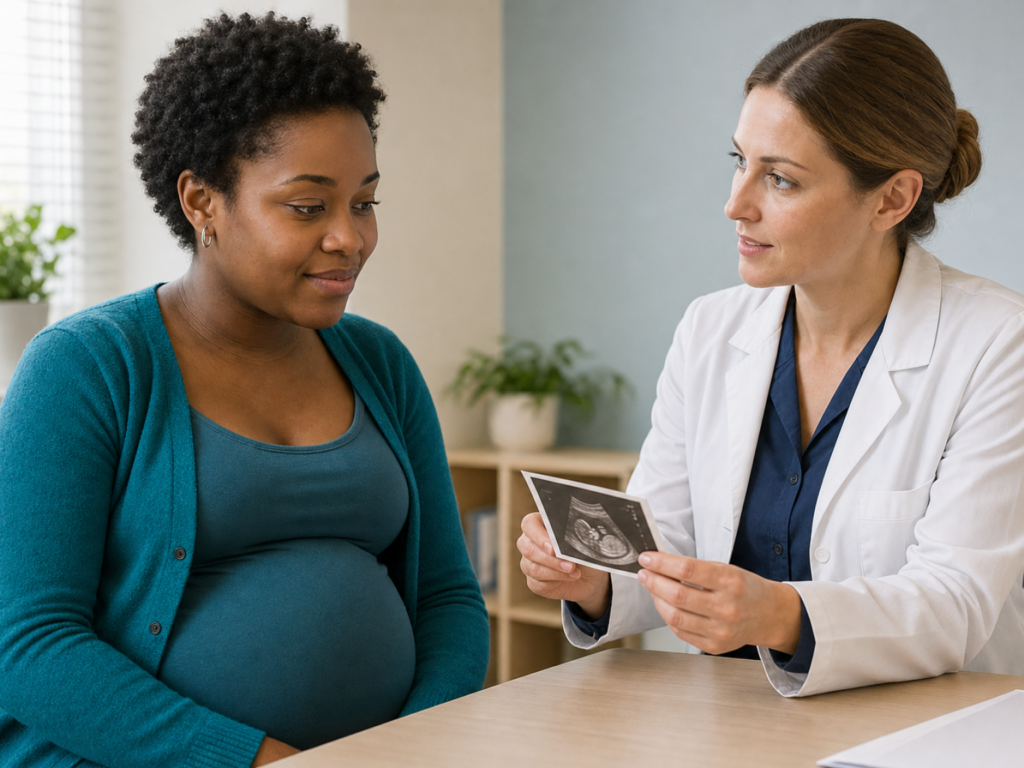
Intro
Miscarriage, also called pregnancy loss or spontaneous abortion, is the loss of a pregnancy before fetal viability, most often in the first trimester. Although it is common, it can be physically distressing and emotionally devastating. Many people search for a reason, but in many early losses the cause is not something the pregnant person did or could have prevented.
This article explains medically recognized causes, risk factors, and early signs of miscarriage in a supportive but evidence-based way. It is not meant to diagnose bleeding, cramping, or pain in pregnancy; any concerning symptom deserves individualized assessment from an obstetrician, midwife, emergency clinician, or other qualified healthcare professional.
Highlights
Vaginal bleeding, cramping, and passage of tissue can be early signs of miscarriage, but bleeding in early pregnancy does not always mean pregnancy loss.
Most first-trimester miscarriages are linked to chromosomal abnormalities in the embryo, which are usually random and not preventable.
Risk increases with factors such as advancing maternal age, previous miscarriages, certain chronic conditions, uterine or cervical problems, smoking, alcohol, some drug use, and high caffeine intake.
Urgent medical care is important for heavy bleeding, severe pain, fainting, fever, or suspected ectopic pregnancy.
Understanding miscarriage in early pregnancy
A miscarriage is the spontaneous loss of a pregnancy. Most miscarriages occur before 12 weeks of gestation, and many happen very early, sometimes before a person realizes they are pregnant. The medical term may be early pregnancy loss, spontaneous abortion, missed miscarriage, incomplete miscarriage, or complete miscarriage, depending on ultrasound findings, symptoms, and whether pregnancy tissue has passed.
Miscarriage is not a sign of personal failure. In a large proportion of first-trimester losses, the embryo has chromosomal abnormalities that prevent normal development. These abnormalities usually arise by chance during egg or sperm formation or early cell division. They are typically not caused by exercise, sex, working, mild stress, or ordinary daily activities.
Clinically, miscarriage must also be distinguished from other urgent conditions, especially ectopic pregnancy, where a pregnancy implants outside the uterus, commonly in a fallopian tube. Ectopic pregnancy can cause bleeding and pain and may become life-threatening, so early evaluation is important when symptoms are significant or unusual.
Common causes of miscarriage
The most frequent cause of early miscarriage is a chromosomal problem in the developing embryo. Examples include aneuploidy, where there are too many or too few chromosomes, or other genetic errors incompatible with ongoing development. These events are often random, and a single miscarriage usually does not mean a person or couple has an underlying genetic disorder.
Other medical contributors may include:
- Uterine abnormalities: Septum, significant fibroids, intrauterine adhesions, or congenital uterine shape differences may interfere with implantation or pregnancy growth in some cases.
- Cervical insufficiency: A cervix that opens too early, more often associated with second-trimester loss, may be relevant in people with characteristic histories.
- Endocrine conditions: Poorly controlled diabetes, thyroid disease, and some hormonal disorders may increase risk if untreated or not well controlled.
- Infections: Certain infections can contribute to pregnancy complications, though routine mild viral illnesses are not usually the explanation for an early miscarriage.
- Immune and clotting conditions: Conditions such as antiphospholipid syndrome may be considered, particularly after recurrent pregnancy loss.
It is important not to assume a cause from symptoms alone. The reason for a miscarriage may remain unknown, especially after a first loss, even after appropriate medical care.
Risk factors: what can and cannot be changed
A risk factor is not the same as a cause. Having one or more risk factors does not mean a miscarriage will happen, and many miscarriages occur in people without obvious risk factors. Still, recognizing risk patterns can help guide preconception counseling, early pregnancy monitoring, and lifestyle support.
Non-modifiable or less modifiable risk factors include advancing maternal age, especially over 35, previous miscarriages, certain anatomical uterine or cervical problems, and some genetic or reproductive histories. Age is important because the probability of chromosomal abnormalities in eggs rises over time, increasing the chance of early pregnancy loss.
Modifiable or potentially manageable risk factors include active smoking, alcohol use, illicit drug use, obesity, poorly controlled diabetes, untreated thyroid disease, and high caffeine intake. Research evidence identifies active smoking during pregnancy as a preventable risk factor. Stopping smoking, avoiding alcohol and non-prescribed drugs, optimizing chronic disease control, and discussing medications before conception or early in pregnancy can reduce some avoidable risks.
Medication safety should always be discussed with a clinician. Some medicines are safe and necessary in pregnancy, while others may need substitution or monitoring. Do not stop prescribed treatment suddenly without medical advice, particularly for epilepsy, hypertension, psychiatric illness, autoimmune disease, diabetes, or thyroid disease.
Early signs and symptoms of miscarriage
The most recognized early sign of miscarriage is vaginal bleeding. It may range from light spotting to bleeding heavier than a menstrual period. Bleeding may be bright red or brown and may occur with or without clots. However, spotting in early pregnancy can also occur for reasons that do not mean miscarriage, such as cervical irritation, implantation-related bleeding, or subchorionic bleeding. Because the meaning varies, medical guidance is recommended.
Other possible symptoms include pelvic or lower abdominal cramping, low back pain, and passage of fluid or tissue from the vagina. Cramping can feel like menstrual cramps or become more intense and rhythmic. Some people notice a sudden decrease in pregnancy symptoms such as nausea or breast tenderness, but symptom fluctuation alone is not a reliable way to diagnose pregnancy loss.
Warning signs deserve prompt attention when bleeding is heavy, pain is severe or one-sided, dizziness or fainting occurs, shoulder-tip pain develops, fever is present, or foul-smelling discharge occurs. These may indicate complications such as significant blood loss, infection, or ectopic pregnancy.
What evaluation may involve
If miscarriage is suspected, healthcare professionals may use several tools to assess the situation. A pelvic examination may evaluate bleeding and whether the cervix is open. Ultrasound can check for an intrauterine pregnancy, fetal cardiac activity when gestational age is sufficient, and whether pregnancy tissue remains in the uterus. Blood tests may measure human chorionic gonadotropin, commonly called hCG, sometimes repeated over 48 hours, and may check blood count or blood type.
Evaluation depends on gestational age, symptom severity, prior ultrasound findings, medical history, and hemodynamic stability. In very early pregnancy, a single scan or blood test may not provide a definitive answer, and follow-up testing may be needed. This waiting period can be emotionally very difficult, and it is reasonable to ask clinicians what uncertainty remains and when clearer information is expected.
If a miscarriage is confirmed, management options vary and may include expectant care, medication, or a procedure to remove remaining pregnancy tissue. The appropriate option depends on clinical circumstances, patient preferences, bleeding, infection risk, and local medical guidance. This article does not recommend a specific treatment because decisions should be made with a qualified clinician.
Recurrent miscarriage and when further testing is considered
Many people go on to have a healthy pregnancy after one miscarriage. After repeated losses, often defined clinically as two or more pregnancy losses depending on the guideline and context, a more detailed evaluation may be discussed. This can include uterine imaging, thyroid and diabetes assessment, antiphospholipid antibody testing, review of medications and exposures, and sometimes genetic testing of pregnancy tissue or parental chromosomes.
Recurrent miscarriage can be especially isolating because grief is often combined with uncertainty and repeated medical appointments. Even when a cause is not found, supportive care and individualized planning may improve the experience of future pregnancies. Early ultrasound timing, symptom plans, and mental health support can be part of care.
Emotional impact and supportive care
The emotional response to miscarriage can include sadness, shock, anger, guilt, numbness, anxiety, or relief mixed with grief. There is no correct way to feel. The pregnancy may have been longed for, unexpected, medically complicated, or emotionally ambivalent; all experiences deserve compassionate care.
Physical recovery can involve bleeding, cramping, hormonal changes, fatigue, and follow-up appointments. Emotional recovery may take longer than physical recovery. Support from a trusted clinician, partner, friend, counselor, pregnancy loss group, or spiritual community can be valuable. If grief feels unmanageable, sleep becomes impossible, panic symptoms escalate, or thoughts of self-harm occur, urgent mental health support is important.
People often ask whether they caused the miscarriage. In most early losses, the answer is no. Gentle daily activities, prior contraception use, sexual intercourse, work, exercise within usual limits, and ordinary emotional stress are not typical causes of miscarriage.
Seek urgent medical care if any of these occur
- Heavy bleeding, such as soaking pads quickly or passing large clots.
- Severe abdominal or pelvic pain, especially one-sided pain.
- Dizziness, fainting, shoulder pain, or feeling very weak.
- Fever, chills, or foul-smelling vaginal discharge.
- Known pregnancy with bleeding and no confirmed intrauterine pregnancy yet.
- Any symptom that feels frightening, rapidly worsening, or unlike usual pregnancy discomfort.
Tools & Assistance
- Call your obstetrician, midwife, fertility clinic, or early pregnancy assessment unit for individualized advice.
- Use emergency services for severe pain, fainting, heavy bleeding, or suspected ectopic pregnancy.
- Keep a symptom log noting bleeding amount, pain location, fever, tissue passage, and pregnancy dates.
- Ask about ultrasound timing, hCG follow-up, blood type testing, and Rh immune globulin if relevant.
- Seek grief counseling, pregnancy loss support groups, or urgent mental health care if distress feels overwhelming.
FAQ
Does bleeding always mean miscarriage?
No. Bleeding or spotting can occur in early pregnancy for several reasons, and some pregnancies continue normally. However, bleeding should be discussed with a healthcare professional, especially if it is heavy or accompanied by pain.
What is the most common cause of early miscarriage?
The most common cause is a chromosomal abnormality in the embryo. These changes are usually random and not caused by anything the pregnant person did.
Can miscarriage be prevented?
Many miscarriages, especially those caused by chromosomal abnormalities, cannot be prevented. Some risks may be reduced by avoiding smoking, alcohol, and illicit drugs, limiting caffeine as advised, and optimizing chronic conditions before and during pregnancy.
When should recurrent miscarriage be evaluated?
Evaluation is often considered after two or more pregnancy losses, though recommendations vary by clinical context and age. A clinician can advise whether testing is appropriate after your specific history.
Is mild cramping normal in early pregnancy?
Mild cramping can occur in early pregnancy and may be benign, but cramping with bleeding, severe pain, one-sided pain, dizziness, or fever needs medical assessment.
Sources
- Mayo Clinic — Pregnancy loss (miscarriage): Symptoms and causes
- Johns Hopkins Medicine — Miscarriage
- PubMed Central (NIH) — Understanding Miscarriage Prevalence and Risk Factors
Disclaimer
This article is for informational purposes only and does not replace professional medical evaluation, diagnosis, or treatment. If you have bleeding, pain, fever, fainting, or concerns in pregnancy, contact a qualified healthcare professional or emergency service.














Please log in to leave a comment.