
Intro
Week 37 often feels like a psychological milestone: the hospital bag may be packed, the baby’s movements are familiar, and labor could plausibly begin at any time. Clinically, however, 37 weeks is best understood as early term, not full term. The American College of Obstetricians and Gynecologists defines early term as 37 0/7 through 38 6/7 weeks, while full term begins at 39 0/7 weeks.
This distinction is not meant to worry you. Rather, it helps explain why healthcare professionals usually avoid elective delivery before 39 weeks when pregnancy is otherwise uncomplicated. Your baby is very close to being ready for life outside the uterus, but important maturation of the brain, lungs, liver, feeding coordination, and metabolic regulation continues in these final weeks.
Highlights
At 37 weeks, pregnancy is considered early term, meaning the baby is near term but still benefits from continued development when it is safe to remain pregnant.
The final weeks support maturation of the lungs, brain, liver, immune system, temperature control, and feeding skills.
Preparation now is practical and emotional: know your labor signs, confirm your birth plan, organize postpartum support, and stay attentive to fetal movement.
Call your maternity care team promptly for warning signs such as decreased fetal movement, heavy bleeding, severe headache, visual symptoms, or signs of preeclampsia.
Why 37 weeks is called early term
For many years, people commonly used the phrase “full term” for any pregnancy reaching 37 weeks. Modern obstetric classification is more precise. According to ACOG, early term is 37 0/7 to 38 6/7 weeks, full term is 39 0/7 to 40 6/7 weeks, late term is 41 0/7 to 41 6/7 weeks, and postterm is 42 0/7 weeks and beyond.
This terminology reflects outcome data: babies born at 37 or 38 weeks generally do very well, but as a group they have higher rates of respiratory problems, temperature instability, hypoglycemia, jaundice, feeding difficulties, and neonatal intensive care admission compared with babies born at 39 to 40 weeks. The goal is not to prevent medically necessary births at 37 weeks. If there is a maternal or fetal indication, delivery may be the safest option. But when there is no medical reason to deliver early, allowing pregnancy to continue can give the baby valuable developmental time.
Fetal development at 37 weeks
At 37 weeks, the fetus is typically gaining fat, refining neurologic control, and preparing for the physiologic transition from placental support to independent breathing, feeding, glucose regulation, and thermoregulation. Measurements vary widely, and growth patterns are interpreted in the context of ultrasound findings, fundal height, parental genetics, placental function, and the pregnancy’s overall course.
The lungs are much more mature than in earlier weeks, but respiratory adaptation still improves through 39 and 40 weeks. Surfactant production, fluid clearance mechanisms, and the coordination of breathing after birth continue to develop. The brain is also undergoing rapid growth and connectivity changes, supporting sleep-wake cycling, feeding coordination, arousal, and autonomic regulation.
The liver is preparing to process bilirubin and maintain glucose balance after the umbilical cord is clamped. Brown fat and subcutaneous fat stores help the newborn maintain body temperature. The immune system is also receiving maternal antibodies through the placenta, especially IgG, which helps provide early protection after birth. These processes are part of why the last weeks matter even when the baby appears fully formed.
What you may feel in your body
By week 37, many pregnant people feel physically stretched and emotionally ready. The is large, the baby may be low in the pelvis, and sleep may be interrupted by reflux, urinary frequency, hip discomfort, leg cramps, or difficulty finding a comfortable position.
- Pelvic pressure: If the baby’s head descends, you may feel more pressure in the pelvis, rectum, or pubic bone area.
- Braxton Hicks contractions: Irregular tightening may become more noticeable. These often vary with hydration, activity, and rest.
- Cervical discharge changes: Mucus may increase, and some people lose part of the mucus plug. A small amount of blood-tinged mucus can occur, but heavy bleeding is not normal.
- Backache and cramping: Mild intermittent discomfort can happen as the body prepares, but persistent, worsening, or rhythmic pain should be discussed with your care team.
- Swelling: Mild swelling of the feet and ankles is common, but sudden swelling of the face or hands, severe headache, or visual symptoms requires urgent assessment.
Because normal late-pregnancy sensations can overlap with early labor or complications, it is reasonable to call your maternity unit or clinician whenever symptoms feel different, intense, or concerning.
Fetal movement and monitoring in week 37
Your baby may feel different because space is tighter, but the overall pattern of movement should remain reassuringly familiar. Movements may feel more like rolls, stretches, pushes, or sweeping motions rather than sharp kicks. A meaningful reduction in movement should never be dismissed as “just running out of room.”
Many clinicians recommend paying attention to the baby’s usual active periods. Some use formal kick counts; others advise awareness of the daily pattern. If you notice decreased, absent, or markedly unusual movement, contact your healthcare team promptly for guidance. They may recommend evaluation with fetal heart rate monitoring, ultrasound assessment, or other testing depending on your history and symptoms.
If you have a high-risk pregnancy, such as hypertension, diabetes, fetal growth restriction, decreased amniotic fluid, multiple gestation, or prior pregnancy complications, your monitoring schedule may be more intensive. Follow the plan given by your obstetric clinician or maternal-fetal medicine specialist.
Signs of labor versus signs to call urgently
Labor often begins gradually, but it can also progress quickly. True labor contractions usually become more regular, longer, stronger, and closer together over time. They often continue despite hydration, position changes, or rest. You may also notice rupture of membranes, commonly described as a gush or ongoing leakage of fluid.
Contact your maternity care team for individualized instructions about when to come in, especially if you are group B strep positive, have had a previous cesarean, are planning a trial of labor after cesarean, live far from the hospital, or have pregnancy complications.
- Call if contractions are regular and intensifying according to the timing guidance your clinician gave you.
- Call right away if your water breaks, particularly if the fluid is green, brown, foul-smelling, or accompanied by fever.
- Seek immediate advice for heavy vaginal bleeding, severe abdominal pain, or persistent severe headache.
- Do not wait at home if fetal movement is decreased or absent.
Birth planning at early term
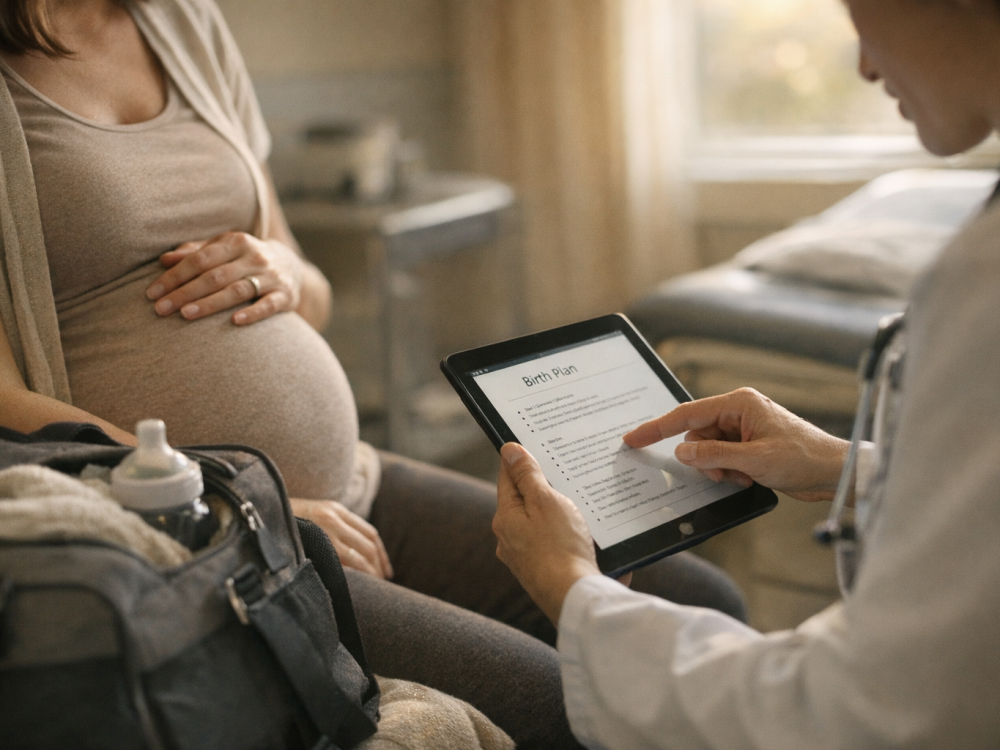
Week 37 is a good time to shift from broad planning to operational readiness. Confirm where to go, who to call, and what the after-hours process is. If you have a birth preferences document, keep it concise and flexible. The most useful plans communicate priorities while allowing the clinical team to respond to changing circumstances.
Consider preferences around pain management, mobility in labor, fetal monitoring, support people, delayed cord clamping when appropriate, newborn medications, infant feeding, and cesarean preferences if surgery becomes necessary. If you are scheduled for induction or cesarean delivery, ask your clinician to explain the medical indication, expected process, benefits, risks, alternatives, and what might change on the day of birth.
For uncomplicated pregnancies, elective delivery is generally not recommended before 39 weeks because babies born at 37 to 38 weeks have higher risks than those born at full term. However, medical indications such as preeclampsia, l concerns, fetal growth restriction, ruptured membranes, or other conditions may make earlier delivery appropriate. Your care team can explain how the risks of continuing pregnancy compare with the risks of birth at this gestational age.
Preparing for the newborn and postpartum period
Preparation at 37 weeks is not only about labor; it is also about the first days after birth. Newborns born at early term may breastfeed or bottle-feed well, but some are sleepier or less coordinated than babies born later. Feeding assessment, weight monitoring, jaundice screening, and follow-up appointments are important.
Pack essentials for yourself and your baby, but also plan for recovery. Arrange transportation, childcare for older children, pet care, meal support, and help with household tasks. If you plan to breastfeed or chestfeed, identify lactation support in advance. If you plan to formula feed or combination feed, make sure you understand safe preparation and feeding cues.
Postpartum mental health also deserves preparation. Mood swings and tearfulness can occur, but persistent sadness, anxiety, intrusive thoughts, panic, inability to sleep even when the baby sleeps, or thoughts of self-harm require prompt professional help. Tell your partner, family, or support person what signs to watch for and how to contact your clinician.
Emotional readiness and the waiting period
The final weeks can feel emotionally contradictory. You may be eager to meet your baby and, at the same time, anxious about labor, parenting, or medical uncertainty. It is common to oscillate between excitement, impatience, nesting energy, fatigue, and vulnerability.
Try to focus on what is controllable: attending appointments, monitoring fetal movement, resting when possible, eating regularly, staying hydrated, and clarifying your questions. If anxiety is escalating or interfering with sleep and daily function, tell your healthcare professional. Support is part of prenatal care, not an extra luxury.
If you have been following earlier pregnancy milestones, it may help to reflect on how far you and your baby have come, from the and early movements to third-trimester growth and positioning. Week 37 is close to the end, but it is also a meaningful developmental stage in its own right.
Seek urgent medical advice for these symptoms
- Decreased, absent, or markedly unusual fetal movement.
- Heavy vaginal bleeding or severe, persistent abdominal pain.
- Severe headache, visual changes, sudden swelling of the face or hands, or right upper abdominal pain.
- Fever, foul-smelling fluid, green or brown amniotic fluid, or suspected rupture of membranes.
- Shortness of breath, chest pain, fainting, seizure, or any symptom that feels like an emergency.
Tools & Assistance
- Keep your maternity unit phone number and after-hours instructions saved and visible.
- Pack a hospital bag with identification, insurance documents, medications, chargers, comfortable clothing, and newborn essentials.
- Use a contraction timer only as a guide; follow your clinician’s specific instructions.
- Prepare a concise birth preferences document and bring copies if useful.
- Arrange postpartum support for meals, transport, household tasks, infant feeding help, and mental health check-ins.
FAQ
Is 37 weeks full term?
No. Current obstetric terminology defines 37 0/7 to 38 6/7 weeks as early term. Full term begins at 39 0/7 weeks.
Is it safe to deliver at 37 weeks?
Many babies born at 37 weeks do well, but early-term birth carries higher average risks than birth at 39 to 40 weeks. If there is a medical indication, your clinician may recommend delivery because it is safer than continuing pregnancy.
Should fetal movement decrease because the baby has less room?
The type of movement may change, but the baby’s usual pattern should not significantly decrease. Contact your healthcare team promptly for reduced or absent movement.
What should I ask at my 37-week appointment?
Ask when to call or come in for labor, what to do if your water breaks, your group B strep result if tested, whether any monitoring is needed, and how to prepare for postpartum follow-up.
Can I request induction at 37 weeks because I am uncomfortable?
Discomfort is very common at this stage, but elective delivery before 39 weeks is generally avoided because the baby still benefits from development time. Discuss symptom relief and safe options with your clinician.
Sources
- American College of Obstetricians and Gynecologists — Definition of Term Pregnancy
- National Institute of Child Health and Human Development — Know Your Terms: About the Initiative
- Northwestern Medicine — Does Reaching the Full 40 Weeks of Pregnancy Matter?
Disclaimer
This article is for informational purposes only and does not replace medical care. Always consult your obstetrician, midwife, or maternity unit for personal advice, urgent symptoms, or birth planning decisions.

















Please log in to leave a comment.