
Intro
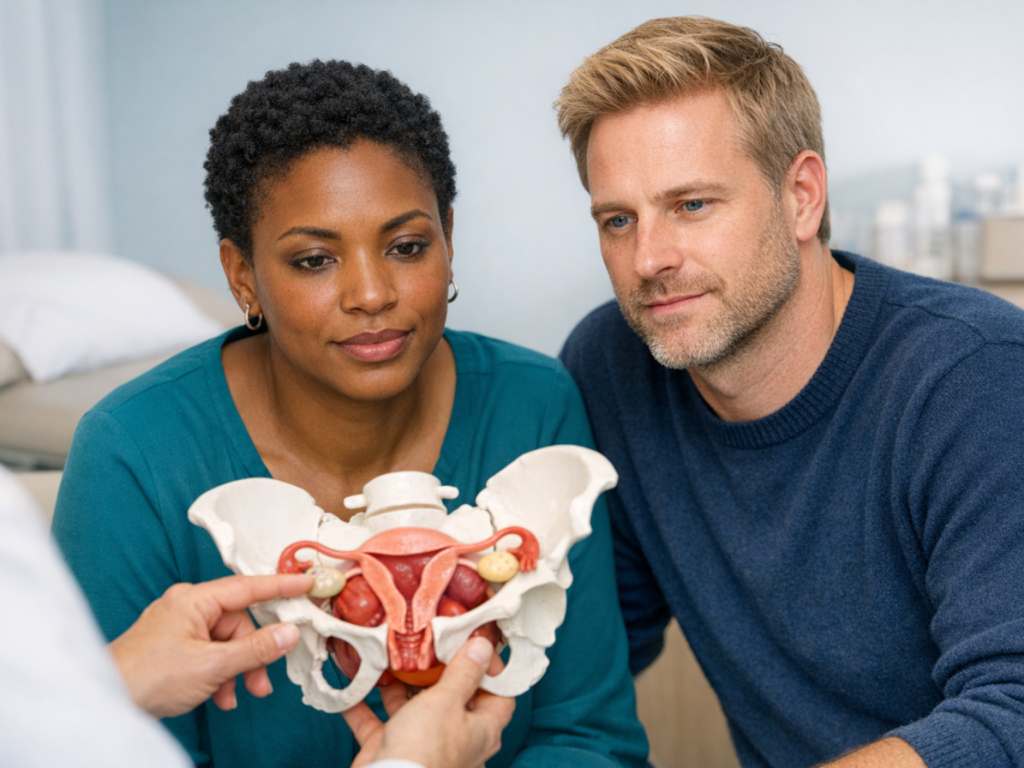
Endometriosis can make the path to pregnancy feel uncertain, especially when pain, irregular bleeding, previous surgery, or months of negative tests are already part of the story. The condition is defined by endometrium-like tissue growing outside the uterine cavity, often on the ovaries, fallopian tubes, peritoneum, bowel, bladder, or pelvic ligaments. These lesions can behave hormonally and immunologically in ways that create inflammation, scarring, altered pelvic anatomy, and changes in egg, sperm, embryo, and uterine function.
Importantly, endometriosis does not mean pregnancy is impossible. Many people with endometriosis conceive naturally and have healthy pregnancies. However, compared with people without the condition, conception may take longer, and some will benefit from early fertility assessment, surgical planning, ovulation evaluation, or assisted reproductive technologies such as in vitro fertilization. Understanding the mechanisms can help you have clearer conversations with your gynecologist, fertility specialist, or reproductive endocrinologist.
Highlights
Endometriosis may reduce conception chances through both mechanical factors, such as adhesions and distorted anatomy, and cellular factors, such as inflammation and oxidative stress.
Even mild endometriosis can be associated with changes in folliculogenesis, egg quality, fertilization, embryo development, and endometrial receptivity.
The effect on fertility varies widely: disease stage, age, ovarian reserve, tubal status, sperm quality, prior surgeries, and pain severity all matter.
Many people with endometriosis still conceive without treatment, but earlier medical guidance is often reasonable if pregnancy has not occurred after several months of well-timed intercourse.
Treatment decisions are individualized; surgery, expectant management, ovarian stimulation, intrauterine insemination, or IVF may be considered depending on the clinical situation.
Endometriosis and fertility: a variable relationship
Endometriosis-associated infertility is not a single pathway. It is better understood as a spectrum of possible disruptions that may occur at several points in conception: ovarian follicle development, ovulation, egg pickup by the fallopian tube, sperm movement and function, fertilization, embryo transport, implantation, and early placental signaling. Some people have severe pelvic disease but conceive quickly; others have minimal visible disease and still experience infertility. This variability can feel frustrating, but it reflects the complex biology of reproduction.
Clinically, endometriosis is often staged from minimal to severe based on surgical findings, including lesion location, adhesions, and ovarian endometriomas. Higher-stage disease is more likely to distort pelvic anatomy, but stage does not perfectly predict pain or fertility. Age is also crucial. Endometriosis may lower the efficiency of conception, and declining ovarian reserve with age can further narrow the reproductive window. That is why timing matters when deciding whether to continue trying naturally or seek fertility care.
Mechanical effects: adhesions, anatomy, and tubal function
One of the clearest ways endometriosis can affect conception is by altering pelvic anatomy. Repeated inflammation and healing can lead to adhesions, which are bands of scar-like tissue that may tether the ovaries, fallopian tubes, uterus, bowel, or pelvic sidewall. If the ovary is fixed in an abnormal position or the fallopian tube is pulled out of alignment, the tube may have more difficulty capturing the egg after ovulation.
Normally, the fimbrial end of the fallopian tube moves close to the ovary and helps pick up the ovulated oocyte. Endometriosis-related adhesions can impair this egg pickup. Inflammation may also affect ciliary motion and tubal transport, meaning that even if fertilization occurs, the embryo may not move through the tube normally. These anatomic and functional changes are among the main reasons moderate to severe endometriosis is linked with reduced natural fecundity.
Endometriomas, sometimes called ovarian endometriotic cysts, can also complicate conception. They may occupy ovarian tissue, provoke local inflammation, and be associated with reduced ovarian reserve in some patients. Surgery for endometriomas can relieve pain or improve access to follicles in selected cases, but it can also remove or damage healthy ovarian tissue. For this reason, decisions about endometrioma surgery before pregnancy attempts or IVF should be made carefully with a specialist.
Inflammation, oxidative stress, and the pelvic environment
Endometriosis is a chronic inflammatory condition. The peritoneal fluid around the ovaries and tubes may contain increased inflammatory cytokines, activated immune cells, prostaglandins, and reactive oxygen species. This altered environment can affect gametes and early embryos at moments when they are highly vulnerable.
Inflammation and oxidative stress may impair sperm motility, sperm-oocyte interaction, and fertilization. They may also influence the cumulus-oocyte complex, mitochondrial function, and meiotic competence of the oocyte. In practical terms, this means the egg may be released but may not fertilize as efficiently, or the resulting embryo may have reduced developmental potential.
This does not mean every egg is affected or that conception cannot occur. Rather, endometriosis may reduce the probability that any given cycle results in a viable pregnancy. When people are told that fertility is probabilistic, not all-or-nothing, this is one of the reasons: a small reduction at several biological steps can add up to a longer time to conception.
Effects on ovulation, folliculogenesis, and ovarian reserve
Folliculogenesis is the maturation of ovarian follicles that contain oocytes. Endometriosis may interfere with this process through inflammatory mediators, altered steroid hormone signaling, changes in the follicular fluid environment, and oxidative stress. Some studies describe impaired oocyte quality, altered granulosa cell function, and luteal phase abnormalities, all of which can influence conception.
Ovulation itself may still occur regularly in many people with endometriosis. Having predictable cycles, however, does not guarantee that egg quality, tubal pickup, fertilization, and implantation are unaffected. Conversely, if cycles are irregular, another ovulatory or endocrine factor may also be present, such as thyroid dysfunction, hyperprolactinemia, diminished ovarian reserve, or polycystic ovary syndrome. This is why fertility assessment usually looks beyond the known diagnosis of endometriosis.
Ovarian reserve testing may include anti-Müllerian hormone, antral follicle count on ultrasound, and cycle-day hormones, depending on the clinician’s approach. These tests do not directly measure egg quality and cannot perfectly predict natural conception, but they help guide urgency and treatment planning, particularly if surgery or assisted reproduction is being considered.
Implantation and endometrial receptivity
Conception does not end with fertilization. The embryo must reach the uterus and implant into a receptive endometrium. Endometriosis may affect this stage through progesterone resistance, altered gene expression, changes in immune signaling, and abnormal inflammatory pathways. Progesterone is essential for preparing the uterine lining for implantation; if the endometrium responds less effectively, implantation may be less efficient.
Research has also described altered uterine contractility, abnormal endometrial receptivity markers, and changes in the local immune environment in some people with endometriosis. These mechanisms may contribute to reduced implantation rates or early pregnancy loss in certain cases, although the relationship is complex and not fully predictable for an individual patient.
For a person trying to conceive, this can be emotionally difficult: intercourse may be timed correctly, ovulation may occur, and embryos may still fail to implant. When this happens repeatedly, it is appropriate to seek professional evaluation rather than assuming it is a personal failing or something that can be solved by willpower, supplements, or perfect timing.
Natural conception: what is still possible
Many people with endometriosis conceive naturally, especially when disease is mild, the fallopian tubes are open, ovulation is regular, ovarian reserve is reassuring, and sperm parameters are normal. Even with more advanced disease, spontaneous pregnancy can occur. The key issue is often reduced efficiency rather than absolute infertility.
General preconception principles still apply: timing intercourse in the fertile window, optimizing chronic medical conditions, reviewing medications for pregnancy safety, taking folic acid or a prenatal vitamin as advised, avoiding smoking, and addressing significant pelvic pain or heavy bleeding. However, people with known or suspected endometriosis should not be made to wait indefinitely before evaluation.
Many clinicians advise fertility assessment after 12 months of trying if the person is under 35, after 6 months if 35 or older, and sooner if there are known risk factors such as endometriosis, prior pelvic surgery, suspected tubal disease, irregular ovulation, or a partner with abnormal semen parameters. Individual advice may differ, so discussing timing with a healthcare professional is sensible.
Assisted reproduction and endometriosis
Assisted reproductive technologies may help bypass some endometriosis-related barriers. Intrauterine insemination with ovarian stimulation may be considered in selected people with minimal to mild disease, open tubes, and adequate sperm parameters. IVF can bypass tubal pickup and many sperm transport problems because eggs are retrieved directly from the ovaries and fertilized in the laboratory.
However, IVF does not necessarily bypass every effect of endometriosis. Oocyte yield may be lower in some patients, particularly those with endometriomas or previous ovarian surgery. Egg quality, embryo development, and endometrial receptivity may also be affected in certain cases. Still, many people with endometriosis achieve pregnancy through IVF, and treatment protocols can be individualized.
A frequent question is whether surgery should be performed before IVF. The answer depends on pain, endometrioma size and location, suspicion for malignancy, access to follicles, prior operations, ovarian reserve, age, and clinician expertise. Surgery may improve pain or anatomy for some people, but repeated ovarian surgery can reduce ovarian reserve. A reproductive endocrinologist and an endometriosis-experienced surgeon can help weigh the risks and benefits.
Emotional and practical considerations while trying to conceive
Trying to conceive with endometriosis can be physically and emotionally exhausting. Painful periods, dyspareunia, bowel or bladder symptoms, fatigue, and uncertainty about fertility can strain relationships and sexual wellbeing. It is common to feel anger, grief, anxiety, or a sense of losing time.
Supportive care is not secondary; it is part of good fertility care. Pelvic pain management, trauma-informed gynecologic care, mental health support, physiotherapy when appropriate, and clear communication with a partner can all reduce the burden. If timed intercourse becomes painful or emotionally loaded, tell your clinician. There may be ways to adjust the plan, evaluate pain generators, or consider fertility treatments that reduce pressure on sexual timing.
It is also important not to overlook partner and male-factor fertility. Semen analysis is a relatively simple test, and sperm quality can influence conception even when endometriosis is present. A comprehensive approach prevents all attention from being placed on one diagnosis and may shorten the time to an effective plan.
When to seek medical advice promptly
- Seek urgent care for severe one-sided pelvic pain, fainting, shoulder-tip pain, or heavy bleeding, especially with a positive pregnancy test.
- Ask for fertility evaluation sooner if you have known endometriosis, previous ovarian surgery, blocked tubes, or are 35 or older.
- Do not start hormonal suppression, fertility medications, or supplements intended to affect hormones without professional guidance when trying to conceive.
- Report rapidly worsening pelvic pain, new bowel or bladder symptoms, or unexplained weight loss to a healthcare professional.
- If intercourse is painful, avoid forcing timed sex; pain deserves assessment and treatment.
Tools & Assistance
- Consult a gynecologist or reproductive endocrinologist experienced in endometriosis-associated infertility.
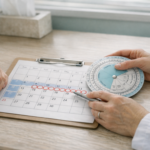
- Track cycle length, bleeding pattern, pain days, ovulation signs, and timing of intercourse or insemination attempts.
- Request a comprehensive fertility evaluation when appropriate, including ovulation assessment, ovarian reserve testing, tubal evaluation, and semen analysis.
- Discuss whether expectant management, surgery, ovarian stimulation, IUI, or IVF fits your age, disease severity, symptoms, and goals.
- Seek emotional support through counseling, fertility support groups, or pelvic pain-informed care teams.
FAQ
Can I get pregnant naturally if I have endometriosis?
Yes. Many people with endometriosis conceive naturally, particularly when ovulation is regular, tubes are open, ovarian reserve is adequate, and sperm parameters are normal. The condition may reduce the chance per cycle, so conception can take longer.
Does mild endometriosis affect conception?
It can. Even minimal or mild disease may be associated with inflammation, altered egg or sperm function, impaired fertilization, or reduced endometrial receptivity, although the effect varies widely between individuals.
Should endometriosis always be removed before trying to conceive?
Not always. Surgery can help selected patients, especially with pain, adhesions, or certain endometriomas, but it may also affect ovarian reserve. The decision should be individualized with an experienced clinician.
Is IVF effective for endometriosis-related infertility?
IVF can be effective because it bypasses tubal pickup and some pelvic factors. Success depends on age, ovarian reserve, embryo quality, uterine factors, sperm quality, prior surgery, and disease severity.
When should I see a fertility specialist?
Consider earlier consultation if you have known endometriosis, are 35 or older, have been trying for 6 to 12 months depending on age, have irregular cycles, or have a history suggesting tubal or male-factor infertility.
Sources
- PubMed Central — Endometriosis and Infertility: A Review of the Pathogenesis and Treatment of Endometriosis-Associated Infertility
- PubMed Central — The Impact of Endometriosis on Pregnancy
- Pregnancy, Birth and Baby — How does endometriosis affect fertility?
Disclaimer
This article is for informational purposes only and is not a diagnosis or treatment plan. If you have endometriosis, pelvic pain, or difficulty conceiving, consult a qualified healthcare professional.










Please log in to leave a comment.