
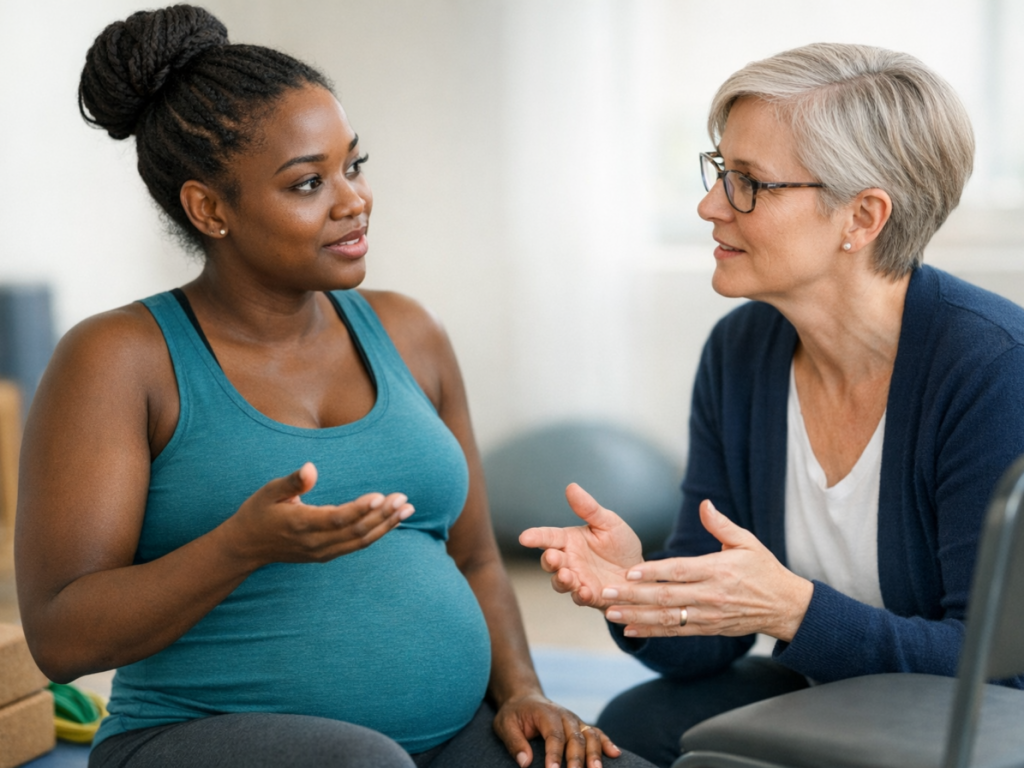
Intro
Exercise in pregnancy is often discussed as a simple “good” or “bad” behavior, but real life is more nuanced. Movement can support cardiometabolic health, mood, sleep, functional strength, and healthy gestational weight patterns, while prolonged sitting and very low activity may worsen metabolic risk. At the other extreme, excessive training without adequate recovery can contribute to fatigue, injury, nutritional mismatch, and warning symptoms that deserve medical review.
This article explains the effects of both overtraining and sedentary lifestyle in pregnancy, using a balanced, medically cautious approach. It is intended for readers who are comfortable with terms such as insulin resistance, venous thromboembolism risk, pelvic floor load, and relative energy deficiency, while recognizing that individual exercise guidance should be tailored by an obstetric clinician, midwife, physiotherapist, or other qualified professional.
Highlights
Sedentary behavior is not identical to “not exercising”; long uninterrupted sitting can carry health risks even in people who complete planned workouts.
Pregnancy usually benefits from appropriately modified physical activity, but intensity, impact, hydration, heat exposure, and recovery needs often change across trimesters.
Overtraining is not simply exercising a lot. It reflects a mismatch between training load, nutrition, sleep, recovery, and physiologic stress.
Warning signs such as vaginal bleeding, chest pain, dizziness, calf swelling, or painful contractions should prompt stopping activity and seeking clinical advice.
The safest exercise plan is individualized, especially for people with obstetric complications, cardiopulmonary disease, anemia, prior preterm birth, or significant pelvic pain.
Why exercise balance matters in pregnancy
Pregnancy increases cardiovascular, respiratory, metabolic, and musculoskeletal demands. Blood volume rises, heart rate often increases, ligaments become more compliant under hormonal influences, and the growing uterus changes posture, center of gravity, venous return, and diaphragmatic mechanics. These adaptations do not mean that pregnant people are fragile; rather, they mean that exercise dosing should be responsive.
Appropriate physical activity can help maintain aerobic capacity, muscular endurance, glucose regulation, functional mobility, and psychological wellbeing. It may also help some people manage pregnancy-related discomforts such as back stiffness, constipation, and sleep disruption. However, more is not always better. The goal is not maximal performance at any cost; it is a sustainable pattern of movement that respects maternal symptoms, fetal wellbeing, energy availability, and medical context.
Public-health literature distinguishes physical inactivity from sedentary behavior. Physical inactivity means not meeting recommended activity levels. Sedentary behavior refers to waking activities with very low energy expenditure, typically while sitting, reclining, or lying down. This distinction matters because a person may complete a workout and still spend most of the day sedentary, while another person may not “exercise” formally but may accumulate meaningful light movement throughout the day.
Sedentary lifestyle effects: more than missed workouts
Evidence summarized by the World Health Organization and scientific reviews links physical inactivity and prolonged sedentary behavior with higher risks of obesity, cardiovascular disease, type 2 diabetes, some cancers, and premature mortality in the general adult population. Pregnancy is a distinct physiologic state, but the same cardiometabolic principles remain relevant: skeletal muscle contraction supports glucose uptake, circulation, vascular function, and energy balance.
During pregnancy, extended sitting may contribute to or worsen several concerns, particularly in people already at increased risk. These include reduced insulin sensitivity, excessive gestational weight gain, lower cardiorespiratory fitness, venous stasis, edema, musculoskeletal stiffness, and reduced mood resilience. For someone with risk factors for gestational diabetes, hypertension, or obesity-related complications, prolonged sedentary time can be one modifiable part of a larger risk profile.
Sedentary behavior is also practical and emotional. Severe nausea, pelvic girdle pain, fatigue, shift work, caregiving responsibilities, unsafe neighborhoods, disability, depression, or a history of pregnancy loss can all make movement feel difficult or frightening. A supportive approach avoids blame. The clinical question is not “Why aren’t you exercising?” but “What amount and type of movement is safe, realistic, and useful for your body right now?”
Overtraining in pregnancy: when exercise exceeds recovery
Overtraining refers to a maladaptive response to excessive training load without sufficient recovery. In athletes and highly active people, it can involve persistent fatigue, declining performance, sleep disturbance, mood changes, recurrent illness, musculoskeletal injury, altered appetite, and prolonged soreness. In pregnancy, these signals can be harder to interpret because fatigue, sleep disruption, nausea, and musculoskeletal discomfort are already common.
One useful concept is energy availability: the energy left for basic physiology after exercise energy expenditure is subtracted from dietary intake. If training remains high while appetite, nausea, vomiting, reflux, food aversions, or time constraints reduce intake, the body may be under-fueled. In nonpregnant athletes, low energy availability is associated with endocrine and bone effects; in pregnancy, any concern about inadequate intake, poor weight gain, dizziness, ketonuria, or persistent exhaustion should be discussed with an obstetric clinician or dietitian.
Overtraining may also increase mechanical strain. As pregnancy progresses, increased joint laxity, altered pelvic loading, abdominal wall stretching, and changes in balance can make certain high-impact, heavy-load, or technically demanding activities less tolerable. This does not automatically prohibit strength training or running for every pregnant person, but it does make technique, symptom monitoring, and appropriate modification important.
Potential signs that training load may be too high include persistent fatigue not relieved by rest, worsening pelvic or low-back pain, recurrent contractions with exertion, dizziness, inability to recover between sessions, irritability, insomnia, unusual breathlessness, or a sense that exercise has become compulsory rather than supportive. These signs are not diagnostic, but they are reasons to pause and seek individualized guidance.
Finding the middle ground: practical movement targets
For many uncomplicated pregnancies, clinicians encourage regular moderate-intensity activity, often using the “talk test”: you can speak in full sentences but not sing comfortably. Examples may include brisk walking, swimming, stationary cycling, prenatal strength training, low-impact aerobics, modified yoga, or supervised pelvic floor and core work. Exact targets should be individualized, especially for people who were previously inactive or who have medical or obstetric complications.
A balanced week may include aerobic movement, strength work, mobility, and rest. Light activity also matters. Short walking breaks, standing tasks, gentle stretching, and household movement can interrupt prolonged sitting and may help reduce some sedentary-time burden when formal workouts are not possible.
- If you are mostly sedentary: consider asking your clinician about starting with short, low-intensity sessions, such as 5 to 10 minutes of walking, and gradually increasing if tolerated.
- If you are already active: ask whether your current intensity, impact level, lifting loads, and competition plans remain appropriate as pregnancy progresses.
- If you have pain or pressure symptoms: a pelvic health physiotherapist may help modify exercise while addressing pelvic floor, abdominal wall, hip, or back mechanics.
- If you have nausea or fatigue: smaller movement “snacks” may be more realistic than longer workouts.
The middle ground is not the same for everyone. A competitive runner, a person with hyperemesis gravidarum, someone on modified bed rest for a specific complication, and a person beginning movement after years of low activity need very different plans.
Trimester-specific considerations
In the first trimester, symptoms such as nausea, breast tenderness, fatigue, and lightheadedness may limit exercise more than the size of the pregnancy itself. Hydration, snack timing, and avoiding overheating can be important. People with prior pregnancy loss may also feel understandable anxiety about movement; discussing safe parameters with a clinician can provide reassurance.
In the second trimester, many people feel more energetic, but the uterus grows, posture shifts, and supine positioning may become uncomfortable for some. Exercises can often be modified by using incline positions, side-lying work, seated strength training, or aquatic activity. Balance changes may make activities with a high fall risk less appropriate.
In the third trimester, pelvic pressure, reflux, shortness of breath, sleep disruption, and Braxton Hicks contractions may affect tolerance. Some people continue regular exercise with modifications; others need to reduce volume or intensity. The aim is to preserve function and wellbeing, not to meet pre-pregnancy performance metrics. If activity triggers painful contractions, fluid leakage, bleeding, chest symptoms, or significant dizziness, stop and seek medical advice.
Special situations that need individualized advice
Some conditions require careful assessment before starting or continuing exercise. These may include significant heart or lung disease, uncontrolled hypertension, severe anemia, placenta previa later in pregnancy, cervical insufficiency, ruptured membranes, fetal growth concerns, recurrent bleeding, preeclampsia, poorly controlled diabetes, multiple pregnancy with complications, or a history of preterm labor. This list is not exhaustive, and recommendations vary by severity and gestational age.
People recovering from infertility treatment, recurrent pregnancy loss, eating disorders, orthopedic injury, or major surgery may need additional support. Exercise advice can be emotionally loaded in these contexts. If movement has become tied to guilt, weight fear, or compulsive behavior, it may be helpful to involve both medical and mental-health professionals.
Body size alone should not be used to shame or restrict movement. Higher body weight may coexist with excellent strength and fitness, while lower body weight may coexist with low energy availability or frailty. For a broader discussion of metabolic context before conception, topics such as body weight, obesity, and metabolic health effects on fertility may be relevant, but pregnancy exercise decisions still require current clinical assessment.
How to reduce sedentary time safely
Reducing sedentary time does not require an all-or-nothing exercise program. For many pregnant people, the most sustainable strategy is to interrupt long sitting periods with gentle movement. Even light activity can contribute to circulation, glucose handling, and musculoskeletal comfort, especially when higher-intensity exercise is not feasible.
- Stand or walk for a few minutes every 30 to 60 minutes when possible.
- Pair movement with existing routines, such as walking after meals or stretching after bathroom breaks.
- Use supportive footwear and safe surfaces to reduce fall risk.
- Choose cooler times of day and avoid overheating, particularly in hot or humid environments.
- Track how you feel after activity, not just how much you did.
If you have been advised to limit activity for a specific obstetric reason, do not independently add movement breaks without discussing the restriction. “Bed rest” and activity limitation have complex risk-benefit considerations and should be clarified with the treating clinician.
Recovery, nutrition, hydration, and heat
Recovery is a core part of training, not a sign of weakness. Pregnancy can increase the need for sleep, calories, fluids, electrolytes, and recovery time. People who continue higher-volume exercise may need particular attention to iron status, protein intake, carbohydrate availability, calcium and vitamin D adequacy, and overall gestational weight patterns. A prenatal dietitian can be valuable when appetite is limited or training remains substantial.
Heat deserves special attention. Pregnancy alters thermoregulation, and overheating can worsen dizziness, dehydration, and cardiovascular strain. Exercising in cool environments, using breathable clothing, drinking fluids, and avoiding hot yoga, saunas, or very hot conditions is often prudent, but personal guidance should come from a clinician. Anyone experiencing faintness, confusion, palpitations, or persistent uterine contractions with heat exposure should stop and seek medical help.
Sleep and stress also influence exercise tolerance. If exercise is replacing sleep, intensifying anxiety, or becoming a rigid obligation, the overall health benefit may diminish. A sustainable plan should leave you feeling steadier over time, not progressively depleted.
Stop exercise and seek medical advice urgently if these occur
- Vaginal bleeding, fluid leakage, or a sudden change in fetal movement pattern when fetal movement is being monitored
- Chest pain, fainting, severe dizziness, palpitations, or unusual shortness of breath before exertion
- Painful regular contractions, severe abdominal pain, or pelvic pressure that does not settle with rest
- Calf pain or swelling on one side, especially with redness or warmth
- Severe headache, visual symptoms, right upper abdominal pain, or sudden swelling of face or hands
- Persistent inability to recover, repeated injury, or exercise accompanied by restrictive eating or compulsive distress
Tools & Assistance
- Prenatal visit discussion about safe activity level and contraindications
- Pelvic health physiotherapy assessment for pelvic girdle pain, leakage, pressure, or core concerns
- Prenatal dietitian consultation if high training volume, poor appetite, vomiting, or inadequate weight gain is present
- Simple activity and symptom log noting exercise type, intensity, recovery, contractions, pain, hydration, and sleep
- Workplace or home reminders to interrupt prolonged sitting when medically appropriate
FAQ
Is it safe to start exercising if I was sedentary before pregnancy?
Often, gentle gradual activity is possible in uncomplicated pregnancies, but it is best to confirm with your obstetric clinician first. Starting with short low-intensity sessions and progressing slowly is usually safer than beginning vigorous exercise abruptly.
Can I continue running or strength training while pregnant?
Some people can continue with modifications, especially if they were already trained, but this depends on symptoms, pregnancy course, technique, load, and medical history. Discuss intensity, impact, lifting technique, and warning signs with a qualified professional.
Does sitting all day matter if I exercise for 30 minutes?
Yes, it can. Sedentary time and lack of exercise are related but distinct. Planned exercise is beneficial, but breaking up long sitting periods with light movement may provide additional metabolic and circulatory benefits when medically appropriate.
How do I know whether I am overtraining or just experiencing normal pregnancy fatigue?
It can be difficult to tell. Persistent fatigue, declining performance, insomnia, mood changes, repeated injuries, dizziness, poor recovery, or symptoms triggered by exercise should prompt a reduction in load and a conversation with your clinician.
Are rest days necessary during pregnancy?
Yes. Rest and lower-intensity days help recovery, especially as pregnancy progresses. A healthy plan includes movement, nourishment, hydration, sleep, and flexibility rather than daily maximal effort.
Sources
- National Institutes of Health / PMC — Exercise, Sedentary Behaviors, and Health
- World Health Organization — Physical activity - World Health Organization (WHO) fact sheet
- PubMed Central — Sedentary Lifestyle: Overview of Updated Evidence of Potential Health Risks
Disclaimer
This article is for informational purposes only and does not replace individualized medical advice. Consult your obstetric clinician or qualified healthcare professional before starting, stopping, or changing exercise during pregnancy.













Please log in to leave a comment.