
Intro
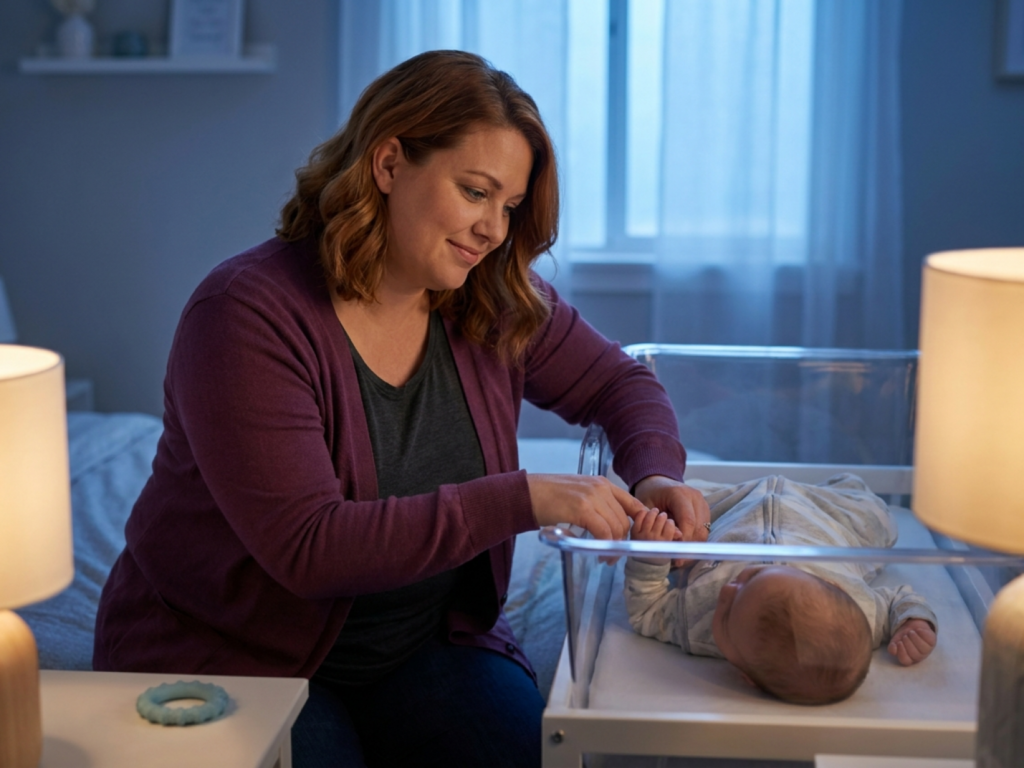
When a baby who usually settles predictably begins resisting naps or waking more often, teething is an understandable suspect. Sore gums, extra drooling, chewing, and irritability can coincide with a difficult stretch of sleep for the whole household.
Still, sleep changes deserve a broad, calm assessment. Teething may contribute to discomfort for some babies, but it should not automatically explain marked or persistent sleep disruption. A steady routine, safe comfort measures, and attention to signs of illness can help families respond without overlooking another cause.
Highlights
Some babies seem more unsettled around tooth eruption, but objective research has not found meaningful differences in infant sleep measures on teething versus non-teething nights.
Maintain familiar sleep cues and a safe sleep environment while offering brief, responsive comfort for apparent gum discomfort.
Fever, significant distress, poor feeding, breathing concerns, or ongoing sleep disruption should be assessed as possible illness rather than assumed to be teething.
What the evidence says about teething and sleep
Teething often occurs at the same stage as rapid changes in infant sleep. Separation awareness, new motor skills, altered feeding patterns, daycare exposure, minor viral infections, and shifting daytime sleep needs can all create more wakefulness. Because these events cluster in infancy, it is easy to connect every difficult night to a tooth that is emerging.
Parents’ observations matter: a baby may appear uncomfortable, chew more, drool, have tender-looking gums, or need extra reassurance. The NHS notes that some babies may be more fretful and may sleep less well while teething. However, a longitudinal study using auto-videosomnography, an objective method of measuring infant sleep behavior, found no significant differences in sleep metrics between teething and non-teething nights. Parents nevertheless often perceived sleep as worse during teething periods.
This does not mean that gum discomfort is unreal or that a caregiver’s experience should be dismissed. It means the relationship is not straightforward, and it is wise to avoid over-attribution. Consider the full context: has the sleep schedule changed, is the room too warm, is the baby congested, have feeds changed, or is there a new developmental milestone? Looking beyond teething protects against missing illness and can reveal a practical sleep adjustment.
Recognize patterns without assuming a diagnosis
A short period of increased fussiness near bedtime, more chewing, drooling, gum rubbing, or a wish for extra comfort may fit with tooth eruption discomfort in infants. Some babies wake briefly and settle again with their usual support. Keeping a simple record for several days can make patterns clearer: note bedtime, nap timing, wake-ups, feeds, temperature if advised by a clinician, congestion, stools, and any new medications or routine changes.
Teething should not be used to explain symptoms that are severe, prolonged, or outside the usual picture. A high temperature, diarrhea causing dehydration, repeated vomiting, a widespread rash, marked lethargy, breathing difficulty, or refusal of fluids warrants medical assessment. Mild illnesses can also fragment sleep before more obvious daytime signs develop. Ear pain, nasal congestion, reflux symptoms, eczema itch, and urinary or gastrointestinal illness may present with unsettled nights.
Age also matters. Young infants have frequent waking as a normal biological pattern, and older babies may wake because their daytime naps or bedtime no longer fit their sleep needs. Rather than trying to identify one certain cause from a single night, review the trend. If a sleep change lasts beyond a brief period, escalates, or feels distinctly different from the baby’s usual behavior, contact the child’s healthcare professional for individualized guidance.
Keep the sleep routine steady and flexible
During an uncomfortable phase, consistency is usually more useful than making many large changes at once. Continue the familiar pre-sleep sequence, such as a feed, quiet interaction, nappy change, sleep bag, short story, and bed. Predictable cues reduce stimulation and help the baby recognize that it is time to settle, even when the evening is less smooth than usual.
Responding compassionately does not require abandoning every established sleep boundary. If the baby wakes upset, pause briefly if appropriate, then offer calm reassurance in the least stimulating way that helps. This might mean a hand on the chest, a quiet voice, a brief cuddle, or a feed when hunger is likely. Keep lights low and interactions boring overnight so the difference between day and night remains clear.
Try to preserve daytime sleep as well. Overtiredness can increase crying and make bedtime harder, so a temporarily earlier bedtime may be reasonable when naps have been disrupted. At the same time, avoid repeatedly extending daytime naps far beyond the baby’s usual pattern if this makes bedtime drift later. Make one small adjustment, observe it for a few days, and reassess.
Continue evidence-based safer sleep practices regardless of teething: place the baby on their back for every sleep in a clear, separate sleep space with a firm, flat mattress. Do not add pillows, loose bedding, positioners, or teething toys to the sleep area. A baby should not sleep while chewing or holding a teether, even one that is normally suitable during supervised awake time.
Use safe teething comfort measures before bed
Offer comfort before the bedtime routine begins, rather than relying on an item left in the cot. Supervised chewing on a clean, cool teething ring can provide counterpressure against sore gums. A clean damp washcloth that has been chilled, not frozen, may also be soothing for a baby old enough to handle it safely under close supervision. Avoid freezing teethers solid, as very hard frozen surfaces may be uncomfortable for gums.
A clean finger can be used to gently rub the gums if the baby tolerates it. Keep the approach brief and stop if the baby becomes more upset. Wiping drool from the chin and using a protective barrier product only if recommended for the baby’s skin can reduce irritation around the mouth, which may otherwise add to bedtime discomfort.
Be cautious about products marketed for rapid relief. Teething necklaces and jewelry pose strangulation and choking risks. Topical oral anesthetics and benzocaine-containing teething products may carry significant safety concerns for infants, and gels can be swallowed or washed away quickly. Consult a pharmacist, pediatric clinician, or other qualified healthcare professional before using medication for teething discomfort. Medication decisions require an age- and weight-appropriate assessment, attention to other medicines already given, and adherence to local product guidance.
- Use a cool teething ring only while the baby is awake and supervised.
- Keep bedtime calm, dim, and familiar after comfort measures.
- Remove teethers, washcloths, and other objects before placing the baby down to sleep.
- Seek professional advice rather than combining remedies or using unverified products.
Handle night waking with proportionate support
Repeated waking is exhausting, especially when caregivers are trying to judge whether their baby is in pain, hungry, ill, or simply seeking reassurance. Start with a basic check: is the baby safe, breathing comfortably, too hot or cold, hungry, wet, congested, or clearly distressed? If no urgent concern is apparent, offer the smallest amount of help likely to settle them, then give them time to return to sleep.
For some families, a brief period of additional soothing is appropriate while the baby seems uncomfortable. This can coexist with the usual sleep routine. For example, a caregiver might soothe in arms until calm but awake, then return the baby to their normal sleep space. Avoid introducing unsafe sleep locations or falling asleep with the baby on a sofa or armchair, where accidental suffocation risk is particularly high.
If feeds are part of the normal overnight pattern, respond as usual. If an older baby who had previously reduced night feeds begins requesting many more, consider both comfort and hunger without presuming a tooth is the only explanation. Changes in feeding, growth, illness, and daytime intake may be relevant. A pediatric clinician or feeding professional can help when feeding behavior and sleep both change significantly.
Use a shared plan between caregivers when possible. Decide who will respond first, how long each person can rest, and what would trigger calling for clinical advice. Clear decisions made during the day reduce pressure to experiment at 3 a.m. and help everyone maintain a calmer, more consistent response.
Know when to seek professional support
Contact a healthcare professional promptly when sleep disturbance is accompanied by signs of illness or a meaningful change from the baby’s baseline. Seek urgent care for breathing difficulty, bluish color, unusual unresponsiveness, seizure-like activity, signs of dehydration such as markedly fewer wet nappies or inability to keep fluids down, or any concern that the baby is seriously unwell. Follow local emergency guidance if these occur.
Arrange non-urgent medical advice for persistent nighttime waking, a fever, poor feeding, persistent ear pulling with distress, a rash that is spreading or concerning, ongoing diarrhea or vomiting, or pain that seems substantial. These findings are not reliably explained by teething alone. Clinical assessment can consider common conditions that interfere with sleep and determine whether treatment or observation is appropriate.
It is also reasonable to ask for help when the baby appears well but sleep disruption is prolonged or the family is no longer coping. A health visitor, pediatric clinician, family doctor, or qualified infant sleep service can review sleep timing, feeding, development, and the sleep environment. Support is not a sign that a caregiver has failed; infant sleep is variable, and sustained sleep loss can affect parental concentration, mood, and safety.
Where possible, protect caregiver sleep in shifts and accept practical help with meals, household tasks, or daytime rest. Avoid driving or undertaking safety-critical work when severely sleep deprived. The immediate goal is not perfect sleep during tooth eruption, but safe, responsive care and a return to a manageable routine once the unsettled period passes.
When not to blame teething
- Do not assume fever, repeated vomiting, significant diarrhea, dehydration, or a widespread rash is caused by teething.
- Seek urgent medical help for breathing difficulty, unusual unresponsiveness, seizure-like activity, or signs of severe illness.
- Never leave a teething ring, washcloth, necklace, or other object in the baby's sleep space.
- Ask a qualified healthcare professional before using any medicine, gel, or topical anesthetic for teething discomfort.
- Avoid sleeping with a baby on a sofa or armchair when responding to difficult nights.
Tools & Assistance
- A brief sleep and symptom diary for five to seven days
- A clean cool teething ring for supervised awake use
- Local pediatric, family medicine, or health visitor advice
- A pharmacist consultation before selecting teething products
FAQ
Can teething really cause frequent waking?
Some babies appear more unsettled around tooth eruption, but objective sleep research has not shown significant average differences between teething and non-teething nights. Consider routine, development, hunger, and illness as well.
How long should teething-related sleep disruption last?
There is no reliable fixed duration. A brief rough patch may occur, but persistent, worsening, or severe disruption should be discussed with a healthcare professional.
Should I change my baby's bedtime routine while they are teething?
Usually, keep the routine familiar and low stimulation. You can add brief supervised comfort before bed or extra reassurance overnight while maintaining safe sleep practices.
Is it safe for my baby to sleep with a teether?
No. Teethers and other objects should be removed before sleep. Use them only while the baby is awake and closely supervised.
Sources
- PubMed — Does Teething Disrupt Infant Sleep? A Longitudinal Auto-Videosomnographic Analysis
- NHS — Baby teething symptoms
- NHS — Helping your baby to sleep
Disclaimer
This article is for general information and does not replace medical advice, diagnosis, or treatment. Contact a qualified healthcare professional for concerns about your baby's symptoms, feeding, or sleep.














Please log in to leave a comment.