
Intro
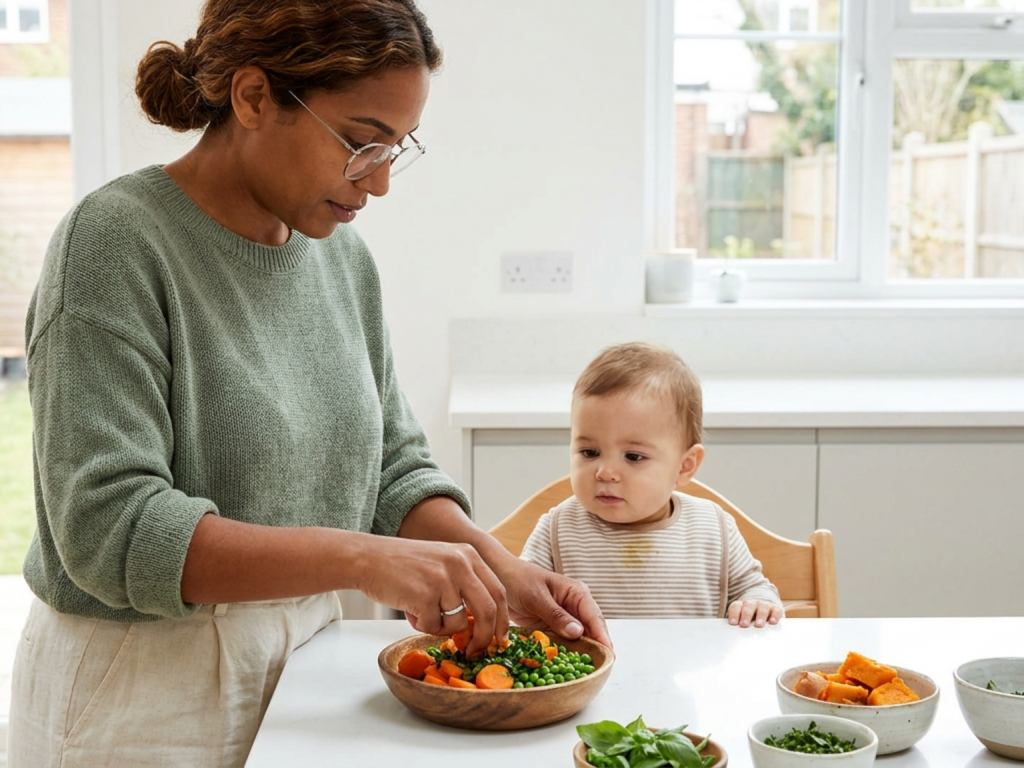
When a baby begins complementary feeding, caregivers often wonder whether food should remain completely plain. Mild herbs and gentle flavors can help broaden a baby's sensory experience, provided they are introduced in developmentally appropriate textures and without excess salt, sugar, or heat. The goal is not to make food elaborate; it is to offer safe, varied tastes alongside breast milk or infant formula.
Flavor introduction is also a gradual learning process. Some babies accept new tastes immediately, while others need repeated, pressure-free opportunities. A calm, responsive approach can support curiosity while allowing the baby to communicate hunger, satiety, and dislike.
Highlights
Mild herbs such as basil, parsley, oregano, or dill can add flavor without relying on salt or sugar.
Fresh or dried herbs and small amounts of garlic may be suitable in baby recipes, while chili and strongly spicy foods are best avoided initially.
Repeated exposure to vegetables and varied tastes may improve acceptance over time, even when a baby initially refuses them.
Flavoring never replaces attention to developmental readiness, safe texture, choking prevention, or allergen guidance.
When Mild Flavors Can Be Introduced
Many babies are developmentally ready for complementary foods at around 6 months, although readiness varies and should be discussed with a health visitor, pediatrician, or other qualified healthcare professional when there is uncertainty. Readiness commonly includes being able to sit with support and maintain head control, coordinate bringing food to the mouth, and swallow rather than consistently pushing food out with the tongue. Breast milk or first infant formula remains an important source of nutrition during the early stages of weaning.
There is generally no nutritional requirement to keep every food completely unseasoned. However, the first priority is learning to manage texture and swallowing. Once a baby is handling simple foods appropriately, a small amount of a mild herb can be mixed into a familiar puree, mashed food, or soft finger food. Introduce one new flavor at a time when practical, so the baby can become familiar with it and caregivers can more easily identify the cause of any unusual reaction.
Flavor exposure should be gradual and responsive. A baby may show interest by opening the mouth, leaning toward food, or reaching for it. Turning away, closing the mouth, or becoming distressed can indicate that a pause is appropriate. Feeding should remain an invitation rather than a test of willingness.
Choosing Gentle Herbs and Flavorings
Fresh or dried culinary herbs can provide aromatic variety without adding sodium or refined sugar. Suitable options may include finely chopped basil, parsley, coriander, dill, oregano, thyme, rosemary, or mint, used in small quantities. Garlic may also be incorporated into a cooked recipe in a modest amount. The herb itself should be prepared so that it does not create a stringy, hard, or loose fragment that could be difficult to manage.
Start with a very small quantity, such as a pinch mixed through a portion of food, rather than making the flavor dominant. The purpose is familiarization, not intensity. Herbs can be paired with vegetables, beans, lentils, egg, fish, meat, or unsweetened grains. These combinations can make iron-rich complementary foods more appealing while preserving the food’s underlying taste.
Spices are not automatically unsafe, but stronger flavors should be introduced progressively. Chili, hot pepper, very spicy sauces, concentrated stock, salty seasoning blends, soy sauce, bouillon, and commercial sauces often contain substantial sodium or intense flavor compounds. Babies do not need added salt, and their kidneys are still immature. Sugar and sweetened flavorings are also unnecessary and can encourage a preference for very sweet tastes.
Texture and Choking Safety Come First
Herbs and flavorings must be considered together with the physical form of the meal. A smooth puree, thick mash, soft lumpy texture, or appropriately sized soft finger food may be suitable at different stages, depending on the baby’s skills. Finely minced herbs should be dispersed through the food rather than offered as a dry pile. Tough herb stems, whole leaves, coarse dried flakes, and hard pieces of raw vegetables should be removed or modified.
Safe textures for infant feeding are soft enough to yield readily when pressed between the thumb and forefinger. A baby should be seated upright and closely supervised during meals. Avoid feeding while the baby is reclined, walking, playing, or distracted. Round, hard, sticky, or slippery foods require particular care and may need to be mashed, grated, cooked until soft, or otherwise adapted.
Seasoning does not make an unsafe food safe. For example, adding herbs to a hard raw vegetable, whole nut, or large piece of meat does not address the choking hazard. Caregivers should use current local guidance on high-risk foods and learn the difference between gagging, which can be noisy and protective, and choking, which may be silent or associated with an inability to breathe effectively.
Building Flavor Into Nutritious Meals
A practical way to introduce herbs is to add them to foods the baby already tolerates. Mashed sweet potato with a little thyme, soft courgette with basil, lentil puree with cumin-free mild herbs, or mashed peas with mint can provide familiar textures with a new aroma. The exact recipe is less important than keeping the meal simple, soft, and nutritionally appropriate.
As complementary feeding progresses, aim for variety across food groups. Iron-containing foods such as meat, fish, eggs, beans, lentils, and iron-fortified cereals are especially relevant because iron needs increase during infancy. Herbs can make these foods more inviting, but they do not supply meaningful amounts of iron or other essential nutrients themselves. Continue offering breast milk or formula as advised, and avoid allowing strongly flavored drinks or sweet foods to displace nutritionally valuable options.
Use ordinary family foods when possible, before salt or hot seasonings are added to the adult portion. This can reduce the need to prepare a completely separate meal. Set aside a baby-appropriate portion, modify its texture, and then season the remainder for older family members. Check labels on packaged foods because products marketed as convenient baby meals or family staples may still contain salt, sugar, or concentrated flavorings.
Repeated Exposure Without Pressure
Rejection of a new herb or vegetable is common and does not necessarily mean the baby dislikes it permanently. Taste acceptance develops through experience, and research on vegetable exposure suggests that repeated opportunities can improve acceptance in infants and toddlers. A baby may need to encounter a flavor several times before it becomes familiar. The number of exposures varies widely, so there is no need to force a particular target.
Offer a small amount alongside a food the baby already enjoys. Keep the tone neutral and allow the baby to touch, smell, lick, or taste without requiring a full mouthful. If the baby refuses, end the attempt calmly and try again on another day. Pressure, bargaining, or using dessert as a reward can make mealtimes more stressful and may interfere with responsive feeding.
Observe the whole feeding pattern rather than judging one meal. Appetite naturally fluctuates with growth, sleep, illness, and activity. Follow signs of hunger and fullness, and avoid interpreting facial expressions alone as evidence of dislike; unfamiliar sour, bitter, or aromatic flavors can produce dramatic expressions even when a baby is willing to try again.
Allergy Awareness and Individual Circumstances
Culinary herbs are usually used in very small quantities, but any food can theoretically be associated with an adverse response. Introduce new foods when the baby is well and when an adult can observe them. Avoid introducing several unfamiliar foods at the same time if doing so would make it difficult to identify a potential trigger. Keep a simple feeding record if a healthcare professional recommends one.
Caregivers should know possible allergic reaction signs, including hives, swelling of the lips or face, vomiting, coughing, wheezing, breathing difficulty, pallor, or sudden unusual drowsiness. Breathing problems, collapse, or rapidly progressing symptoms require emergency medical care. A delayed symptom is not automatically an allergy, so suspected reactions should be discussed with a clinician rather than managed through broad, unsupervised food restriction.
Infants with severe eczema, a known food allergy, previous reactions, swallowing difficulties, poor growth, or complex medical needs may require an individualized feeding plan. Ask a pediatrician, pediatric dietitian, speech and language therapist, or allergy specialist for guidance before making major changes. Do not use herbs, spices, or homemade remedies to treat a symptom or replace prescribed care.
A Calm, Practical Progression
Begin with a familiar food and add one mild flavor in a small amount. Offer an age-appropriate texture while the baby is upright and supervised. Continue breast milk or formula, provide varied nutrient-dense foods, and keep salt, sugar, hot chili, and highly processed sauces out of the baby’s portion. Over time, rotate through different herbs so the baby experiences a broad but gentle range of aromas.
There is no need to achieve culinary sophistication. A few leaves of basil in a vegetable mash or a small amount of garlic in a bean puree can be enough. The most useful measure of progress is not whether the baby accepts every flavor, but whether meals remain safe, nutritionally supportive, and emotionally manageable.
When questions arise about readiness, texture, growth, allergy risk, or feeding difficulty, professional advice is more useful than rigid online schedules. A healthcare professional can account for the baby’s medical history, developmental skills, family diet, and local recommendations.
Safety reminders
- Do not add salt, sugar, honey, or concentrated salty seasonings to a baby's food; honey should be avoided before 12 months.
- Avoid hot chili and introduce stronger spices only gradually, if at all, according to the baby's tolerance.
- Modify food texture and remove hard stems, whole leaves, and other choking hazards.
- Supervise every meal with the baby seated upright.
- Seek emergency help for breathing difficulty, collapse, or rapidly progressing allergic symptoms.
Tools & Assistance
- A simple feeding and flavor-exposure diary
- A baby-safe steamer, blender, or masher for texture modification
- Current local infant-feeding and choking-prevention guidance
- Advice from a health visitor, pediatrician, pediatric dietitian, or feeding therapist
FAQ
Can babies eat herbs at around 6 months?
Many babies can try small amounts of mild culinary herbs once they are developmentally ready for complementary foods. Use finely prepared herbs in soft food and seek individualized advice if the baby has medical or feeding concerns.
Should baby food be completely bland?
No. Babies can experience varied natural flavors, including the flavors of vegetables, fruits, herbs, and mild garlic. Added salt and sugar are unnecessary, and strong heat should be introduced cautiously.
How often should I offer a rejected flavor?
Offer it again on another occasion without pressure. Repeated, positive exposure can support acceptance, but the number of attempts needed varies between babies.
Can I use family meals for my baby?
Often, yes. Set aside a portion before adding salt, hot spices, or salty sauces, then adapt the texture to the baby's developmental abilities.
When should I contact a healthcare professional?
Ask for advice about suspected reactions, severe eczema, feeding or swallowing difficulty, poor growth, or uncertainty about readiness and safe textures. Seek emergency care for breathing difficulty or collapse.
Sources
- NHS — 6 months - Feeding your baby - Best Start in Life
- Healthier Together / NHS West London — Eating well: the first year
- PubMed — Baby's first bites: a randomized controlled trial to assess the effects of vegetable-exposure and sensitive feeding on vegetable acceptance, eating behavior and weight gain in infants and toddlers
Disclaimer
This article is for general educational information and does not diagnose, treat, or replace advice from a qualified healthcare professional. Seek medical advice for individualized feeding, allergy, or safety concerns.
















Please log in to leave a comment.