

Intro
Sleep training is a set of behavioral strategies that helps a baby learn to settle to sleep and return to sleep after normal nighttime arousals. It is not a requirement for healthy development, and it does not mean leaving a baby without comfort. Families can choose an approach that fits the baby's developmental stage, feeding needs, temperament, and the caregivers' capacity.
Before beginning, establish safe sleep conditions and discuss timing with the baby's healthcare professional, particularly if the baby was born preterm, has medical conditions, has feeding or growth concerns, or snores persistently. The goal is gradual, responsive progress rather than a perfect night of sleep.
Highlights
Sleep training works best when it is developmentally appropriate and applied consistently.
A predictable bedtime routine and a safe, separate sleep surface provide the foundation for behavioral sleep strategies.
Brief fussing can be normal, but persistent or escalating distress calls for a calm check and consideration of the baby's needs.
Night feeding decisions should be individualized with guidance from a pediatric clinician.
There is no single best method; caregiver well-being and the baby's medical context matter.
Understand what sleep training can and cannot do
Infant sleep is biologically variable. Babies have short sleep cycles, immature circadian rhythms, and changing nutritional requirements. Brief arousals during the night are expected; sleep training does not eliminate them. Instead, it may help a baby develop the ability to resettle without requiring the same sleep association at every awakening, such as feeding, rocking, or being held.
Readiness is individual. Many clinicians discuss behavioral sleep interventions after the early newborn period, when a healthy infant has a more predictable pattern and the family has reviewed feeding and growth. A baby who still needs frequent overnight feeds, is not gaining weight as expected, or has a medical problem may need a different plan. Ask the pediatrician or other qualified healthcare professional when sleep training is appropriate for your baby.
Evidence on infant sleep training generally supports behavioral approaches for improving sleep-related outcomes in some families, although studies differ in methods, age groups, and follow-up duration. Research does not establish that one approach is universally superior. The practical measure of success is a safe, sustainable routine with an adequately rested baby and caregivers.
Build the foundation before starting
Start with the sleep environment. Place the baby on their back for every sleep on a firm, flat, non-inclined mattress covered only by a fitted sheet. Keep pillows, loose blankets, bumper pads, stuffed toys, and other soft objects out of the sleep space. Room-sharing without bed-sharing is recommended during early infancy. Avoid placing a sleeping baby on a sofa, armchair, or adult bed, where accidental suffocation risk is higher.
Use a comfortable room temperature, low lighting, and a calm sensory environment. If you use white noise, keep it at a low volume and position the device away from the baby’s head. Stop swaddling when the baby shows signs of attempting to roll, and never use weighted swaddles or sleep products that restrict normal movement unless specifically recommended by a clinician.
During the day, offer regular feeds, age-appropriate interaction, and exposure to natural light. Watch for tiredness cues such as reduced engagement, yawning, or fussiness, while remembering that overtiredness can make settling more difficult. A schedule should be flexible enough to accommodate feeding, illness, growth, and developmental changes.
Create a predictable bedtime routine
A consistent bedtime routine acts as a series of conditioned cues that sleep is approaching. It does not need to be long. A useful sequence might include a feed, diaper change, sleep clothing, dimmed lights, a short song or book, and placement in the crib. Keep the final steps quiet and repetitive. The routine should end in the baby’s usual sleep space rather than after the baby has already fallen fully asleep in another location.
Try to put the baby down drowsy but awake when practical. This gives the infant an opportunity to experience falling asleep in the crib and can reduce reliance on a specific external sleep aid. It is not a test of parental skill; some babies need substantial soothing, and newborns commonly require more hands-on support.
Set a reasonable bedtime based on the baby’s sleep signals and daytime pattern. If bedtime has drifted late, shift it earlier gradually rather than making an abrupt change. The NHS emphasizes consistent routines and calm, predictable responses, while Mayo Clinic guidance similarly recommends a soothing routine and opportunities for self-settling.
Choose a settling method that your family can sustain
Several approaches can be reasonable when used safely and consistently. In a gradual method, caregivers reduce assistance over time: they might first rock until calm, then rock less, hold briefly, or place the baby down earlier in the settling process. Another option is a graduated-check approach, in which the caregiver waits for a planned brief interval before checking, then uses a short, calm reassurance without turning the interaction into play. A responsive approach may involve staying nearby, offering verbal reassurance, and reducing physical assistance step by step.
Choose one method and define its steps before bedtime. Decide who will respond, how long a check will last, which soothing actions are allowed, and how you will handle feeding. Avoid repeatedly changing strategies within the same settling episode, because intermittent reinforcement can make crying more persistent and can leave caregivers uncertain about what to do next.
During a check, assess basic needs first: hunger, a wet diaper, temperature, pain, illness, vomiting, or an unsafe position. Keep the room dark or dim and use a quiet voice. Comfort the baby as needed, but return to the planned routine when the immediate need has been addressed. Sleep training should never involve shaking, hitting, intimidation, withholding essential nutrition, or ignoring signs of illness.
Respond to crying and nighttime waking
Crying is communication, and its meaning depends on context. A short period of fussing may occur while a baby attempts to settle, but crying that becomes intense, unusual, or prolonged deserves attention. A brief pause can allow you to distinguish mild fussing from an urgent need; it should not be treated as a rigid rule or a reason to delay care.
When the baby wakes, pause briefly if the sound is mild and the baby appears safe. If you go in, keep the response boring and predictable: check the baby, offer brief reassurance, and avoid bright lights, conversation, or stimulating play. If the baby is due for a feed or your clinician has advised ongoing night feeds, feed responsively. Do not reduce or eliminate feeds solely to pursue sleep training without individualized medical guidance.
Expect some variability. Teething, minor infections, travel, developmental milestones, separation anxiety, and changes in feeding can temporarily worsen sleep. Return to the established routine when the disruption resolves. If caregivers disagree, discuss the plan during the day rather than negotiating during a distressed nighttime episode.
Manage naps, setbacks, and caregiver fatigue
Night sleep and naps influence one another, but daytime sleep should not be deliberately restricted to exhaustion. Excessive sleep deprivation can increase irritability and make settling harder. Protect age-appropriate naps and use the same safe sleep principles for every sleep, including naps outside the home.
Measure progress over several nights rather than judging a single bedtime. Useful observations include how long settling takes, how often the baby wakes, whether the baby can resettle, and how feeding and mood are affected. A sleep log can identify patterns without turning the process into a demand for exact results.
Caregiver sleep deprivation is a safety issue, not a personal failure. Arrange shifts, accept practical help, and plan where the adult who is responding can rest afterward. If frustration is escalating, place the baby safely in the crib and step away briefly while another trusted adult takes over, when available. Never shake or handle a baby roughly. Seek support from a clinician if exhaustion is affecting judgment, mood, or the ability to provide care.
Know when to pause and seek medical advice
Pause a sleep-training plan during acute illness, significant feeding difficulty, or any situation in which the baby’s behavior is substantially different from usual. Contact a healthcare professional promptly if the baby has breathing difficulty, blue or gray discoloration, a seizure, marked lethargy, repeated vomiting, signs of dehydration, fever in an age group for which urgent assessment is advised, or inconsolable crying with concern for pain.
Arrange a medical review for persistent loud snoring, witnessed pauses in breathing, gasping, unusual respiratory effort, poor weight gain, recurrent vomiting, eczema or itching that disrupts sleep, or suspected pain. These symptoms can have medical explanations that behavioral strategies will not address. A clinician can review feeding, growth, respiratory symptoms, medications, developmental history, and the sleep environment.
Some families benefit from a pediatric sleep specialist, lactation professional, public-health nurse, or qualified behavioral health clinician. Professional support is especially useful when the baby has complex medical needs, the household has multiple caregivers, or previous attempts have increased distress. The safest plan is the one that accounts for both infant health and family functioning.
Safety warnings
- Always place the baby on the back on a firm, flat, separate sleep surface.
- Do not use sleep training to postpone evaluation of breathing problems, dehydration, fever, pain, or unusual lethargy.
- Do not stop medically indicated night feeds without guidance from the baby's healthcare professional.
- Never shake, hit, restrain, or frighten a baby.
- Avoid bed-sharing, sofas, armchairs, pillows, loose bedding, and weighted sleep products.
Tools & Assistance
- A simple sleep and feeding log
- A written bedtime and nighttime response plan
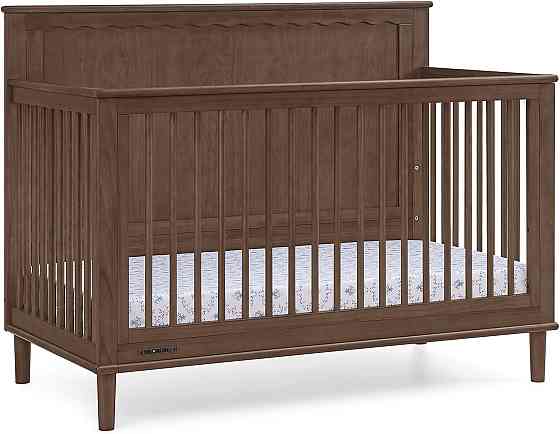
- A safe crib or bassinet with a firm, flat mattress
- Support from a pediatrician, public-health nurse, or lactation professional
- A caregiver shift plan that protects adult sleep
FAQ
What age is appropriate for sleep training?
There is no universal starting age. Discuss developmental readiness, feeding, growth, and medical conditions with the baby's healthcare professional. Newborns generally need frequent feeding and hands-on soothing.
Does sleep training mean leaving a baby to cry alone?
No. Sleep training includes gradual and responsive methods. Any approach should include safety checks, attention to feeding and illness, and a response plan that caregivers can follow consistently.
Should I wake my baby for nighttime feeds?
That depends on age, growth, feeding pattern, and medical advice. Do not reduce or eliminate night feeds without discussing the plan with a pediatric clinician.
What if sleep gets worse after starting?
Review the routine, consistency, sleep environment, and the baby's health. Temporary worsening can occur during illness or developmental changes. Pause and seek professional advice if distress is severe or unusual.
Can sleep training harm attachment?
Available research does not show that appropriately used behavioral sleep interventions inherently damage the caregiver-infant relationship. Responsive care, daytime connection, and safe implementation remain essential.
Sources
- Mayo Clinic — Helping baby sleep through the night
- NHS — Sleep and young children
- PubMed — Infant sleep training: rest easy?
Disclaimer
This article provides general educational information and does not diagnose, treat, or replace individualized medical advice. Consult your baby's healthcare professional before changing feeding or sleep practices, and seek urgent care for concerning symptoms.

















Please log in to leave a comment.