
Intro
Pregnancy can make food feel unusually loaded with meaning. You may be hungrier, more nauseated, more tired, or more aware that your choices influence a developing fetus. Into that already emotional space comes the familiar phrase “eating for two.” It is usually meant kindly, but taken literally it can be misleading.
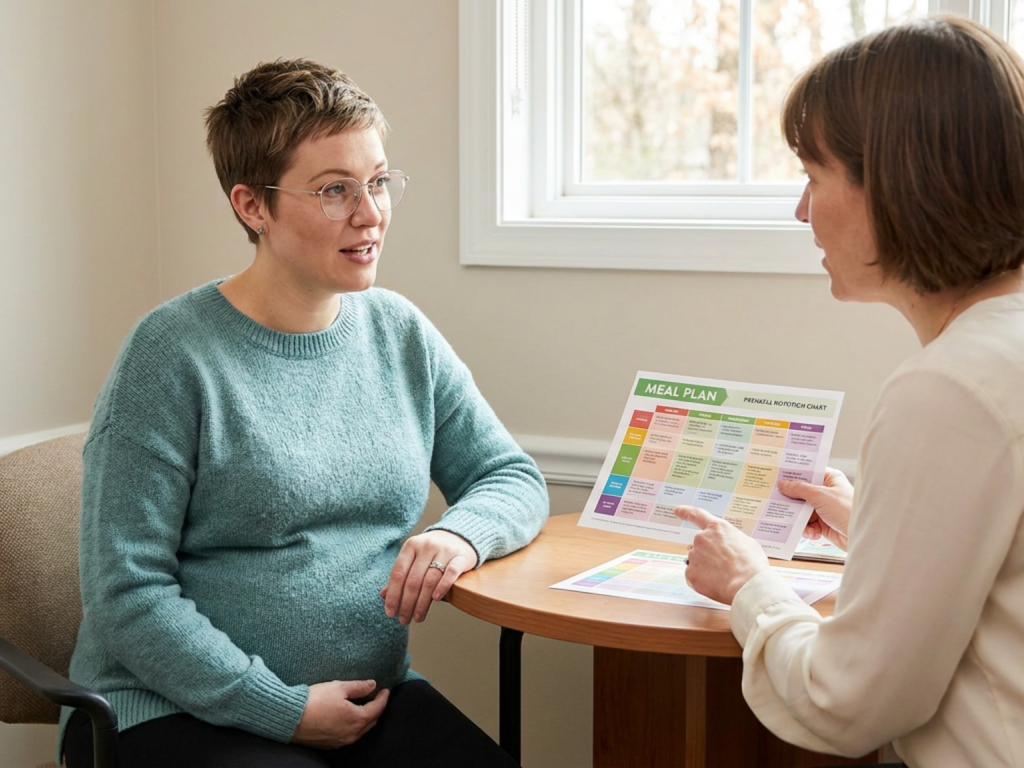
The short answer is: no, pregnancy does not mean doubling your food intake. A more accurate goal is eating twice as well, with calorie needs rising modestly in most pregnancies and nutrient needs becoming more specific. Your ideal intake depends on factors such as pre-pregnancy body mass index, trimester, activity level, medical conditions, appetite, and whether you are carrying more than one fetus. Individual guidance from an obstetric clinician, midwife, or registered dietitian is especially valuable.
Highlights
“Eating for two” is a myth if it means eating twice as much. Most pregnant people need no extra calories in the first trimester and only modest increases later.
Nutrient density matters more than portion size. Protein, iron, folate, calcium, vitamin D, iodine, omega-3 fats, fiber, and fluids are common priorities in prenatal nutrition.
Excessive gestational weight gain is associated with higher risks for complications, but inadequate intake can also be harmful. The goal is balanced, individualized nourishment.
Calorie and weight-gain targets vary by starting BMI, metabolic health, physical activity, and multiple pregnancy status, so personalized medical advice is important.
What “eating for two” gets wrong
The developing fetus depends on the pregnant person for energy, amino acids, fatty acids, glucose, micronutrients, oxygen, and placental support. That reality is sometimes simplified into “you are eating for two.” Biologically, however, the second “person” is not another adult with adult calorie needs. Early in pregnancy, the embryo and placenta are metabolically active but small, and total energy requirements usually do not rise enough to justify a major increase in food intake.
The phrase can also unintentionally encourage permissive overeating. Research discussing the “eat for two” myth has linked it to social norms that may contribute to excessive gestational weight gain. For people who begin pregnancy in the normal-weight BMI range, the commonly cited additional energy need later in pregnancy is roughly a few hundred calories per day, not a doubling of meals or snacks.
A more clinically useful phrase is “eat twice as well.” That means choosing foods that deliver more nutrients per bite, spacing meals in a way that supports energy and blood glucose stability, and adapting intake to symptoms such as nausea, reflux, constipation, or food aversions.
How calorie needs usually change by trimester
Calorie needs are not static across pregnancy. They are generally lowest in the first trimester and increase as fetal growth, placental function, maternal blood volume, breast tissue, uterine size, and maternal fat stores expand. For many singleton pregnancies, clinical nutrition guidance is broadly summarized as follows:
- First trimester: Often no additional calories are needed beyond pre-pregnancy requirements, although food quality and prenatal micronutrients are important.
- Second trimester: Many people need an increase of about 300 to 340 calories per day, depending on baseline needs and clinical context.
- Third trimester: Many people need about 450 additional calories per day compared with pre-pregnancy intake.
These figures are estimates, not prescriptions. A physically active person, someone with hyperemesis gravidarum, a person with gestational diabetes, or someone carrying twins may need a different plan. Conversely, a person with low activity or higher pre-pregnancy BMI may be advised to focus more tightly on nutrient density and appropriate weight-gain patterns rather than adding large snacks.
It can help to translate “300 calories” into realistic food rather than oversized portions. Examples might include yogurt with fruit, a nut-butter whole-grain toast, eggs with vegetables, hummus with whole-grain pita, or a smoothie with protein and calcium sources. The aim is not simply more calories; it is more useful nutrition.
Weight gain is expected, but the pattern matters
Gestational weight gain is a normal physiological part of pregnancy. Weight reflects the fetus, placenta, amniotic fluid, increased blood volume, extracellular fluid, breast tissue, uterine growth, and maternal energy stores. The clinical question is not whether weight gain occurs, but whether the amount and trajectory are appropriate for the individual.
Recommended ranges are typically based on pre-pregnancy BMI and whether the pregnancy is singleton or multiple. People with a lower pre-pregnancy BMI are generally advised to gain more, while those with a higher pre-pregnancy BMI are often advised to gain less. Twin pregnancies have separate recommendations and usually require higher total gain than singleton pregnancies.
Excessive gestational weight gain is associated in the medical literature with higher likelihood of outcomes such as gestational diabetes, hypertensive disorders, cesarean birth, large-for-gestational-age infants, and postpartum weight retention. Inadequate gain can be associated with fetal growth restriction or preterm birth in some contexts. These associations do not mean an individual has caused a problem; pregnancy weight is influenced by biology, access to food, nausea, medications, stress, sleep, activity, and social determinants of health.
If weight discussions feel stressful, it is reasonable to ask your clinician to frame them around health markers and fetal growth rather than shame. A respectful approach might include reviewing your weight-gain curve, blood pressure, glucose screening, ultrasound growth information when indicated, and your ability to eat a varied diet.
Nutrients that matter more than “extra portions”
Pregnancy increases the need for several nutrients even when calorie needs rise only modestly. This is why nutrient density is central. A prenatal vitamin can help cover gaps, but it does not replace meals that provide protein, fiber, healthy fats, and a wide micronutrient profile.
- Folate or folic acid: Important for neural tube development, especially before conception and early pregnancy.
- Iron: Supports expanded maternal red blood cell mass and fetal iron stores. Iron deficiency is common in pregnancy and should be assessed by a clinician when suspected.
- Calcium and vitamin D: Support fetal skeletal development and maternal bone health.
- Iodine: Needed for thyroid hormone production, which is important for fetal neurodevelopment.
- Protein: Supports fetal tissue growth, placenta, uterus, breasts, and maternal blood volume expansion.
- Omega-3 fatty acids, especially DHA: Support fetal brain and retinal development; low-mercury fish can be a useful source when appropriate.
- Fiber and fluids: Help with constipation, satiety, and overall gastrointestinal function.
Food patterns that often support these needs include vegetables, fruits, legumes, whole grains, dairy or fortified alternatives, eggs, lean meats, poultry, low-mercury seafood, nuts, seeds, and healthy oils. Vegetarian and vegan pregnancies can be healthy, but they require attention to vitamin B12, iron, iodine, calcium, vitamin D, zinc, protein, and omega-3 intake. A dietitian can help tailor this safely.
Hunger, cravings, nausea, and appetite changes
Pregnancy appetite can be unpredictable. Some people feel ravenous; others struggle to eat because of nausea, vomiting, reflux, smell sensitivity, constipation, or early satiety. Appetite alone is useful information, but it is not always a precise measure of fetal or maternal nutrient needs.
For nausea, smaller and more frequent meals may be easier than large meals. Bland carbohydrates, protein-containing snacks, cold foods with less odor, and fluids taken between meals may help some people. Severe vomiting, inability to keep fluids down, dizziness, weight loss, or signs of dehydration should prompt medical care because hyperemesis gravidarum can require treatment.
Cravings are common and not automatically harmful. A flexible approach tends to work better than rigid restriction. You can often pair a craving with a nutrient-dense food: for example, having a desired sweet food after a protein-rich meal, pairing salty snacks with fruit or yogurt, or choosing a satisfying portion rather than grazing in response to guilt. Non-food cravings, such as ice, clay, soil, laundry starch, or paper, can be a sign of pica and should be discussed with a clinician, as they may be associated with iron deficiency or other concerns.
When “more food” is necessary, and when it is not
Some pregnancies do require more deliberate calorie increases. This may be true for people carrying multiples, those with low pre-pregnancy weight, adolescents who are still growing, highly active individuals, or those who are not gaining within a recommended range. In these situations, adding structured snacks or energy-dense nutritious foods may be appropriate under professional guidance.
In other situations, “just eat more” is not the safest advice. Gestational diabetes, prior bariatric surgery, significant gastrointestinal disease, hypertensive disorders, renal disease, eating disorder history, or high pre-pregnancy BMI can all make nutrition planning more nuanced. The goal is still nourishment, not deprivation, but the macronutrient distribution, meal timing, supplementation, and monitoring may need to be individualized.
It is also important not to use pregnancy as a time for intentional weight loss unless a qualified clinician has given specific medical guidance. Dieting, fasting, or eliminating major food groups without supervision can compromise nutrient intake. If you feel anxious about weight, food, or body changes, that is a valid reason to ask for support.
Practical ways to eat “twice as well”
A helpful pregnancy plate often includes a protein source, a fiber-rich carbohydrate, colorful produce, and a fat source that supports satiety. This does not need to be perfect at every meal. Consistency over time matters more than any single snack or craving.
- Build snacks with purpose: Combine protein and fiber, such as Greek yogurt with berries, cheese with whole-grain crackers, beans on toast, or apple slices with nut butter.
- Plan for symptoms: Keep tolerated foods available for nausea days, such as crackers, bananas, soups, smoothies, or simple protein options.
- Choose safer seafood: Seafood can provide DHA and protein, but select low-mercury options and follow local pregnancy food safety guidance.
- Reduce foodborne illness risk: Follow clinician-approved guidance on undercooked meats, unpasteurized dairy, high-risk deli foods, and safe food storage.
- Use prenatal care visits: Ask how your weight-gain pattern, lab results, blood pressure, and fetal growth fit together rather than relying on generic advice.
Supportive eating during pregnancy is not about moralizing food. It is about giving your body enough energy, prioritizing key nutrients, and adjusting compassionately as symptoms and needs change.
When to seek medical guidance promptly
- Persistent vomiting, inability to keep fluids down, fainting, or signs of dehydration
- Rapid weight gain with swelling, severe headache, visual symptoms, or high blood pressure concerns
- Minimal weight gain, weight loss, or concern about fetal growth
- Non-food cravings such as clay, soil, starch, paper, or compulsive ice eating
- A history of eating disorder, bariatric surgery, diabetes, kidney disease, or multiple pregnancy needing individualized nutrition care
Tools & Assistance
- Ask your obstetric clinician or midwife for your individualized gestational weight-gain range
- Request referral to a registered dietitian with prenatal nutrition experience
- Track meals, symptoms, and hunger cues for a few days before prenatal visits
- Use prenatal lab results, glucose screening, and fetal growth assessments to guide nutrition discussions
- Keep a list of tolerable high-nutrient snacks for nausea or fatigue days
FAQ
Do I need extra calories in the first trimester?
Many people do not need extra calories in the first trimester, although nutrient quality and prenatal vitamins are important. Individual needs can differ, especially with significant nausea, low body weight, or high activity.
How many extra calories are usually needed later in pregnancy?
For many singleton pregnancies, needs rise by about 300 to 340 calories per day in the second trimester and about 450 calories per day in the third trimester. Your clinician can tailor this to your situation.
Is it bad to gain more than the recommended range?
Gaining above recommended ranges can be associated with higher risks, but it is not a reason for shame. Discuss your pattern with your healthcare team so they can consider nutrition, activity, fluid retention, blood pressure, glucose, and fetal growth.
What if I am not hungry or cannot eat much?
Mild appetite changes are common, but ongoing inability to eat, vomiting, weight loss, or dehydration symptoms should be discussed with a clinician. Smaller meals, tolerated snacks, and medical treatment for nausea may help.
Does carrying twins mean eating for three?
No. Twin pregnancy usually requires more calories and different weight-gain targets than singleton pregnancy, but not tripling food intake. It should be managed with individualized obstetric and nutrition guidance.
Sources
- PubMed Central — “Eating for two”: Excessive gestational weight gain and the need to rethink the ‘eat for two’ myth
- Mayo Clinic Health System — Eating twice as well during pregnancy
- UNM Health — Are Pregnant Women Really Eating for Two? Not Quite
Disclaimer
This article is for informational purposes only and does not replace medical advice, diagnosis, or treatment. Consult your obstetric clinician, midwife, or registered dietitian for guidance tailored to your pregnancy.













Please log in to leave a comment.