
Intro
At 32 weeks of pregnancy, you are deep in the third trimester, and the changes can feel suddenly more intense. Your baby is gaining fat, practicing breathing movements, strengthening muscles, and taking up more uterine space. For many pregnant people, this is also the stage when weight gain becomes more noticeable from week to week, even if nutrition and activity patterns have not changed dramatically.
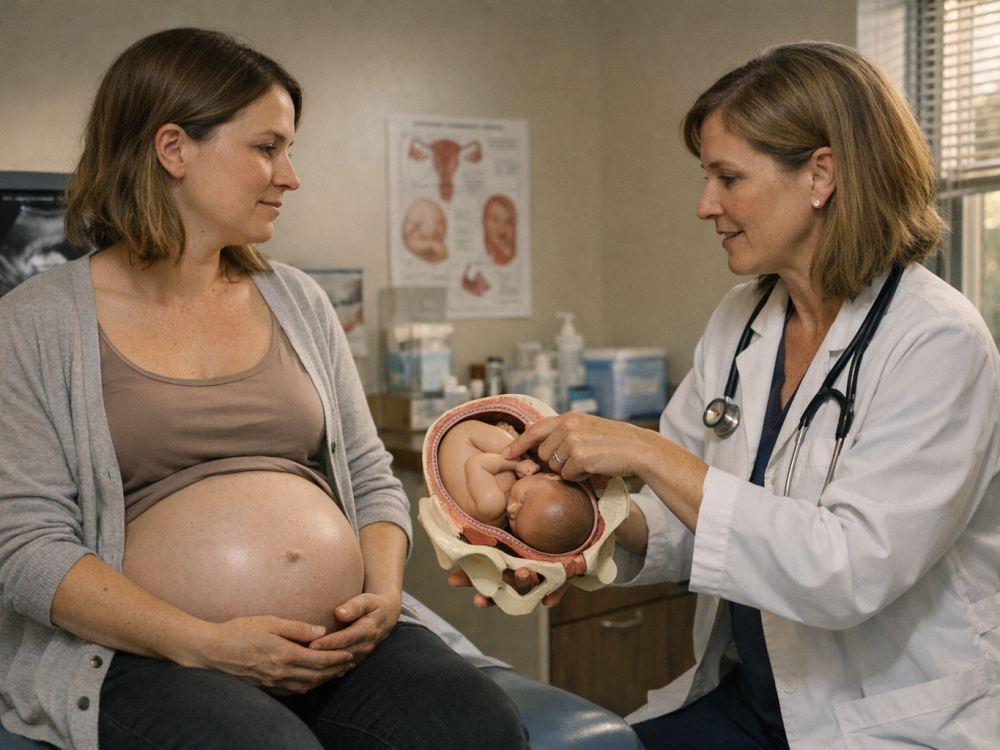
Week 32 is also a time when fetal position becomes a more visible part of prenatal conversations. Many babies begin settling into a head-down, or cephalic, position in preparation for birth, although some remain breech or transverse at this point and may still turn later. The goal is not to force a timeline, but to understand what is typical, what deserves clinical attention, and how to support your body as you move toward the final weeks.
Highlights
In the third trimester, typical weight gain is often about 0.5 to 1 pound per week, but individual patterns vary depending on pre-pregnancy BMI, fluid shifts, fetal growth, and medical factors.
A sudden jump in weight, especially with swelling, headache, vision changes, or right upper abdominal pain, should be discussed promptly with a healthcare professional because it may reflect fluid retention or hypertensive disease.
By week 32, many babies are beginning to move toward a head-down position, but not all are there yet; fetal position is assessed clinically and often monitored over the coming weeks.
Comfort strategies, nutrition, hydration, and safe movement can help manage the physical load of late pregnancy, but they should complement—not replace—individualized prenatal care.
What is happening in week 32?
At 32 weeks, you are approximately eight months pregnant, depending on how your pregnancy calendar is counted. The fetus is still preterm, but major organ systems are maturing rapidly. The lungs continue producing surfactant, the nervous system is refining control of breathing-like and temperature regulation, and fat de is increasing. This fat gain is one reason fetal accelerates in the.
Your uterus is now high in the abdomen, which can intensify shortness of breath, reflux, rib pressure, back pain, pelvic heaviness, and interrupted sleep. Braxton Hicks contractions may become more noticeable. Fetal often feel larger and more rolling or stretching than sharp, tiny kicks because there is less free space, although you still perceive your baby’s usual pattern of activity.
Clinicians may be paying closer attention to blood pressure, urine findings, fundal height, fetal patterns, and your symptoms. If you have conditions such as gestational diabetes, hypertension, anemia, thyroid disease, kidney disease, or a multiple pregnancy, your monitoring schedule may be more individualized.
Rapid weight gain: what can be normal and what needs attention
Evidence-based resources commonly describe a typical second- and third-trimester gain of about 0.5 to 1 pound per week for many pregnancies, though recommendations depend strongly on pre-pregnancy body mass index and whether the pregnancy is singleton or multiple. is not just weight. It includes the placenta, amniotic fluid, expansion of maternal blood volume, breast tissue, uterine , extracellular fluid, and maternal energy stores.
At week 32, the scale may rise faster than it did earlier because fat accumulation and maternal fluid volume are increasing. A slightly uneven pattern is also common: one week may show little change and the next may show more. That said, the word “rapid” matters. A sudden increase over a few days, especially when accompanied by swelling of the face or hands, severe headache, visual symptoms, chest pain, shortness of breath, or upper abdominal pain, is not something to dismiss as ordinary pregnancy .
Rapid gain can sometimes reflect fluid retention. In some situations, fluid retention is associated with pre-eclampsia or other hypertensive disorders of pregnancy. It may also be relevant in gestational diabetes, kidney or cardiac conditions, or medication-related changes. This does not mean that a higher number on the scale automatically indicates a problem, but it does mean the pattern should be interpreted in context by your clinician.
If you are worried about your weight trajectory, try to avoid self-restricting calories or starting a new intense exercise program without guidance. In late pregnancy, inadequate intake can affect maternal well-being and fetal . A more useful approach is to bring your weight record, swelling symptoms, blood pressure readings if you monitor at home, and dietary or activity questions to your next appointment—or sooner if warning symptoms are present.
Nutrition and fluid balance in the third trimester
The is not a time for dieting, but it is a good time for steady, nutrient-dense eating. Many pregnant people do best with smaller, more frequent meals because the enlarged uterus compresses the stomach and worsens reflux. Protein, iron-rich foods, calcium, vitamin D, iodine, choline, folate, omega-3 fatty acids, fiber, and adequate fluids all remain important. If you have gestational diabetes or another metabolic condition, your care team may give more specific carbohydrate and meal-timing guidance.
Weight gain quality matters as much as quantity. Highly salty meals may worsen edema in some people, while inadequate hydration can aggravate constipation, headaches, and Braxton Hicks contractions. However, swelling in pregnancy is not always about salt or water intake; it can also be vascular, hormonal, or disease-related. That is why severe or sudden swelling deserves clinical review rather than simple home management.
Practical strategies may include:
- Pair carbohydrates with protein and healthy fats to support satiety and steadier glucose levels.
- Choose high-fiber foods such as vegetables, fruits, legumes, oats, and whole grains to reduce constipation.
- Use smaller meals if reflux or early fullness is limiting intake.
- Discuss prenatal vitamins, iron, calcium, or other supplements with your clinician before changing doses.
- Ask for referral to a registered dietitian if weight gain, nausea, reflux, food insecurity, or gestational diabetes makes eating difficult.
Preparing for a head-down position
The head-down, or cephalic, is the most common and generally most favorable for vaginal birth. At 32 weeks, many babies are already head-down, while others are breech, oblique, or transverse. Importantly, fetal at this point is not always final. Babies may still turn over the next several weeks, especially if there is adequate amniotic fluid and uterine space.
Your clinician may estimate by abdominal palpation, fundal height assessment, location of fetal heart tones, and sometimes ultrasound. You may notice clues: strong kicks near the ribs can suggest a head-down baby, while pressure under the ribs from a firm round head may suggest breech. But these signs are imperfect; even experienced parents can misinterpret fetal parts.
There is no guaranteed home method to make a baby turn head-down. Some people explore posture-based exercises, pelvic tilts, side-lying release, prenatal yoga, or spending time on hands and knees to improve comfort and encourage pelvic mobility. These may feel good, but they should be done safely and stopped if they cause pain, dizziness, contractions, bleeding, or reduced fetal . If your baby remains breech later in pregnancy, your clinician may discuss options such as monitoring, planned cesarean birth in some circumstances, or external cephalic version, a procedure typically considered closer to term for selected patients.
Week 32 is therefore a preparation point, not a deadline. It is reasonable to ask your care team, “What position is the baby in today?” and “When would fetal position change the plan?” The answer may depend on your obstetric history, placenta location, amniotic fluid, fetal growth, uterine anatomy, and whether there are twins or other risk factors.
Body discomforts linked to growth and positioning
As the baby gains weight and shifts position, your center of gravity changes. The lumbar spine often curves more, the pelvis bears more load, and the abdominal wall stretches. This can contribute to sacroiliac pain, pubic symphysis discomfort, sciatica-like sensations, rib pain, and round ligament pain. None of these symptoms should be ignored if severe, but many are common mechanical effects of late pregnancy.
Supportive measures often help. A pregnancy support belt may reduce pelvic heaviness for some people. Side sleeping with a pillow between the knees can improve hip alignment. Gentle stretching, prenatal physical therapy, warm showers, and low-impact such as walking or swimming may reduce stiffness. If you develop calf pain with one-sided swelling, chest pain, fainting, severe shortness of breath, or neurologic symptoms, seek urgent medical evaluation rather than assuming it is normal musculoskeletal discomfort.
Sleep can also become fragmented. Frequent urination, reflux, fetal movement, restless legs, and anxiety about birth are common at this stage. If insomnia is severe or associated with panic, depression, or inability to function, tell your healthcare professional. Emotional symptoms are part of prenatal health, not a personal failure.
Monitoring fetal movement and prenatal signs
By 32 weeks, fetal movement patterns are clinically meaningful. Babies have sleep-wake cycles, so movement is not constant, but you should notice a familiar daily rhythm. A significant reduction, absence of movement, or a pattern that feels clearly abnormal should be reported promptly to your maternity unit or clinician. Do not wait until the next routine appointment if you are concerned.
Some care teams recommend kick counts; others prefer general awareness of the baby’s normal pattern. If kick counting is advised, follow the method your team recommends, because thresholds can vary. Commonly, clinicians want to know whether movements are reduced despite rest, hydration, and focused attention.
At appointments, your clinician may check blood pressure, weight, urine protein or other urine markers, fetal heart rate, fundal height, and symptoms. If there are concerns about growth, fluid, function, or fetal presentation, ultrasound or additional fetal surveillance may be recommended. These tools are used to clarify risk, not to create alarm.
How to support the final stretch
Week 32 is a good time to make practical preparations while still respecting your energy limits. Consider reviewing your preferences, transportation plan, childcare or pet care arrangements, workplace leave documents, and hospital bag basics. If you have not already discussed preterm signs, breastfeeding or formula feeding plans, newborn care, and postpartum support, now is a useful time.
Physical preparation be gentle and individualized. Continue activity that your clinician has said is safe, such as walking, swimming, prenatal yoga, or mobility work. Avoid exercises with a high fall risk or any activity that causes pain, bleeding, fluid leakage, regular contractions, or dizziness. If you are on pelvic rest, activity restriction, or have placenta previa, cervical insufficiency, significant hypertension, or other complications, follow your care team’s specific instructions.
Emotionally, week 32 can bring a mix of excitement and vulnerability. Rapid body changes may make you feel less in control, and fetal position discussions can trigger worry about the plan. It is okay to ask direct questions, request clarification, and seek support. A flexible plan is still a plan, and adapting to medical information is part of safe pregnancy care.
Call your healthcare team promptly if you notice
- Sudden rapid weight gain over a few days, especially with swelling of the face or hands.
- Severe headache, vision changes, right upper abdominal pain, chest pain, or shortness of breath.
- Reduced or absent fetal movements compared with your baby’s usual pattern.
- Vaginal bleeding, leaking fluid, fever, or painful regular contractions before term.
- One-sided leg swelling or calf pain, fainting, or new neurologic symptoms.
Tools & Assistance
- Prenatal appointment checklist for weight, blood pressure, fetal movement, and fetal position questions.
- Home blood pressure monitor if recommended by your clinician, with clear instructions on when to call.
- Registered dietitian or diabetes educator referral for individualized third-trimester nutrition support.
- Prenatal physical therapist for pelvic girdle pain, posture, and safe movement strategies.
- Maternity unit phone number saved and accessible for urgent fetal movement or preterm labor concerns.
FAQ
Is rapid weight gain at 32 weeks always dangerous?
No. Some uneven gain can occur in the third trimester, and fetal growth is accelerating. However, sudden gain with swelling, headache, vision changes, high blood pressure, or abdominal pain should be assessed promptly.
How much weight is typical in the third trimester?
Many people gain about 0.5 to 1 pound per week in the second and third trimesters, but recommended total gain depends on pre-pregnancy BMI, fetal number, and medical history.
Should my baby be head-down by week 32?
Many babies are head-down by 32 weeks, but some are still breech or transverse and may turn later. Your clinician can assess presentation and explain when it becomes important for delivery planning.
Can I make my baby turn head-down?
There is no guaranteed home method. Gentle positioning or mobility exercises may support comfort, but discuss them with your clinician, especially if you have pregnancy complications.
Do movements decrease because the baby has less room?
Movements may feel different, such as more rolling or stretching, but they should not significantly decrease. Contact your maternity care team promptly if movement is reduced or unusual.
Sources
- National Center for Biotechnology Information (NCBI) - NIH — Pregnancy: Learn More – Weight gain in pregnancy
- Medical News Today — Third trimester weight gain: What to expect
- March of Dimes — Weight gain during pregnancy
Disclaimer
This article is for informational purposes only and does not replace individualized medical advice, diagnosis, or treatment. Contact your healthcare professional or maternity unit with concerns about weight gain, fetal movement, blood pressure, pain, bleeding, or any urgent symptoms.

















Please log in to leave a comment.