

Intro
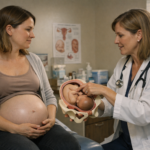
Fear of childbirth can feel isolating, but it is a recognized and clinically meaningful experience. For some people it is a manageable worry; for others it becomes severe enough to shape birth preferences, sleep, mood, pain expectations, and decisions about mode of delivery.
Highlights
Fear of childbirth is not a character flaw or a sign that someone is unprepared. It is often a protective response to uncertainty, prior experiences, perceived risk, or frightening birth narratives.
Severe fear may be associated with increased pain perception, prolonged labour, cesarean delivery, and worse subjective birth experience.
Support usually works best when it combines clear medical information, respectful communication, mental health care when needed, and a flexible birth plan.
Anyone whose fear feels overwhelming, persistent, or linked to trauma should discuss it with an obstetric, midwifery, or perinatal mental health professional.
What fear of childbirth means
Fear of childbirth, sometimes called tokophobia when it is intense and disabling, refers to significant anxiety, dread, or avoidance related to pregnancy, labour, birth, or obstetric procedures. It can occur in someone who is pregnant, planning pregnancy, ambivalent about pregnancy, or recovering from a previous birth. The fear may focus on pain, loss of control, fetal harm, pelvic injury, emergency surgery, anesthesia, death, being ignored by staff, or being unable to cope.
A certain amount of apprehension is expected. Birth is physically intense, medically complex, and unpredictable. Clinically concerning fear is different: it persists, escalates, interferes with daily functioning, drives avoidance of prenatal care, or becomes the main factor in decisions such as requesting cesarean delivery without a standard obstetric indication. Importantly, the person’s fear is real even when the pregnancy is medically low risk.
Fear can be primary, meaning it appears before any childbirth experience, or secondary, meaning it follows a previous traumatic birth, miscarriage, stillbirth, neonatal illness, obstetric emergency, sexual trauma, or severe pain experience. It may overlap with generalized anxiety disorder, panic symptoms, depression, post-traumatic stress symptoms, obsessive intrusive thoughts, or health anxiety, but it can also occur without a formal psychiatric diagnosis.
Why fear of childbirth happens
Fear of childbirth usually has multiple contributors rather than a single cause. Biological threat perception, personal history, cultural messaging, and the quality of maternity care all interact. A person may intellectually understand that birth is usually safe while their nervous system still reacts as if danger is imminent.
Common drivers include:
- Uncertainty and novelty: Primiparity, or first pregnancy, is consistently associated with higher fear in some studies. Without a lived reference point, normal sensations can be imagined as unmanageable or dangerous.
- Previous trauma: A prior traumatic birth, emergency cesarean delivery, severe perineal injury, obstetric violence, sexual assault, or medical trauma can make later examinations and labour sensations feel unsafe.
- Pain concerns: Fear of labor pain may be amplified by stories of unbearable pain, previous painful medical procedures, or uncertainty about analgesia availability.
- Perceived medical vulnerability: Existing conditions, urinary disease, high myopia, pregnancy complications, infertility treatment, or previous losses may increase the sense that birth is risky.
- Information overload: Online birth stories and videos can be educational, but repeated exposure to alarming content can intensify catastrophic thinking.
- Loss of autonomy: Fear often grows when people worry that consent, privacy, communication, or preferences will not be respected.
Some research also identifies social and demographic associations, including lower educational level in certain populations. These factors should be interpreted carefully: they do not mean any individual is destined to experience severe fear, but they can help clinicians identify who may benefit from earlier support.
How fear can affect birth and recovery
Fear is not just an emotion; it can influence physiology, perception, communication, and decision-making. Stress activates the sympathetic nervous system, increasing catecholamines such as adrenaline and noradrenaline. In labour, high arousal may worsen muscle tension, reduce the ability to rest between contractions, and intensify vigilance toward pain. This is often described as the fear-tension-pain cycle: fear increases tension, tension may increase pain, and pain then reinforces fear.
Scientific literature links greater antenatal fear with a worse subjective childbirth experience and a higher likelihood of cesarean delivery. Other reported associations include increased pain perception, prolonged labour, emergency or elective cesarean delivery, and postnatal depression or post-traumatic stress symptoms. These associations do not prove that fear alone causes every outcome; obstetric risk, care environment, fetal status, and clinical decision-making all matter. Still, fear is clinically relevant because it may be modifiable.
Fear may also change how a person uses care. Some attend many reassurance visits, while others avoid appointments, delay discussing symptoms, or feel unable to ask questions during labour. During birth, fear can make it harder to process information quickly, especially if urgent decisions are needed. After birth, a frightening or unsupported experience may contribute to intrusive memories, emotional numbness, breastfeeding difficulties, bonding concerns, or avoidance of future pregnancy.
The goal is not to force someone to feel calm or to pursue one specific mode of birth. The goal is to reduce suffering, improve informed decision-making, and support a birth experience that is as safe, respectful, and psychologically tolerable as possible.
When fear is more than normal worry
It can be difficult to know when ordinary worry has become clinically significant. A useful question is whether fear is limiting life, care, or choices. Occasional anxiety before an appointment is common; spending hours each day imagining death in childbirth, avoiding prenatal classes, or feeling panicked whenever labour is mentioned suggests a need for additional support.
Signs that fear deserves prompt discussion with a healthcare professional include:
- Persistent intrusive images or nightmares about birth
- Panic attacks triggered by pregnancy, hospitals, examinations, or contractions
- A strong wish to avoid pregnancy or terminate a wanted pregnancy mainly because of childbirth fear
- A request for cesarean delivery driven primarily by terror rather than informed preference after balanced counselling
- Avoidance of antenatal care, scans, blood tests, or discussions about labour
- Symptoms of depression, post-traumatic stress, self-harm thoughts, or inability to function
Screening may involve open conversation, anxiety and depression questionnaires, or childbirth-specific tools such as fear-of-birth scales, depending on local practice. Assessment should be compassionate rather than adversarial. A person should not have to “prove” fear to receive support, and clinicians should explore both psychological distress and medical concerns that may be contributing to it.
Supportive care and treatment options
Support begins with validation. Hearing “many people feel this, and we can plan for it” can reduce shame and make care more effective. For mild to moderate fear, structured childbirth education, continuity of care, and a detailed discussion of what happens in normal labour, induction, operative vaginal birth, emergency cesarean delivery, and postpartum recovery may be enough to restore a sense of agency.
For more severe fear, perinatal mental health support may be appropriate. Psychological approaches can include cognitive behavioural therapy, trauma-focused therapy, mindfulness-based strategies, or supportive counselling. The right choice depends on symptoms, history, gestational age, and local availability. Medication may be considered for some anxiety or mood disorders, but decisions about pharmacologic treatment in pregnancy or lactation require individualized discussion with a qualified clinician.
Practical birth planning can also help. A birth preferences document should be flexible, because birth can change quickly, but it can still specify what reduces fear: being asked for consent before touch when possible, explanations before procedures, minimal staff changes, a chosen support person, trauma-informed language, preferred coping methods, and early discussion of pain relief options. Knowing the indications, benefits, and risks of epidural analgesia, nitrous oxide, systemic opioids, nonpharmacologic options, operative delivery, and cesarean delivery can make decisions feel less sudden.
Continuous labor support, whether from a partner, doula, midwife, or trusted support person, may help the birthing person stay oriented and heard. Respectful communication during labor is not a luxury; it is part of safe care. When fear is high, clinicians can help by using plain explanations, checking understanding, offering choices where medically possible, and acknowledging when an emergency limits options.
Building a safer-feeling birth plan
A plan for fear of childbirth should be both emotional and medical. Emotional safety does not mean guaranteeing a particular outcome; it means identifying triggers, preferences, coping tools, and escalation steps before labour begins. Medical safety means recognizing that some interventions are recommended because they reduce risk for the pregnant person or baby.
Helpful planning questions include:
- What part of birth feels most frightening: pain, injury, surgery, loss of control, fetal wellbeing, or being dismissed?
- What information would reduce uncertainty without increasing rumination?
- Who should speak for the birthing person if fear makes communication difficult?
- What words, examinations, positions, or procedures could feel triggering?
- What pain management options in labor are available at the planned birth setting?
- What would make an unplanned cesarean or assisted birth feel less traumatic if it became necessary?
Some people feel safer with a planned vaginal birth and robust analgesia options. Others, after balanced counselling, may continue to prefer a planned cesarean delivery. The role of the healthcare team is to discuss risks and benefits honestly, including recovery, future pregnancies, surgical complications, pelvic floor outcomes, and neonatal considerations, while taking psychological wellbeing seriously.
Preparation should also include postpartum planning. People with severe antenatal fear or previous trauma may benefit from an early postpartum debrief, screening for depression and PTSD symptoms, practical support at home, and a clear pathway for urgent mental health care. A birth that is medically uncomplicated can still feel traumatic if the person felt powerless; conversely, a complicated birth can sometimes feel manageable when communication and consent are preserved.
How partners and clinicians can help
Fear of childbirth improves most when the surrounding people respond with curiosity rather than correction. Telling someone “birth is natural” or “don’t worry” may be meant kindly, but it can sound dismissive. More helpful responses include: “What feels most frightening?”, “What would help you feel more in control?”, and “Let’s ask your clinician to explain the options.”
Partners can attend appointments, help write questions, practice grounding techniques for contractions, learn the birth setting’s triage process, and advocate for pauses when decisions are not emergent. They can also watch for signs that fear is escalating into panic, dissociation, or hopelessness.
Clinicians can help by naming uncertainty honestly, avoiding coercive language, and providing individualized risk discussion. Trauma-informed birth care includes asking permission where feasible, explaining examinations, preserving privacy, and recognizing that a person may freeze or agree automatically when frightened. When severe fear is identified, early referral to mental health care, anesthetic consultation, or senior obstetric review can prevent crisis decision-making later.
The central message is that fear of childbirth is treatable and worthy of care. You do not need to wait until labour to mention it, and you do not need to manage it alone. Bringing fear into the open is often the first step toward a safer-feeling, more supported birth.
When to seek urgent help
- Seek urgent medical or mental health support if fear is accompanied by thoughts of self-harm or not wanting to live.
- Contact your maternity unit promptly if fear leads you to avoid necessary prenatal care or ignore concerning physical symptoms.
- Ask for rapid review if panic, dissociation, or trauma symptoms feel unmanageable as birth approaches.
- Do not stop prescribed mental health medication during pregnancy without discussing risks and benefits with a clinician.
- If you feel unsafe, coerced, or unable to consent in care, ask for a patient advocate, senior clinician, or trusted support person.
Tools & Assistance
- Write a short list of your top three childbirth fears and bring it to your next prenatal appointment.
- Request referral to a perinatal mental health professional if fear is persistent or trauma-related.
- Ask your birth setting about available analgesia, emergency procedures, and support-person policies.
- Create a flexible birth preferences document that includes communication and consent needs.
- Arrange a postpartum debrief if you have a difficult or frightening birth experience.
FAQ
Is fear of childbirth common?
Yes. Many pregnant people feel some fear, and a smaller group experience severe, function-limiting fear. Both deserve respectful discussion and support.
Does fear mean I need a cesarean delivery?
Not necessarily. Some people feel safer with vaginal birth after education and support, while others may still prefer planned cesarean after balanced counselling. This decision should be individualized with your clinician.
Can fear make labour pain worse?
Fear can increase arousal, muscle tension, and vigilance toward pain, which may intensify pain perception. Pain relief planning, emotional support, and grounding strategies can help.
Should I tell my doctor or midwife if I am terrified?
Yes. Severe fear is clinically relevant, and early discussion allows time for mental health support, anesthesia consultation, and a birth plan that addresses both medical and emotional safety.
Can fear of childbirth happen after a previous normal birth?
Yes. Even a medically uncomplicated birth can feel frightening if the person felt powerless, unheard, or overwhelmed. Later fear should still be taken seriously.
Sources
- NIH PubMed Central — Antenatal Fear of Childbirth as a Risk Factor for a Bad Birth Experience and Worse Obstetric Outcomes
- Perinatal Anxiety Research Lab, University of British Columbia — Fear of Childbirth Study
- Frontiers in Public Health — Prevalence and factors associated with fear of childbirth in late pregnancy
Disclaimer
This article is for general medical information only and does not diagnose or treat any condition. If fear of childbirth affects your wellbeing or care decisions, consult your obstetric, midwifery, or perinatal mental health professional.














Please log in to leave a comment.