

Intro
A baby doctor visit is an opportunity to review growth, feeding, sleep, development, immunizations, safety, and your questions about day-to-day care. Preparation does not need to be elaborate, especially when you are recovering from birth or adapting to interrupted sleep. A short written record and a well-organized bag can help you use the appointment efficiently.
Whether this is a newborn first pediatrician visit, a routine well-child checkup, or an appointment for a specific concern, your observations are clinically useful. The healthcare professional will combine your history with physical examination, growth measurements, developmental surveillance, and any indicated screening or testing.
Highlights
Bring medical records, newborn screening results, immunization information, insurance details, and relevant hospital paperwork.
Write down questions and recent changes in feeding, elimination, sleep, behavior, medications, and the home environment.
Pack practical supplies such as diapers, wipes, spare clothing, and feeding equipment so the visit is easier for both you and your baby.
Tell the clinician about concerns directly, including issues that seem minor or that occur only at home.
Seek prompt professional advice for warning signs rather than waiting for a scheduled appointment.
Start with the purpose of the appointment
First, clarify why the baby is being seen and what you hope to accomplish. A routine visit may cover weight, length, head circumference, nutrition, sleep, elimination, physical examination, developmental surveillance, immunizations, and preventive counseling. A problem-focused visit may require a more detailed timeline of a specific concern, such as feeding difficulty, vomiting, a rash, cough, unusual movements, or a change in alertness.
Review the appointment instructions and confirm the clinic location, arrival time, parking or transportation arrangements, and whether the office needs forms completed in advance. Ask whether the baby should be fed normally before the visit or whether any preparation is required for planned testing. Do not change feeding, medication, or supplement routines solely to prepare for an appointment unless the baby’s clinician has instructed you to do so.
For a first appointment, identify the hospital or birth facility, the baby’s date and gestational age at birth, birth weight if known, delivery complications, and the date of discharge. If the baby was premature or needed specialized care, include the neonatal records and the names of relevant clinicians. This background helps the pediatric team interpret current findings in context.
Gather records and essential information
Place important documents in one folder or a secure digital location before leaving home. The exact requirements vary by practice, but useful materials can include the baby’s medical record, discharge summary, newborn screening results, hearing screening information, immunization records, and insurance information. Include referral documents or laboratory reports when another healthcare professional has asked the pediatric team to review them.
Make a current medication and supplement list. Record the product name, concentration when available, dose, route, frequency, and the most recent time given. Include prescription medicines, over-the-counter products, vitamins, iron, herbal preparations, and feeding supplements. If you are unsure about a product or dose, bring the container or a clear photograph of its label rather than relying on memory.
Write down relevant family and household information. Note who provides care, whether the baby attends childcare, exposure to tobacco or vaping aerosols, recent travel, sick contacts, and any changes in housing or caregiving. Mention allergies or medication reactions in the baby or close family members. These details can affect preventive guidance and the clinician’s assessment of risk.
Ask other caregivers to share observations before the visit. A partner, grandparent, childcare professional, or other regular caregiver may have noticed feeding patterns, sleep changes, breathing concerns, or behavior that you have not seen. A brief message or shared note can prevent important information from being forgotten.
Keep a concise baby health log
A short record from the days before the visit can be more useful than trying to reconstruct events in the exam room. The amount of detail should match the concern. For a healthy newborn, a simple written record of feeds, wet diapers, stools, sleep periods, and notable behavior may be sufficient. If the appointment concerns a recurring event, record when it occurs, how long it lasts, what happens before and after, and whether anything makes it better or worse.
- Feeding: document breast or bottle feeds, approximate duration or volume when known, frequency, difficulty coordinating sucking and breathing, coughing, choking, or repeated fatigue during feeds.
- Elimination: note wet diapers, stool frequency, stool appearance, and any significant change from the baby’s usual pattern.
- Sleep and alertness: describe sleep intervals, difficulty waking for feeds, unusual irritability, and periods when the baby is comfortably alert.
- Breathing and color: record noisy breathing, pauses, increased effort, or color changes, and seek urgent guidance for severe or sudden findings rather than waiting to document them.
- Skin and behavior: note a rash’s onset and progression, fever if measured, consolability, movement, and responsiveness.
Use objective descriptions where possible. Instead of writing that the baby seems unwell, note that the baby took half the usual feed, had fewer wet diapers, or was difficult to arouse. Do not delay medical advice while collecting a log if your baby appears acutely ill.
Photos or brief videos may help demonstrate an intermittent event, but record them only when it is safe to do so and protect the baby’s privacy. Ask the clinician how they prefer media to be shared. A home thermometer may provide useful information, but temperature measurement methods differ in accuracy; tell the clinician how and when the temperature was obtained.
Prepare questions and priorities
Caregivers commonly remember questions after leaving the office. Keep a running note between visits, as recommended in practical guidance for early pediatric care, and bring the list to the appointment. Prioritize your top three to five questions in case time is limited. Start with the concern that would most affect your decisions at home.
Questions may address feeding adequacy, formula preparation, breastfeeding support, vitamin or mineral supplementation, sleep safety, crying, bathing, skin care, travel, childcare, tummy time, developmental expectations, and immunizations. You can also ask which findings are expected at this age, what changes should prompt a call, and which symptoms require urgent assessment.
Use teach-back for instructions that are easy to misunderstand. After the clinician explains a plan, summarize it in your own words and ask whether you understood correctly. Clarify the next follow-up date, who to contact outside office hours, and whether test results will be communicated through a portal, telephone call, or another process.
Ask for the rationale behind recommendations when that will help you follow them consistently. A medically literate caregiver can still benefit from precise definitions, thresholds, and contingency plans. It is appropriate to say, “Please explain what you would want me to monitor at home and when I should contact you.”
Pack a practical appointment bag
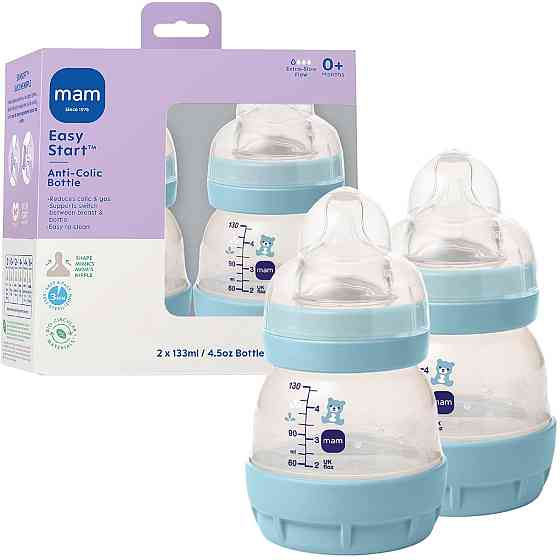
Pack for the baby’s needs as well as the possibility that the appointment takes longer than expected. A practical pediatrician appointment checklist can include several diapers, wipes, a changing pad, spare clothing, a muslin cloth or burp cloth, and a light blanket. Bring feeding supplies that are normally used, such as a bottle, prepared formula according to safe preparation guidance, expressed milk, or a nursing cover if you use one. Ask the clinic about local rules for feeding supplies and refrigeration if travel is prolonged.
- Medical folder or secure digital access to records
- Insurance card and identification documents requested by the practice
- Medication and supplement list, or labeled containers when clarification is needed
- Written questions and baby health log
- Pacifier or familiar comfort item, if the baby uses one
- Extra diapers, wipes, clothing, and feeding supplies
- Phone charger and a pen for recording instructions
Dress the baby in clothing that allows access for examination and makes it easy to remove or replace layers. Bring a safe rear-facing car seat for transportation and follow the manufacturer’s instructions for use. If another adult can attend, decide in advance who will hold the baby, take notes, ask questions, or manage older children. If you must attend alone, tell the office when scheduling so staff can advise you about logistics.
For a visit involving immunization, keep the schedule flexible afterward when possible. Ask the clinician what reactions are commonly expected and which findings warrant a call. Do not give a medicine or use a comfort measure unless the healthcare professional provides guidance appropriate for your baby’s age and circumstances.
Know what may happen in the office
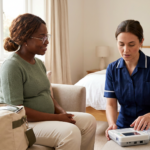
Early visits often begin with a review of birth history, feeding, elimination, sleep, medications, family history, and your concerns. Staff may measure weight, length, and head circumference and plot the results on an age-appropriate growth chart. The clinician may perform a head-to-toe examination, assess hydration and general appearance, listen to the heart and lungs, examine the abdomen and hips, and evaluate neurologic tone and age-appropriate responses.
The appointment may also include developmental questions. Developmental surveillance is an ongoing clinical process based on caregiver observations and professional assessment; it is not a pass-or-fail test. Tell the clinician what the baby can do in familiar settings, even if the baby is tired or shy in the office. If an assessment is limited because the baby is hungry or upset, the clinician may interpret the findings in that context or arrange follow-up.
Screening and preventive care depend on age, medical history, and local recommendations. The clinician may review newborn screening results, vaccination status, oral health prevention, safe sleep, injury prevention, smoke exposure, and caregiver well-being. If vaccines are due, ask which diseases they prevent, common short-term reactions, and when to seek advice. Bring your questions about contraindications or previous reactions rather than deciding independently to delay or alter the schedule.
Babies often cry during examination or procedures. Holding, skin-to-skin contact when appropriate, feeding, a pacifier, and calm caregiver interaction may help. Ask staff about comfort positioning and how you can participate safely. Your distress does not mean you are failing; clinicians expect infants to become upset and can guide you through the examination.
Plan follow-up and communication
Before leaving, confirm the assessment, any tests or referrals, the follow-up interval, and the specific home observations requested. Write down instructions in real time or ask whether the practice can provide an after-visit summary. Confirm how to obtain results and what to do if the baby worsens before the next appointment.
Many questions arise after returning home. Use the clinic’s preferred telephone, portal, or nurse-triage process for nonurgent concerns. Keep the medication list, immunization information, and growth records together so they are available for future visits or urgent care. Update the list after every new prescription, supplement change, vaccine, or specialist consultation.
A scheduled well-child visit should not be treated as a substitute for urgent assessment. Contact a healthcare professional promptly if your baby develops a concerning change, particularly difficulty breathing, marked lethargy or difficulty waking, a seizure, blue or gray coloration, signs of significant dehydration, or a temperature concern in a young infant. Emergency services may be appropriate for severe or rapidly worsening symptoms. When uncertain, explain the baby’s age and symptoms clearly and ask the clinician or emergency service what to do next.
Preparation is ultimately a communication tool. You do not need a perfect log or a perfectly calm baby. Bringing reliable records, describing what you have observed, and asking focused questions gives the pediatric team the information needed to support your baby’s care.
When to seek help before the visit
- Seek emergency help for severe breathing difficulty, blue or gray coloration, unresponsiveness, or a seizure.
- Contact a healthcare professional promptly for a young infant with a temperature concern or a significant change in feeding, alertness, or behavior.
- Call for advice about markedly fewer wet diapers, repeated inability to keep feeds down, or possible dehydration.
- Do not wait for a scheduled appointment if your baby is rapidly worsening or you feel an immediate danger is present.
- Use the clinician's after-hours instructions and state the baby's age, measured temperature, symptoms, and timing.
Tools & Assistance
- Appointment folder containing medical records and newborn screening results
- Written feeding, diaper, sleep, and symptom log
- Phone note with top three to five questions
- Diaper bag stocked with spare clothing, wipes, diapers, and feeding supplies
- Clinic portal, nurse-triage line, or after-hours medical advice service
FAQ
What should I bring to my baby's first doctor visit?
Bring available hospital discharge paperwork, newborn screening results, immunization information, insurance details, medication or supplement information, written questions, and practical supplies such as diapers, wipes, spare clothing, and normal feeding supplies.
Should I wake my baby before the appointment?
Usually, maintain the baby's normal routine unless the clinic gives specific instructions. A baby may be examined while sleepy, and feeding before or during the visit may sometimes help with comfort. Ask the office if a test requires different preparation.
How many questions should I prepare?
Write down every question that comes to mind, then prioritize the top three to five. Include questions about feeding, sleep, elimination, development, immunizations, safety, and which changes should prompt a call.
What if my baby cries throughout the appointment?
Crying is common in medical settings. Ask whether you can hold, feed, use a pacifier, or provide skin-to-skin contact when appropriate. Tell the clinician what the baby is like at home so the office behavior is interpreted in context.
Can I wait for the appointment if my baby seems significantly worse?
No. A scheduled visit is not a substitute for urgent care. Contact a healthcare professional promptly or seek emergency help for severe breathing difficulty, blue or gray coloration, unresponsiveness, seizures, or rapidly worsening symptoms.
Sources
- U.S. Office of Disease Prevention and Health Promotion — Make the Most of Your Baby's Visit to the Doctor (Ages 0 to 11 Months)
- Mayo Clinic — Quick guide to your infant's first pediatrician visits
- Norton Children's — Checklist: What to Bring to Your Baby's First Pediatrician Appointment
Disclaimer
This article provides general educational information and does not diagnose, treat, or replace advice from your baby's pediatrician or another qualified healthcare professional. Seek prompt medical care for urgent or worsening concerns.














Please log in to leave a comment.