

Intro
A supportive partner can change the experience of pregnancy, birth, and the early postpartum period in practical ways that matter. The role is not to replace clinicians, but to provide continuity: steady presence, informed advocacy, emotional regulation, and hands-on help that reduces stress for the mother and protects the newborn's early adjustment.
That support begins before labor and continues after discharge or the first days at home. It can include attending appointments, learning the rhythm of labor, helping with feeding and infant care, and noticing when symptoms require medical attention. The most effective support is responsive, respectful, and grounded in consent.
Highlights
Partner support works best when it combines emotional steadiness with practical help. Small actions can reduce maternal stress and improve the family's ability to cope.
During labor, a partner can help with breathing, position changes, communication with staff, and consent-based comfort measures.
After birth, support shifts toward feeding, rest, infant care, and watching for warning signs in the mother and baby.
A partner does not need to be clinically skilled to be useful. Learning basic newborn care and knowing when to escalate concerns is often enough.
Good support respects the mother's preferences, preserves dignity, and keeps the focus on safety rather than control.
Support starts before labor
Effective support usually begins in pregnancy. A partner who understands the course of pregnancy, planned birth setting, and the family’s preferences is better positioned to respond calmly when labor starts. That preparation may include attending prenatal visits when possible, learning the layout of the hospital or birth center, and discussing the practical details that often get overlooked in a rushed moment: transport, documents, contact numbers, and who should be called first.
Being informed also means knowing what deserves medical attention. Partners do not diagnose, but they can notice warning signs such as vaginal bleeding, severe abdominal pain, reduced fetal movements, persistent headache, visual changes, fever, or sudden swelling. If those occur, the right action is to contact the maternity team or emergency services promptly. The point is not to interpret everything through alarm, but to avoid delay when a symptom is outside the expected range.
Preparation also includes emotional readiness. Many mothers feel vulnerable as birth approaches, especially if there is a history of prior loss, anxiety, infertility treatment, trauma, or a medically complicated pregnancy. In that setting, simple reliability matters. A partner who listens, avoids dismissing fears, and stays present during uncertainty can lower the overall stress load. That is not just emotionally helpful; it can make communication with clinicians easier and help the mother feel safer enough to participate in decisions.
What helps during labor
During labor, the partner’s role is often to create conditions in which the mother can focus on coping. That may mean staying calm, speaking in a reassuring voice, helping her remember the plan, and translating the room into something less chaotic. Practical support can include offering water or ice chips if permitted, reminding her to breathe through contractions, timing rest between waves of pain, and helping her change positions when movement is comfortable and approved by the care team.
Physical comfort is useful when it is wanted. Light touch, massage, counterpressure, a cool cloth, dimming bright lights, or helping with a shower or birthing ball can all help, but consent matters. The best support is not forceful or performative; it is responsive. A partner should ask before touching, notice whether the mother wants quiet or conversation, and follow her cues rather than assuming that encouragement has to sound upbeat.
Communication with staff is another important part of partner support during childbirth. A partner can help ask clear questions, repeat information, and make sure the mother’s preferences are heard. This is especially valuable when labor becomes intense and the mother is tired, distracted, or in pain. Supporting informed consent means slowing down when possible, clarifying the purpose of an intervention, and making sure the mother has enough information to participate in decisions. Even in a fast-paced labor room, calm advocacy can reduce confusion and protect trust.
Just as important, the partner should know when to step back. Labor is not a performance space. Sometimes the most helpful thing is to be quiet, stay close, and hold the emotional temperature of the room steady while the clinical team does its work.
Helping in the first hours after birth
After birth, the support task changes quickly. The mother may be physically exhausted, emotionally flooded, or trying to process a labor experience that moved faster or slower than expected. The baby is adapting to life outside the uterus, and the family is learning a new pattern in real time. In that transition, the partner can protect the mother’s recovery by handling logistics: messages to relatives, food, water, supplies, visitors, and the endless small tasks that become overwhelming when sleep-deprived.
This is also the time to support skin-to-skin care when it is clinically appropriate and the mother wants it. Early contact can help regulate the newborn and may support feeding and bonding. If the mother is too tired or needs care herself, the partner can help make sure the baby is safely held, monitored, and transferred as needed. If breastfeeding is planned, the partner can help position pillows, bring the baby to the breast, and encourage patience while latch and milk transfer are being established. If feeding is by formula or expressed milk, the same principle applies: reduce friction, respect the feeding plan, and keep the mother from having to manage every detail alone.
Partners often underestimate how much rest matters in the first day or two. Rest is not a luxury; it is part of recovery. Supporting the mother’s sleep, helping her use the bathroom, and making sure she has food and fluids can improve stamina and reduce distress. The newborn also benefits when the caregiver environment is calmer and more organized.
Supporting feeding, bonding, and infant care
Research on partner involvement after birth shows that practical help and emotional encouragement can improve breastfeeding support and reduce stress in the household. That does not mean the partner must become an expert lactation clinician. It means learning enough to assist intelligently: understanding feeding cues, helping with positioning, bringing the baby for feeds, and protecting time for rest between attempts. When breastfeeding is difficult, the partner can keep the process grounded by encouraging the mother to seek help from lactation staff or another qualified professional rather than treating struggle as failure.
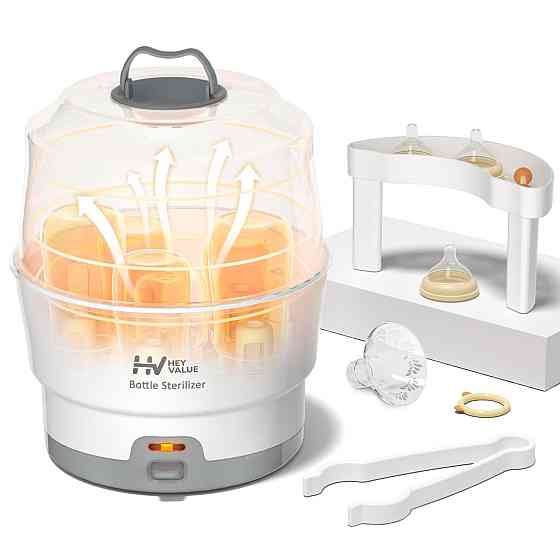
Support for feeding also includes managing the surrounding work. Burping, diaper changes, settling the baby after feeds, sterilizing equipment when relevant, and tracking supplies can all prevent the mother from being stretched too thin. These are ordinary tasks, but they matter because they preserve maternal energy for recovery and bonding. In many families, the partner’s contribution is less about dramatic gestures and more about reliably carrying the parts of care that do not require the mother’s body.
Bonding is not a single moment. It develops through repeated, low-pressure contact: holding the baby safely, learning the infant’s cues, and making the house feel less tense. A partner who is present for these ordinary moments helps build a stable environment for the newborn and can reduce the emotional isolation that sometimes follows birth. This is especially valuable when the mother is recovering from a difficult labor, cesarean birth, or a complicated neonatal course. High-quality partner support in that period is practical, patient, and free of judgment.
Watching for problems and protecting recovery
A partner also helps by noticing when recovery is drifting away from the expected course. In the mother, warning signs include heavy bleeding, fever, severe pain that is worsening rather than improving, shortness of breath, chest pain, fainting, severe headache, vision changes, or a mood state that feels frighteningly low, agitated, or disconnected. In the baby, concerns include poor feeding, lethargy, breathing difficulty, persistent jaundice, fever, or fewer wet diapers than expected. None of these observations should be handled casually. They warrant contact with a maternity clinician or pediatric professional.
Postpartum mental health deserves special attention. New parents sometimes normalize extreme anxiety, intrusive thoughts, or persistent low mood as just part of the adjustment. Sometimes it is; sometimes it is not. A partner is often the first person to see the difference. If the mother seems overwhelmed beyond ordinary fatigue, unable to sleep even when the baby sleeps, persistently hopeless, or unsafe, urgent emotional support after birth should include prompt professional help. The same applies if the partner notices signs that the relationship is becoming coercive, frightening, or isolating.
Finally, the partner should protect their own capacity to help. Exhaustion, fear, and helplessness can lead to withdrawal or irritability. A useful partner is not an endlessly strong one; it is one who stays available, asks for help when needed, and works with the care team rather than trying to manage birth and recovery alone.
When to seek urgent help
- Heavy vaginal bleeding, chest pain, fainting, or trouble breathing needs urgent medical assessment.
- Severe headache, visual changes, or sudden swelling in pregnancy or after birth should not be ignored.
- A baby who is hard to wake, feeding poorly, feverish, or breathing abnormally needs prompt review.
- Persistent low mood, panic, frightening thoughts, or inability to function after birth requires professional support.
- If anything feels medically concerning, contact the maternity team, pediatric clinician, or emergency services without delay.
Tools & Assistance
- Prenatal appointment notes and a shared birth preferences document.
- Hospital or birth center contact details saved in both phones.
- Basic newborn care guidance from the maternity unit or pediatric clinic.
- Lactation consultant or breastfeeding support service contact information.
- A plan for transport, visitors, meals, and rest after discharge.
FAQ
What is the most useful thing a partner can do in labor?
Stay calm, listen closely, and make the room easier to navigate. Clear communication, comfort measures, and respectful advocacy are often more valuable than trying to control the process.
How can a partner help with breastfeeding?
They can help with positioning, bring the baby to feeds, protect rest time, and encourage prompt lactation support if feeding is painful or not going as expected.
Can a partner help if the mother does not want much touch during labor?
Yes. Support can be verbal, logistical, and protective of space. The best approach is to ask what is wanted and respect the answer.
What should a partner watch for after birth?
Watch for heavy bleeding, fever, severe pain, breathing problems, poor feeding in the baby, and any serious mood or behavioral change in the mother.
Sources
- NIH / PubMed Central — Translating fathers' support for breastfeeding into practice
- NHS — Tips for your birth partner
- ACOG — A Partner's Guide to Pregnancy
Disclaimer
This article is for general educational purposes only and does not replace medical advice, diagnosis, or treatment. For symptoms, urgent concerns, or individualized guidance, contact a qualified healthcare professional.

















Please log in to leave a comment.