
Intro
Sibling relationships can be among the longest and most emotionally influential relationships in a person’s life. They are also complicated: children may be loving allies one moment and fierce rivals the next. For parents and caregivers, the goal is not to create constant harmony or eliminate conflict. The healthier aim is to help children feel safe, respected, and connected while learning how to repair, share space, negotiate needs, and manage strong emotions.
Research links supportive sibling relationships with social competence, emotional understanding, empathy, self-regulation, academic engagement, and protection against loneliness and depressive symptoms. At the same time, persistent hostility, coercion, humiliation, or aggression between siblings should not be dismissed as “normal.” With warm structure, fair boundaries, and timely professional support when needed, families can strengthen sibling bonds in practical, developmentally appropriate ways.
Highlights
Positive sibling relationships are built through repeated experiences of safety, fairness, shared enjoyment, and conflict repair, not through forced closeness.
Parents can reduce rivalry by avoiding comparison, favoritism, and fixed labels such as “the smart one” or “the difficult one.”
Constructive conflict resolution teaches children emotional regulation, perspective-taking, boundaries, and problem-solving skills.
Aggression, intimidation, sexualized boundary violations, or persistent emotional cruelty require adult intervention and may warrant professional support.
Each child still needs individual connection with caregivers; strong sibling bonds are easier when children do not feel they must compete for love.
Why sibling relationships matter
Siblings provide daily opportunities to practice social skills in a relationship that is both intimate and challenging. Children learn how to read facial expressions, negotiate turn-taking, tolerate frustration, apologize, repair harm, and assert preferences. These interactions can support self-regulation, emotional understanding, empathy, and academic competence, especially when the relationship includes warmth and low levels of destructive conflict.
The developmental importance of siblings does not mean every sibling pair will be naturally close. Temperament, age spacing, neurodevelopmental differences, disability, family stress, parental mental health, trauma exposure, and cultural expectations can all shape the relationship. A toddler and a preteen, for example, have very different capacities for impulse control and reciprocity. A child with attention-deficit/hyperactivity traits, autism-related sensory needs, anxiety, or chronic illness may require more explicit coaching and environmental support. These differences are not moral failures; they are cues for individualized guidance.
Supportive sibling relationships can act as emotional buffers. They may reduce loneliness and provide companionship during transitions such as starting school, moving, parental separation, or illness in the family. However, sibling closeness should never be used as a substitute for adult care. Children still need attuned caregivers who provide safety, supervision, and predictable limits.
Create a family climate that makes cooperation easier
Children are more likely to treat each other respectfully when the broader family environment is emotionally safe. This includes predictable routines, clear expectations, calm adult responses, and repair after conflict. Positive sibling relationships often grow from the same foundations as positive parent-child relationships: warmth, responsiveness, and consistent boundaries.
One of the most protective practices is avoiding favoritism. Children are highly sensitive to perceived differences in affection, discipline, praise, privileges, and attention. Fairness does not always mean identical treatment; a 4-year-old and a 12-year-old need different rules. But children benefit when caregivers explain differences calmly: “Your brother has an earlier bedtime because his body needs more sleep,” or “Your sister has a quiet space after school because she gets overwhelmed and needs time to reset.”
It also helps to resist fixed roles. Labels such as “the responsible one,” “the dramatic one,” “the baby,” or “the troublemaker” can trap children in identities and fuel resentment. Even positive labels can create pressure or rivalry. Instead, describe specific behaviors: “You kept your voice calm while explaining what happened,” or “You noticed she was upset and gave her space.” This teaches skills without assigning a permanent family role.
Protect each child’s individual connection with you
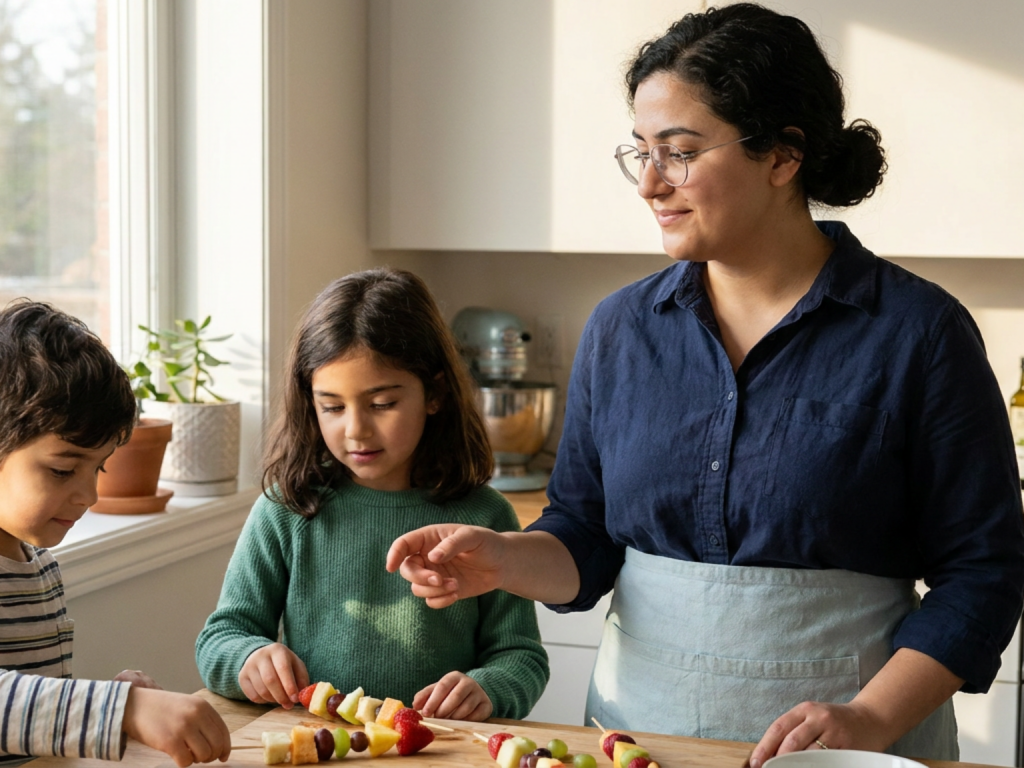
Sibling rivalry often intensifies when children experience caregiver attention as scarce. Brief, reliable one-to-one time can reduce competition and increase security. This does not need to be elaborate. Ten minutes of child-led play, a walk, bedtime conversation, cooking together, or reading side by side can communicate, “You matter to me as yourself, not only as part of the sibling group.”
Individual connection is especially important during predictable stress points: a new baby, a child’s medical diagnosis, school difficulties, parental separation, bereavement, or a major change in work schedules. A child who suddenly receives less attention may express distress through regression, irritability, somatic complaints such as stomachaches, sleep disruption, or increased conflict with a sibling. These behaviors should be addressed with limits, but also with curiosity about underlying needs.
Try using “special time” without making it competitive. Avoid saying, “I’m spending time with you because your sister has been getting too much attention.” Instead, frame it as a regular family value: “Everyone gets time with me because I love knowing each of you.” When possible, schedule predictable individual moments so children do not feel they must misbehave to receive attention.
Teach boundaries, consent, and body autonomy early
Positive sibling relationships require respect for personal boundaries. Children should learn that affection, play, joking, roughhousing, borrowing belongings, and entering bedrooms all require attention to the other person’s comfort and consent. This is not only a social skill; it is a safety skill.
Useful family rules include:
- Stop means stop, even if the other person was laughing earlier.
- No hitting, kicking, biting, choking, pinning, or blocking someone from leaving.
- Private body parts are private, and children can always ask a trusted adult for help.
- Bedrooms, backpacks, diaries, devices, and special belongings need permission.
- Teasing is not okay if the other child feels humiliated, frightened, or trapped.
For younger children, concrete coaching works better than lectures: “Look at his face. He is not enjoying that now. Move back.” For older children, discuss digital boundaries too, including taking photos, sharing messages, entering group chats, and using embarrassing information as leverage. If there are sexualized behaviors, coercion, threats, significant age or power differences, injury, or a child seems fearful of a sibling, seek guidance from a pediatrician, child psychologist, or appropriate safeguarding service.
Coach conflict without becoming the referee every time
Conflict is not automatically harmful. In moderate, well-supported doses, disagreement gives children practice with frustration tolerance, mentalization, and negotiation. The caregiver’s role is to distinguish ordinary conflict from unsafe behavior and to teach a repeatable repair process.
When conflict erupts, first regulate the environment. If children are physically unsafe, separate them immediately and calmly. If they are loud but not dangerous, pause before intervening. A brief script can help: “I hear two upset people. I’m going to help everyone slow down.” Then guide them through steps:
- Name the problem without blame: “Two people want the same tablet.”
- Validate feelings without endorsing harmful behavior: “You were frustrated. Hitting is not okay.”
- Let each child speak briefly while the other listens.
- Ask for possible solutions: timer, turn-taking, choosing another activity, or adult holding the item until later.
- Support repair: apology, helping rebuild, returning an item, or giving space.
Avoid demanding immediate affection after conflict. Forced hugs or apologies may teach compliance rather than empathy. A more meaningful repair might be: “What can you do to help your sister feel safe with you again?” Children vary in how quickly they calm down; some need co-regulation, movement, hydration, sensory quiet, or time alone before they can reflect.
Praise the relationship skills you want to grow
Caregivers often intervene when siblings fight but overlook moments of cooperation. Attention is a powerful reinforcer. Noticing positive behavior helps children understand what to repeat. The most effective praise is specific and process-focused: “You waited while he finished his turn,” “You asked before taking the markers,” or “You two solved that without yelling.”
Shared positive experiences also matter. Siblings are more likely to feel bonded when they have opportunities for low-pressure enjoyment: building something together, caring for a pet, planning a family meal, making a playlist, doing a scavenger hunt, or helping with a manageable household task. Cooperative activities should be chosen carefully. If a task is too difficult or one child dominates, it can increase tension. Aim for activities where each child has a meaningful role.
Parents can also tell family stories that highlight teamwork rather than rivalry: “Remember when you both made signs for the garage sale?” or “You helped each other get ready for the first day of school.” These narratives help children see themselves as capable of being allies.
Be mindful of comparison, competition, and fairness
Comparison is one of the fastest ways to inflame sibling tension. Statements such as “Why can’t you be organized like your brother?” or “Your sister never complains about homework” may seem motivating, but they often increase shame and resentment. They also direct anger toward the sibling rather than toward the skill that needs support.
Replace comparison with individualized coaching. Instead of “Your brother already finished,” try, “Let’s break this assignment into the first two steps.” Instead of “She’s better at sharing,” say, “You may feel protective of your toy. You still need to use words and keep your hands safe.”
Competition is not always harmful. Board games, sports, and academic challenges can be enjoyable when children have similar skill levels, clear rules, and adults model good sportsmanship. But chronic competition for caregiver approval, grades, appearance, athletic performance, or “who is easier to love” is emotionally risky. Emphasize effort, kindness, persistence, and repair over winning.
Adjust expectations for age, temperament, and neurodevelopment
Sibling guidance should match developmental capacity. Toddlers have limited inhibitory control and need close supervision. Preschoolers are learning perspective-taking but still think egocentrically. School-age children can begin to use structured problem-solving. Adolescents may need more privacy, autonomy, and respect for social identity, while still requiring clear safety rules.
Temperament matters as well. A highly reactive child may escalate quickly and need proactive calming strategies. A slow-to-warm child may need protection from an intrusive sibling. A sensation-seeking child may enjoy rough play that overwhelms another child. Neurodevelopmental differences can affect impulse control, sensory processing, cognitive flexibility, language pragmatics, and emotional regulation. In such cases, “treating everyone the same” may be less fair than providing individualized supports.
If one child has significant medical, developmental, or mental health needs, siblings may experience pride, compassion, confusion, guilt, jealousy, or parentification. They may need age-appropriate information, permission to have mixed feelings, and protected time where they are not expected to be helpers. Family therapy, parent coaching, occupational therapy, or pediatric behavioral health consultation can be useful when routines, safety, or emotional wellbeing are strained.
When to seek extra help
- One child is afraid of a sibling, avoids being alone with them, or changes sleep, appetite, mood, or school functioning.
- Conflict includes injuries, choking, threats, coercion, weapon use, destruction of valued belongings, or persistent intimidation.
- There are sexualized behaviors, privacy violations, forced touching, or a significant age, size, or power difference.
- A child is repeatedly humiliated, excluded, scapegoated, or targeted because of disability, identity, body, learning differences, or mental health needs.
- Caregivers feel unable to keep children safe or find themselves responding with escalating anger or harsh punishment.
Tools & Assistance
- Schedule brief, predictable one-to-one time with each child.
- Use family rules for safety, consent, belongings, privacy, and digital behavior.
- Practice a conflict script: pause, name feelings, state the limit, generate solutions, repair.
- Consult a pediatrician, child psychologist, family therapist, or school counselor if conflict is persistent or unsafe.
- Model calm repair after adult mistakes by apologizing and explaining what you will do differently.
FAQ
Is sibling fighting normal?
Some conflict is common and can help children learn negotiation and emotional regulation. It becomes concerning when it is frequent, one-sided, frightening, physically unsafe, humiliating, coercive, or associated with changes in mood, sleep, appetite, or functioning.
Should I make siblings apologize to each other?
You can teach repair, but forced apologies often become empty. Help the child identify the harm and choose a meaningful repair, such as returning an item, helping rebuild something, giving space, or using a sincere apology when ready.
How can I avoid favoritism when children have different needs?
Fairness means each child gets what they need for safety and growth, not that every rule is identical. Explain differences in simple terms, protect individual time with each child, and avoid comparing siblings.
What if one child always seems to provoke the other?
Look beyond blame. Assess supervision, triggers, developmental capacity, sensory needs, sleep, hunger, anxiety, and attention patterns. Set limits for both children’s unsafe behavior while teaching each child specific alternative skills.
Can siblings be too close?
Closeness is healthy when both children can have privacy, separate friendships, bodily autonomy, and freedom to disagree. Concern rises if one child controls the other, prevents independence, or the relationship replaces needed adult support.
Sources
- American Psychological Association — Improving sibling relationships
- PubMed Central / National Library of Medicine — Harnessing the Power of Sibling Relationships as a Tool for Optimizing Social-Emotional Development
- University of New Hampshire — Promoting Positive Sibling Relationships: Practical Tips for Caregivers
Disclaimer
This article is for general educational purposes and does not diagnose, treat, or replace professional medical or mental health care. If you are concerned about a child’s safety, behavior, development, or emotional wellbeing, consult a qualified healthcare professional or local safeguarding service.














Please log in to leave a comment.