
Intro
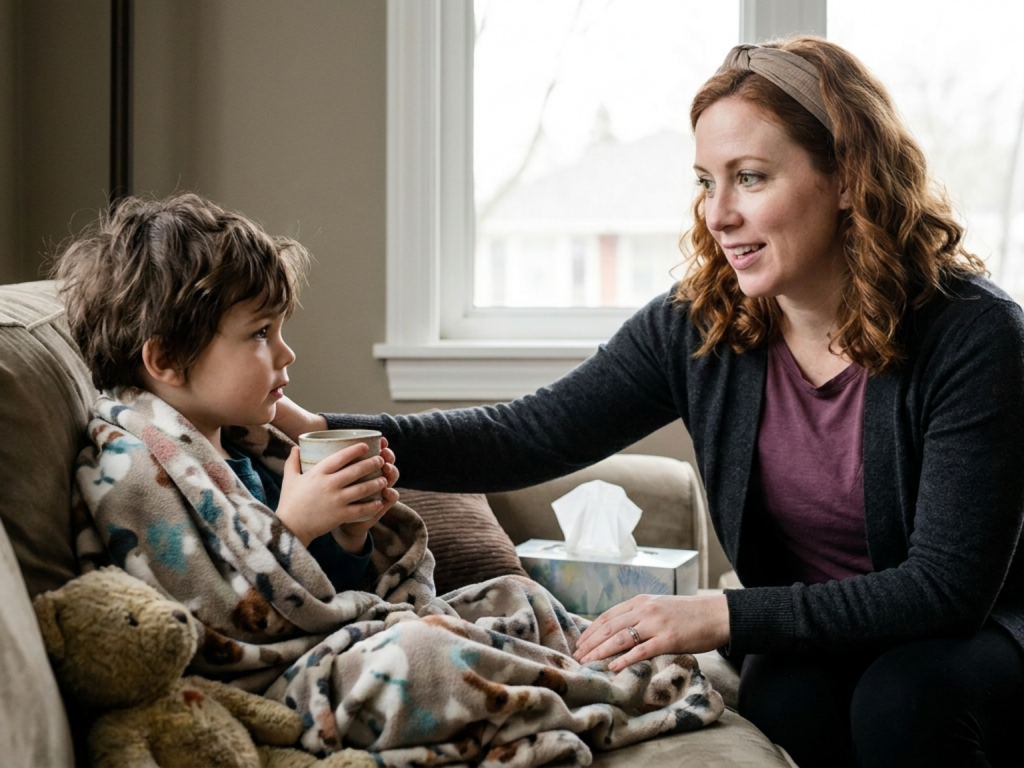
Every parent knows the scene: a runny nose, a persistent cough, and a child who is just not quite themselves. The common cold is one of the most frequent illnesses of childhood, and while it is almost always harmless, watching your child deal with the discomfort can be stressful. Understanding the typical symptoms and their viral causes can help you distinguish a routine cold from something that may require medical attention, and guide you in providing the right supportive care.
This article explores the symptoms, viral causes, transmission dynamics, and evidence-based management of the common cold in children, drawing on current medical literature to help you care for your little one with confidence.
Highlights
The common cold is a self-limiting viral infection of the upper respiratory tract that affects children six to ten times per year on average, significantly more often than adults.
Rhinovirus is the most common cause, accounting for up to 50% of colds, followed by RSV and adenovirus, with over 200 viruses capable of producing cold symptoms.
Cold symptoms follow a predictable progression from clear nasal discharge and sneezing to congestion, cough, and possible low-grade fever, typically resolving within seven to ten days.
Antibiotics are ineffective against viral colds; supportive measures including hydration, saline nasal drops, rest, and age-appropriate pain relievers form the cornerstone of care.
Prompt medical evaluation is warranted for high or persistent fever, difficulty breathing, signs of dehydration, or symptoms that worsen after initial improvement.
What is the common cold in children?
The common cold is one of the most frequent illnesses in childhood. Children, particularly those in daycare or school settings, may experience six to ten cold episodes annually, compared to two to four for most adults. The common cold is a viral infection of the upper respiratory tract, affecting the nasal passages, sinuses, pharynx (the throat), and occasionally the larynx (voice box).
While the illness is almost always self-limiting, meaning it resolves on its own without medical intervention, its impact on a child’s comfort, sleep, appetite, and daily routine can be significant. Understanding what causes a cold, how it manifests in children, and when it warrants medical attention can help caregivers respond with confidence rather than worry.
Recognizing cold symptoms in children
Cold symptoms in children typically develop one to three days after viral exposure and progress through a predictable sequence. The earliest sign is often a clear, watery nasal discharge that gradually thickens and may turn yellow or green over several days. This color change reflects the normal immune response, specifically the influx of white blood cells, rather than a bacterial infection. Alongside the runny nose, children frequently develop nasal congestion, which can interfere with feeding in infants and young toddlers who are nasal breathers.
Sneezing is common in the early stages, and many children develop a sore or scratchy throat before other symptoms peak. Coughing usually follows, often worsening at night or when lying flat, and may be caused by post-nasal drip, where mucus drains from the nasal passages into the throat. Mild fever, typically below 38.5 degrees Celsius (101.3 degrees Fahrenheit), is more common in younger children, while older children may experience low-grade fevers or none at all.
Additional symptoms can include mild headache, general malaise (a vague feeling of being unwell), reduced appetite, and irritability. Some children also develop watery eyes and mild body aches. Infants may show signs through increased fussiness, difficulty feeding, and disrupted sleep patterns. While these symptoms are generally mild, their combined effect can leave both children and parents feeling exhausted.
What causes the common cold?
The common cold is caused by viruses, not bacteria, which is why antibiotics are ineffective against it. More than 200 different viruses can cause cold symptoms, but a handful of viral families account for the majority of cases in children.
Rhinovirus is the single most common culprit, responsible for up to 50% of all colds. Rhinoviruses belong to the Picornaviridae family and thrive in the cooler temperatures of the nasal passages, which is partly why they are so efficient at causing upper respiratory infections. There are over 160 known serotypes (varieties) of rhinovirus, which explains why children never develop lasting immunity to the common cold as a whole.
Respiratory syncytial virus (RSV) is another significant cause, particularly in infants and very young children. While RSV often produces cold-like symptoms, it can occasionally progress to lower respiratory tract infections such as bronchiolitis (inflammation of the small airways in the lungs) or pneumonia, especially in premature infants or those with underlying heart or lung conditions.
Adenovirus is responsible for a smaller proportion of colds but is notable for causing broader symptoms, including conjunctivitis (pink eye), gastrointestinal symptoms, and more prolonged fevers. Other contributing viruses include parainfluenza viruses, human metapneumovirus, and common coronaviruses, which typically cause mild upper respiratory illness.
How colds spread among children
Colds are highly contagious, and children are particularly effective at spreading them. Transmission occurs primarily through respiratory droplets, tiny particles expelled when an infected person coughs, sneezes, or talks. These droplets can land directly on another child’s nose, mouth, or eyes, or settle on surfaces, known as fomites, such as toys, doorknobs, shared utensils, and electronic devices.
Children touch their faces frequently, rubbing their eyes, picking their nose, or putting objects in their mouth, creating a direct pathway for viruses to enter the body. In daycare centers, preschools, and classrooms, the combination of close physical contact, shared toys, and still-developing hand hygiene habits creates ideal conditions for viral transmission.
The incubation period, the time between exposure and symptom onset, is typically one to three days for rhinoviruses, though it can range from 12 hours to five days depending on the virus. Children are generally most contagious during the first two to three days of symptoms, but viral shedding can continue for up to two weeks in some cases, particularly with RSV. This means a child who appears fully recovered can still transmit the virus to others.
Why children get colds more often
Parents often wonder why their child seems to catch every circulating cold. The answer lies in immunological development. Children’s immune systems are still maturing, and they have not yet built the broad library of antibodies that adults accumulate through years of viral exposure. Each new virus requires the immune system to mount a fresh adaptive response, producing specific antibodies and memory cells, which takes time and does not prevent infection by a different viral serotype.
Exposure frequency also matters. Children in group childcare or school settings encounter many peers, each carrying a diverse array of respiratory viruses. Studies consistently show that children in daycare experience more frequent respiratory infections, though this early exposure may confer some immune benefits later in childhood.
Indoor environments during colder months compound the risk. Viruses like rhinovirus survive longer in cool, low-humidity conditions, and crowded indoor spaces facilitate easier transmission. Reduced ventilation in heated or air-conditioned buildings allows respiratory droplets to remain suspended in the air for longer periods.
When symptoms may point to something more serious
Most colds follow a predictable course, peaking around days two to three and improving over seven to ten days. However, certain symptoms warrant prompt medical evaluation. A fever above 39 degrees Celsius (102.2 degrees Fahrenheit) that persists beyond three days, difficulty or rapid breathing, wheezing, refusal to eat or drink, signs of dehydration (such as reduced urine output, dry mouth, or no tears when crying), extreme lethargy, or symptoms that worsen after initial improvement may indicate a secondary bacterial infection or a different condition.
Distinguishing between a cold and more serious respiratory infections matters. Influenza typically presents with higher fevers, more pronounced body aches, and a more abrupt onset. RSV can progress to lower respiratory illness in vulnerable populations. If your child is under three months old and develops any fever, defined as a rectal temperature of 38 degrees Celsius or higher, seek medical evaluation immediately, as young infants are at greater risk for serious bacterial infections that may initially mimic a simple cold.
Additionally, stress-related physical symptoms in children, such as stomachaches, headaches, and sleep disruption, can sometimes overlap with or be mistaken for cold symptoms, particularly during periods of school pressure or family change. If your child experiences recurrent physical complaints without clear infectious causes, a conversation with your pediatrician may help identify underlying contributors.
Comfort measures and supportive care
While there is no cure for the common cold, several evidence-based strategies can ease your child’s symptoms and support recovery. Keeping your child well-hydrated is essential. Offer water, breast milk, formula, or clear fluids frequently. Adequate hydration helps thin mucus secretions and reduces the risk of dehydration, which is a particular concern in younger children.
For nasal congestion, saline nasal drops or spray can help loosen mucus and make breathing easier, especially before feeds or sleep. A rubber bulb syringe can be used to gently suction mucus from an infant’s nose. For children over 12 months of age, honey, approximately half to one teaspoon, has been shown to be an effective cough suppressant, though it should never be given to infants under one year due to the risk of infant botulism.
Rest is important, though it can be challenging to encourage in an active child. Maintain a calm, comfortable environment and allow extra time for sleep. Age-appropriate doses of acetaminophen or ibuprofen can help with fever, sore throat, or general discomfort. Aspirin should be avoided in children due to the risk of Reye’s syndrome, a rare but potentially life-threatening condition that affects the liver and brain.
Over-the-counter cough and cold medicines are not recommended for young children, as evidence does not support their effectiveness in this age group and they may carry risks of adverse effects. Always consult a healthcare professional before administering any medication to a child.
Prevention strategies for families
Preventing every cold is impossible, but consistent hygiene practices can reduce the frequency and severity of episodes. Frequent and thorough handwashing with soap and water for at least 20 seconds is the single most effective measure. Teach children to wash their hands after coughing or sneezing, before eating, and after using the bathroom. When soap and water are not available, an alcohol-based hand sanitizer containing at least 60% alcohol is a reasonable alternative.
Avoid sharing cups, utensils, and towels between family members, particularly when someone is symptomatic. Regularly disinfect high-touch surfaces in the home, such as light switches, remote controls, and kitchen counters. Encourage children to cough or sneeze into their elbow rather than their hands, and provide tissues for those who can manage them.
Supporting your child’s overall immune health through adequate sleep, a balanced diet rich in fruits and vegetables, regular physical activity, and managing chronic stress can also contribute to fewer or milder infections. While supplements such as vitamin C and zinc are sometimes promoted for cold prevention, the evidence for their effectiveness in children remains mixed, and it is advisable to discuss any supplementation with your pediatrician.
When to seek immediate medical attention
- Fever above 39 degrees Celsius (102.2 degrees Fahrenheit) lasting more than three days
- Difficulty breathing, rapid breathing, or audible wheezing
- Signs of dehydration, including no tears when crying, dry mouth, or significantly reduced urination
- Refusal to eat or drink for more than eight hours in a young child
- Infants under three months old with any fever (rectal temperature of 38 degrees Celsius or higher)
- Symptoms that improve and then suddenly worsen, which may signal a secondary bacterial infection
Tools & Assistance
- Schedule an appointment with your child's pediatrician if symptoms worsen, persist beyond ten days, or include high fever or difficulty breathing.
- Visit a pharmacist for age-appropriate acetaminophen or ibuprofen dosing guidance and to discuss over-the-counter product safety for your child's age.
- Use emergency services or go to the nearest emergency department if your child under three months develops a fever, or if any child shows signs of respiratory distress.
- Consult your pediatrician before giving any medication, including herbal remedies, to ensure it is appropriate and safely dosed for your child's age and weight.
FAQ
How long does a common cold last in children?
Most colds resolve within seven to ten days, with symptoms typically peaking around days two to three. A lingering cough may persist for up to two weeks after other symptoms have resolved, even after the virus has cleared.
Can my child catch a cold from being cold or going outside without a jacket?
Cold weather does not cause colds; only viruses do. However, cold temperatures can dry out nasal passages, potentially making children more susceptible to viral entry, and indoor crowding during winter months increases person-to-person transmission.
When should I take my child to the doctor for a cold?
Seek medical attention if your child has a high fever above 39 degrees Celsius lasting more than three days, difficulty breathing, signs of dehydration, extreme lethargy, or if symptoms worsen after initially improving.
Are antibiotics ever needed for a common cold?
No. Antibiotics treat bacterial infections, not viruses. They are ineffective against the common cold and should only be used when a healthcare professional identifies a bacterial complication, such as a bacterial ear infection or pneumonia.
Can I give my child over-the-counter cold medicine?
Cough and cold medicines are not recommended for young children due to a lack of proven effectiveness and potential risks. Saline nasal drops, honey for children over 12 months, and age-appropriate pain relievers are safer alternatives for managing symptoms.
Sources
- Banner Health — Common Cold in Children: Symptoms, Causes and Treatment
- Cleveland Clinic — Common Cold (Rhinovirus): Symptoms, Causes & Treatment
- Raising Children Network — Colds in babies, children and teenagers
Disclaimer
This article is for informational purposes only and does not constitute medical advice. Always consult a qualified healthcare professional for the diagnosis and treatment of your child's symptoms.















Please log in to leave a comment.