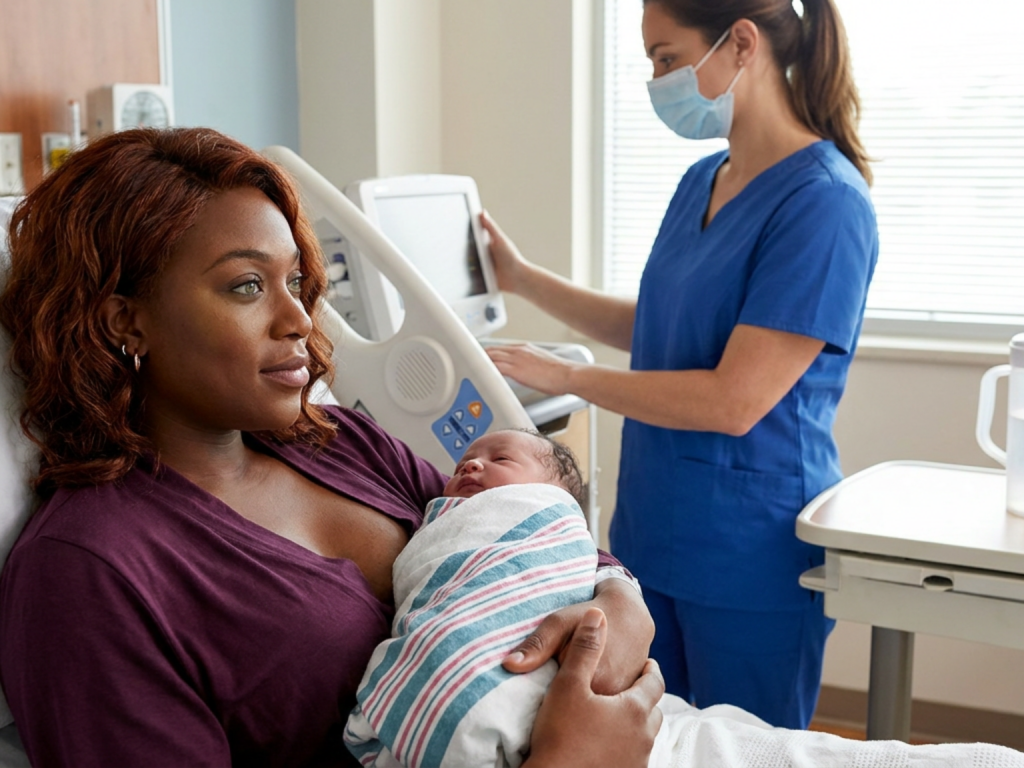
Mamaspedia is a digital information and community platform focused on pregnancy, parenting, maternal health education, and wellness support. This Policy covers medical, healthcare, wellness, and informational services, while clearly defining the limits of Mamaspedia's role. Mamaspedia ("we," "our," "us") respects your privacy and is committed to protecting your personal and confidential information. This Privacy & Confidentiality Policy explains how we collect, use, store, and protect your data when you use our website, mobile applications, and related services (collectively, the "Platform").

1. Information We Collect
We may collect the following categories of information:
- Personal Information: name, email address, username, profile details
- Account Information: login credentials (encrypted), preferences, activity history
- Technical Data: IP address, device type, browser, operating system
- User-Generated Content: comments, messages, posts, questions, uploads
- Health-Related Topics: only if voluntarily shared by users (non-diagnostic)
Mamaspedia does not require users to submit medical records or sensitive health data.
2. Confidentiality of User Information
All personal data shared with Mamaspedia is treated as confidential.
We:
- Do not sell or rent user data
- Do not disclose private data without legal obligation
- Limit access to authorized personnel only
- Apply technical and organizational safeguards.
User discussions, questions, and interactions are protected and not shared outside the Platform.
3. Confidentiality of Health-Related Information
Mamaspedia treats all user-shared health-related discussions as confidential.
However:
- Users should avoid posting personally identifiable medical data
- Public or community posts are visible to other users
- Mamaspedia is not a HIPAA-covered entity
Private messages and account data are protected with reasonable safeguards.
4. Healthcare Professional Listings
Healthcare professionals appearing on Mamaspedia:
- Are listed for informational and referral purposes only
- Are not employed, endorsed, or certified by Mamaspedia
- Are solely responsible for their credentials, services, and advice
Mamaspedia does not verify licenses unless explicitly stated.
5. Telehealth & Consultations (If Enabled)
If Mamaspedia enables video, chat, or messaging features:
- Mamaspedia acts as a technology intermediary
- All medical services are provided directly by third-party professionals
- Compliance with local medical laws is the responsibility of the provider
Mamaspedia bears no liability for medical outcomes.
6. Data Collection & Use (Medical Context)
We may collect:
- Account and contact information
- User-generated health-topic discussions
- Technical and usage data
We do not require medical records, test results, or diagnostic documents.
7. Data Security & Storage
Mamaspedia uses industry-standard safeguards, including:
- Encrypted data transmission
- Access controls
- Secure hosting infrastructure
Despite safeguards, no system is completely secure.
8. How We Use Information
We use collected information to:
- Provide and improve our services
- Personalize content and user experience
- Maintain platform security
- Communicate important updates
- Comply with legal requirements
We do not use personal data for automated medical decision-making.
9. Cookies & Analytics
Mamaspedia may use cookies and analytics tools to:
- Understand user behavior
- Improve performance and usability
You may disable cookies via your browser settings
10. Data Sharing & Third Parties
We may share limited data only with:
- Hosting providers
- Analytics services
- Legal authorities when required by law
All partners are contractually obligated to protect user confidentiality.
Mobile phone numbers, SMS opt-in data, and text messaging consent are excluded from any data sharing and are not shared with hosting providers, analytics services, partners, affiliates, or any third parties.
11. SMS Privacy & Mobile Communications
Mamaspedia may use SMS text messaging solely for communication initiated by users through website forms or direct messages.
No mobile information will be shared with third parties or affiliates for marketing or promotional purposes.
All other categories of personal information exclude text messaging originator opt-in data and consent. SMS consent and phone numbers are not shared, sold, rented, or disclosed to any third parties.
Users may opt out of SMS communications at any time by replying STOP or request assistance by replying HELP.
12. Medical Disclaimer (Important)
Content on Mamaspedia is provided for informational purposes only and does not constitute medical advice, diagnosis, or treatment.
Use of the Mamaspedia platform does not create a doctor–patient, therapist–patient, or any other healthcare provider–patient relationship between you and Mamaspedia, its owners, employees, contributors, partners, or affiliates.
Mamaspedia operates solely as a technology and information platform that enables users to:
- search for healthcare professionals,
- access general informational content,
- and connect with independent third-party medical providers.
Any medical consultation, diagnosis, treatment, prescription, or advice is provided exclusively by independent, licensed healthcare professionals, and only within the context of a direct relationship established between you and such provider.
Mamaspedia does not practice medicine, does not provide medical advice, and does not control or influence the professional judgment, services, or conduct of any healthcare provider.
Any doctor–patient relationship that may arise is formed solely between the user and the healthcare provider, under the provider's own terms, policies, and applicable laws, and Mamaspedia bears no responsibility or liability for such relationship or services.
Always consult a qualified healthcare professional for medical concerns.
13. User Rights & Consent
By using Mamaspedia, users may:
- Request access to your data
- Request correction or deletion of your data
- Withdraw consent
- Request data portability
- Acknowledge the informational nature of the Platform
- Accept that Mamaspedia is not a healthcare provider
- Consent to data processing as described herein
Users may request data access or deletion at: support@mamaspedia.com
14. Data Security
Reserved (covered in Section 7).
15. Children's Privacy
Mamaspedia is intended for adults (parents and caregivers).
We do not knowingly collect data from children under 13.
16. Limitation of Liability (Medical Services)
To the fullest extent permitted by law:
- Health decisions made by users
- Outcomes of medical consultations
- Reliance on informational content
- Actions of third-party healthcare providers
Use of the Platform is at the user's own risk.
17. Jurisdiction, Regulatory Status & U.S. Compliance
This Policy is drafted and implemented to comply with applicable United States federal and state laws, including but not limited to consumer protection, digital services, and informational health content standards, as well as Apple App Store and Google Play policies governing medical and health-related applications.
Mamaspedia operates solely as an informational, educational, and technology platform and does not engage in the practice of medicine, nursing, psychology, psychotherapy, counseling, or any other regulated healthcare profession in the United States or any other jurisdiction.
Mamaspedia is not:
- A healthcare provider, medical practice, hospital, clinic, or telehealth service;
- Licensed, registered, or regulated by any U.S. federal or state medical board;
- Subject to HIPAA, HITECH, or any state-level medical privacy or healthcare provider regulatory regime.
No content, functionality, communication, directory listing, messaging feature, video interaction, or information made available through the Platform shall be construed as medical advice, diagnosis, treatment, or a substitute for professional medical judgment, or the establishment of a physician–patient or healthcare provider–patient relationship.
All healthcare professionals, clinics, consultants, or third-party providers accessible through or referenced on the Platform act entirely independently of Mamaspedia and bear sole and exclusive responsibility for compliance with applicable federal, state, and local laws, licensing, services, advice, diagnoses, prescriptions, treatments, and outcomes.
Mamaspedia expressly disclaims any and all liability arising from user reliance on health-related content, interactions between users and third-party healthcare professionals, medical or clinical decisions made by users or providers, and any failure by third-party providers to comply with applicable laws or professional standards.
Users expressly acknowledge and agree that access to the Platform does not constitute receipt of medical services under U.S. law.
18. Updates
Mamaspedia may revise this Policy at any time.
Continued use constitutes acceptance of updates.
Terms & conditions
(Terms and Conditions of Use)
Effective Date: 22.10.2026
1. Definitions
- "Platform" — Mamaspedia website, apps, and services
- "User" — any person accessing or using the Platform
- "Content" — articles, posts, comments, images, videos, tools, and materials
2. Scope of Application
These Terms & Conditions govern your access to and use of Mamaspedia, including websites, mobile applications, digital services, and community features.
By accessing or using the Platform, you agree to be bound by these Terms.
3. Informational Purpose Only
Mamaspedia is an educational and community-based platform.
All content on Mamaspedia is not medical, legal, or professional advice and is provided for informational and educational purposes only.
Mamaspedia does not provide medical diagnosis or treatment, does not guarantee accuracy, completeness, or outcomes, and encourages consulting licensed professionals when needed.
4. No Medical or Professional Advice
Nothing on the Platform constitutes medical advice, legal advice, psychological, or therapeutic advice.
Use of information is at your own risk.
Mamaspedia does not verify medical accuracy of user-generated content.
5. No Doctor–Patient Relationship
Use of the Mamaspedia platform does not create a doctor–patient, therapist–patient, or any other healthcare provider–patient relationship between you and Mamaspedia, its owners, employees, contributors, partners, or affiliates.
Mamaspedia operates solely as a technology and information platform that enables users to search for healthcare professionals, access general informational content, and connect with independent third-party medical providers.
Any medical consultation, diagnosis, treatment, prescription, or advice is provided exclusively by independent, licensed healthcare professionals.
6. Intellectual Property
All Platform content, excluding User Content, including text, logos, design, and databases, is the intellectual property of Mamaspedia.
7. User Responsibilities, Content & Community
You are solely responsible for your content and agree not to post unlawful, misleading, or harmful content.
Mamaspedia may remove content without notice.
8. Third-Party Links and Services
Mamaspedia may contain links to third-party websites or services.
Mamaspedia is not responsible for external content, third-party policies, or transactions outside the Platform.
9. Limitation of Liability
To the maximum extent permitted by law, Mamaspedia shall not be liable for indirect or consequential damages or personal decisions based on Platform content.
10. No Warranties
Mamaspedia is provided "as is" and "as available", without warranties of any kind.
11. Indemnification
You agree to indemnify and hold harmless Mamaspedia from claims arising from your use of the Platform or violation of these Terms.
12. Updates
We may update these Terms periodically. Continued use means acceptance.
13. Termination
We reserve the right to suspend or terminate access if these Terms are violated.
14. Contact Information
support@mamaspedia.com
User agreement
Last updated: 22.10.2026
1. Acceptance of the Agreement
By accessing or using the Mamaspedia platform, you confirm that you have read, understood, and agreed to this User Agreement.
2. Eligibility
You must be at least 18 years old or have the consent of a legal guardian to use Mamaspedia.
3. Nature of the Platform
Mamaspedia is an informational and community-based platform created for parents and caregivers.
4. User Accounts
You are responsible for maintaining the confidentiality of your account credentials.
5. User Content
Users may post content and grant Mamaspedia a non-exclusive license to use such content within the Platform.
6. Prohibited Use
You agree not to misuse the Platform or spread false medical information.
7. Disclaimer of Liability
Mamaspedia is provided "as is" and is not liable for decisions based on Platform content.
8. Termination
Mamaspedia may suspend or terminate access at any time.
9. Changes to the Agreement
Mamaspedia may update this Agreement at any time.
10. Governing Law
This Agreement shall be governed by the laws of the jurisdiction where Mamaspedia is legally registered.
Medical disclaimer
(Important Medical Information Notice)
Last updated: 22.10.2026
Mamaspedia is an informational and educational platform created for parents, caregivers, and families.
All content available on Mamaspedia is provided for general informational purposes only.
Nothing on Mamaspedia constitutes medical advice, diagnosis, treatment, or professional healthcare services.
Mamaspedia does not replace consultation with licensed healthcare professionals.
No Doctor–Patient Relationship
Use of the Mamaspedia platform does not create a doctor–patient or healthcare provider–patient relationship.
Accuracy & Responsibility
Mamaspedia does not guarantee accuracy or applicability of information. Use is at your own risk.
Emergency Situations
If you believe you or your child are experiencing a medical emergency, contact local emergency services immediately.
Acceptance
By using Mamaspedia, you confirm that you have read, understood, and accepted this Privacy Policy, Terms & Conditions, User Agreement, and Medical Disclaimer.