

Intro
A small home does not prevent you from preparing thoroughly for a baby. It simply makes prioritization more valuable. The most useful registry is not the one with the greatest number of products; it is the one that supports safe sleep, feeding, diapering, transportation, basic health monitoring, and recovery while fitting the way your household actually functions.
Think in terms of care zones rather than a nursery. A bedside sleep area, a compact diapering station, a feeding kit, and a safe place to set the baby down can cover most early needs. Your baby's age, mobility, feeding method, climate, access to laundry, and advice from your pediatric clinician should guide decisions more than marketing claims or idealized room layouts.
Highlights
Prioritize safety-critical items before convenience products or decorative nursery equipment.
A room-sharing setup can be both space-efficient and consistent with safe-sleep guidance when the infant has a separate, uncluttered sleep surface.
Choose products that serve more than one routine, fold away easily, or can be replenished in small quantities.
Delay bulky purchases until you know your baby's needs, your available storage, and the practical demands of daily care.
Start With Functions, Not Products
Before opening a registry checklist, map the routines that must work during the first weeks: sleeping, feeding, changing, bathing, soothing, transporting, and obtaining medical care. Then identify where each routine will happen. In a small apartment, the same surface may support feeding at night and daytime paperwork, while a single closet may hold clothing, linens, and medical supplies. This functional approach reduces duplicate purchases and exposes gaps that shopping lists can hide.
Use a short priority sequence. First, cover safety and basic care. Second, add items that reduce repeated physical effort, such as a compact laundry hamper or a wheeled basket for moving supplies. Third, consider convenience products only after observing your household’s real patterns. Many babies have individual preferences, and some products marketed as essential may never become useful.
Measure doorways, closet shelves, under-bed clearance, and the space beside your bed before registering for equipment. Confirm return policies, replacement-part availability, cleaning requirements, and weight limits. A product that technically fits but blocks a walkway or cannot be cleaned efficiently may create more work than it removes.
Make Safe Sleep the First Priority
Sleep equipment deserves early attention because safe sleep is a recurring need from the first night home. The core setup is a separate, firm, flat sleep surface designed for infants, such as a safety-approved crib, bassinet, or portable crib, with a snugly fitting mattress and a fitted sheet. Keep the sleep space bare: no pillows, loose blankets, bumpers, positioners, stuffed toys, or weighted products unless a qualified clinician gives specific guidance for an unusual medical circumstance.
Room sharing can conserve space without requiring a separate nursery. Place the infant’s sleep surface near the caregiver’s bed while maintaining a distinct surface for the baby. A compact bassinet may be appropriate for an early period, but check its manufacturer limits for age, weight, and mobility. Transition planning matters: once an infant begins showing signs of rolling or reaches a stated limit, the product may no longer be suitable.
Prioritize a few fitted sheets and washable sleep clothing rather than a large collection of bedding. Sleep sacks can reduce reliance on loose covers, but sizing and use should follow manufacturer instructions and clinical guidance. Never use a car seat, swing, bouncer, or inclined product as a routine sleep location. Ask your pediatric clinician about safe sleep if prematurity, respiratory disease, neuromuscular weakness, or another medical condition changes your baby’s needs.
Build a Compact Feeding Kit
Feeding supplies should reflect the intended feeding plan while leaving room for change. For direct breastfeeding, early essentials may include nursing bras or clothing, absorbent pads, nipple care supplies if recommended, and a small insulated container if expressed milk will be transported. A breast pump may be useful, but the best type and timing can depend on return-to-work plans, milk expression goals, insurance coverage, and lactation support. It is reasonable to delay a large collection of bottles and accessories until you know what your baby and household require.
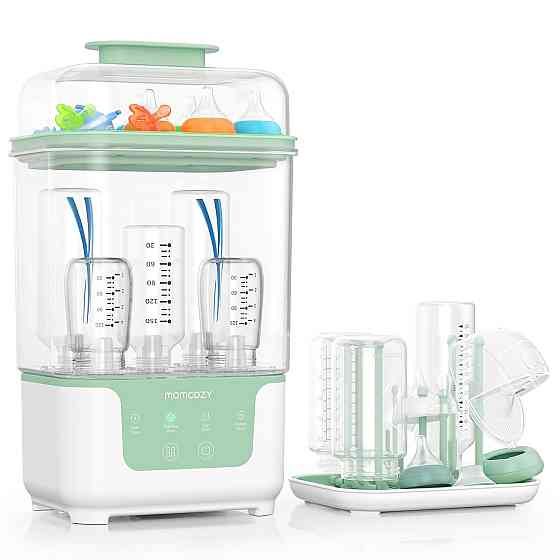
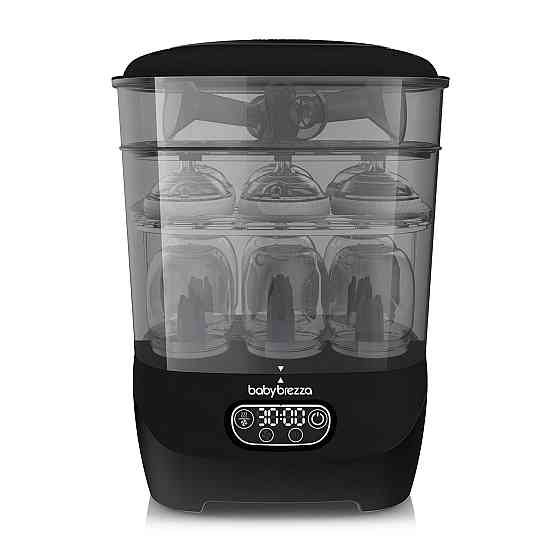
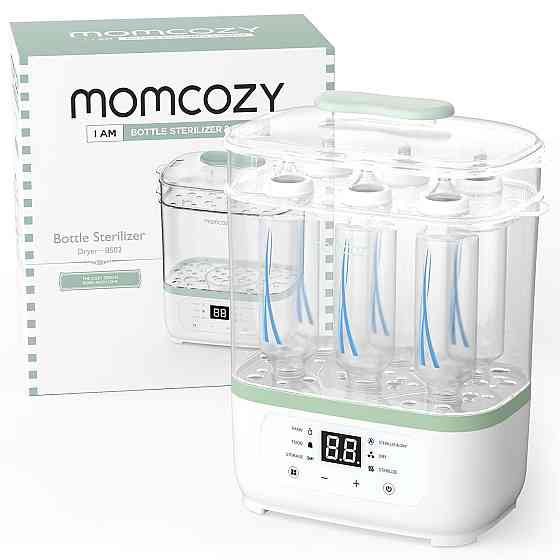
For expressed milk or formula feeding, register for a modest number of appropriately sized bottles, nipples with a suitable flow, a way to wash them thoroughly, and a drying area that does not consume the entire kitchen counter. Follow current preparation, storage, and discard guidance from your pediatric clinician and the product manufacturer. Infants are vulnerable to infection and fluid-preparation errors, so cleaning and preparation procedures matter more than specialized bottle gadgets.
A small feeding caddy can consolidate burp cloths, feeding supplies, and a water bottle for the caregiver, but it should not become a permanent clutter zone. Keep hot liquids, cords, and cleaning chemicals away from the infant. If your baby has poor weight gain, persistent vomiting, coughing or color change during feeds, dehydration concerns, or difficulty coordinating sucking and swallowing, contact a healthcare professional promptly rather than trying to solve the problem through registry purchases.
Simplify Diapering and Hygiene
Diapering does not require a dedicated room or a large changing table. A washable changing pad placed on a stable, low-risk surface can work if an adult maintains continuous hands-on supervision and keeps supplies within reach. Never leave an infant unattended on an elevated surface, even for a moment. A floor-level setup can reduce fall risk, provided the area is clean, warm enough, and free of small objects, cords, and household chemicals.
Register for a limited supply of diapers in more than one size, fragrance-free wipes or the materials recommended by your clinician, barrier ointment, washable cloths, and a disposal method that fits your ventilation and waste routine. Newborn sizing can be brief, and some babies need a different fit because of anatomy, stool frequency, or skin sensitivity. Buying small quantities initially can prevent waste and makes it easier to identify irritation or leakage patterns with professional guidance.
For bathing, a simple infant tub or basin may be sufficient. Never leave a baby alone near water, including in a bath, sink, or shallow container. Bath seats do not replace supervision. Towels, a small amount of gentle cleanser, and nail-care supplies are usually more practical than a large grooming kit. Keep medicines, creams, alcohol-based products, and cleaning agents secured and separate from routine diapering supplies.
Choose Transport Equipment Carefully
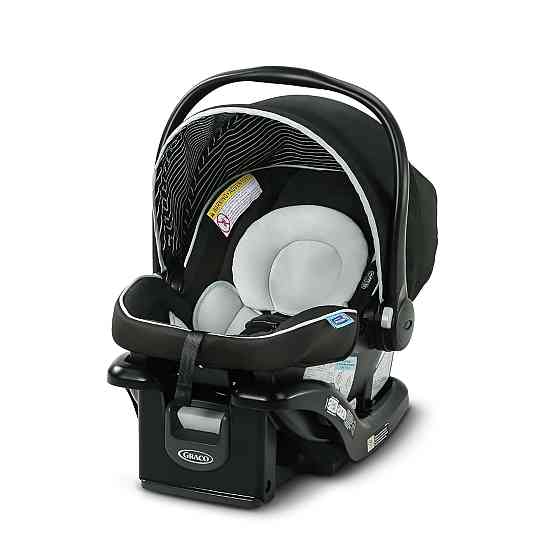
Transport purchases can consume more space than almost any other registry category, so distinguish required equipment from optional convenience. If your baby will travel by car, obtain a rear-facing infant car seat that is appropriate for the baby’s size and compatible with your vehicle. Follow the seat and vehicle manuals for installation, harness positioning, expiration, and replacement after a crash. Arrange an inspection through a qualified child-passenger-safety technician when available. Do not add aftermarket inserts or accessories unless they are supplied or explicitly approved by the manufacturer.
A stroller should match your actual environment. Consider elevator access, stairs, sidewalk quality, storage space, public transportation, and whether you will carry the stroller frequently. A compact model may be useful, but its recline, harness, newborn compatibility, and weight limits require close review. A baby carrier can provide a space-saving alternative for some caregivers, yet fit and airway positioning are critical. The infant’s face must remain visible, the chin should not be pressed to the chest, and the manufacturer’s instructions should be followed.
Do not treat car seats, strollers, or carriers as unsupervised sleep equipment. When the baby arrives, confirm that transport products are correctly adjusted for the infant’s size. Clinical advice may be particularly important for premature or medically fragile infants.
Stock a Focused Health and Recovery Area
A small, clearly labeled health kit can be more useful than a large collection of over-the-counter products. Consider a digital thermometer designed for the age group, a nasal saline product and suction method discussed with your clinician, sterile or clean gauze as appropriate, hand sanitizer for situations when soap and water are unavailable, and a written list of healthcare contacts. Include supplies for the recovering parent, such as prescribed medications, water, easy-to-reach snacks, and postpartum hygiene products recommended by the maternity care team.
A thermometer is a measurement tool, not a diagnostic system. Temperature interpretation depends on age, measurement site, device, and clinical context. Do not give an infant medication, herbal preparation, or supplement unless a qualified healthcare professional has provided age- and weight-appropriate instructions. Keep all medications in child-resistant storage and avoid building a registry around treatment products for conditions that have not been assessed.
Store the kit where an adult can reach it quickly but where children cannot. A compact drawer organizer or lidded container can prevent supplies from spreading through the home. Keep vaccination records, discharge instructions, feeding notes, and emergency contacts together. Knowing how to access care is a registry priority: identify the baby’s primary clinician, after-hours service, local emergency department, and available lactation or postpartum support before delivery.
Use Storage and Timing to Control Clutter
Small homes benefit from an inventory system. Assign each category a defined container or shelf, and use labels that another caregiver can understand during a tired night. Store the most frequently used items at waist-to-shoulder height, reserve high storage for occasional supplies, and avoid placing heavy equipment where it can fall. A rolling cart can be useful when it has a stable base and does not obstruct exits, but it should not carry hot liquids, sharp objects, or unsecured medicines.
Register for washable, interchangeable textiles in a few coordinated sizes rather than excess clothing. Babies often outgrow garments quickly, and laundry frequency varies. Borrowing, renting, or buying secondhand can conserve space, but safety-critical products require careful evaluation. Avoid items with unknown damage history, missing instructions, recalled components, expired limits, or uncertain cleaning history. Check current recalls through the relevant manufacturer or government safety authority.
Use a staged registry. Before birth, obtain items needed for safe sleep, feeding, diapering, transport, and immediate health access. After several weeks, reassess what is genuinely missing. Development changes the equipment landscape quickly: rolling, sitting, crawling, and increased reach require new safety decisions. A periodic developmental home safety scan can be more valuable than adding another container of supplies.
Safety Reminders
- Keep the infant's sleep surface firm, flat, separate, and free of loose objects.
- Never leave a baby unattended on a changing surface or near water.
- Use rear-facing transport equipment according to the manufacturer and vehicle instructions.
- Do not use infant medications, supplements, or home remedies without professional guidance.
- Secure medicines, cleaning products, cords, furniture, and other hazards as mobility develops.
Tools & Assistance
- A room-by-room measuring tape and storage inventory
- A staged registry with essential, later, and optional categories
- A local child-passenger-safety seat inspection service
- Your pediatric clinician, maternity care team, or lactation professional
- A current product-recall and manufacturer-instruction check
FAQ
Do I need a nursery for a newborn?
No. A separate nursery is not required for safe care. A room-sharing arrangement with the baby on a separate, firm, flat sleep surface can conserve space while supporting safe-sleep practices.
What bulky baby items can usually wait?
Large swings, specialized sleep products, extra feeding equipment, extensive toy collections, and duplicate furniture can often wait until you understand your baby's preferences and your household's routines. Transport equipment and a safe sleep surface should be addressed earlier.
Is a changing table necessary in a small home?
No. A stable, washable changing pad and organized supplies may be enough. Elevated changing requires continuous hands-on supervision because falls can occur quickly.
How many diapers and clothes should I register for?
Start with a practical amount in a few sizes rather than buying a large stockpile. Babies vary in size and growth rate, and laundering access, fit, and skin tolerance can change your needs.
When should I ask a clinician about registry-related concerns?
Ask before using products for sleep, feeding, positioning, or medical care when instructions are unclear or your baby has special health needs. Seek prompt medical advice for feeding difficulty, breathing or color changes, dehydration concerns, or other urgent symptoms.
Sources
- Nationwide Children's Hospital — Baby Registry Series: The Basics
- Babylist — How to Create a Baby Registry From Start to Finish
- Healthline — The Ultimate Baby Registry Checklist
Disclaimer
This article provides general educational information and does not diagnose, treat, or replace advice from a qualified healthcare professional. Consult your pediatric clinician or maternity care team for guidance specific to your baby and family.














Please log in to leave a comment.