
Intro
Traveling with an infant can feel like preparing for a small clinical expedition: feeding supplies, sleep logistics, infection prevention, transport safety, and the unpredictable physiology of a very young baby all matter. It is also completely normal to feel anxious, even if you are an experienced traveler.
The goal is not to make the trip perfect. The goal is to keep your baby safe, fed, rested enough, and monitored for signs that they need a quieter environment or medical attention. With planning and flexibility, many families travel successfully with infants by air, car, train, or local transit.
Highlights
Most healthy, full-term infants can travel safely, but very young, premature, or medically complex babies need individualized guidance from a pediatric clinician.
Expect feeding, sleep, and diaper routines to shift; building in extra time and supplies reduces stress for everyone.
A properly used child restraint, careful hand hygiene, safe formula preparation, sun protection, and insect precautions are central safety measures.
Air travel may cause ear pressure discomfort during takeoff and landing; sucking through feeding or a pacifier can help equalize pressure.
Seek medical advice before travel to higher-risk destinations, international trips, or travel involving extreme heat, altitude, infectious exposures, or limited medical access.
Start with your baby’s age, health, and destination
The first thing to expect traveling with infant is that the plan depends less on the calendar and more on the baby’s physiology. Many healthy, full-term infants can fly after the first few weeks of life, but newborns have immature immune systems, narrower airways, less physiologic reserve, and feeding patterns that can change rapidly. Premature infants, babies with bronchopulmonary dysplasia, congenital heart disease, recent respiratory illness, anemia, or oxygen needs may require medical review before flying or traveling far from care.
Before a longer trip, especially international travel, ask your pediatrician whether your infant is old enough and medically stable for the itinerary. This is not about getting a generic permission slip; it is about risk stratification. The clinician may review gestational age at birth, weight gain trajectory, vaccination status, feeding tolerance, medication needs, and access to medical care at the destination.
Destination matters. Travel to areas with unsafe water, malaria risk, diarrheal illness, extreme heat, high altitude, or limited emergency services requires more preparation. Infants under 6 months are particularly vulnerable because they may be too young for certain vaccines or chemoprophylaxis options, and dehydration can develop quickly. If your trip is optional and your baby is very young or recovering from illness, postponing may be the safest and kindest option.
Air travel: what the flight may actually feel like
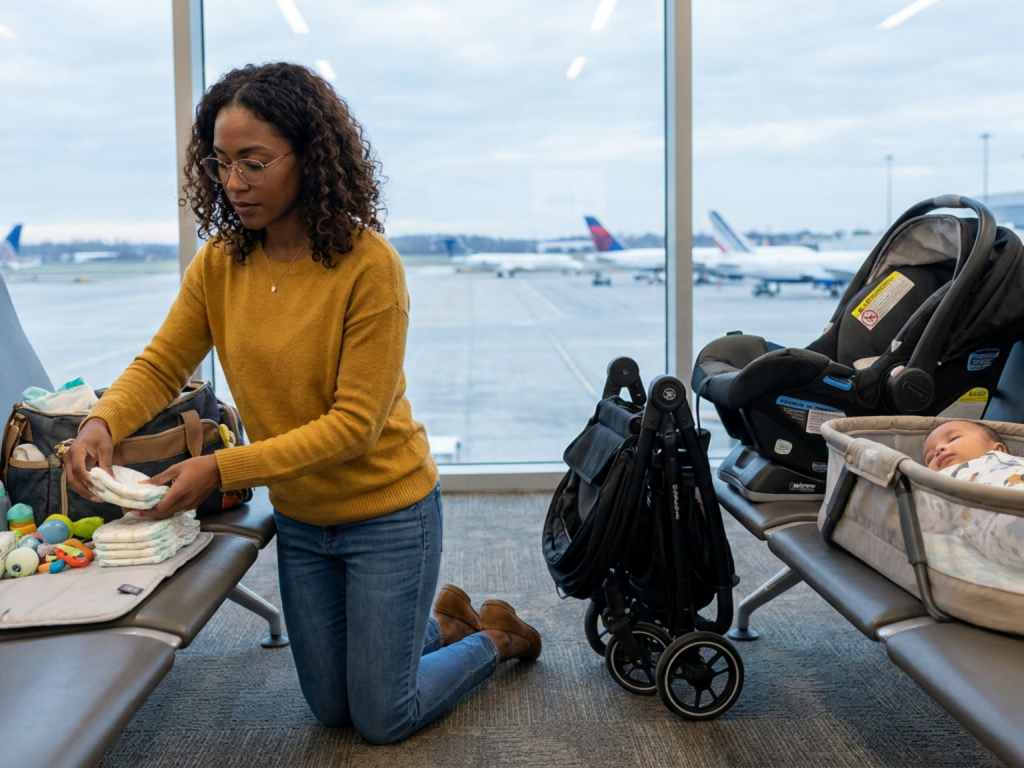
Air travel is usually safe for most healthy infants, but the logistics can feel intense. Expect the airport to take longer than it did before: security screening, stroller or car seat handling, feeding breaks, diaper changes, and soothing time all add friction. A calm schedule with a longer connection is often safer than a tightly planned itinerary.
During takeoff and landing, cabin pressure changes can cause middle-ear discomfort because an infant’s eustachian tubes are small and not easily opened on command. Feeding at the breast or bottle, or offering a pacifier, may help because sucking and swallowing can equalize pressure. You do not need to wake a comfortably sleeping baby solely for ear pressure, but if the baby is awake and fussy during ascent or descent, sucking may be useful.
If possible, consider purchasing a separate seat and using an FAA-approved child restraint rather than holding the infant on your lap. A caregiver’s arms are not a safety restraint during severe turbulence or emergency braking on the runway. Dress the baby in layers because aircraft cabins can shift from warm boarding conditions to cool cruising temperatures. Change the diaper shortly before boarding, pack extra clothing for the baby and caregiver, and keep essential medications, formula, breast milk, diapers, and documents in the cabin rather than checked baggage.
On board, expect normal infant behavior: crying, cluster feeding, wakefulness, overstimulation, or a large diaper at an inconvenient moment. None of this means you are failing. It means your baby is adapting to noise, light, pressure changes, and disrupted cues.
Car travel and safe transport for infants
For road trips, car seat safety for babies is non-negotiable. Infants should ride in a properly installed, rear-facing car seat appropriate for their height and weight, ideally in the back seat. The harness should be snug, with the chest clip positioned according to the seat manufacturer’s instructions. Avoid bulky coats or thick padding under the harness because compression in a crash can create dangerous slack.
Expect frequent stops. Young infants need feeding, diaper changes, and opportunities to come out of the semi-reclined position under supervision. Long periods in a car seat can contribute to positional discomfort and, in some babies, airway positioning concerns. A practical rhythm is to plan breaks every few hours, or sooner if the baby is distressed, has reflux concerns, needs feeding, or has had a diaper blowout.
Never place an infant car seat on a raised surface such as a table, airport bench, or hotel bed. If the baby falls asleep in the car seat during travel, move them to a firm, flat sleep surface when you arrive and can do so safely. Also be cautious with rideshares and rental cars: bring your own seat if possible, or confirm that any provided seat is age-appropriate, not expired, not recalled, and has an unknown crash history only if you accept that uncertainty.
Heat risk deserves special attention. Cars can warm rapidly even in mild weather. Never leave an infant unattended in a vehicle, and build a routine such as placing a necessary item in the back seat to reinforce checking before leaving the car.
Feeding, hydration, and diaper expectations
Feeding often changes during travel. Breastfed infants may nurse more often for comfort, hydration, or regulation. Bottle-fed infants may take smaller or less predictable volumes. If your baby is eating well overall, making wet diapers, and behaving normally, some temporary variation can be expected. However, dehydration is more urgent in infants than in older children because their fluid reserves are limited.
If you use formula, safe preparation is critical. Use water that is safe for drinking, wash hands before mixing, and keep bottles and nipples clean. In higher-risk settings, ask a clinician before travel how to prepare formula safely and whether ready-to-feed formula is preferable. Do not dilute formula to stretch supplies; incorrect concentration can disturb sodium balance and caloric intake. If breastfeeding, consider how you will manage pumping, milk storage, and privacy or sanitation while in transit.
Pack more than you think you need: diapers, wipes, barrier cream, feeding supplies, burp cloths, plastic bags for soiled items, and a change of clothes for both baby and caregiver. Travel delays are common, and a missed bag can become a medical and practical problem if all feeding supplies are checked.
Monitor diaper output. Fewer wet diapers than usual, very dark urine, a dry mouth, lethargy, poor feeding, persistent vomiting, or fever in a young infant should prompt medical guidance. If traveling internationally or to a remote area, identify ahead of time where urgent pediatric care is available.
Sleep, overstimulation, and Adjusting care routines while traveling
Sleep may be the first routine to unravel. Infants rely on familiar rhythms: light exposure, feeding cues, caregiver scent, swaddling or sleep clothing routines, and predictable settling patterns. Travel changes all of these. Expect shorter naps, contact naps, more night waking, or a baby who seems both exhausted and unable to settle.
Safe sleep during travel should remain consistent: place the baby on their back on a firm, flat sleep surface without loose blankets, pillows, soft bedding, or stuffed items. Hotel cribs, portable cribs, and bassinets should be checked for stability and appropriate assembly. A car seat, stroller, swing, or carrier is not a routine sleep surface once you are no longer actively traveling or supervising movement.
A simple baby travel care plan can help. Write down usual feeding times, medications if any, sleep cues, and emergency contacts. If crossing time zones, use light exposure, feeds, and wake windows gently rather than forcing an abrupt schedule. Some babies adapt quickly; others need several days. The goal is not immediate sleep perfection, but a gradual return to predictable care.
Overstimulation is common in airports, family gatherings, and crowded destinations. Signs can include gaze aversion, hiccups, arching, frantic rooting, crying, finger splaying, or difficulty feeding. A quiet corner, skin-to-skin contact when appropriate, dimmer light, and a slower pace often help the infant regulate.
Infection prevention, sun, insects, and environmental safety
Infants explore the world through close contact with caregivers, surfaces, and feeding equipment, so prevention is practical rather than perfect. Hand hygiene is one of the most effective tools: wash with soap and water when available, and use alcohol-based sanitizer when appropriate for adult hands, allowing hands to dry before touching the baby or feeding supplies. Limit close contact with people who have fever, cough, vomiting, diarrhea, or other infectious symptoms.
Food and water precautions are especially important in higher-risk destinations. Use safe water for drinking, formula preparation, and washing feeding equipment. Be cautious with ice, unpasteurized dairy, and foods that may have been washed in unsafe water if your infant is developmentally ready for solids. For babies too young for many vaccines, caregiver vaccination and avoidance of exposure become part of the protective strategy.
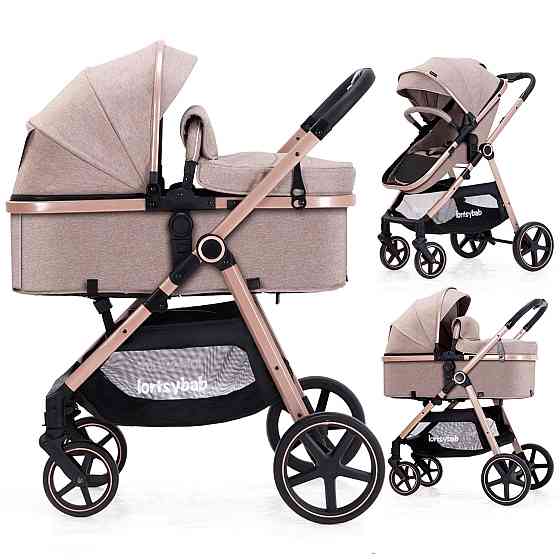
Sun protection requires extra care. Young infants should generally be kept out of direct sun with shade, stroller canopies, breathable clothing, and wide-brimmed hats. Avoid overheating by checking the baby’s neck, chest, and behavior rather than only hands or feet, which can feel cool even when core temperature is adequate. Never cover a stroller with a heavy blanket that traps heat and reduces airflow.
Insect bite prevention may be medically important in areas with mosquito-borne diseases. Use physical barriers such as screens, bed nets, and protective clothing. Ask a pediatric clinician or travel medicine specialist about age-appropriate repellents and destination-specific risks. If fever develops during or after travel to an area with malaria, dengue, or other vector-borne infections, seek medical care promptly and mention the travel history.
Planning documents, supplies, and when to call the pediatrician
A pediatrician appointment checklist before travel can make the visit efficient. Bring immunization records for babies, medication names and doses, feeding concerns, destination details, flight duration, lodging plans, and questions about fever management. The clinician may advise whether routine vaccines are current, whether accelerated schedules are relevant, and what symptoms require urgent evaluation.
Expect administrative details: passports for international travel, airline age policies, birth certificate requests for lap infants, car seat approval labels, and rules for carrying breast milk, formula, or medical liquids. Keep critical documents in a carry-on or personal bag. If your infant uses medication or medical devices, pack extras and divide supplies between bags when possible.
Call your baby’s clinician before travel if the infant has fever, worsening cough, poor feeding, repeated vomiting, diarrhea, fewer wet diapers, unusual sleepiness, breathing difficulty, or recent exposure to significant infection. During travel, seek urgent care for fever in a very young infant, signs of respiratory distress such as retractions or cyanosis, dehydration, seizure, persistent inconsolable crying, or any caregiver concern that the baby seems seriously unwell.
Perhaps the most helpful expectation is emotional: travel with an infant is slower, less predictable, and more caregiving-intensive than adult travel. Build in buffers, accept help from safe and trusted people, and give yourself permission to simplify the itinerary. A successful trip may look like fewer activities and more responsive care.
Get medical advice urgently if you notice
- Fever in a newborn or very young infant, or any fever with concerning behavior.
- Labored breathing, bluish color, pauses in breathing, or chest retractions.
- Poor feeding, persistent vomiting, markedly fewer wet diapers, or signs of dehydration.
- Extreme sleepiness, limpness, seizure, or a baby who is difficult to wake.
- Illness after travel to an area with malaria, dengue, unsafe water, or limited sanitation.
Tools & Assistance
- Schedule a pre-travel pediatric visit or travel medicine consultation.
- Use a certified child passenger safety technician to check car seat installation.
- Create a written feeding, diaper, medication, and emergency contact log.
- Pack a carry-on infant care kit with extra formula or milk, diapers, clothing, and medications.
- Identify pediatric urgent care options near your destination before departure.
FAQ
Is it safe to fly with a newborn?
Air travel is generally safe for many healthy, full-term infants after the first few weeks, but premature infants or babies with heart, lung, or recent infectious concerns need individualized medical advice.
How can I help my baby’s ears during takeoff and landing?
Feeding, nursing, bottle-feeding, or offering a pacifier can encourage swallowing, which may help equalize middle-ear pressure and reduce discomfort.
Should my baby sleep in the car seat after we arrive?
No. Once active travel ends, move the baby to a firm, flat, safe sleep surface when feasible. Car seats are for transport, not routine sleep.
How many extra supplies should I pack?
Pack more than the planned travel time requires, including extra diapers, wipes, clothing, formula or expressed milk supplies, medications, and plastic bags for soiled items.
When should I postpone travel?
Consider postponing if your infant has fever, respiratory distress, poor feeding, dehydration concerns, recent serious illness, or if your clinician advises delay because of age, prematurity, or medical complexity.
Sources
- Centers for Disease Control and Prevention — Traveling Safely with Infants and Children
- Mayo Clinic — Air travel with infant: Is it safe?
- HealthyChildren.org / American Academy of Pediatrics — Flying With Baby: Parent FAQs & Tips for Safer, Easier Air Travel
Disclaimer
This article is for informational purposes only and does not replace medical advice. Consult your pediatrician or a qualified healthcare professional for guidance specific to your infant.










Please log in to leave a comment.