

Intro
Choosing sleep products for a baby can feel surprisingly stressful, especially when marketing language promises longer sleep, better soothing, or relief from reflux. It is completely understandable to want tools that make nights calmer. The safest approach, however, is to choose products based on current infant sleep safety guidance rather than comfort claims or trends.
This article explains which products are intended for infant sleep, which features matter, and which items should stay out of the sleep space. It is written for medically literate caregivers who want practical, cautious guidance while recognizing that every family’s situation is different.
Highlights
The safest routine sleep space is a safety-approved crib, bassinet, play yard, or bedside sleeper with a firm, flat mattress and a fitted sheet only.
Soft objects, loose bedding, crib bumpers, pillows, and weighted sleep products increase risk and should not be used in an infant sleep area.
Wearable blankets or appropriately used sleep sacks can help keep a baby warm without loose blankets.
Inclined sleepers, loungers, swings, bouncers, and car seats are not safe places for routine infant sleep.
When a baby has medical needs such as prematurity, airway concerns, or feeding problems, product decisions should be discussed with the child’s clinician.
What counts as a safe infant sleep product
A safe infant sleep product is one that is specifically intended for infant sleep and meets current safety standards. In everyday terms, this usually means a crib, bassinet, portable play yard, or bedside sleeper. These products are designed to provide a separate infant sleep surface that is stable, firm, flat, and free from entrapment hazards when used exactly as instructed.
The central principle is simple but powerful: place the baby on their back on a firm, flat infant sleep surface with only a fitted sheet. The sleep space should be bare. That means no pillows, quilts, comforters, stuffed animals, loose blankets, positioners, bumper pads, or soft padding. This guidance is not about making infant sleep look austere; it is about reducing suffocation, entrapment, strangulation, and other sleep-related risks.
Product labels can be confusing. Words such as sleeper, napper, lounger, nest, pod, or soothing seat do not always mean the item is safe for unsupervised or routine sleep. Caregivers should look for products that are explicitly designed and regulated for infant sleep, follow the manufacturer’s assembly instructions, and check for recalls or safety notices. If a product requires extra padding, inserts, wedges, straps, or positioning aids to make sleep possible, it is usually a signal to pause and seek professional guidance.
Cribs, bassinets, play yards, and bedside sleepers
Cribs are a durable option for many families and can be used for a long period when assembled correctly. A safe crib should have a firm mattress that fits snugly, slats that meet safety standards, and no broken, missing, or modified parts. Drop-side cribs and older hand-me-down cribs may not meet current standards, even if they appear sturdy. If using a secondhand crib, verify the model, instructions, hardware, and recall status before use.
Bassinets can be helpful in the early months because they are smaller and often easier to place near the caregiver’s bed. They should still have a flat, firm mattress and a fitted sheet designed for that exact model. Avoid adding aftermarket mattresses or extra padding to make the bassinet feel softer. A baby’s airway anatomy, limited head control, and immature arousal responses make soft sleep surfaces more hazardous than they may appear to adults.
Portable play yards are useful for travel or shared caregiving arrangements. Use only the mattress or floor pad supplied by the manufacturer, with a sheet made for that product if a sheet is used. Adding a thicker mattress can create dangerous gaps along the edges. Bedside sleepers may support room-sharing without bed-sharing when they meet safety standards and are used exactly as directed. The attachment mechanism, height alignment, and sidewall configuration matter, so careful assembly is essential.
Mattresses, sheets, and the bare sleep space
The mattress should be firm enough that it does not conform deeply to the baby’s face or head. A fitted sheet should be snug and made for the specific mattress dimensions. Loose or oversized sheets can bunch, lift, or wrap around a baby. Waterproof mattress covers should also fit tightly and should not create a padded, quilted, or slippery surface.
A bare sleep space can feel emotionally difficult, especially when families receive beautiful blankets, decorative pillows, or crib accessories as gifts. Still, crib bumpers and soft bedding are not recommended. Traditional padded bumpers, mesh bumpers, loose quilts, sheepskins, nursing pillows, and plush toys can obstruct breathing or contribute to entrapment. Decorative items can be enjoyed elsewhere in the nursery, but they should not be placed where the baby sleeps.
It is also important to avoid sleep positioners, wedges, and inclined inserts. Some products are marketed for reflux, congestion, or plagiocephaly prevention, but elevating or positioning a sleeping infant can lead to sliding, chin-to-chest flexion, airway compromise, or rolling into a hazardous position. If a baby has frequent regurgitation, breathing concerns, poor weight gain, or suspected gastroesophageal reflux disease, the safer step is to consult a pediatric clinician rather than modifying the sleep surface.
Wearable blankets, sleep sacks, and swaddles
Wearable blankets and sleep sacks can be useful because they provide warmth without loose blankets. A well-fitting wearable blanket leaves the baby’s face and airway uncovered, allows hip and leg movement, and is sized to reduce the chance of fabric riding up over the mouth or nose. Choose the thickness based on room temperature and the baby’s clothing underneath, while watching for overheating during infant sleep.
Swaddling is a technique, not a requirement, and it must be used cautiously. If caregivers swaddle, the wrap should be snug around the chest but not tight, allow hip flexion and abduction, and never cover the head. Swaddling should stop as soon as the baby shows signs of trying to roll, because a swaddled baby who rolls may have difficulty repositioning. Some families find that a sleep sack without arm restriction is a good transition.
Weighted swaddles, weighted sleep sacks, and other weighted sleep products are not considered safe for infants. Added weight may affect chest wall movement, arousal, or an infant’s ability to reposition. Products that claim to mimic a caregiver’s hand or improve sleep duration should be evaluated with particular caution. Longer sleep is not necessarily safer sleep if the product changes the baby’s breathing mechanics or sleep environment.
Products that are not safe for routine sleep
Many baby products are useful while the baby is awake and supervised but are not safe sleep products. This includes swings, bouncers, loungers, infant seats, nursing pillows, nests, and similar soft or inclined devices. If a baby falls asleep in one of these products, move the baby to a crib, bassinet, play yard, or bedside sleeper as soon as practical and safe.
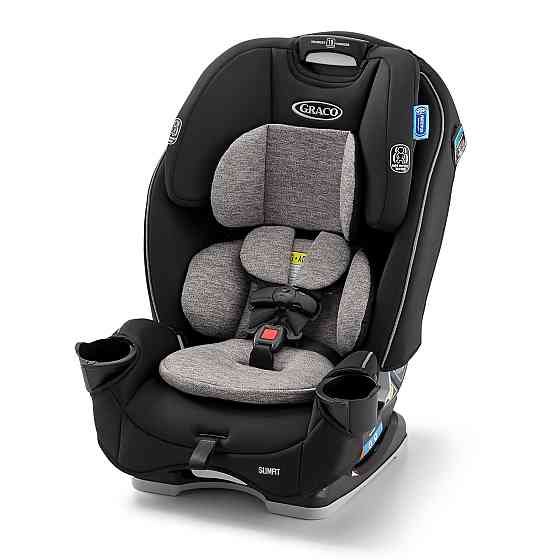
Car seats are essential for vehicle travel, but they are not designed for routine sleep outside the car. The semi-upright position can contribute to head flexion, and improper placement of the seat on a soft or elevated surface can create additional hazards. The same caution applies to stroller seats unless the stroller includes a sleep-approved bassinet attachment used according to instructions.
Inclined sleepers deserve special attention. A product that holds a baby at an angle may look helpful for reflux or congestion, but inclined sleep can increase risk by allowing the baby to roll, slump, or slide into a position that compromises the airway. For routine sleep, flat is safer. If a clinician recommends a specialized medical device for a specific condition, caregivers should clarify exactly when and how it should be used and whether monitoring or follow-up is needed.
How to shop with safety in mind
Shopping for baby sleep products is easier when safety criteria come before aesthetics, convenience, or sleep promises. Start by asking whether the item is specifically intended for infant sleep. Then check whether the mattress is firm and flat, whether the sheet is fitted, whether the product has current instructions, and whether all parts are original and intact. Avoid aftermarket accessories unless they are explicitly approved by the product manufacturer for that model.
Before buying or accepting a secondhand item, search for recalls through official safety channels. Do not use a product with missing hardware, unclear assembly, visible damage, or a history that cannot be verified. If a product has been modified, repaired with non-original parts, or used in a way not described in the manual, it may not perform as tested.
- Choose a crib, bassinet, play yard, or bedside sleeper for routine sleep.
- Use the original firm mattress and a fitted sheet designed for that product.
- Keep the sleep area bare every time, including naps.
- Avoid products that promise safer sleep through incline, restraint, added padding, or weighting.
- Ask your pediatrician before using any sleep product for a baby with medical complexity.
Special situations and caregiver realities
Safe sleep advice can feel hard to follow when caregivers are exhausted, recovering from birth, feeding overnight, or caring for a baby who wakes frequently. The goal is not perfection under impossible conditions; it is to build a plan that makes the safest choice the easiest choice at 3 a.m. Keeping a prepared sleep space beside the caregiver’s bed can reduce the temptation to use a couch, adult bed, or lounger when everyone is tired.
Families with twins or multiples should provide each baby with an individual sleep space rather than placing babies together in one crib or bassinet. Caregivers who rely on relatives, babysitters, or childcare providers should communicate the same safe sleep practices clearly and kindly. Consistency matters because risk can occur during naps as well as overnight sleep.
Some babies have conditions such as prematurity, hypotonia, airway anomalies, cardiorespiratory disease, or feeding and growth concerns. These situations may require individualized medical advice, but they do not make consumer sleep positioners or inclined products automatically safe. If standard safe sleep recommendations seem difficult because of a baby’s symptoms, ask the pediatrician, neonatologist, or another qualified clinician for a written plan.
Safety warnings to take seriously
- Do not use inclined sleepers, loungers, swings, or bouncers for routine infant sleep.
- Keep pillows, loose blankets, stuffed toys, crib bumpers, and soft bedding out of the sleep area.
- Do not use weighted sleep sacks, weighted swaddles, or weighted blankets for infants.
- Stop swaddling when a baby shows signs of rolling or as advised by the pediatrician.
- Consult a healthcare professional before changing sleep positioning for reflux, breathing, prematurity, or other medical concerns.
Tools & Assistance
- Check the product manual and recall status before using any infant sleep item.
- Prepare a bare crib, bassinet, play yard, or bedside sleeper before nighttime feeds.
- Ask your pediatrician to review sleep plans if your baby has medical complexity.
- Share safe sleep instructions with grandparents, babysitters, and childcare providers.
- Use wearable blankets instead of loose blankets when extra warmth is needed.
FAQ
Is a bassinet safer than a crib for a newborn?
Both can be safe when they meet current safety standards and are used correctly. The key is a separate, firm, flat sleep surface with a fitted sheet and no soft items.
Can my baby sleep in a car seat after we come home?
Car seats are for travel. If your baby falls asleep in a car seat outside the car, move them to a flat, approved sleep surface as soon as practical and safe.
Are sleep sacks safe for babies?
Non-weighted sleep sacks or wearable blankets can be a safe alternative to loose blankets when they fit properly and do not cover the face or restrict breathing.
What if my baby seems to sleep better in an inclined product?
Inclined products are not recommended for routine infant sleep. If reflux, congestion, or discomfort is affecting sleep, speak with your baby’s healthcare professional.
Can I add a softer mattress to a play yard?
No. Use only the mattress or pad supplied by the manufacturer. Extra mattresses can create gaps, soft surfaces, or entrapment hazards.
Sources
- U.S. Consumer Product Safety Commission — Safe Sleep – Cribs and Infant Products
- Centers for Disease Control and Prevention — Helping Babies Sleep Safely
- American Academy of Pediatrics — Safe Sleep - AAP
Disclaimer
This article is for informational purposes only and does not replace medical advice. Consult your baby’s healthcare professional for guidance specific to your child.













Please log in to leave a comment.