
Intro
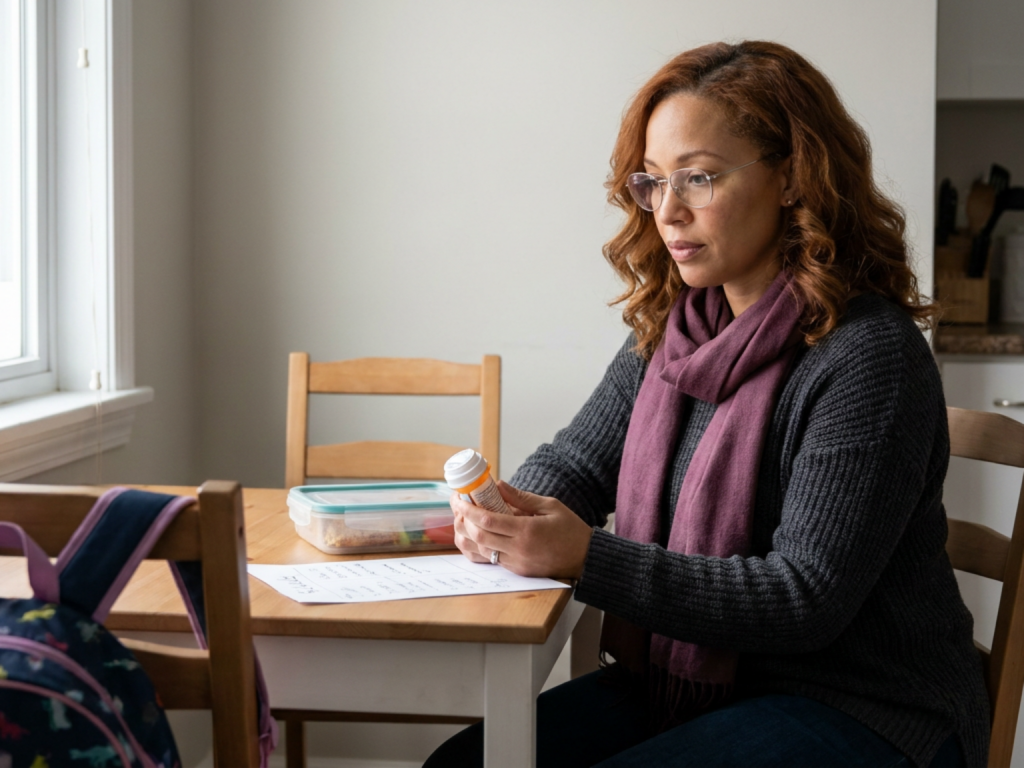
Single parenting can compress an extraordinary amount of responsibility into one nervous system: income, meals, school communication, emotional regulation, medical appointments, household logistics, discipline, bedtime, and often the invisible labor of remembering everything. Feeling overwhelmed in this context is not a character flaw. It is often a predictable psychophysiological response to sustained caregiving demands with too little recovery time.
This article focuses on daily survival strategies for single parents: practical, low-friction steps that can help you get through hard days while protecting your health and your child’s safety. These strategies are not a substitute for medical or mental health care, especially if distress is persistent, severe, or associated with thoughts of self-harm. They are a way to reduce immediate load, stabilize routines, and make it easier to ask for appropriate support.
Highlights
Overwhelm is often a stress-system response, not evidence that you are failing as a parent.
Daily survival works best when it is simple: sleep protection, regular food, reduced decisions, and realistic routines.
A crisis plan for overwhelmed parents should prioritize immediate safety, rapid nervous system regulation, and contacting support.
Single parents benefit from practical support as much as emotional encouragement; specific requests are usually more effective than vague appeals.
Professional help is appropriate when stress becomes persistent, impairing, unsafe, or associated with depressive or anxiety symptoms.
Why single parents can feel overwhelmed so quickly
Overwhelm is not only emotional; it is physiological. When demands exceed available resources, the body activates stress pathways involving the sympathetic nervous system and the hypothalamic-pituitary-adrenal axis. In the short term, this can sharpen alertness. Over time, chronic stress load can contribute to irritability, poor concentration, muscle tension, headaches, gastrointestinal symptoms, sleep disturbance, and emotional reactivity.
Single parents often experience a high allostatic load, meaning the cumulative wear and tear of repeated stress adaptation. Even when love for your child is strong, your brain may still be managing decision fatigue, sensory overload, financial pressure, reduced social support, and fragmented sleep. A parent can be deeply committed and still have a nervous system that is overextended.
It is also important to distinguish ordinary hard days from signs that more help is needed. If you are persistently unable to sleep, eating very little, having panic-like episodes, feeling emotionally numb, using alcohol or substances to cope, or having thoughts of harming yourself or your child, contact a healthcare professional, emergency service, or crisis support immediately. Safety comes before privacy, pride, or productivity.
The first 10 minutes: a safety-first reset
When you feel flooded, the goal is not to become perfectly calm. The goal is to prevent escalation and create enough space to choose the next safe action. A short reset can interrupt the stress response and reduce impulsive reactions.
- Put the child in a safe place. If your child is a baby, place them on their back in a safe sleep space. If your child is older, move them to a safe room or activity while you take a brief pause nearby.
- Lower stimulation. Reduce noise where possible, dim lights, turn off nonessential notifications, and stop multitasking for a few minutes.
- Use physiological downshifting. Try slow exhalations, paced breathing, unclenching your jaw, relaxing your shoulders, or placing both feet on the floor and naming five things you can see.
- Say the next action out loud. For example: “Everyone is safe. I am making toast. Then we are going to bed.” Simple verbal sequencing reduces cognitive overload in parenting.
- Contact one person if you feel unsafe. A text such as “I am overwhelmed and need you to stay on the phone for 10 minutes” is enough.
This kind of reset is not indulgent. It is a micro-intervention for parental nervous system regulation, and it can help protect both you and your child during high-intensity moments.
Build a minimum viable day
On overwhelmed days, the standard is not “good parenting as imagined on a calm weekend.” The standard is safety, food, essential hygiene, connection, and sleep. A minimum viable household plan helps you stop spending energy on perfection.
Consider sorting tasks into three categories: must do today, can wait, and can be simplified. Must-do tasks usually include medication, school pickup, safe supervision, feeding, urgent bills, and sleep. Can-wait tasks may include deep cleaning, perfect lunches, nonurgent emails, or organizing. Simplified tasks might mean cereal for dinner, clean clothes from a basket, or a bath skipped in favor of toothbrushing and bed.
For many single parents, stable routines for single parents are less about strict schedules and more about reducing the number of decisions. A predictable morning checklist, a repeated simple breakfast, a default laundry day, and a short bedtime sequence can decrease mental load. Children often benefit from predictability too, especially when family stress is high.
A helpful rule is: “If tomorrow depends on it, prepare it tonight.” Put shoes, medication, forms, bags, and snacks in one visible place. This does not require an elaborate system. A single basket near the door can prevent a morning crisis.
Protect the body basics: sleep, food, movement, and medical care
The National Institute of Mental Health emphasizes regular meals, sleep, relaxation practices, and reaching out to supportive people as core stress-management behaviors. These may sound basic, but they are biologically powerful. A sleep-deprived, underfed caregiver is more vulnerable to emotional dysregulation, pain sensitivity, and impaired executive function.
- Sleep: Protect the earliest possible bedtime when you can. If sleep is chronically fragmented, discuss it with a clinician, especially if you have insomnia, nightmares, postpartum symptoms, snoring, or severe daytime sleepiness.
- Food: Aim for “good enough” regularity. Protein, complex carbohydrates, and hydration can stabilize energy. Emergency meals, frozen food, and simple sandwiches count.
- Movement: Short movement breaks can reduce muscle tension and stress arousal. Ten minutes of walking, stretching, or stairs may be more realistic than a formal workout.
- Healthcare: Keep your own medical appointments when possible. Untreated anemia, thyroid disease, chronic pain, depression, anxiety, and sleep disorders can all intensify overwhelm.
If you are postpartum, grieving, navigating separation, or recovering from trauma, your threshold for overload may be lower for understandable medical and psychological reasons. Screening for depression, anxiety, post-traumatic stress symptoms, and substance use concerns can be protective, not punitive.
Ask for practical support in specific, low-friction ways
Many people say, “Let me know if you need anything,” but overwhelmed parents often do not have the executive bandwidth to translate distress into a task list. Specific requests are easier for others to answer and easier for you to send.
Try requests such as: “Can you pick up milk and fruit today?” “Can my child come over for one hour after school?” “Can you sit with the kids while I make two phone calls?” “Can you help me fill out this form?” “Can you take the 7 p.m. emotional support phone call slot this week?”
Practical support for isolated parents may come from friends, relatives, neighbors, school staff, community centers, faith communities, parent groups, social workers, or local family support programs. If you have no reliable informal support, ask your child’s school, pediatric clinic, primary care office, or community health center about resources. Some areas have respite care, food assistance, transportation support, legal aid, or parenting programs.
Support does not have to be intimate to be useful. A neighbor who can receive a package, a school counselor who can help with communication, or another parent who can share carpooling once a week can reduce cumulative strain.
Use boundaries to reduce daily overload
Boundaries are not only interpersonal; they are metabolic and cognitive. Every extra obligation consumes time, attention, and stress capacity. A single parent may need boundaries around work availability, family expectations, volunteering, social media, conflict with a co-parent, and the amount of emotional labor offered to other adults.
Useful boundary scripts are short: “I can’t take that on this week.” “I’m available by text, not phone, after 8 p.m.” “I need 24 hours’ notice for schedule changes.” “I’m not discussing this in front of the child.” “I can help for 15 minutes, not the whole evening.”
Children also benefit from compassionate limits. You can validate feelings without granting every request: “I hear that you are upset. The answer is still no.” “You can be angry, and I will keep everyone safe.” Limits reduce chaos, and reduced chaos lowers the stress load for the whole household.
Repair, connection, and the guilt spiral
Overwhelmed parents often feel intense guilt after snapping, withdrawing, or relying on screens and convenience food. Guilt can be useful if it points toward repair, but toxic shame tends to drain the energy needed to change anything.
Repair does not require a dramatic speech. It can sound like: “I yelled earlier. That was scary, and I’m sorry. I’m working on taking a pause when I’m overwhelmed.” This teaches accountability and emotional literacy. It also helps children understand that conflict can be followed by reconnection.
Daily connection can be brief. Five minutes of child-led play, a bedtime phrase, a hand squeeze before school, or eating one simple meal together may be enough to remind both of you that the relationship is bigger than the hard moment. Single-parent family support begins with the idea that a family does not need to look traditional to be stable, loving, and resilient.
When professional help is the survival strategy
Sometimes daily strategies are not enough, and that is not failure. Professional help for parenting stress can include a primary care clinician, pediatrician, therapist, psychiatrist, social worker, community nurse, or crisis service. A clinician can help assess whether anxiety, depression, trauma-related symptoms, sleep disorders, substance use, medical illness, or medication effects are contributing to overwhelm.
Consider seeking help if stress persists for weeks, interferes with work or caregiving, leads to frequent rage or panic, causes significant sleep or appetite disruption, or makes you feel detached from your child. Seek urgent help if you have thoughts of self-harm, thoughts of harming someone else, fear you may lose control, hallucinations, severe confusion, or inability to care for basic needs.
You deserve care that is practical and nonjudgmental. If one professional dismisses your concerns, it is reasonable to seek another opinion or ask directly for screening, referrals, or community resources.
Seek urgent support if safety is at risk
- Call emergency services or a crisis line if you may harm yourself, your child, or someone else.
- Never shake a baby; place the baby safely on their back in a crib and step away briefly if you are overwhelmed.
- Contact a healthcare professional if stress is persistent, worsening, or impairing daily functioning.
- Seek medical advice for severe insomnia, panic-like episodes, substance use escalation, or depressive symptoms.
- If domestic violence, coercive control, or stalking is present, use a safe device and contact specialized support.
Tools & Assistance
- Create a one-page emergency plan with safe contacts, local crisis numbers, pediatrician details, and school contacts.
- Keep a default meal list of five low-effort foods your household can reliably eat.
- Prepare a door basket for keys, forms, medication, chargers, and school items.
- Ask a clinic, school counselor, or community center about respite care, food assistance, and family support programs.
- Use a 10-minute reset: safe child placement, lower stimulation, slow exhale breathing, and one support text.
FAQ
Is it normal to feel overwhelmed as a single parent?
Yes. Single parenting often involves sustained responsibility with limited recovery time. Feeling overwhelmed can be a stress response, but persistent or severe distress deserves professional support.
What should I do first when I feel like I cannot cope?
Prioritize safety. Put your child in a safe place, reduce stimulation, slow your breathing, and contact a trusted person or crisis service if you feel at risk of losing control.
How can I manage when I have no support network?
Start with institutions as well as individuals: your child’s school, pediatric clinic, primary care office, community health center, local parent programs, and social services may know practical resources.
When should I talk to a healthcare professional?
Seek help if stress is ongoing, affects sleep or appetite, causes frequent panic or rage, worsens substance use, or leads to hopelessness, numbness, or safety concerns.
Can small routines really help?
Yes. Small routines reduce decision fatigue and cognitive overload. A repeated breakfast, bedtime sequence, and door basket can make daily life more predictable.
Sources
- HelpGuide.org — Surviving Tough Times by Building Resilience
- National Institute of Mental Health — I'm So Stressed Out! Fact Sheet
- Mental Health First Aid — 5 Ways To Cope When You're Feeling Overwhelmed
Disclaimer
This article is for informational purposes only and does not diagnose, treat, or replace medical or mental health care. If you have urgent safety concerns or severe symptoms, contact emergency services or a qualified healthcare professional.















Please log in to leave a comment.