
Intro
Weather can affect babies faster than many adults expect. Infants have immature thermoregulation, a higher surface-area-to-body-mass ratio, limited ability to move away from heat or cold, and complete dependence on caregivers for clothing, fluids, shade, and shelter. A warm room, a cold stroller ride, or a short car stop can become unsafe if a baby cannot dissipate heat or maintain body temperature.
This guide offers practical, medically cautious advice for protecting infants in hot, cold, windy, and rapidly changing weather. It is not meant to replace individualized pediatric care, especially for newborns, preterm infants, babies with chronic medical conditions, or any baby who seems unwell.
Highlights
Infants can overheat or become chilled more quickly than adults because their temperature regulation is still developing.
Heat safety centers on shade, light clothing, indoor cooling, safe sleep, hydration guidance from a clinician, and never leaving a baby in a parked vehicle.
Cold safety centers on thin layers, dry clothing, wind protection, safe car-seat use, and watching for early signs of hypothermia or frostbite.
Safe sleep rules still apply in all seasons: avoid loose blankets, heavy bedding, and overheating during infant sleep.
Seek medical advice promptly if a baby has signs of dehydration, heat illness, hypothermia, frostbite, breathing difficulty, unusual sleepiness, or poor feeding.
Why infants are vulnerable to weather extremes
Babies are not simply small adults. Their skin is thinner, their sweat response is less efficient, and their nervous system is still learning to coordinate temperature control. They also cannot reliably communicate thirst, remove a blanket, ask to go indoors, or reposition themselves away from direct sun or cold wind.
Newborns and young infants are especially vulnerable. Preterm infants, babies with cardiac or respiratory disease, infants recovering from illness, and babies taking certain medications may have even less physiologic reserve. In practical terms, this means caregivers need to anticipate risk rather than wait for obvious distress.
A useful principle is to check the baby, not just the weather app. Temperature, humidity, wind chill, sun exposure, clothing, stroller covers, car-seat positioning, room ventilation, and the baby’s feeding pattern all matter. A shaded 30°C day with airflow may feel very different from the same temperature in a stagnant room or a covered stroller.
Hot weather: preventing overheating and dehydration
Heat illness can develop when a baby’s body cannot release heat effectively. High humidity is particularly challenging because sweating and evaporative cooling become less efficient. Infants may also take in less milk when they are too hot or lethargic, which can worsen dehydration risk.
In hot weather, keep babies in the shade, use lightweight breathable clothing, and avoid overdressing. A wide-brimmed hat can help shade the face and neck when outdoors, but remove extra layers if the baby seems warm. Use air conditioning or fans to cool the room, while avoiding direct strong airflow onto the baby for prolonged periods. If the home remains very hot, consider spending time in a cooler public space or with a trusted person who has a cooler indoor environment.
- Offer breast milk or formula as usual, and ask a healthcare professional before giving extra water to young infants.
- Plan walks for early morning or evening when heat and ultraviolet exposure are lower.
- Use shade from trees, building overhangs, or stroller canopies, but avoid fully covering a stroller with a blanket because heat can build up quickly.
- Check the baby’s chest, back of neck, and overall behavior rather than relying only on hands or feet, which may feel cool even when the core is warm.
Signs that a baby may be too hot or dehydrated include fewer wet diapers, very dark urine, dry mouth, poor feeding, unusual sleepiness, irritability, flushed skin, fast breathing, or a feverish feel. These signs are not specific to heat and can also occur with infection or other illness, so it is safest to contact a pediatric clinician for guidance.
Sun safety and outdoor timing
Infant skin is highly sensitive to ultraviolet radiation. Shade, clothing, and timing are the first-line strategies. Lightweight long sleeves, long pants, and a brimmed hat can reduce sun exposure without relying solely on sunscreen. For babies under 6 months, many pediatric sources recommend prioritizing shade and protective clothing; if unavoidable small areas are exposed, ask your clinician about appropriate sunscreen use for your baby’s age and skin needs.
Outdoor heat risk rises when direct sunlight combines with pavement, car interiors, sand, or enclosed stroller spaces. Touch surfaces before placing a baby down, including stroller buckles, car-seat hardware, and playground mats. Metal and dark plastic can become hot enough to burn delicate skin.
Pay attention to air quality alerts, wildfire smoke, and high pollen or pollution days. Babies breathe faster than adults and may be more affected by irritants. If the air quality is poor, keep windows closed when advised, use filtered indoor air if available, and discuss respiratory symptoms such as wheeze, persistent cough, or labored breathing with a healthcare professional.
Cars, travel, and stroller safety in heat
A parked vehicle can become dangerously hot within minutes, even when the outside temperature does not feel extreme and even if a window is cracked. Never leave an infant alone in a vehicle, not for a quick errand or while the baby is sleeping. Build habits that reduce the risk of accidental hot-car entrapment, such as placing a needed item in the back seat, confirming childcare drop-off, and checking the back seat every time you leave the car.
Car seats also require special attention. Keep the car cool before travel when possible, check buckles and straps for heat, and avoid adding aftermarket cooling pads or inserts unless they are approved by the car-seat manufacturer. Bulky products can interfere with restraint fit, just as winter coats can in cold weather.
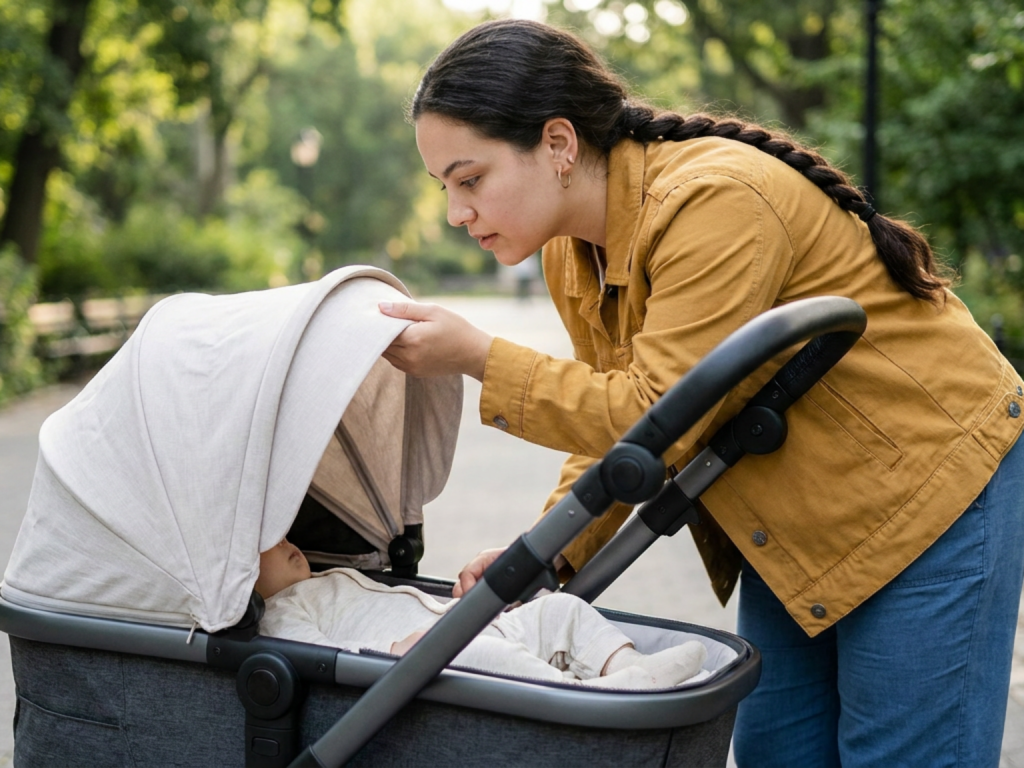
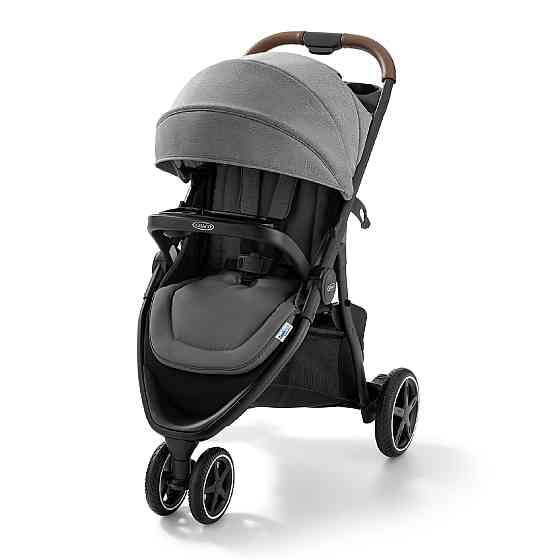
Strollers can trap heat, particularly with rain covers, heavy blankets, or tightly enclosed canopies. A mesh cover designed for airflow may be safer for insects than a thick fabric drape, but it still needs monitoring. Check the infant frequently, keep outings short in extreme heat, and prioritize indoor cooling when heat alerts are in effect.
Weather safety is part of broader Common baby safety risks. For families who travel often, car-seat installation checks can help ensure that seasonal clothing, strap position, and seat angle remain safe as the baby grows.
Cold weather: layers, dryness, and frostbite prevention
Cold exposure can lead to hypothermia when the body loses heat faster than it can produce it. Frostbite is localized freezing injury, most often affecting exposed or poorly protected areas such as fingers, toes, ears, nose, and cheeks. Infants are at risk because they cannot generate heat through activity as effectively and cannot tell you when they feel numb or painfully cold.
A practical approach is to dress the baby in one more thin layer than an adult would wear in the same conditions, then reassess. Multiple thin layers trap warmth better than one bulky layer and are easier to remove if the baby becomes warm indoors. Keep clothing dry, because damp fabric accelerates heat loss. Use mittens, warm socks or booties, and a hat outdoors, since infants can lose heat from the head and extremities.
- Limit outdoor time during severe cold, high wind chill, freezing rain, or storms.
- Check the baby’s face and hands often for pallor, grayish or waxy-looking skin, unusual firmness, or persistent coldness.
- Bring the baby indoors promptly if they become unusually quiet, floppy, difficult to wake, or feed poorly.
- Warm a chilled baby gradually with dry clothing, skin-to-skin contact if appropriate, and a warm indoor environment while seeking medical advice when symptoms are concerning.
Do not rub skin that may be frostbitten, and do not use direct heat such as a heating pad, hot water bottle, or fire. These can damage fragile skin. If frostbite or hypothermia is suspected, contact emergency medical services or a clinician urgently.
Winter car seats and safe sleep
Cold-weather gear creates two major infant safety challenges: car-seat fit and sleep safety. Bulky coats, thick snowsuits, and padded bunting can compress during a crash, leaving the harness too loose. Instead, dress the baby in thin, warm layers, secure the harness snugly, and place a blanket over the harness after buckling if needed. Remove the blanket when the car warms or if the baby appears hot.
For sleep, avoid loose blankets, quilts, pillows, hats indoors, and heavy bedding. A firm, flat infant sleep surface with the baby placed on the back remains the safer approach in every season. If the room is cool, use an appropriately sized sleep sack or wearable blanket rather than loose covers. Overheating during infant sleep is a recognized safety concern, so the goal is comfortable, not hot.
Crib safety rules for babies still apply during storms, power outages, holidays, and travel. A bare infant sleep space is safer than a couch, adult bed, car seat, swing, or padded surface for routine sleep. If weather disrupts normal routines, try to preserve the same sleep principles: back sleeping, firm surface, no loose bedding, and close caregiver awareness.
Preparing for storms, power outages, and sudden weather changes
Weather safety improves when families plan before conditions become urgent. Keep infant supplies easy to access: diapers, wipes, feeding supplies, clean water as advised for formula preparation, a thermometer, seasonally appropriate clothing, and any prescribed medical supplies. If your baby depends on powered medical equipment, speak with the care team and utility provider about backup power planning.
During a power outage in heat, prioritize cooling strategies: shaded rooms, reduced indoor activity, loose clothing, and relocation to a cooler safe place if the indoor temperature stays high. During a winter outage, close off unused rooms, use safe layers, and avoid unsafe heating methods such as ovens, grills, or fuel-burning devices indoors because of carbon monoxide risk.
For outings, pack for the weather you might encounter, not only the weather at departure. Include an extra dry layer, sun protection, feeding supplies, and a way to reach help. If a baby is sick, very young, recently discharged from the hospital, or medically fragile, it is reasonable to be more conservative and avoid nonessential exposure during heat waves, cold snaps, smoke events, or severe storms.
When to seek urgent help
- A baby is difficult to wake, unusually limp, confused-appearing, or not acting normally.
- There are signs of breathing distress, persistent fast breathing, blue lips, or pauses in breathing.
- Wet diapers are markedly reduced, feeding is poor, or the mouth appears very dry.
- Skin looks pale, gray, waxy, blistered, very cold, or persistently red and painful after cold exposure.
- The baby feels very hot, has heat exposure plus lethargy or vomiting, or you are worried about heat illness.
- A baby has been left in a hot car or exposed to severe cold, even if symptoms seem mild.
Tools & Assistance
- Local weather alerts for heat index, wind chill, storms, wildfire smoke, and air quality
- A room thermometer for infant sleep and home temperature awareness
- A pediatrician, nurse advice line, or urgent care service for individualized guidance
- Certified child passenger safety technician for car-seat fit and seasonal clothing checks
- Emergency services for suspected heat stroke, hypothermia, frostbite, or breathing distress
FAQ
How can I tell if my baby is too hot?
Check the chest, back, and behavior. Warning signs include sweating or very warm skin, flushed color, fast breathing, irritability, unusual sleepiness, poor feeding, or fewer wet diapers. Contact a clinician if you are concerned.
Should I give my baby water in hot weather?
Breast milk or formula is usually the main fluid for young infants. Do not give extra water to a young baby unless a healthcare professional advises it, because too much water can be unsafe.
Can my baby wear a winter coat in the car seat?
Bulky coats and snowsuits can make the harness too loose. Use thin layers, buckle the harness snugly, then place a blanket over the secured harness if needed.
Is it safe to cover a stroller with a blanket for shade?
A thick blanket can trap heat and reduce airflow. Use built-in shade, seek natural shade, choose breathable protection when appropriate, and check the baby frequently.
What room temperature is safest for sleep?
There is no single perfect number for every home and baby. Aim for a comfortable room temperature, dress the baby lightly enough to avoid overheating, and use a wearable blanket rather than loose bedding if warmth is needed.
Sources
- HealthLink BC — Safety for infants and young children during extreme heat
- Michigan Medicine — How to Keep Babies Safe in Hot Weather
- HealthyChildren.org / American Academy of Pediatrics — Cold Weather Safety for Children: Preventing Frostbite & Hypothermia
Disclaimer
This article is for general educational information and does not diagnose, treat, or replace medical care. Consult your baby’s healthcare professional for individualized advice, and seek urgent care for concerning symptoms.













Please log in to leave a comment.