
Intro
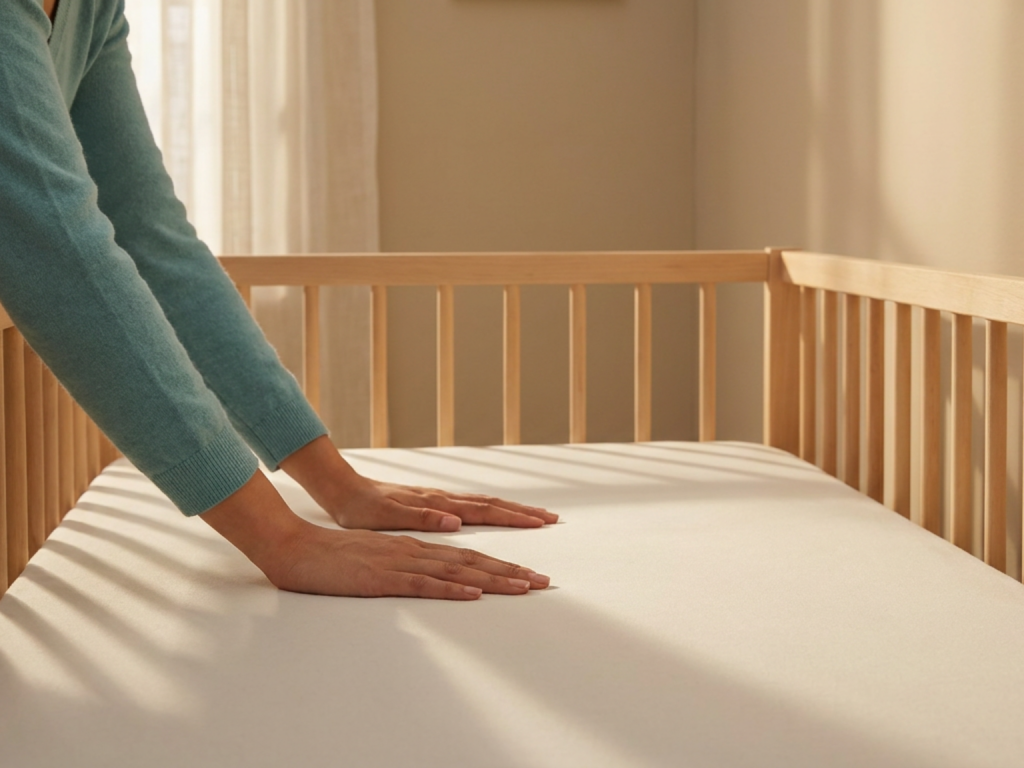
Preparing a crib can feel surprisingly emotional. It is one of the first places where your baby will spend time apart from your arms, and many parents want it to look cozy, beautiful, and reassuring. From a safety perspective, however, the safest crib is intentionally simple: a firm mattress, a tight fitted sheet, and an uncluttered sleep space.
Crib safety is not about perfection or blame. It is about reducing preventable risks such as suffocation, entrapment, strangulation, falls, and sleep-related infant deaths. The rules below bring together product-safety guidance and pediatric safe-sleep principles so you can set up a sleep space that is practical, evidence-informed, and easier to maintain when everyone is tired.
Highlights
A safe crib has a firm, snugly fitting mattress with only a fitted sheet; pillows, loose blankets, bumper pads, and toys should stay out of the sleep area.
Babies should be placed on their backs for every sleep unless a qualified healthcare professional gives different individualized instructions.
Crib structure matters: slat spacing, hardware condition, corner posts, cutouts, and drop-side mechanisms can all create injury hazards.
As babies grow, the crib setup must change: lower the mattress, remove mobiles, and stop using the crib if the child can climb out.
Safe sleep practices work best when they are simple enough to repeat every nap, every night, and in every caregiving setting.
Start with a crib that meets current safety standards
The safest starting point is a crib, bassinet, or play yard that meets current safety standards and is used exactly as the manufacturer describes. Older cribs, heirloom cribs, and secondhand cribs may look sturdy but can have design features that are no longer considered safe. Missing instructions, improvised repairs, recalled models, or outdated hardware can turn a sleep space into an entrapment or fall hazard.
Avoid drop-side cribs. Drop-side designs were once common, but they can malfunction, loosen, or create gaps where an infant can become trapped. If you are using a secondhand crib, check that it has not been recalled, has all original parts, and can be assembled tightly without substitute screws, brackets, or homemade modifications.
Crib slats should be close enough that a baby’s head cannot pass through them. A commonly cited safety check is that slats should be no more than 2 3/8 inches apart. Also look for missing, cracked, or loose slats; loose hardware; peeling paint; and unstable mattress supports. If the crib wobbles, shifts, or cannot be tightened securely, do not use it for infant sleep.
Use a firm mattress that fits snugly
A crib mattress should be firm, flat, and designed for the specific crib size. A firm surface helps reduce the risk that a baby’s face will sink into the mattress, which can obstruct breathing. Soft adult mattresses, memory foam toppers, cushions, and padded nests are not safe substitutes for a regulated infant sleep surface.
The mattress also needs to fit tightly in the crib frame. If there is a gap between the mattress and crib sides, an infant can become trapped. A practical check is that you should not be able to fit more than two fingers between the mattress and the crib. Use only a fitted sheet made for that mattress size; loose sheets can bunch around the baby’s face or neck.
A firm, flat infant sleep surface may look less comfortable to adults than a padded bed, but babies do not need pillows or plush layers for comfort. Their airway anatomy, immature motor control, and limited ability to reposition make softness more dangerous in sleep than it appears.
Keep the crib bare
The safest crib contains the baby, a firm mattress, and a fitted sheet. That is all. Keep pillows, loose blankets, quilts, comforters, sheepskins, stuffed animals, sleep positioners, padded inserts, and bumper pads out of the crib. These items can increase the risk of suffocation, rebreathing exhaled air, entrapment, or strangulation.
Bumper pads deserve special mention because many families still encounter them in stores, photos, or hand-me-down bedding sets. Even thin or breathable-looking bumpers can create a hazard, and they are not needed to protect a baby from crib slats. If you are worried about a baby’s limbs slipping between slats, discuss options with your pediatric clinician rather than adding padding.
For warmth, use appropriately sized infant sleep clothing or a wearable blanket or sleep sack. Avoid overdressing. Overheating during infant sleep is a recognized concern, so consider the room temperature, the baby’s clothing layers, and signs such as sweating, flushed skin, or a hot chest. If swaddling is used for a young newborn, it should be done safely and stopped as soon as the baby shows signs of rolling; ask your pediatrician if you are uncertain.
Place babies on their backs for every sleep
Back sleeping is a core safe-sleep recommendation. Place your baby on the back for naps and nighttime sleep, even if the baby seems to prefer another position. Side sleeping is not considered a safe compromise because babies can roll from the side onto the stomach before they can reliably roll back.
Some parents worry about choking when a baby sleeps on the back, especially with reflux or spit-up. For most infants, airway anatomy and protective reflexes make back sleeping the recommended position. If your baby has a medical condition such as a complex airway disorder, neuromuscular disease, or significant prematurity-related concerns, ask your baby’s healthcare professional for individualized guidance rather than changing sleep position on your own.
Once babies can roll independently both ways, caregivers generally do not need to reposition them repeatedly during sleep, but the baby should still be placed down on the back at the start of every sleep. The crib should remain bare, because rolling increases the importance of a clear sleep space.
Check crib construction details that can cause injury
A crib is a piece of safety equipment, not only furniture. Inspect it regularly, especially after moving it, lowering the mattress, or reassembling it. Hardware should be tight, original to the crib when possible, and installed according to the instructions. Screws, bolts, and brackets should not protrude or loosen with normal use.
- Slats should be intact and spaced no more than 2 3/8 inches apart.
- Corner posts should not extend high above the end panels, because clothing can catch on them.
- Headboards and footboards should not have decorative cutouts where a baby’s head or neck could become trapped.
- The mattress support should be stable and locked into the correct height setting.
- There should be no cracked wood, sharp edges, peeling paint, or missing parts.
If a crib fails one of these checks, the safest response is to stop using it until the issue is resolved according to the manufacturer’s instructions. Avoid improvised fixes such as tape, rope, extra padding, or nonoriginal hardware unless the manufacturer specifically approves the replacement part.
Place the crib in a safer room location
Where the crib sits in the room matters. Place it away from windows, blinds, curtains, cords, monitor wires, electrical cords, wall hangings, shelves, and anything a baby could pull into the crib. Window blind cords and drapery cords are strangulation hazards. As babies develop reach, grip strength, and curiosity, objects that once seemed far away can become reachable.
Room-sharing without bed-sharing is often recommended for infants: the baby sleeps in the same room as the caregiver but on a separate, safe infant sleep surface. Avoid placing a baby to sleep on couches, armchairs, adult beds, nursing pillows, or cushions. These surfaces increase the risk of suffocation and entrapment, especially if an exhausted adult falls asleep while holding the baby.
If nighttime feeding is part of your routine, plan ahead. It is understandable to feel drowsy during feeds. Consider feeding in a lower-risk setting, keeping loose blankets and pillows away, and returning the baby to the crib as soon as you are able. If you are repeatedly falling asleep unintentionally while feeding, speak with a healthcare professional or postpartum support provider about fatigue, feeding plans, and safer strategies.
Adjust the crib as your baby grows
Crib safety is dynamic. A setup that is safe for a sleepy newborn may need changes once the baby can push up, roll, sit, pull to stand, or climb. Lower the crib mattress according to the manufacturer’s instructions as your baby gains mobility. By the time a baby can stand, the mattress should be at its lowest appropriate setting to reduce fall risk.
Remove mobiles, crib gyms, and hanging toys when your baby can push up on hands and knees, sit, or pull to stand, or earlier if the manufacturer’s instructions say so. These items can become strangulation or pulling hazards. Also remove anything outside the crib that the baby can grasp, including nearby baskets, curtain fabric, and monitor cords.
When a child can climb out of the crib or reaches the manufacturer’s height limit, the crib is no longer the safest sleep option. Transition planning can be stressful, especially if the crib has been part of a reliable sleep routine, but fall prevention becomes the priority. Ask your pediatric clinician for guidance if your child has developmental, neurologic, or behavioral factors that complicate the transition.
Build a repeatable safety routine for all caregivers
Crib safety works best when every caregiver follows the same rules. Grandparents, babysitters, childcare providers, and overnight helpers may have learned different practices years ago, and many unsafe products are still marketed in ways that look reassuring. A calm, direct explanation can help: the crib stays bare, the baby goes on the back, and sleep happens on a firm, flat surface.
Consider posting a short sleep checklist near the crib or including it in caregiver instructions. Keep extra blankets, toys, and decorative pillows away from the crib area so no one is tempted to use them. If a caregiver says the baby sleeps better with a pillow, blanket, or inclined positioner, treat that as a cue for a supportive conversation and, if needed, a pediatric consultation about sleep concerns.
Families often balance cultural traditions, practical housing limitations, postpartum exhaustion, and a flood of product advertising. You do not need an elaborate nursery to follow safe sleep practices. A current-standard crib, a snug mattress, a fitted sheet, and consistent routines are the foundation.
When to stop and reassess the sleep setup
- Do not use a crib with missing parts, loose hardware, cracked slats, or an unknown recall status.
- Do not place pillows, bumper pads, loose blankets, stuffed animals, or sleep positioners in the crib.
- Do not use a drop-side crib or a crib with decorative cutouts that could trap a baby’s head or neck.
- Keep the crib away from window cords, monitor cords, curtains, shelves, and wall hangings.
- Seek professional guidance if a medical condition makes standard back-sleeping advice seem difficult to follow.
Tools & Assistance
- Check the crib model for recalls before use and after receiving a hand-me-down crib.
- Keep the manufacturer’s assembly instructions and follow the exact mattress-height guidance.
- Ask your pediatrician or family doctor about sleep questions, reflux concerns, prematurity, or special medical needs.
- Use a simple caregiver checklist for naps, nighttime sleep, and visits with relatives.
- Contact the crib manufacturer for approved replacement parts instead of improvising repairs.
FAQ
Can my baby sleep with a blanket if it is tucked in tightly?
A loose blanket is not recommended in an infant crib. Use appropriate sleep clothing or a wearable blanket that fits correctly and does not cover the face.
Are crib bumpers safe if they are thin or labeled breathable?
Bumper pads are not recommended. They can create suffocation, entrapment, or strangulation risks and are not necessary for crib safety.
What if my baby rolls onto the stomach during sleep?
Continue placing your baby on the back at the start of every sleep. If your baby can roll independently both ways, ask your pediatrician if you have concerns, and keep the crib completely bare.
Is an older family crib safe to use?
Only use it if it meets current safety standards, has no recalls, has all original parts, and passes structural checks. Many older cribs are not safe by current standards.
When should I lower the crib mattress?
Lower it as your baby becomes more mobile, especially when pushing up, sitting, or pulling to stand. Follow the crib manufacturer’s instructions for each height setting.
Sources
- U.S. Consumer Product Safety Commission — Crib Safety Tips
- Nationwide Children's Hospital — Cribs, Playpens and Bassinets
- National Institutes of Health, Eunice Kennedy Shriver National Institute of Child Health and Human Development — NIH Statement on the New Crib Safety Standards
Disclaimer
This article is for general educational purposes and is not a substitute for medical advice. Consult your baby’s healthcare professional for individualized guidance, especially for prematurity, reflux, airway concerns, or other medical conditions.
















Please log in to leave a comment.