
Intro
Sudden infant death syndrome, or SIDS, is the sudden unexplained death of an infant younger than 1 year, typically during sleep, after a complete investigation. It sits within the broader category of sudden unexpected infant death, which also includes sleep-related suffocation, entrapment, and other explained causes. For families, the topic can feel frightening and emotionally heavy. The goal of prevention guidance is not to create blame, but to make every sleep as safe and consistent as possible.
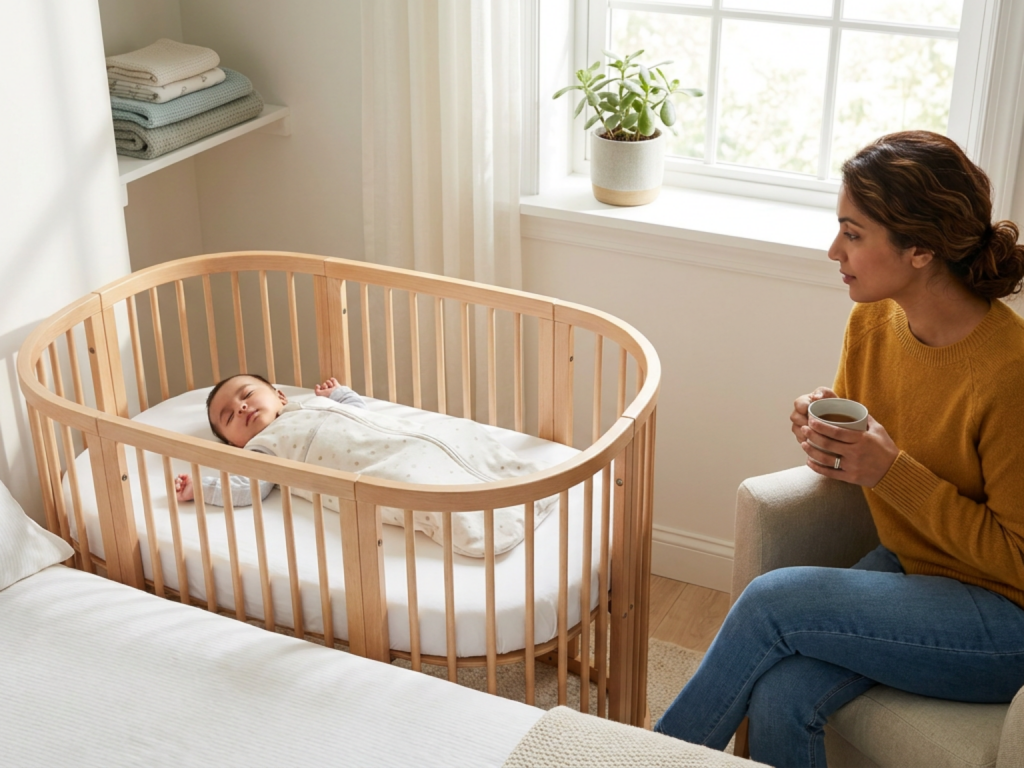
In the United States, safe sleep recommendations from pediatric and public health organizations focus on reducing known modifiable risks. No strategy can eliminate risk completely, and individual medical circumstances may change what is safest for a particular baby. Still, the core practices are practical: place babies on their backs, use a firm and flat infant sleep surface, keep the sleep space clear, avoid overheating during infant sleep, and keep babies close to caregivers without bed-sharing.
Highlights
The safest routine sleep position for most infants is fully on the back for every sleep, including naps and nighttime sleep.
A baby should sleep on a firm, flat, non-inclined surface designed for infant sleep, with no pillows, blankets, bumpers, toys, or loose bedding.
Room-sharing without bed-sharing is recommended because it keeps the baby near caregivers while avoiding adult-bed hazards.
Smoke, nicotine, alcohol, sedating medications, overheating, and unsafe sleep surfaces can increase sleep-related infant risk.
Breastfeeding, offering a pacifier at sleep time, and supervised tummy time while awake can support overall infant health and safe sleep routines.
Understanding SIDS and sleep-related risk
SIDS is diagnosed only after other causes are not found through investigation, medical history, and, when appropriate, autopsy. Families often hear SIDS discussed alongside suffocation or entrapment because these events can look similar at first and because they share some preventable environmental risks. This is why safe sleep advice uses a broad risk-reduction approach rather than a single cause-and-effect explanation.
Researchers describe SIDS risk as multifactorial. An infant may have a vulnerable developmental stage, an underlying physiologic susceptibility, and an external stressor during sleep. External stressors can include prone sleeping, soft bedding, rebreathing exhaled air, overheating, or airway obstruction. Parents cannot control every biologic factor, but they can reduce many environmental hazards.
Risk is highest in early infancy, especially during the first several months, but safe sleep practices are recommended throughout the first year. Consistency matters: naps, nighttime sleep, daycare, grandparents’ homes, and travel settings should all follow the same safety principles.
Use the back-sleeping position every time
For most babies, the supine infant sleep position means placing the baby fully on the back for every sleep. Side sleeping is not considered a safe substitute because babies can roll from the side onto the stomach. Caregivers should use the back position even if a baby spits up; healthy infants have airway anatomy and protective reflexes that help reduce aspiration risk when sleeping on the back.
If a baby rolls independently from back to stomach and stomach to back, caregivers should still start sleep on the back, but usually do not need to reposition the baby repeatedly once independent rolling is established. The sleep space should remain free of soft items because a rolling baby needs a clear surface.
Some infants have medical conditions that require individualized positioning advice, such as certain airway, neurologic, or gastrointestinal disorders. These situations should be discussed directly with the child’s pediatrician or specialist rather than managed by changing sleep position without guidance.
Choose a firm, flat infant sleep surface
A firm, flat infant sleep surface is one of the central SIDS and suffocation risk-reduction steps. Use a safety-approved crib, bassinet, portable crib, or play yard with a tight-fitting mattress and a fitted sheet. The surface should be level and non-inclined; products that hold babies at an angle can allow the head and neck to flex forward, which may compromise airflow.
Keep the sleep area empty. That means no pillows, quilts, comforters, loose blankets, weighted blankets, bumper pads, stuffed animals, positioners, or nursing pillows. These objects may look comforting, but they can obstruct the nose or mouth, increase rebreathing, or contribute to overheating.
Adult beds, couches, recliners, and armchairs are not safe infant sleep surfaces. Falling asleep with a baby on a sofa or cushioned chair is especially hazardous because the baby can become wedged between the caregiver and cushions or slip into a position that obstructs breathing. If you think you might fall asleep while feeding, plan ahead: feed in a safer location, remove soft bedding from the area, and return the baby to the crib or bassinet as soon as you are awake and able.
Room-sharing without bed-sharing
Room-sharing without bed-sharing means the baby sleeps in the caregiver’s room, close to the bed, but on a separate infant sleep surface. This setup can make feeding, comforting, and observation easier while avoiding hazards associated with adult mattresses, pillows, blankets, gaps, and sleeping adults.
Bed-sharing is particularly risky when a caregiver is very tired, smokes or uses nicotine, has used alcohol, cannabis, opioids, sleep medications, or other sedating substances, or when the sleep surface is soft. Premature and low-birth-weight infants are also more vulnerable in shared sleep environments. Even when families do not plan to bed-share, sleep deprivation can make accidental sleep more likely, so nighttime care plans should be realistic.
Consider placing the bassinet or crib within arm’s reach, using a dim light for night feeds, and agreeing in advance which adult will take over if one caregiver is too drowsy. These small systems can support safe sleep practices during the hardest weeks of newborn care.
Feeding, pacifiers, and breastfeeding
Breastfeeding is associated with a lower risk of SIDS and provides many immune and developmental benefits. Any amount of human milk may be beneficial, and exclusive breastfeeding, when possible and desired, may offer additional protection. Families who use formula should not feel blamed; safe sleep practices remain essential and effective regardless of feeding method.
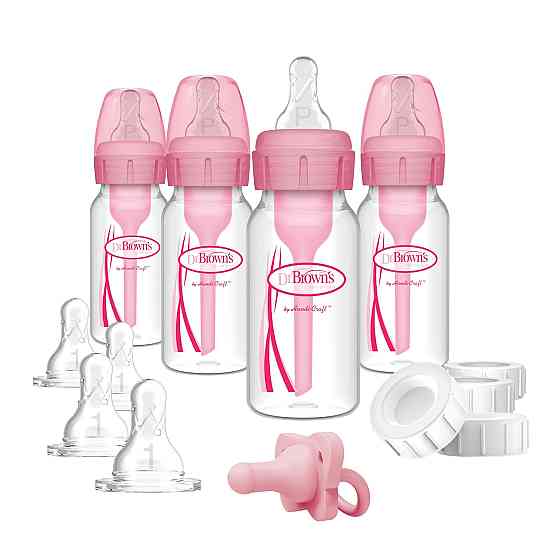
Offering a pacifier at nap time and bedtime is also associated with reduced SIDS risk. If breastfeeding is being established, many clinicians suggest waiting until feeding is going well before introducing a pacifier, unless the pediatrician or lactation professional recommends otherwise. If the pacifier falls out after the baby falls asleep, it does not need to be reinserted.
Pacifiers should not be attached to strings, clips, stuffed animals, or cords during sleep because these can create strangulation or suffocation hazards. Do not use sweet substances on pacifiers. If a baby refuses a pacifier, forcing it is unnecessary; focus on the other safe sleep measures.
Temperature, swaddling, and wearable blankets
Overheating during infant sleep is a modifiable risk factor. A baby generally needs only one more layer than an adult would wear in the same room, though this depends on room temperature and clothing. Signs of overheating can include sweating, flushed skin, damp hair, heat rash, or a chest that feels hot rather than comfortably warm. Hats should not be used indoors for routine sleep once the baby is home unless a clinician gives specific instructions.
A wearable blanket for infant sleep, also called a sleep sack, can provide warmth without loose bedding. If swaddling is used, the baby should always be placed on the back, the swaddle should allow hip movement, and it should not be weighted or too tight around the chest. Swaddling should stop as soon as the baby shows signs of attempting to roll, which can occur earlier than many parents expect.
Weighted swaddles, weighted sleep sacks, and products that restrict movement or claim to prevent rolling should be approached cautiously and discussed with a pediatric professional. The safest approach is a clear, firm, flat sleep space with clothing chosen to maintain a comfortable temperature.
Avoid smoke, nicotine, alcohol, and sedating substances
A smoke-free newborn sleep environment is important before and after birth. Prenatal exposure to tobacco smoke and postnatal exposure to secondhand smoke are associated with increased SIDS risk. Nicotine exposure from vaping or other products is also a concern, and caregivers should speak with healthcare professionals about cessation support.
Alcohol, cannabis, opioids, benzodiazepines, some sleep medications, and other sedating substances can impair arousal and increase the risk of unsafe sleep situations, especially bed-sharing or falling asleep while holding a baby. If a caregiver has used any sedating substance, another unimpaired adult should manage infant sleep and feeding whenever possible.
These recommendations are not about judging families. They are about recognizing predictable physiologic effects: reduced alertness, slower reaction time, and deeper sleep can make it harder to notice infant positioning or breathing problems.
Car seats, swings, and travel sleep
Car seats are essential for transportation, but they are not intended for routine sleep outside the vehicle. Swings, bouncers, strollers, slings, and carriers can also allow babies to fall asleep in a flexed or slumped position. If a baby falls asleep in one of these devices, move the baby to a firm, flat sleep surface as soon as practical and safe.
During travel, bring a portable crib or confirm that a safe sleep space is available. Hotel cribs, borrowed bassinets, or secondhand products should be checked for stability, missing parts, recalls, and a properly fitted mattress. Avoid improvising with pillows, couch cushions, air mattresses, or adult beds.
Childcare settings should follow the same recommendations. Parents can ask providers how infants are positioned for sleep, whether sleep spaces are kept clear, how overheating is prevented, and what the plan is if a baby falls asleep in a car seat or swing.
Build a realistic safe sleep routine
Safe sleep is easiest when it is prepared before everyone is exhausted. Set up the crib or bassinet early, keep extra fitted sheets nearby, and place feeding supplies where they do not require searching at 3 a.m. If multiple caregivers help, share the same rules in simple language: back, flat, firm, clear, smoke-free, and separate from adult sleep surfaces.
Supervised tummy time while the baby is awake helps strengthen neck, shoulder, and trunk muscles and can reduce positional flattening of the head. Tummy time is not for sleep; if the baby becomes drowsy, transition to the safe sleep space on the back.
Families with premature infants, babies who required neonatal intensive care, infants with reflux concerns, or babies using medical equipment should ask their pediatric team for individualized safe sleep instructions. Devices marketed as home monitors or breathing trackers should not be used as substitutes for recommended sleep practices unless specifically prescribed for a medical reason.
When to seek urgent or professional guidance
- Call emergency services immediately if a baby is not breathing normally, is blue or gray, is limp, or is difficult to arouse.
- Ask a pediatrician before changing sleep position for reflux, congestion, prematurity, airway concerns, or other medical conditions.
- Do not place an infant to sleep on a couch, recliner, adult bed, pillow, nursing cushion, or inclined sleeper.
- Stop swaddling at the first signs of rolling or if the swaddle becomes loose around the face or chest.
- Avoid bed-sharing if any caregiver has used alcohol, cannabis, opioids, sleep aids, or other sedating substances.
Tools & Assistance
- Discuss safe sleep at newborn and well-child visits with your pediatrician.
- Check cribs, bassinets, and sleep products for current safety standards and recalls.
- Create a nighttime feeding plan that reduces the chance of accidentally falling asleep with the baby.
- Ask childcare providers and relatives to follow the same safe sleep setup for every nap.
- Seek smoking or nicotine cessation support through healthcare professionals or public health programs.
FAQ
Can my baby sleep on the side if they seem more comfortable?
Side sleeping is not recommended because babies can roll onto the stomach. For most infants, place the baby fully on the back for every sleep unless a clinician gives different instructions.
Is it safe to use a blanket if it is tucked in tightly?
Loose blankets are not recommended in an infant sleep space. A properly sized sleep sack or wearable blanket is a safer way to provide warmth without loose bedding.
What should I do if my baby falls asleep in a car seat?
Car seats are for travel safety, not routine sleep. When you arrive or when it is safe to stop, move the baby to a firm, flat, clear sleep surface.
Do home breathing monitors prevent SIDS?
Consumer monitors have not been shown to prevent SIDS and should not replace safe sleep practices. Use medical monitoring only as directed by a healthcare professional.
Does safe sleep still matter after my baby can roll?
Yes. Continue placing the baby on the back to start sleep and keep the sleep space firm, flat, and clear throughout the first year.
Sources
- HealthyChildren.org / American Academy of Pediatrics — Safe Sleep: 9 Ways to Reduce a Baby's Risk of SIDS & Suffocation
- Safe to Sleep® / Eunice Kennedy Shriver National Institute of Child Health and Human Development — Ways to Reduce Baby's Risk
- American Academy of Pediatrics — Safe Sleep
Disclaimer
This article is for general educational purposes and is not a substitute for medical advice, diagnosis, or treatment. Always consult your pediatrician or another qualified healthcare professional about your baby's individual needs.












Please log in to leave a comment.