

Intro
Parents often hear that breastfed and formula-fed babies “grow differently,” and that can sound worrying if your baby’s curve does not look like someone else’s. In reality, both breast milk and infant formula can support healthy infant growth, but they are not biologically identical. Differences in nutrient composition, digestibility, feeding dynamics, and appetite regulation can influence the pattern of weight gain, length gain, and body composition over the first year.
Growth is best interpreted by a pediatric clinician using serial measurements, gestational age, birth history, feeding intake, diaper output, and the baby’s overall exam. A single weight percentile rarely tells the whole story. The goal is not to make every baby follow the same curve, but to ensure that each baby is growing steadily, feeding safely, and developing well.
Highlights
Breastfed babies commonly gain weight rapidly in the first 2 to 3 months, then may gain more slowly than formula-fed peers later in infancy.
Formula is designed to meet infant nutritional needs, but it does not contain the same living immune cells, enzymes, hormones, or dynamic composition as human milk.
Growth assessment should focus on trends over time, not one isolated percentile or a comparison with another baby.
Responsive feeding matters for both breast and bottle feeding because it helps babies regulate intake according to hunger and fullness cues.
Breast milk and formula both nourish, but they are not the same substance
Human milk is a dynamic biological fluid. Its macronutrient profile changes across a feed, across the day, and across lactation. It contains lactose, human milk oligosaccharides, fats, proteins, minerals, vitamins, enzymes, hormones, immunoglobulins, cytokines, and living cells. These components support nutrition, immune defense, gut maturation, and microbial colonization.
Infant formula is a regulated nutritional product designed to approximate the nutrient needs of infants when breast milk is not used or is not sufficient. Most standard formulas are cow’s milk-based and modified to adjust protein, carbohydrate, fat, and micronutrient content. Many modern formulas include added ingredients such as long-chain polyunsaturated fatty acids or prebiotic fibers, but formula is not biologically identical to breast milk.
This difference does not mean formula feeding is “bad” or that breastfeeding is always simple. Medically, the right feeding plan is the one that keeps the baby growing safely while protecting the parent’s physical and mental health. Many families use exclusive breastfeeding, exclusive formula feeding, expressed milk, donor milk in specific clinical settings, or mixed feeding.
Typical growth pattern differences in the first year
On average, breastfed and formula-fed infants can show different weight trajectories. Breastfed newborns may regain birth weight and gain rapidly in early infancy when milk transfer is effective. After about 3 months, many breastfed infants gain weight more slowly compared with formula-fed infants, while still remaining healthy and developmentally appropriate.
Formula-fed infants, as a group, may have more linear or higher weight gain later in infancy. Several mechanisms may contribute: formula has a fixed composition, bottle volumes are easier to measure and sometimes easier to encourage beyond satiety, and formula may differ in protein quantity and metabolic signaling compared with human milk. Some studies associate faster early weight gain with later obesity risk, but an individual baby’s risk depends on many factors, including genetics, sleep, complementary feeding, activity, and family context.
Length and head circumference are equally important. A baby whose weight percentile shifts but whose length, head circumference, energy, stooling, and developmental progress are reassuring may simply be settling into their genetically expected pattern. Conversely, poor linear growth or reduced head growth can be more concerning than weight alone and should be reviewed by a clinician.
Why intake regulation can differ at breast and bottle
Breastfeeding is interactive. Milk flow varies during a feed, and babies control much of the rhythm through sucking, swallowing, pausing, and releasing. Hormonal signals in human milk, along with the effort required to extract milk, may support self-regulation of intake. However, breastfeeding only works well when milk transfer is adequate; latch problems, oral anatomy, low supply, delayed lactogenesis, or sleepy feeding can limit intake.
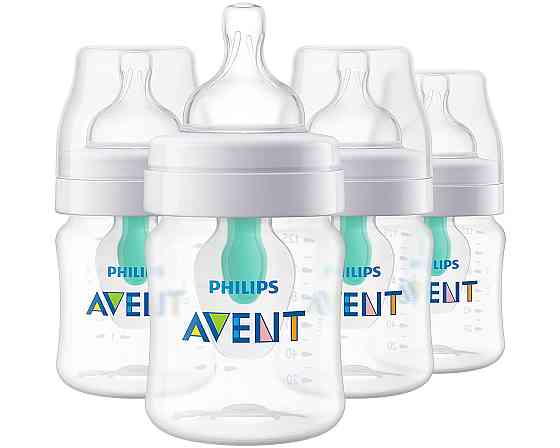
Bottle feeding can be very supportive, whether the bottle contains formula or expressed breast milk. But bottles can deliver milk quickly, especially with a fast-flow nipple or a caregiver who encourages finishing a measured amount. This can make it easier for some babies to take more than they would choose if milk flow were slower. Responsive bottle feeding helps reduce that risk.
- Watch for early hunger cues such as stirring, rooting, hand-to-mouth movements, and alertness.
- Pause during feeds and allow the baby to stop when relaxed, turning away, or no longer sucking actively.
- Avoid using the last ounce as a goal if the baby is showing fullness cues.
- Ask a pediatric clinician about expected daily intake if weight gain seems unusually fast or slow.
Families looking for practical bottle guidance may find formula feeding basics especially relevant, including nipple flow, safe mixing, and recognizing satiety cues.
Digestibility, stool patterns, and body composition
Breast milk is generally highly digestible. Its whey-predominant protein profile in early lactation, bioactive enzymes, and human milk oligosaccharides influence gastric emptying and gut microbiota. Breastfed infants may feed more frequently because breast milk is digested efficiently and because breastfeeding also provides comfort and regulation.
Formula digestion varies by product type, but standard formulas are formulated to be nutritionally complete for healthy term infants. Formula-fed babies may have stools that are firmer, less frequent, or different in odor and color compared with breastfed babies. Breastfed infants may have frequent loose yellow stools early on, then sometimes stool less often after the first month while remaining comfortable and well hydrated.
Body composition may also differ. Some research suggests breastfed infants may have different fat and lean mass patterns during infancy compared with formula-fed infants, potentially related to protein intake, appetite signaling, and metabolic hormones. These are population-level observations, not a tool for judging an individual baby. A thriving formula-fed baby is not “overfed” simply because they are larger, and a thriving breastfed baby is not “underfed” simply because they is leaner.
Growth charts and what pediatric clinicians actually assess
Growth charts are screening tools, not report cards. Clinicians typically evaluate weight-for-age, length-for-age, weight-for-length, and head circumference over time. They also consider birth weight, gestational age, neonatal weight loss, medical conditions, family stature, feeding frequency, transfer or bottle volumes, urine output, stooling, and developmental milestones.
The World Health Organization growth standards are often used for children under 2 years in many settings and are based largely on healthy breastfed infants. This matters because older charts that included more formula-fed infants may make normal breastfed growth after early infancy appear slower than expected. Your clinician can explain which chart is being used and whether your baby’s pattern is clinically concerning.
Percentile crossing can be normal or concerning depending on context. A drop from the 80th to the 55th percentile over several months in a well baby may be benign. A rapid fall across multiple percentile lines with lethargy, feeding difficulty, dehydration signs, or poor length gain deserves prompt assessment. Similarly, very rapid weight gain may warrant a discussion about bottle technique, feeding cues, formula mixing instructions, and complementary feeding when age-appropriate.
Mixed feeding and transitions can change growth patterns
Many babies receive both breast milk and formula. Mixed feeding can be temporary, long term, parent-led, or medically recommended. It may help when milk supply is building, when a baby needs additional calories, when a parent returns to work, or when exclusive breastfeeding is not sustainable. Growth patterns during mixed feeding depend on total intake, milk transfer, formula volume, feeding frequency, and the baby’s underlying health.
When to supplement with formula is a decision best made with individualized guidance if there are concerns about jaundice, hypoglycemia, dehydration, excessive weight loss, prematurity, or inadequate milk transfer. Supplementation does not have to mean the end of breastfeeding; some families protect milk supply with pumping, lactation support, and paced supplementation plans.
If a family plans a gradual formula transition, the baby’s stooling, feeding comfort, and intake may shift. Most healthy term infants do well with standard iron-fortified infant formula unless a clinician recommends otherwise. Specialized formulas, such as extensively hydrolyzed or amino acid-based formulas, are usually reserved for specific medical indications and should not be started as a diagnostic experiment without professional guidance.
Supporting healthy growth without feeding guilt
Feeding choices are often emotionally charged. Some parents desperately want to breastfeed and face pain, low supply, infant transfer problems, or medical contraindications. Others choose formula from the beginning for practical, medical, or personal reasons. Many do both. Compassion matters because stress and shame do not improve infant growth.
Helpful growth support is usually practical: feed responsively, keep scheduled well-child visits, track diapers in the early weeks, use safe formula preparation when formula is used, and seek lactation or pediatric help early if feeding feels difficult. Breastfeeding parents may need assessment of latch, milk transfer, infant oral function, and maternal health. Formula-feeding parents may need help selecting an appropriate product, preparing it safely, and understanding normal intake ranges.
The best question is not “Which feeding method makes the perfect growth curve?” but “Is this baby nourished, hydrated, developing, and safe, and is the family supported?” A baby can grow beautifully with breast milk, formula, or a thoughtful combination of both.
Seek medical advice promptly if you notice
- Fewer wet diapers than expected, very dark urine, dry mouth, or unusual sleepiness.
- Poor feeding, weak suck, repeated vomiting, breathing difficulty, or bluish color around the lips.
- Excessive newborn weight loss, failure to regain birth weight on the expected timeline, or rapid percentile crossing.
- Blood in stool, persistent severe diarrhea, or signs of dehydration.
- Any concern in a premature baby, medically complex baby, or infant younger than 2 months.
Tools & Assistance
- Pediatric growth chart review with serial measurements rather than a single weight check.
- Lactation consultant evaluation for latch, milk transfer, and pumping strategy when breastfeeding is difficult.
- Feeding diary tracking timing, volumes if bottle-fed, wet diapers, stools, and concerning symptoms.
- Safe formula preparation guidance from a pediatric clinician, public health nurse, or trusted medical source.
- Weight check appointments when recommended for newborns, premature infants, or babies with feeding concerns.
FAQ
Do formula-fed babies always gain more weight?
Not always. On average, formula-fed babies may gain weight more rapidly later in infancy, but individual growth depends on genetics, intake, health conditions, feeding technique, and gestational age.
Is slower weight gain in a breastfed baby normal?
It can be normal, especially after the first few months, if the baby is alert, feeding well, producing adequate diapers, and maintaining appropriate length and head growth. A clinician should assess the full pattern.
Can a breastfed baby be underfed?
Yes. Breastfeeding is beneficial, but milk transfer can be inadequate because of latch problems, low supply, infant sleepiness, prematurity, or medical issues. Concerns about diaper output, weight loss, or lethargy need prompt evaluation.
Can bottle feeding lead to overfeeding?
It can if milk flow is fast or caregivers encourage finishing bottles despite fullness cues. Responsive bottle feeding, appropriate nipple flow, and pausing during feeds can help babies regulate intake.
Should I change formula because of growth concerns?
Do not change formulas solely based on worry about percentiles without discussing it with a pediatric clinician. Growth concerns require assessment of measurements, intake, preparation, symptoms, and medical history.
Sources
- PubMed Central / NIH — Review of Infant Feeding: Key Features of Breast Milk and Infant Formula
- MedlinePlus — Breastfeeding vs. formula feeding: MedlinePlus Medical Encyclopedia
- PacificSource Health Plans — Breastfeeding vs. formula feeding The benefits and challenges
Disclaimer
This article is for general educational purposes and is not a diagnosis or treatment plan. Always consult your pediatrician, lactation consultant, or qualified healthcare professional about feeding or growth concerns.
















Please log in to leave a comment.